High-Purity Quartz Glass for Semiconductor Wafer Processing & Thermal Systems
- Share
- publisher
- Felix Glass
- Issue Time
- Apr 17,2026
Summary
Learn about high-purity fused silica for semiconductor wafer fabrication, including purity grades, components, specifications, DUV performance and thermal system applications
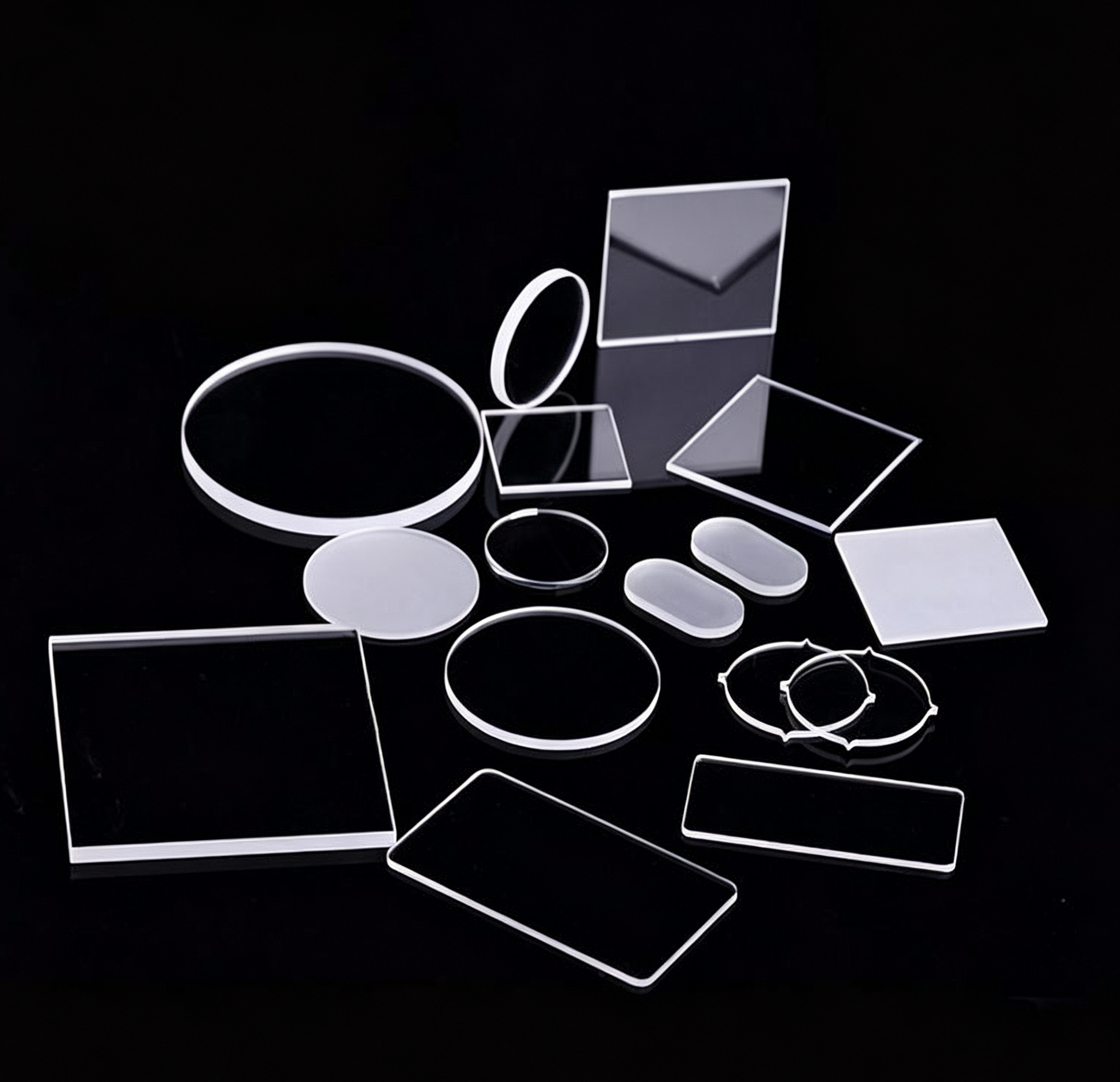
High-Purity Quartz Glass for Semiconductor Wafer Processing & Thermal Systems
Overview
High-purity fused silica (quartz glass) is an irreplaceable core material for modern semiconductor manufacturing. Thanks to ultra-low metal impurities, exceptional thermal stability, outstanding deep UV transmittance, superior chemical inertness and low outgassing performance, it is widely used in wafer processing, photolithography, thermal treatment, vacuum chambers and gas delivery systems.
Purity grade, material specification and machining precision directly impact wafer yield, process stability and fab operational safety. This ultimate guide covers purity classification, key performance parameters, typical components, process matching, industry standards and professional selection advice. Fully optimized for engineer reference, AI search citation and B2B procurement conversion.
Reviewed by: Senior Semiconductor & Optical Material Engineer
Last Updated: June 2026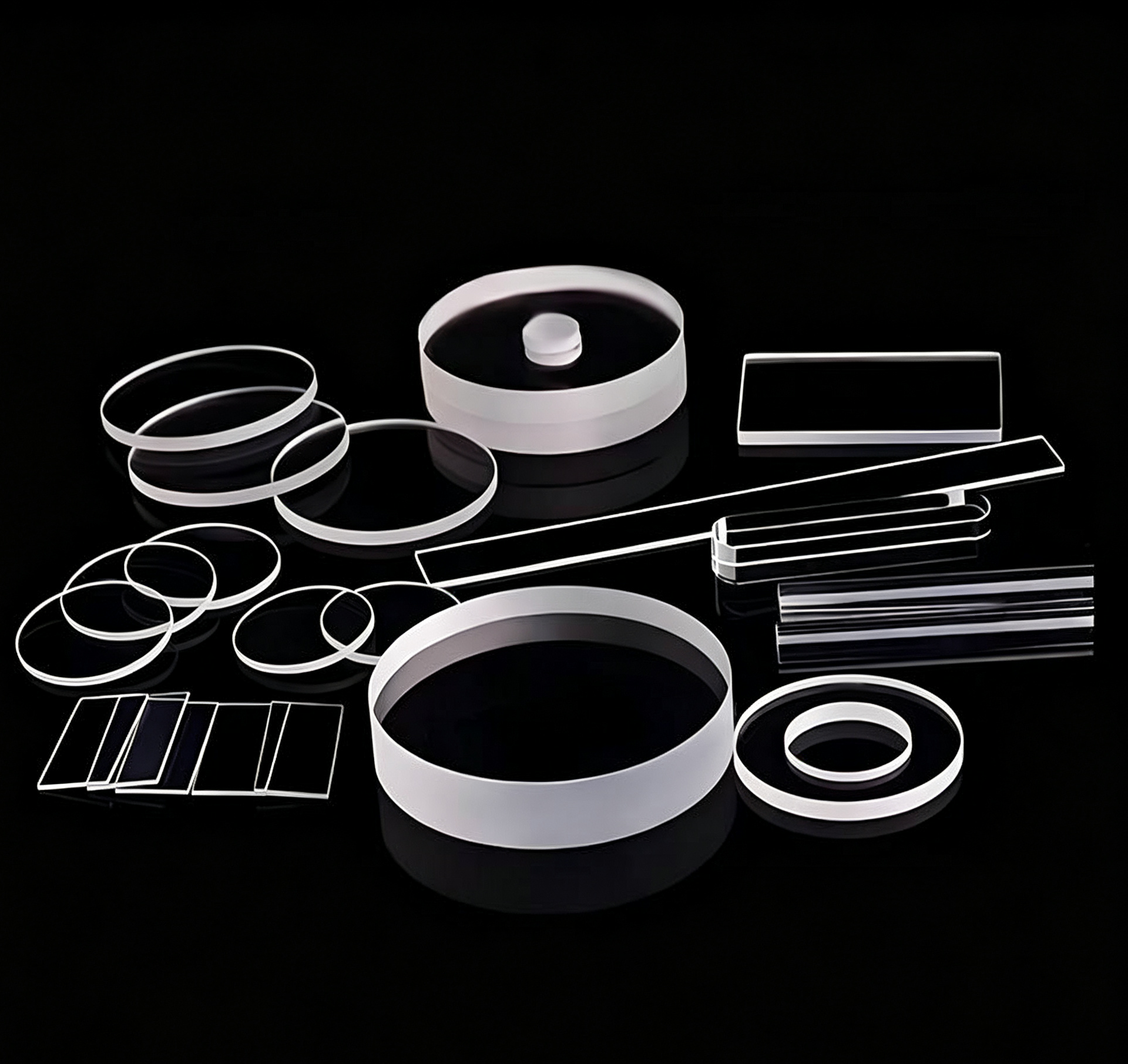
1. Why High-Purity Quartz for Semiconductor Industry?
High-purity quartz glass meets the strictest requirements of semiconductor production with core advantages:
- Ultra-low trace metal impurities, effectively avoiding wafer contamination and circuit failure
- Excellent deep UV transmission, compatible with DUV lithography and optical inspection processes
- Extreme high-temperature resistance and thermal shock resistance for continuous thermal processing
- Superior corrosion resistance against process gases, acids and plasma environments
- Minimal outgassing, stable performance in long-term high-vacuum working conditions
- Low dielectric loss, suitable for high-frequency and high-voltage process equipment
- Long service life, reducing downtime and maintenance cost for production lines
These characteristics make high-purity quartz the standard substrate across front-end and back-end semiconductor processes.
2. Purity Grade Classification & Core Standards
2.1 Semiconductor Quartz Purity Levels
| Purity Grade | Total Metal Impurity Content | Main Application |
|---|---|---|
| Standard High-Purity | ≤ 10 ppm | General thermal processing, structural parts, gas pipelines |
| Ultra-High Purity | ≤ 1 ppm | Photolithography, wafer inspection, DUV optical components |
| Electronic Grade (Grade 0) | ≤ 0.1 ppm | Advanced node wafer fabrication, plasma chambers, critical process parts |
2.2 JGS Grade Matching for Semiconductor
- JGS1 (Deep UV Grade): Default choice for DUV lithography, optical windows and inspection systems; ultra-low OH content and high purity
- JGS2: Applied to non-optical high-temperature structural components and auxiliary parts
- JGS3: Not recommended for semiconductor processes due to higher impurities and poor UV performance
2.3 High-Purity Quartz vs Ordinary Industrial Quartz
| Property | Semiconductor High-Purity Quartz | Industrial Grade Quartz |
|---|---|---|
| Metal Impurities | ≤ 1 ppm / ≤ 0.1 ppm | 10 ~ 50 ppm |
| Deep UV Transmission | Excellent (185 nm+) | Poor below 260 nm |
| Outgassing Rate | Extremely low | Moderate |
| Plasma Resistance | Outstanding | General |
| Surface Cleanliness | Semiconductor ultra-clean level | Industrial standard |
| Relative Cost | Premium | Economical |
Key Conclusion
Semiconductor manufacturing requires dedicated high-purity quartz. Ordinary industrial quartz will cause severe wafer contamination and yield loss, and cannot be used in wafer processing lines.
3. Key Technical Parameters for Semiconductor Quartz
| Parameter | Technical Specification |
|---|---|
| Continuous Working Temperature | Up to 1100°C |
| Instant Temperature Resistance | 1250°C |
| Thermal Expansion Coefficient | 5.4×10⁻⁷ /°C |
| Main Transmission Band | 185 nm – 2.5 μm |
| Total Metal Impurity | 0.1 ppm ~ 10 ppm (grade dependent) |
| Moisture & OH Content | Strictly controlled for DUV processes |
| Dimensional Tolerance | ±0.05 mm ~ ±0.1 mm (precision level) |
| Surface Roughness | Ra ≤ 0.01 μm (optical/ultra-clean parts) |
4. Professional Selection Table by Semiconductor Process
| Production Process | Recommended Purity Grade | Suggested Quartz Type |
|---|---|---|
| DUV Photolithography | Electronic Grade / Ultra-High Purity | JGS1 Optical Windows, Lenses |
| Wafer Inspection & Metrology | Ultra-High Purity | JGS1 Observation Windows |
| Diffusion & Oxidation Furnace | Standard High-Purity | Quartz Tubes, Liners, Boat |
| Plasma Etching & Deposition | Electronic Grade | Chamber Windows, Shield Parts |
| Wafer Carrier & Support | Standard High-Purity | Quartz Wafer Boat, Trays |
| Process Gas Pipeline | Standard High-Purity | Seamless Quartz Tubing |
| Vacuum Chamber Structure | Standard High-Purity | Quartz Plates & Structural Parts |
5. Main Quartz Components for Semiconductor Lines
5.1 Thermal System Components
- Furnace Quartz Tubes & Liners: Core parts of diffusion, oxidation and annealing furnaces; bear long-term high temperature and process gas
- Quartz Wafer Boat & Supports: Hold and transport wafers; require high flatness and stability
- Thermal Insulation Plates: Isolate heat and protect equipment structure
5.2 Optical & Inspection Components
- DUV Optical Windows: Transmit deep UV light for lithography and wafer surface detection
- Spectral Detection Plates: Applied to online quality monitoring systems
5.3 Vacuum & Plasma Parts
- Chamber Viewports: Observation windows for etching and deposition equipment
- Plasma Shield Components: Resist plasma erosion and protect internal structure
5.4 Fluid & Pipeline Parts
- High-Purity Quartz Tubing: Deliver ultra-clean process gas; no secondary contamination
6. Machining & Ultra-Clean Processing Requirements
6.1 Precision Machining
- Strict tolerance control for assembly and wafer positioning
- Seamless welding for tubular components to avoid gas leakage and particle accumulation
- Custom grooving, drilling and shaping for wafer boats and carriers
6.2 Ultra-Clean Treatment (Critical for Semiconductor)
1. Multi-stage chemical cleaning to remove surface particles and residual impurities
2. High-temperature baking for degassing before delivery
3. Dust-free workshop packaging to prevent secondary pollution
4. Surface passivation treatment to enhance plasma and chemical resistance
6.3 Surface Options
- Double-sided high-precision polishing for optical and inspection parts
- Fine grinding for structural and supporting components
- Special coating: anti-plasma coating, DUV anti-reflection coating on demand
7. Industry Compliance & Global Certifications
All semiconductor-grade quartz products comply with international stringent standards:
- ISO 9001 Quality Management System
- RoHS & REACH Environmental Directives
- ASTM Fused Silica Standards for Semiconductor
- SEMI Semiconductor Equipment Material Standards
- Ultra-clean manufacturing and particle control specifications
- Low-outgassing certification for vacuum systems
8. Installation, Operation & Maintenance Guidelines
- Follow gradual heating and cooling rules to avoid thermal shock cracking
- Keep component surface clean; particles will scratch wafers or affect optical performance
- Regular professional cleaning and periodic replacement according to process cycle
- Avoid mechanical collision during installation and wafer loading/unloading
- Store finished parts in dust-free, dry environment before use
9. Common Failures & Solutions in Semiconductor Application
Issue 1: Wafer contamination & increased defect rate
Cause: Low-purity material, unqualified cleaning or surface particle residue
Solution: Adopt electronic/ultra-high purity quartz; implement standard ultra-clean processing
Issue 2: Quartz part cracking in furnace
Cause: Incomplete annealing or rapid temperature change
Solution: Select fully annealed products; operate furnace with stable temperature ramp
Issue 3: Light attenuation in DUV optical path
Cause: Wrong grade selection (non-JGS1) or surface contamination
Solution: Use JGS1 deep UV grade; perform regular professional cleaning
Issue 4: Short service life under plasma environment
Cause: Ordinary quartz without anti-plasma treatment
Solution: Choose electronic grade quartz with enhanced surface protection
10. Felix Glass Semiconductor-Grade Quartz Solutions
We provide full-series high-purity quartz components dedicated to semiconductor manufacturing:
- Electronic grade, ultra-high purity and standard high-purity fused silica products
- JGS1/JGS2 full-grade quartz tubes, plates, windows, wafer boats and custom parts
- Precision machining, seamless welding, DUV AR coating and ultra-clean treatment
- Strict impurity testing, outgassing inspection and full quality documentation
- Small-batch sampling, pilot line trial and large-scale mass production
11. Frequently Asked Questions
Q1: What is the difference between semiconductor quartz and regular UV quartz?
A: Semiconductor grade has far stricter control on metal impurities, outgassing and surface cleanliness, to prevent wafer contamination.
Q2: Which grade is used for advanced node lithography?
A: Electronic Grade JGS1 high-purity quartz is the standard for DUV lithography systems.
Q3: Can high-purity quartz be reused after cleaning?
A: Structural parts can be reused after professional ultra-clean cleaning; critical optical parts are recommended for regular replacement.
Q4: Why is impurity content so important for semiconductor quartz?
A: Trace metal impurities will form circuit defects on wafers, directly reducing production yield.
Related Articles
- JGS1 vs JGS2 vs JGS3 Quartz Glass: UV & Thermal Performance Guide
- Quartz Glass for UV Optics: Transmission & Coating Guide
- Quartz Glass Tubes: Manufacturing & Industrial Specifications
- Quartz Glass Plates & Windows: Custom Machining Guide
Related Products
- Semiconductor Grade Quartz Components
- High-Purity Quartz Tubes
- JGS1 Deep UV Quartz Optics
- Quartz Wafer Boat & Carriers
- Custom Fused Silica Parts
Get a Custom Quote
Tell us your application process, required purity grade, dimension drawing and special treatment requirements. Our semiconductor material engin