High-Purity Sapphire for Semiconductor & Aerospace – Purity Standard & Requirements
- Share
- publisher
- Felix Glass
- Issue Time
- May 29,2026
Summary
Semiconductor and aerospace industries put forward the highest requirements for material purity and stability.
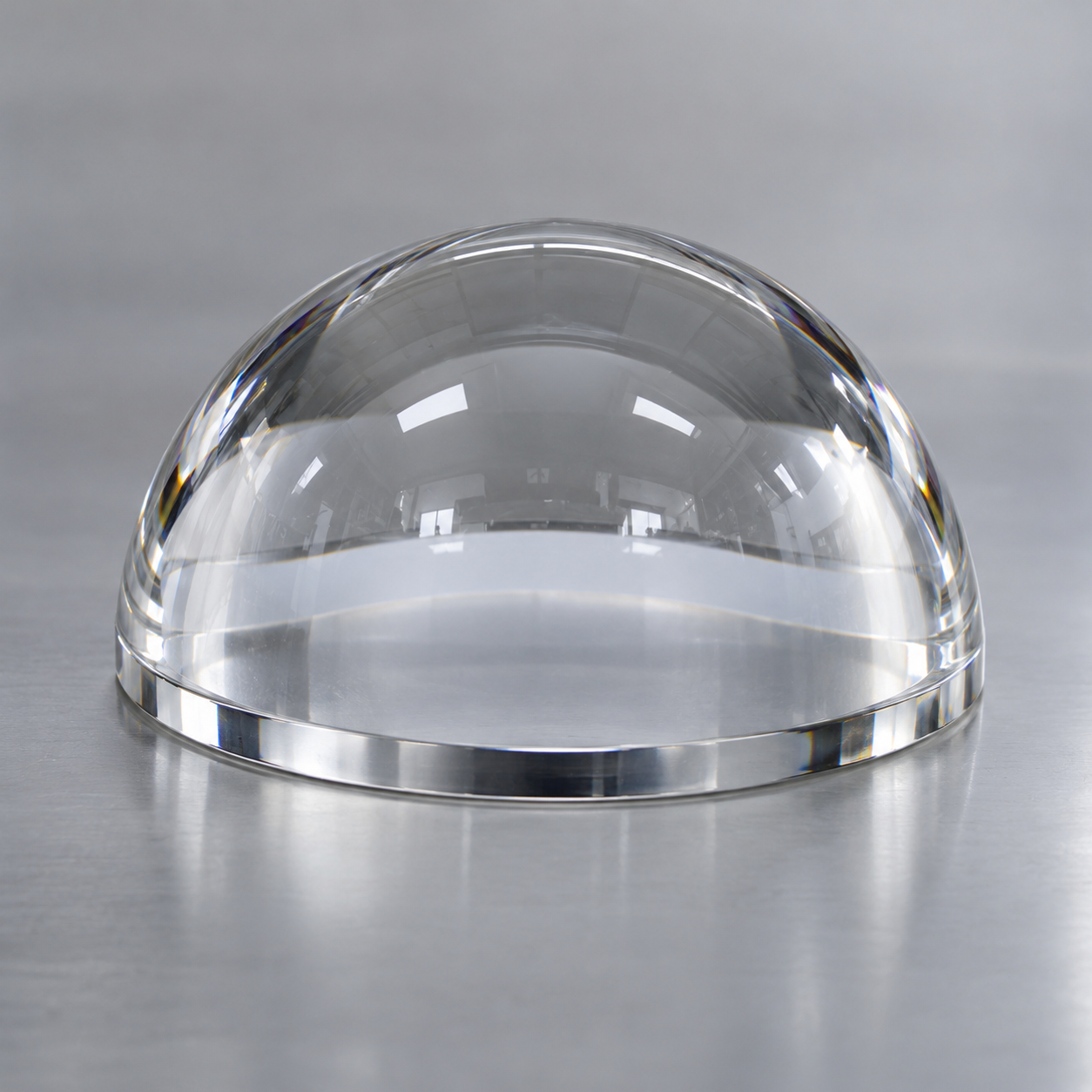
High-Purity Sapphire for Semiconductor & Aerospace – Purity Standard & Requirements
1. Introduction
Semiconductor and aerospace industries impose the most rigorous standards for material purity, structural stability, and defect control. High-purity sapphire with a minimum Al₂O₃ purity of 99.99% serves as a critical functional material for ultra-clean semiconductor manufacturing and extreme aerospace operating environments. This article systematically explains high-purity sapphire definitions, technical standards, manufacturing specifications, core advantages, and professional application requirements.
2. What Is High-Purity Sapphire
High-purity sapphire is high-grade single-crystal sapphire manufactured from 99.99% and higher purity alumina raw materials. It features extremely low metal impurities, zero internal visible defects, ultra-low dislocation density, and stable chemical properties. Designed for ultra-clean industrial environments and high-reliability optical systems, it avoids particle shedding, ion precipitation, and performance degradation that commonly occur with ordinary industrial-grade sapphire.
3. Key Purity & Technical Standards
High-purity sapphire for semiconductor and aerospace applications follows strict industrial and military-grade specifications in purity, defect control, surface quality, and precision tolerance.
Inspection Item
Standard Requirement
Al₂O₃ Purity
≥99.99% (4N high-purity grade)
Total Metal Impurities
≤10 ppm
Internal Bubbles & Inclusions
Zero visible defects
Dislocation Density
Ultra-low crystal dislocation level
Surface Cleanliness
Class 100 clean room processing standard
Dimensional Tolerance
±0.05 mm for high-precision finished parts
4. Manufacturing Process
| Inspection Item | Standard Requirement |
|---|---|
| Al₂O₃ Purity | ≥99.99% (4N high-purity grade) |
| Total Metal Impurities | ≤10 ppm |
| Internal Bubbles & Inclusions | Zero visible defects |
| Dislocation Density | Ultra-low crystal dislocation level |
| Surface Cleanliness | Class 100 clean room processing standard |
| Dimensional Tolerance | ±0.05 mm for high-precision finished parts |
4. Manufacturing Process
High-purity sapphire production adopts full pollution-isolation processes to guarantee consistent ultra-high material performance:
4N+ ultra-pure alumina powder preparation → Dust-free constant-temperature crystal growth → Precision orientation cutting → Multi-stage fine grinding and ultra-precision polishing → Full-index laboratory performance testing → Dust-free cleaning → Vacuum sealed packaging.
The entire production environment strictly controls dust, temperature fluctuation, and impurity contamination to meet semiconductor and aerospace industrial standards.
5. Core Advantages
- Ultra-low impurity content: Prevents metal ion precipitation, effectively protecting semiconductor wafers and precision chips from contamination.
- Excellent structural stability: Resists high-altitude vibration, extreme temperature differences, and strong airflow pressure in aerospace environments.
- Zero particle shedding: Fully compliant with Class 100 clean room requirements for precision semiconductor production.
- Long-term stable performance: No aging, deformation, or optical attenuation under long-term high-temperature and high-precision working conditions.
6. Application Scenarios
Semiconductor Industry
- Wafer transfer fixtures and high-temperature process carrier components
- Optical detection windows for chip inspection and imaging equipment
- Isolation and protective structural parts for thin film deposition and etching processes
Aerospace & Defense Industry
- Observation windows and protective optical components for aircraft and spacecraft
- High-precision optical domes and navigation lenses for UAV photoelectric systems
- High-temperature resistant structural optical parts for aerospace vehicles
7. Grade Comparison
Ordinary industrial-grade sapphire contains higher metal impurities, tiny internal bubbles, and grain defects. It cannot meet ultra-clean semiconductor production standards or high-reliability aerospace environmental requirements. Cross-grade substitution will cause wafer contamination, optical scattering, structural instability, and equipment failure. For precision semiconductor and aerospace projects, only certified high-purity single-crystal sapphire is applicable.
8. FAQ
Q1: What is the purity standard of high-purity sapphire?
A1: High-purity sapphire requires aluminum oxide purity of 99.99% (4N) or higher.
Q2: Why does the semiconductor industry require high-purity sapphire?
A2: Ultra-low impurity content prevents ion precipitation and particle shedding, avoiding wafer contamination and reducing semiconductor production yield loss.
Q3: What special standards apply to aerospace-grade sapphire?
A3: Aerospace sapphire requires zero visible internal defects, ultra-low dislocation density, high dimensional accuracy, and stable performance under extreme temperature and vibration conditions.
Q4: Can industrial-grade sapphire replace high-purity sapphire?
A4: No. Ordinary industrial sapphire fails cleanroom standards and high-reliability specifications, and cannot be used for semiconductor or aerospace systems.
9. Conclusion
High-purity sapphire is an indispensable core material for high-end semiconductor manufacturing and modern aerospace optical systems. Strict compliance with purity standards, defect control, and precision processing ensures long-term stability, high precision, and high reliability for advanced industrial equipment.
👉 Related Knowledge & Products: Sapphire Optical Grades & Spectral Transmittance
Author: Felix Glass Optical Engineering Team
Reviewed By: Senior Optical Material Engineer
Last Updated: June 2026
References: High Purity Sapphire Industrial Standard, Aerospace Optical Component Specification