How to Select ZnSe CO₂ Laser Protection Window for Industrial Laser Systems
- Share
- publisher
- Felix Optical Glass Co., Limited
- Issue Time
- Aug 19,2026
Summary
Select CVD ZnSe CO₂ laser protection window for your 10.6 μm laser system. This engineering guide reviews material specs, AR‑coating, LIDT & maintenance to prevent thermal‑related window failures.
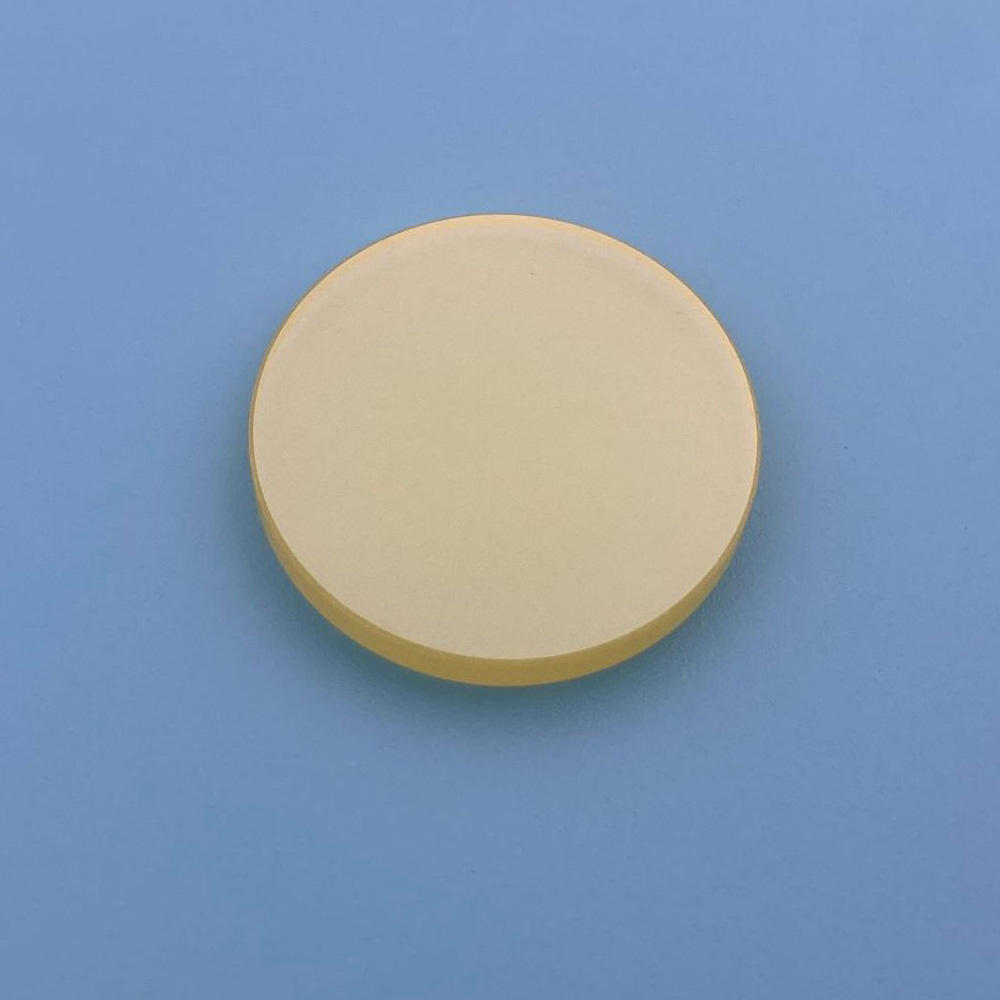
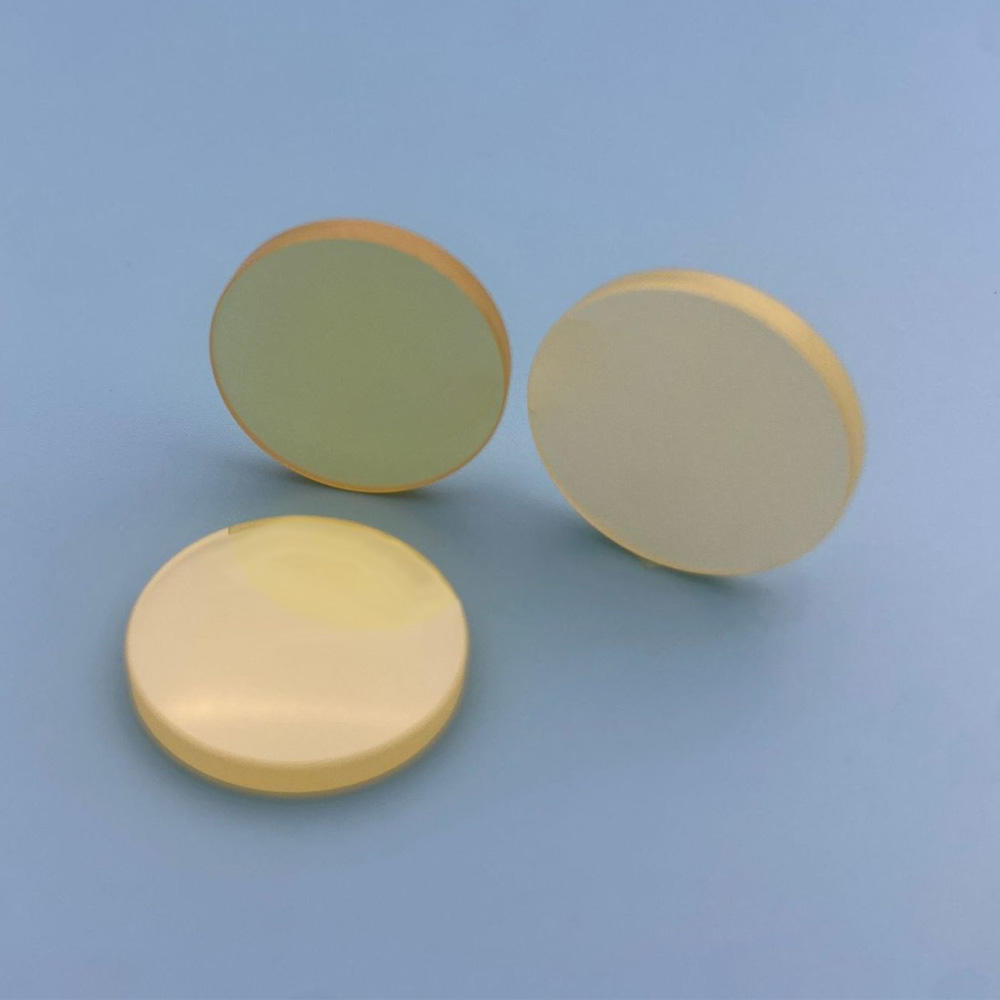
Published by Felix Optical Glass Co., Limited — Precision industrial optical glass manufacturer for CO₂ laser infrared components Industrial CO₂ laser cutting, engraving and welding systems rely heavily on high‑performance infrared optics. A poorly‑matched ZnSe CO₂ laser protection window will trigger thermal lensing, beam distortion, coating burnout, unexpected machine downtime and even costly damage to expensive laser‑head assemblies. Many system integrators and production engineers underestimate how critical this optical glass component is to overall equipment uptime. This expert buying guide from Felix Glass walks you through every engineering factor you need to evaluate before ordering your ZnSe laser optical glass for 10.6 μm industrial CO₂ laser systems. Figure 1: Laser‑grade CVD ZnSe optical glass window for CO₂ laser equipment Inside every CO₂ laser processing head, the ZnSe CO₂ laser protection window works as a physical barrier. It shields internal focusing lenses and mirrors from spatter, smoke debris, oil mist and particulate contamination generated during material processing, while transmitting the 10.6 μm infrared laser beam with minimal optical loss. Selecting cheap non‑laser‑grade infrared optical glass will result in short service life, unstable beam quality and frequent production interruptions, even if mechanical dimensions physically fit your laser housing. Not all zinc selenide substrates are equal. Industrial‑grade ZnSe CO₂ laser protection window must be manufactured by Chemical Vapor Deposition (CVD) to achieve ultra‑low bulk absorption at 10.6 μm CO₂ wavelength. Conventional optical glass cannot transmit far‑infrared CO₂ laser energy and will quickly melt under high‑power irradiation. Figure 2: Batch samples of CVD ZnSe optical glass windows with different coating treatments Budget‑grade ZnSe blanks often contain grain boundaries, internal scattering centers and high impurity absorption. Even if dimensions match your laser housing, these defects will create hot‑spots under high‑power CO₂ laser irradiation and lead to premature window failure. Never confuse recrystallized ZnSe with genuine CVD‑laser‑grade optical glass for continuous high‑power CO₂ laser operation. When sourcing your ZnSe CO₂ laser protection window optical glass component, always confirm these core optical specifications before placing orders. Skipping these parameters will lead to compatibility mismatch for your industrial laser system. Anti‑reflection coating is one of the most important performance layers for ZnSe CO₂ laser protection window optical glass. Uncoated ZnSe will suffer large Fresnel reflection losses (~29 % total two‑surface reflection at 10.6 μm), wasting laser power and creating back‑reflection risks inside your laser system. Double‑sided BBAR AR‑AR coating can achieve transmission above 98.5% at 10.6 μm for industrial laser systems. Laser‑Induced Damage Threshold(LIDT) defines maximum power‑density the coated ZnSe optical glass can withstand without permanent coating or substrate damage. Always request supplier LIDT test data for your operating laser mode (CW or pulsed) at 10.6 μm. Real‑world operating power‑density should stay well below the published LIDT rating to achieve long service life. Even perfect optical‑grade ZnSe optical glass will under‑perform if mechanical dimensions and tolerances do not match your laser processing‑head mounting seat. Felix Glass supports diameter range from 3 mm up to 300 mm for both standard and custom ZnSe optical glass windows. Typical tolerance: Diameter tolerance +0 / ‑0.13 mm, thickness tolerance ±0.25 mm. Dimension tolerance and thickness tolerance directly affect clamping stress. Excessive clamping force will introduce stress birefringence into ZnSe optical glass and distort the laser beam. Confirm outer‑diameter tolerance, thickness tolerance and chamfer specification with your optical glass manufacturer before procurement. Application and laser power level define your final ZnSe CO₂ laser protection window specification. Below is Felix Glass practical engineering reference table for industrial CO₂ laser optical glass selection. When processing highly reflective materials, always upgrade to higher‑LIDT ZnSe CO₂ laser protection window optical glass. Back‑reflected energy can easily destroy standard‑grade infrared optics inside your laser head. Typical usages cover acrylic, wood, fabric, rubber and plastic processing for industrial CO₂ laser machines. Field‑observed failure modes for inferior ZnSe optical glass in industrial laser systems include: Best practice: Source your ZnSe CO₂ laser protection window from a professional optical glass manufacturer, request material certification and coating specification datasheet rather than buying generic un‑qualified spare parts from marketplace retailers. Genuine CVD ZnSe raw material is the foundation for long service‑life. Many industrial laser integrators require non‑standard sizes or special coating parameters for specialized equipment. Felix Optical Glass Co., Limited provides both off‑the‑shelf standard ZnSe CO₂ laser protection window optical glass and fully custom‑manufactured infrared optical components. For OEM volume projects, our engineering team reviews your laser‑system parameters and provides optimized ZnSe optical glass specification recommendations to balance performance, service‑life and total‑cost‑of‑ownership. Even premium laser‑grade ZnSe optical glass is relatively soft and vulnerable to surface scratches and contamination. Proper handling extends service‑life significantly for your ZnSe CO₂ laser protection window: Need qualified ZnSe CO₂ laser protection window optical glass samples or datasheet? Felix Glass is a professional optical glass manufacturer for industrial infrared laser components. Send your laser‑system parameters (power, wavelength, dimension drawing, coating requirement) to our engineering team, we can provide specification review, quotation and sample support for your CO₂ laser project. Sample order is available for evaluation. Q1: Can regular fused silica optical glass replace ZnSe CO₂ laser protection window? A: No. Fused silica optical glass does not transmit 10.6 μm far‑infrared CO₂ laser energy; it will rapidly overheat and fail under CO₂ laser irradiation. CVD ZnSe infrared optical glass is the standard substrate for CO₂ 10.6 μm protection windows. Q2: What causes short service‑life of ZnSe CO₂ laser protection window in my production laser? A: Main causes: low‑grade substrate material, mismatched AR coating, insufficient LIDT rating for your laser power, surface contamination, excessive mounting clamping‑stress, or poor environmental protection against cutting spatter smoke. Q3: Can Felix Glass manufacture custom‑size ZnSe optical glass windows for special OEM CO₂ laser systems? What about sample orders? A: Yes. Felix Optical Glass Co., Limited delivers both standard stock and custom‑machined ZnSe CO₂ laser protection window optical glass for OEM industrial laser‑system customers. We support 1‑piece sample order as well as mass‑volume production. Send your drawing and technical requirements for engineering evaluation and quotation. Related internal reading: High‑Power CO₂ Laser Optics Selection Guide | IR Optical Glass Components for Industrial Laser Systems Disclaimer: All technical data provided for general engineering reference only. Always verify final specifications against your laser‑system OEM manual. Felix Optical Glass Co., Limited © All rights reserved.How to Select ZnSe CO₂ Laser Protection Window for Industrial Laser Systems
Why ZnSe CO₂ Laser Protection Window Is Critical for Industrial Optical Glass Laser Systems
Core Material Properties of Laser‑Grade CVD ZnSe Optical Glass for 10.6 μm CO₂ Lasers
Property
Laser‑Grade CVD ZnSe @10.6 μm
Remarks for optical glass selection
Transmission Range
0.6 μm‑16 μm
Optimized for CO₂ 10.6 μm infrared output
Bulk Absorption Coefficient
<0.001 cm⁻¹
Low absorption reduces thermal lensing risk in high‑power laser systems
Refractive Index
2.40
High index requires high‑quality AR anti‑reflection coating
Knoop Hardness
120
Soft substrate; scratch‑sensitive optical glass, handle carefully
Density
5.27 g/cm³
Affects thermal mass under continuous‑wave laser operation
Max CW Laser Damage Threshold
≥15 kW/cm² @10.6 μm
Key index for high‑power industrial CO₂ laser equipment
Common material‑grade pitfalls
Key Specification Parameters When Specifying ZnSe CO₂ Laser Protection Window
AR‑Coating & Laser‑Induced Damage Threshold for ZnSe Laser Optical Glass Windows
Coating selection guidance
Mechanical Dimensions, Tolerance and Mounting Requirements for ZnSe CO₂ Protection Window
Standard dimension examples for industrial CO₂ laser systems
How Operating Laser Power & Application Scenarios Affect ZnSe Optical Glass Window Selection
CO₂ Laser Power Range
Typical Application
Suggested ZnSe Optical Glass Grade
Recommended Thickness
<200 W
Engraving, low‑power marking
Laser‑grade CVD ZnSe, standard AR coating
3 mm
200‑1000 W
Medium‑speed cutting, non‑metal processing
Laser‑grade CVD ZnSe, standard high‑LIDT AR
3‑4 mm
>1000 W High‑Power CW
Heavy‑duty industrial cutting, high‑reflective material machining
Premium low‑absorption CVD ZnSe, high‑damage‑threshold AR‑coating
4‑6 mm
Common Failure Modes of Low‑Grade ZnSe CO₂ Laser Protection Window & How to Avoid Them
Standard vs Custom‑Manufactured ZnSe Optical Glass Windows for Industrial CO₂ Laser Systems
Practical Handling, Cleaning and Maintenance Tips for ZnSe CO₂ Laser Protection Window
Frequently Asked Questions About ZnSe CO₂ Laser Protection Window & Optical Glass Components