Sapphire Thermal & Mechanical Properties – Hardness, Strength & Heat Resistance Data
- Share
- publisher
- Felix Glass
- Issue Time
- Apr 2,2026
Summary
high temperature resistance and low thermal expansion make it stand out among optical materials. This article sorts out full parameters and application notes.
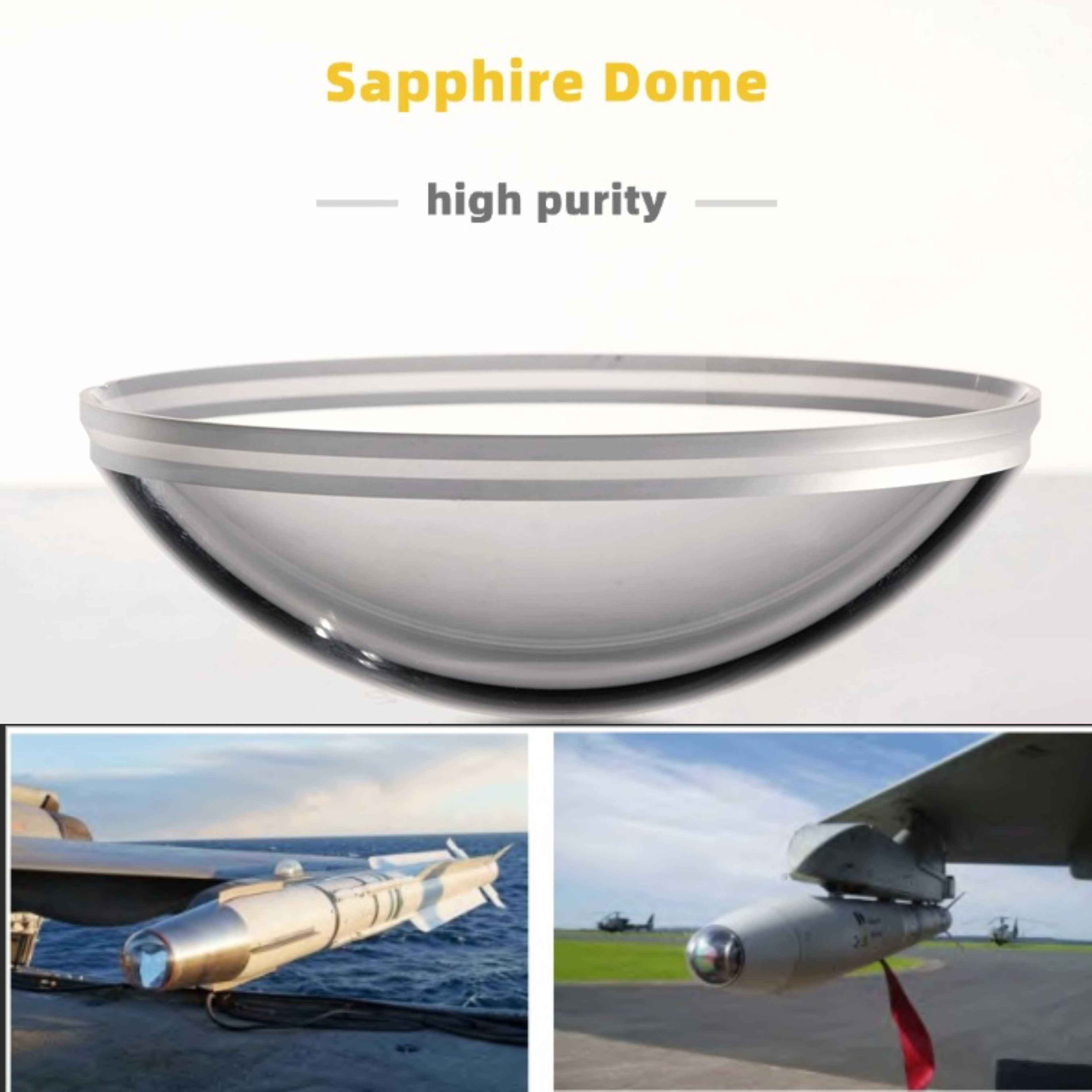
Sapphire Thermal & Mechanical Properties – Hardness, Strength & Heat Resistance Data
1. Introduction
Thermal and mechanical properties are the most critical technical indicators for sapphire material selection, equipment structural design, and working condition evaluation. Featuring ultra-high hardness, extreme high-temperature resistance, low thermal expansion and stable structural rigidity, synthetic sapphire outperforms most common optical glasses and crystal materials. This article provides complete standardized thermal and mechanical parameter data, performance analysis, and practical usage guidelines for industrial and optical engineering applications.
2. What Are Sapphire Thermal & Mechanical Properties
Sapphire comprehensive performance is divided into two core categories: mechanical properties and thermal properties.
Mechanical properties include Mohs hardness, compressive strength, structural rigidity, wear resistance and impact characteristics, determining the material’s durability and anti-external-load capability.
Thermal properties cover maximum continuous working temperature, thermal expansion coefficient and thermal shock resistance, defining its adaptability under high temperature and temperature alternating environments.
These combined parameters directly determine sapphire’s service life, safety threshold and applicable industrial scenarios.
3. Key Parameter Table
| Performance Item | Technical Data |
|---|---|
| Mohs Hardness | 9 (Second only to diamond) |
| Compressive Strength | Extremely high, withstand heavy mechanical pressure |
| Material Characteristic | Extremely hard, high rigidity but brittle |
| Max Continuous Working Temperature | 1600°C |
| Thermal Expansion Coefficient | Very low, excellent dimensional stability |
| Thermal Shock Resistance | Excellent for fully stress-relieved single crystal sapphire |
4. Manufacturing Relation
Sapphire’s final thermal and mechanical performance heavily depends on crystal growth quality and post-processing treatment. High-standard single crystal growth and complete stress relief annealing effectively eliminate internal residual stress, maximizing thermal shock resistance and structural stability.
Low-grade or incompletely processed sapphire retains internal stress, making it prone to cracking, deformation or failure under temperature cycling and mechanical load.
5. Core Advantages
- Superior wear resistance: Mohs 9 hardness ensures scratch-free performance in long-term friction, dust erosion and outdoor exposure environments.
- Ultra-high temperature tolerance: Stable physical and optical performance under continuous high temperature up to 1600°C.
- Excellent dimensional stability: Low thermal expansion coefficient avoids thermal deformation during temperature changes.
- High structural rigidity: Strong compressive strength supports high-pressure observation windows and load-bearing optical components.
6. Application Scenarios
- High-pressure industrial reaction equipment viewing windows
- Outdoor long-term monitoring wear-resistant protective optics
- High-temperature industrial furnace observation windows and thermal monitoring components
- Military, aerospace and UAV optical parts working under complex temperature and mechanical stress
7. Usage Reminders
Sapphire is extremely hard and wear-resistant but inherently brittle. During installation, assembly and field operation, avoid strong instantaneous impact, violent collision and concentrated stress. Proper installation structure and buffer protection effectively extend component service life and prevent sudden cracking.
8. FAQ
Q1: What is the Mohs hardness of sapphire?
A1: Sapphire reaches Mohs hardness 9, ranking second only to diamond among natural and industrial crystal materials.
Q2: What is the maximum long-term working temperature of sapphire?
A2: Qualified single-crystal sapphire supports continuous stable operation up to 1600°C.
Q3: Is sapphire resistant to impact force?
A3: Sapphire features high hardness and friction resistance but is brittle; strong instantaneous impact may cause cracking.
Q4: Will sapphire deform significantly when heated?
A4: No. Sapphire has an extremely low thermal expansion coefficient, maintaining stable dimensions under normal and high-temperature conditions.
9. Conclusion
Sapphire possesses industry-leading thermal and mechanical comprehensive performance among optical materials. Engineers and buyers must fully utilize its high hardness and high-temperature resistance while avoiding brittle failure risks, ensuring stable and long-term operation of optical and structural components.
👉 Related Knowledge & Products: | Sapphire Temperature & Impact Resistance Limits | Sapphire Windows
Author: Felix Glass Optical Engineering Team
Reviewed By: Senior Optical Material Engineer
Last Updated: June 2026
References: Synthetic Sapphire Physical Property Manual, High Temperature Optical Material Standard