Sapphire Window: Temperature Resistance & Chemical Corrosion Performance Guide
- Share
- publisher
- Felix Glass
- Issue Time
- Jul 10,2026
Summary
High-temp & corrosion-resistant optical windows for industrial sensors: sapphire thermal performance, chemical inertness, material comparison and application selection guide.
Engineering Guide | Sapphire Optical Windows
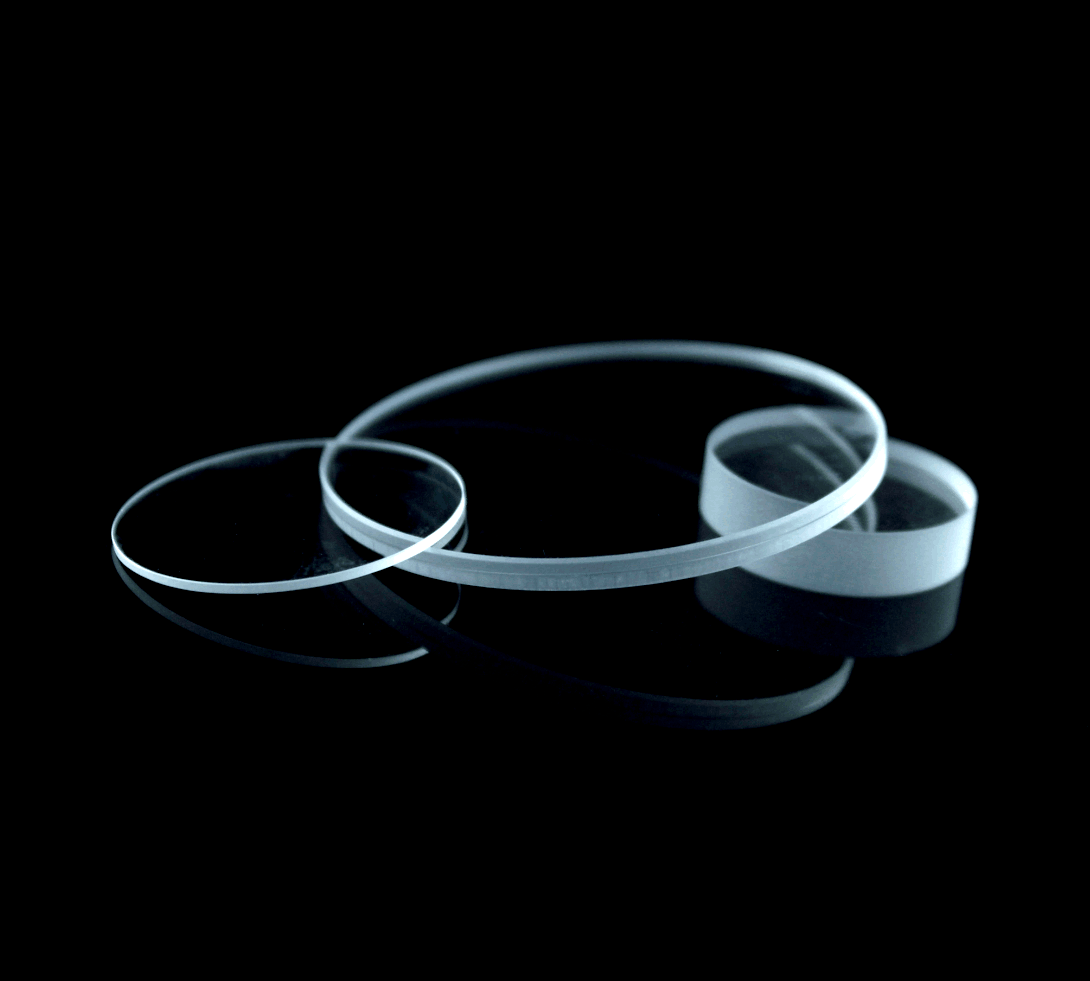
Direct answer: A properly engineered single-crystal sapphire window can provide high-temperature stability, thermal-shock durability, and strong resistance to many industrial chemicals. The usable limit of a finished window still depends on crystal orientation, thickness, edge finish, mounting stress, coatings, seals, pressure differential, atmosphere, and thermal cycling.
High-temperature furnace monitoring, chemical processing, and industrial sensing systems place unusual demands on protective optical windows. Conventional optical glasses may lose dimensional stability or suffer surface damage when heat, pressure, and corrosive media act together. Sapphire, a single-crystal form of aluminum oxide (Al2O3), is often considered when a design needs optical transmission plus mechanical, thermal, and chemical durability.
This guide follows a practical selection path: temperature capability, corrosion behavior, application screening, custom parameters, system integration, and common engineering questions. Engineers comparing available components can also review the Felix Glass product catalog.
1. Temperature Resistance Performance of Sapphire Windows
1.1 Continuous working temperature range
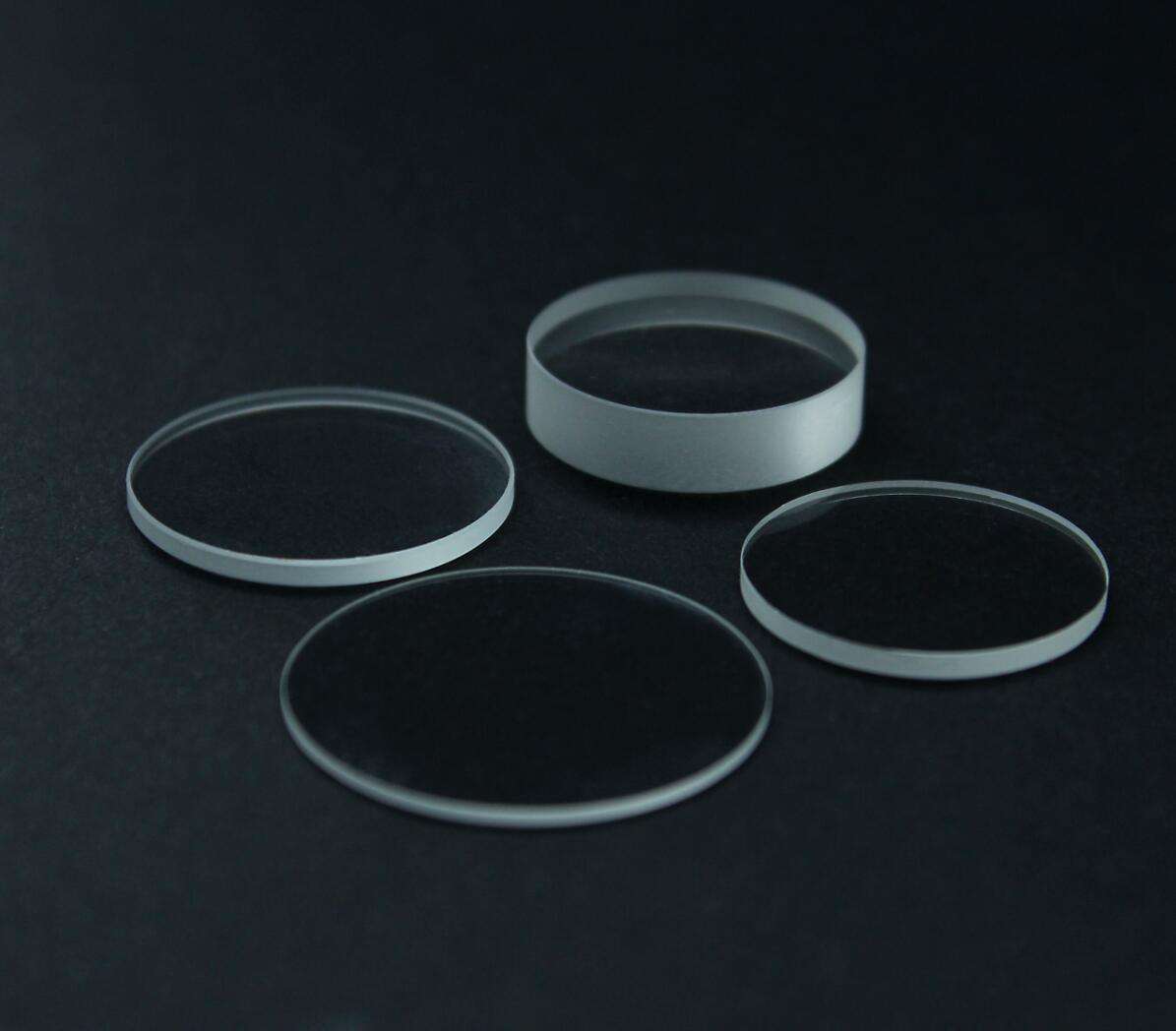
Material-level references commonly place high-purity alumina and sapphire-class materials in a high-temperature category. For initial screening, sapphire is often discussed across a cryogenic-to-high-temperature range, with long-duration material limits sometimes cited near 1,700°C and short, unloaded exposure discussed at still higher temperatures. These values are not automatic ratings for an assembled viewport.
1.2 Thermal-shock resistance advantage
Sapphire combines useful thermal conductivity with dimensional stability and mechanical strength. In a well-designed mount, those properties can help the window tolerate rapid heating and cooling in furnace observation ports, industrial thermal cameras, and high-temperature sensing probes. Edge damage, clamping stress, and uneven heating can still initiate failure, so thermal-shock qualification should reproduce the actual ramp rate and temperature gradient.
1.3 Comparison with common optical glass
| Material | Thermal screening point | Engineering implication |
|---|---|---|
| N-BK7-class optical glass | Transformation temperature is about 557°C | Normally selected for moderate-temperature optics, not direct exposure to very high-temperature process chambers. |
| Fused silica | Typical maximum-use guidance is approximately 1,000–1,100°C, depending on grade and conditions | Very low thermal expansion supports thermal-shock performance; grade, load, and exposure time remain important. |
| Single-crystal sapphire | High-temperature material capability, with application limits set by the complete assembly | A candidate for hotter, abrasive, or chemically demanding environments when optical and mechanical requirements align. |
For additional material-selection articles and application notes, visit the Felix Glass knowledge center.
2. Chemical Corrosion Resistance of Single-Crystal Sapphire
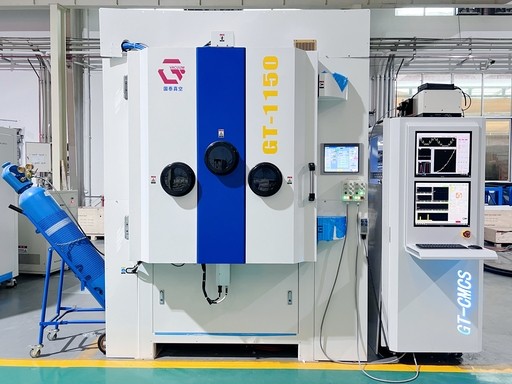
Sapphire has a dense single-crystal Al2O3 structure and is valued for chemical stability in many industrial environments. Its suitability should be evaluated against the exact chemical, concentration, temperature, pressure, exposure time, and surface-finish requirements.
2.1 Media commonly considered for sapphire service
- Many aqueous, solvent, lubricant, and cleaning environments
- Steam, humid process gas, and selected industrial flue-gas conditions
- Salt spray, seawater, and submerged sensing applications
- Selected acidic or alkaline process media after compatibility review
2.2 Corrosion limits and exceptions
No optical material is universally inert. Hydrofluoric-acid systems, hot concentrated acids, aggressive alkalis, molten salts, reactive plasma, contamination, and dissimilar-material interfaces can change the result. A chemical-compatibility review and representative coupon test are appropriate when a window will face elevated temperature, long dwell time, mixed chemicals, or cleaning cycles.
2.3 Practical engineering benefit
In chemical pipeline sight glasses, furnace exhaust sensors, underwater vehicles, and process-monitoring instruments, a chemically stable window may reduce fogging, surface degradation, unplanned replacement, and calibration drift. The benefit should be confirmed at assembly level because seals, brazes, adhesives, and metal retainers may govern service life before the sapphire itself.
3. How to Judge Whether You Need a High-Temperature, Corrosion-Resistant Sapphire Window
Sapphire deserves closer evaluation when one or more of the following conditions apply:
High process heat
The optical port operates above the practical range of conventional optical glass or experiences steep thermal gradients.
Corrosive exposure
The environment includes process chemicals, flue gas, salt spray, steam, solvents, or repeated cleaning cycles.
Harsh field service
The sensor operates underwater, underground, outdoors, or in an abrasive industrial area where replacement is difficult.
Optical stability
The measurement cannot tolerate window deformation, surface haze, contamination, or a meaningful change in transmission.
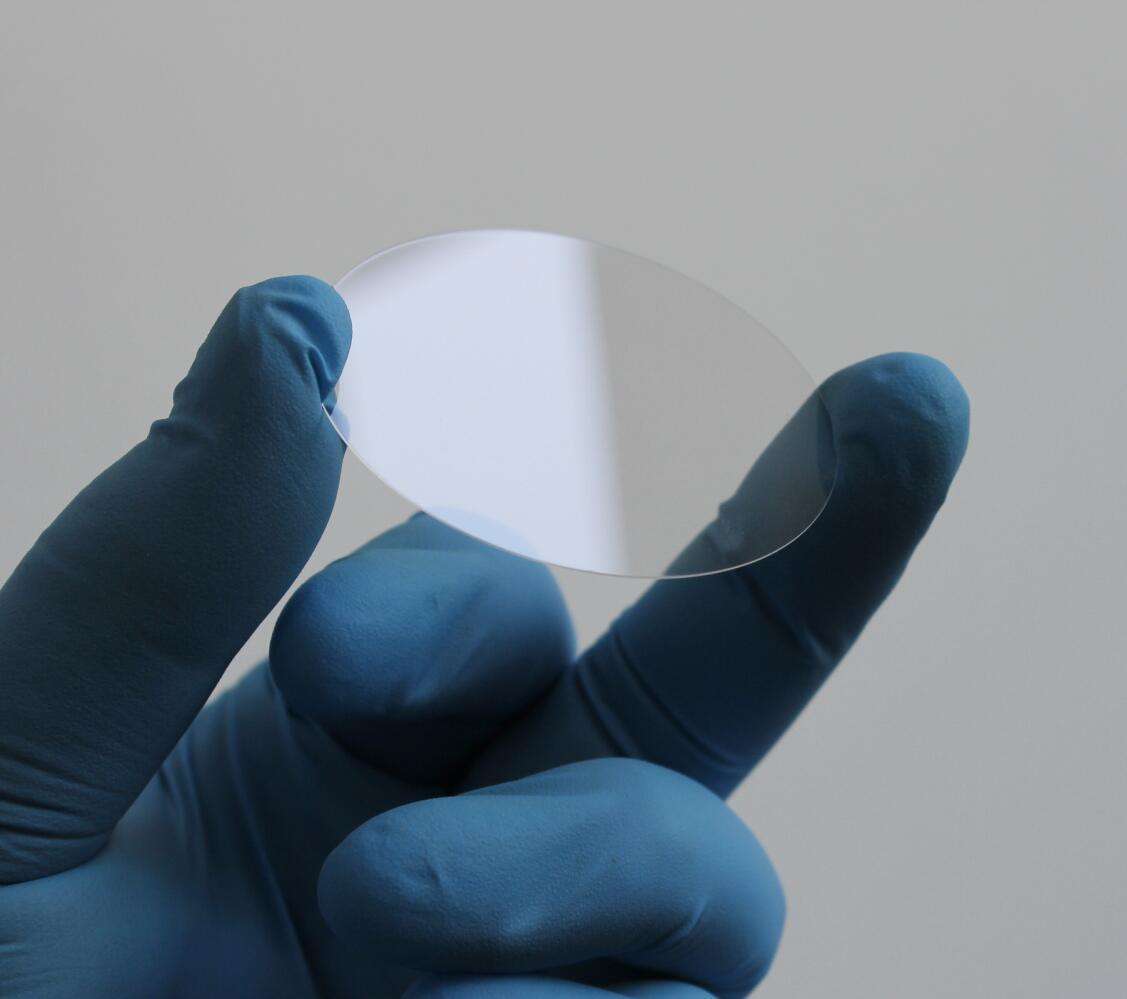
A selection review should capture wavelength band, clear aperture, pressure differential, temperature profile, chemical exposure, mechanical impact, required lifetime, and acceptable optical loss. This turns a general material choice into a testable component specification.
4. Custom Sapphire Window Technical Parameters for High-Temperature Sensors
A useful request for quotation or design review should define the complete component rather than temperature alone.
Felix Glass Co., Limited can review drawings and working conditions before a prototype or production plan is defined. Company background and manufacturing information are available on the About Us page.
5. Matching Industry Solution: High-Temperature Sensing Optical Window System
High-temperature furnace cameras, thermal-monitoring probes, pressure sight glasses, chemical-process sensors, and pipeline instruments require more than a sapphire blank. The window, coating, edge design, retaining geometry, seal, and inspection plan must work as a system.
- Define service conditions. Record temperature range and ramp rate, pressure, media, wavelength, impact risk, and target lifetime.
- Select material and orientation. Match sapphire grade, crystal orientation, dimensions, and surface specification to the optical and mechanical load.
- Review interfaces. Check coating, gasket, braze, adhesive, and metal-retainer compatibility across temperature and chemical cycles.
- Prototype and validate. Test representative samples under combined thermal, chemical, pressure, and optical conditions before release.
- Control production. Confirm inspection criteria, traceability, cleaning, protective packaging, and reporting for repeat orders.
For drawing review, tolerance discussion, or application questions, use the contact page and include the operating conditions listed above.
6. Frequently Asked Questions
Can a sapphire window work continuously above 1,500°C?
The sapphire material may be considered for very high-temperature service, but a finished window should not receive a blanket rating from the raw material alone. Continuous use above 1,500°C requires review of atmosphere, load, gradients, crystal quality, geometry, mount, coating, seals, and validation data.
Will high-temperature steam corrode a sapphire viewport?
Sapphire is often chemically stable in steam service, but purity, temperature, pressure, contaminants, dwell time, and the surrounding assembly can affect results. Representative exposure testing is appropriate for critical or long-life systems.
How does sapphire differ from fused silica in a high-temperature sensor?
Fused silica offers very low thermal expansion and strong thermal-shock behavior, while sapphire adds high hardness, mechanical strength, useful thermal conductivity, and broad chemical durability. The better choice depends on wavelength, temperature profile, pressure, abrasion, chemical exposure, cost, and fabrication requirements.
Engineering takeaway
Sapphire is a strong candidate when an optical window must combine heat resistance, mechanical durability, and chemical stability. Final suitability comes from the complete specification and representative testing, not from a single temperature number. To request a feasibility review from Felix Glass Co., Limited, send the drawing and service conditions.