Ultimate Buying Guide for Custom Optical Glass
- Share
- publisher
- Felix Glass
- Issue Time
- Feb 12,2026
Summary
This buying guide helps choose custom optical glass, covering material selection, processing needs, quality standards and tips for picking reliable suppliers.
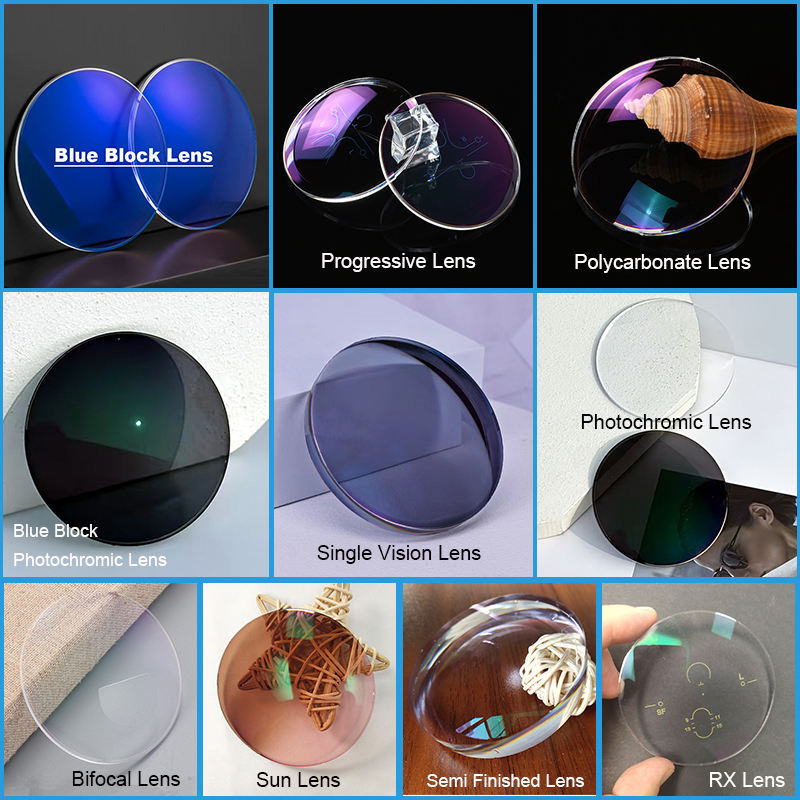
Custom optical glass is widely used in automotive, medical, industrial, consumer electronics and other fields, and its quality directly affects the performance and service life of end products. For buyers, choosing the right custom optical glass and reliable suppliers is crucial. This guide will comprehensively introduce the buying points of custom optical glass to help you make a correct choice.
First, clarify the application requirements and performance indicators of optical glass. Before purchasing, you must determine the specific use scenario of the glass, which is the basis for selecting materials and processes. For example, for outdoor use, you need to consider UV resistance, high and low temperature resistance; for optical imaging, you need to focus on light transmittance, refractive index, surface accuracy; for touch scenarios, you need to add anti-fingerprint, anti-scratch functions. At the same time, clarify the dimensional requirements, including size, thickness, tolerance range, shape (flat, curved, special-shaped), etc., to ensure that the processed glass can be perfectly assembled and used.
Second, select the appropriate optical glass material. Common optical glass materials include BK7, K9, Sapphire, borosilicate, quartz, etc., each with different performance and applicable scenarios: BK7/K9 glass has good optical performance and cost-effective, suitable for general optical components; Sapphire glass has ultra-high hardness, scratch resistance and high temperature resistance, suitable for high-wear scenarios such as sensor windows and watch mirrors; borosilicate glass has excellent heat resistance and thermal shock resistance, suitable for high-temperature environments; quartz glass has high light transmittance and high temperature resistance, suitable for UV optical systems and high-temperature equipment. Choose materials according to actual performance needs and budget, and you can consult the supplier's professional advice.
Third, determine the processing and coating requirements. Custom optical glass usually requires a series of deep processing, including cutting, grinding, polishing, edge processing, drilling, strengthening treatment, etc. Clarify the processing accuracy requirements, such as dimensional tolerance, surface roughness, to ensure that the product meets the use standards. In addition, according to the need to choose functional coatings: AR anti-reflection coating improves light transmittance, AG anti-glare coating reduces reflection, AF anti-fingerprint coating is easy to clean, UV-resistant coating adapts to outdoor environments. Determine the type and parameters of the coating to avoid unnecessary costs while meeting performance needs.
Fourth, check the quality standards and inspection capabilities of the supplier. Reliable suppliers must have complete quality control systems, such as ISO9001, IATF 16949 (automotive industry) and other certifications. Understand the supplier's inspection equipment and processes, whether they can provide comprehensive performance inspection reports, including dimensional accuracy, optical performance, strength, durability and other indicators. Prioritize suppliers with 100% full inspection capacity to ensure that each batch of products meets standards.
Fifth, investigate the supplier's customization capacity and delivery capacity. Choose suppliers with professional engineering teams and mature processing technology, who can provide design optimization and feasibility analysis according to your drawings and needs, and solve problems in the customization process. At the same time, understand the supplier's production scale and delivery cycle, whether they can meet the needs of sample trial production and large-scale mass production, and ensure on-time delivery, avoiding affecting the project progress.
Sixth, consider after-sales service and cost-effectiveness. High-quality after-sales service includes sample modification, product rework, technical support, etc., which can solve problems encountered in use in a timely manner. Don’t just pursue low prices, but comprehensively consider product quality, performance, delivery time and after-sales service to choose cost-effective products.
Felix Glass is a professional custom optical glass supplier, with rich experience in the industry, complete processing equipment, strict quality control system, and can provide one-stop customized services. We provide professional material selection and process suggestions according to customer needs, ensure product quality and delivery time, and become a reliable partner for custom optical glass buyers. When purchasing custom optical glass, following the above points, combined with the actual situation, you can choose the right products and suppliers to ensure the smooth progress of the project.