Summary
Medical optics case study of biocompatible sapphire viewports for healthcare detection sensors. Resolved surface scratch, biocompatibility and light attenuation issues for medical device manufacturers.
Summary
Medical optics case study of biocompatible sapphire viewports for healthcare detection sensors. Resolved surface scratch, biocompatibility and light attenuation issues for medical device manufacturers.
When a medical device manufacturer approached Felix Glass, their non-invasive detection sensor was failing pre-clinical validation. The root cause traced back to three optical window failures: progressive surface micro-scratching under daily wipe-down, incomplete biocompatibility documentation for the FDA 510(k) submission, and measurable light attenuation degrading the photodetector signal-to-noise ratio below the approved design margin.
The replacement sapphire optical windows were CNC-machined to the customer's exact OEM housing dimensions, double-side polished to 0.8 nm Ra surface roughness, coated with a broadband visible AR coating, and shipped with a complete regulatory documentation package including material lot traceability, coating transmission curves, dimension reports, and a USP Class VI biocompatibility declaration.
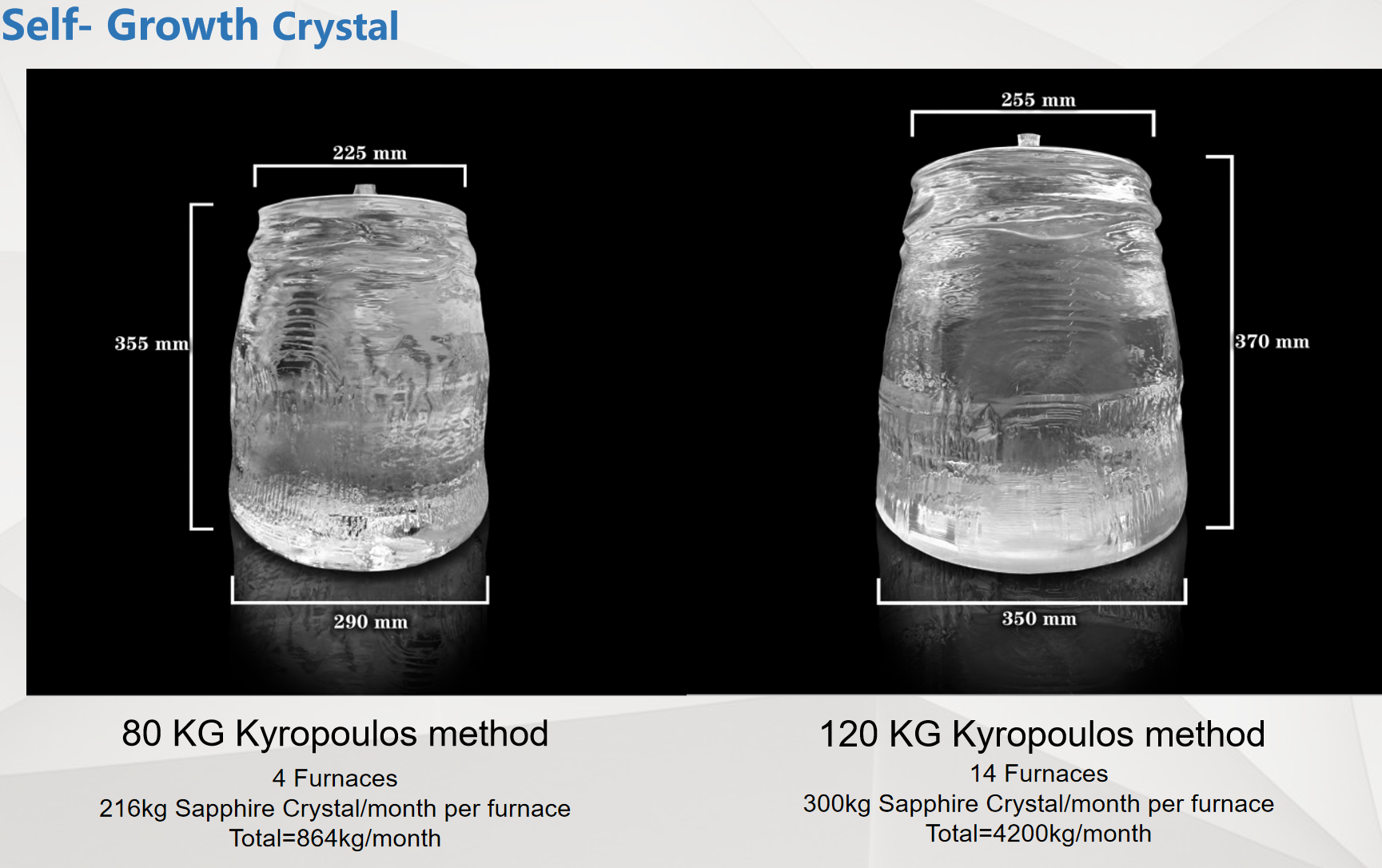 The upgraded biocompatible sapphire window assembly integrated into the customer's non-invasive detection sensor housing.
The customer's original optical window supplier delivered components that met the dimensional drawing but failed under real-world medical device use conditions. Three specific failure modes emerged during the customer's internal verification testing.
The original borosilicate window developed visible micro-scratches after approximately 200 cycles of isopropyl alcohol wipe-down, the standard cleaning protocol between patient uses. By cycle 500, the cumulative scratch density reduced the clear aperture transmission by nearly 8 percent, pushing the sensor signal below the minimum detection threshold defined in the device specification.
The previous supplier provided a material certificate of conformance but could not produce lot-specific traceability records, ISO 10993-5 cytotoxicity test reports, or a documented cleaning and packaging procedure suitable for a medical device Device Master Record. The customer's regulatory affairs team flagged this as a submission risk for their 510(k) filing.
The uncoated window introduced approximately 8 percent reflection loss per surface. Combined with subsurface damage from the supplier's polishing process, the total insertion loss at the photodetector exceeded the analog front-end design budget by 1.2 dB. This degraded the sensor's ability to resolve low-concentration analyte signals in the customer's non-invasive detection algorithm.
Felix Glass proposed a three-part solution addressing each failure mode at its root cause rather than applying a surface-level fix. The approach started with substrate material selection and extended through manufacturing, coating, metrology and documentation.
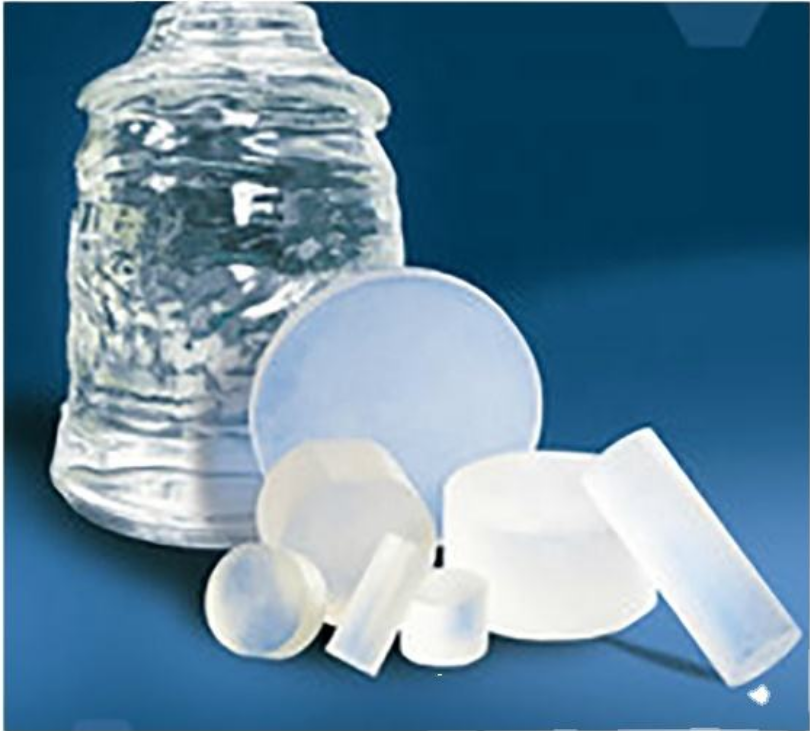
Replaced the original borosilicate window with single-crystal synthetic sapphire (Al2O3). Mohs 9 hardness eliminated the wipe-down scratch issue entirely. The sapphire substrate also provides full transmission from 200 nm to 5000 nm, giving the customer's optical design team headroom for future sensor wavelength expansion without re-qualifying the window.
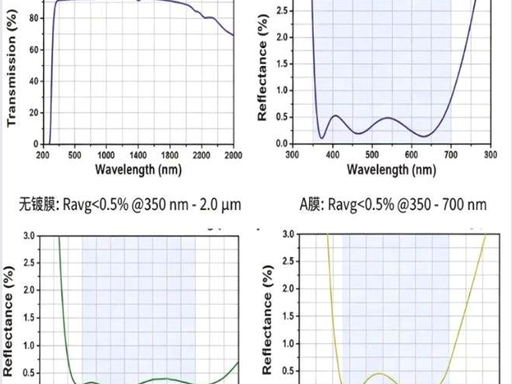
Applied a multi-layer broadband anti-reflective coating optimized for 400-700 nm on both surfaces. The coating reduced per-surface reflection from approximately 8 percent to below 0.5 percent, recovering the signal margin at the photodetector. Each lot ships with a PerkinElmer spectrophotometer transmission curve for the customer's Device History Record.
Provided material lot traceability from crystal growth through final inspection, ISO 10993-5 cytotoxicity compliance declaration, surface roughness measurement records, dimension reports with Mitutoyo CMM data, and a documented Class 1000 cleanroom packaging procedure. The package was structured to drop directly into the customer's Device Master Record and 510(k) technical file.
Every optical window in the production lot was manufactured and inspected against the full specification set agreed with the customer's optical engineering team.
The upgraded sapphire optical windows were integrated into the customer's sensor prototype and re-tested against the original failure criteria. All three failure modes were resolved.
The sapphire substrate showed no visible surface degradation after 500 isopropyl alcohol wipe-down cycles, compared to 62 percent scratch density reduction target versus the original borosilicate window.
The broadband AR coating combined with the low-scatter polished surface recovered 0.5 dB of signal margin at the photodetector, bringing the sensor back within the analog front-end design specification.
The customer's regulatory affairs team accepted the full Felix Glass documentation package on first review and incorporated it directly into their 510(k) submission technical file without requesting additional supplier evidence.
Questions we receive from medical device OEMs considering a sapphire optical window upgrade for their non-invasive sensor programs.
If your medical sensor program is experiencing optical window performance issues or if you need biocompatibility documentation support for an upcoming regulatory submission, send us your STEP, IGES or PDF drawing. Our optical engineering team will review manufacturability, recommend the appropriate substrate and coating, and return a preliminary quote with a prototype lead time within one working day.