C-Plane Sapphire Window Case Study | Industrial Furnace Monitoring | Felix Glass
Industrial Furnace Monitoring Case Study
C-Plane Single-Crystal Sapphire Window Case Study for Industrial Furnace Monitoring
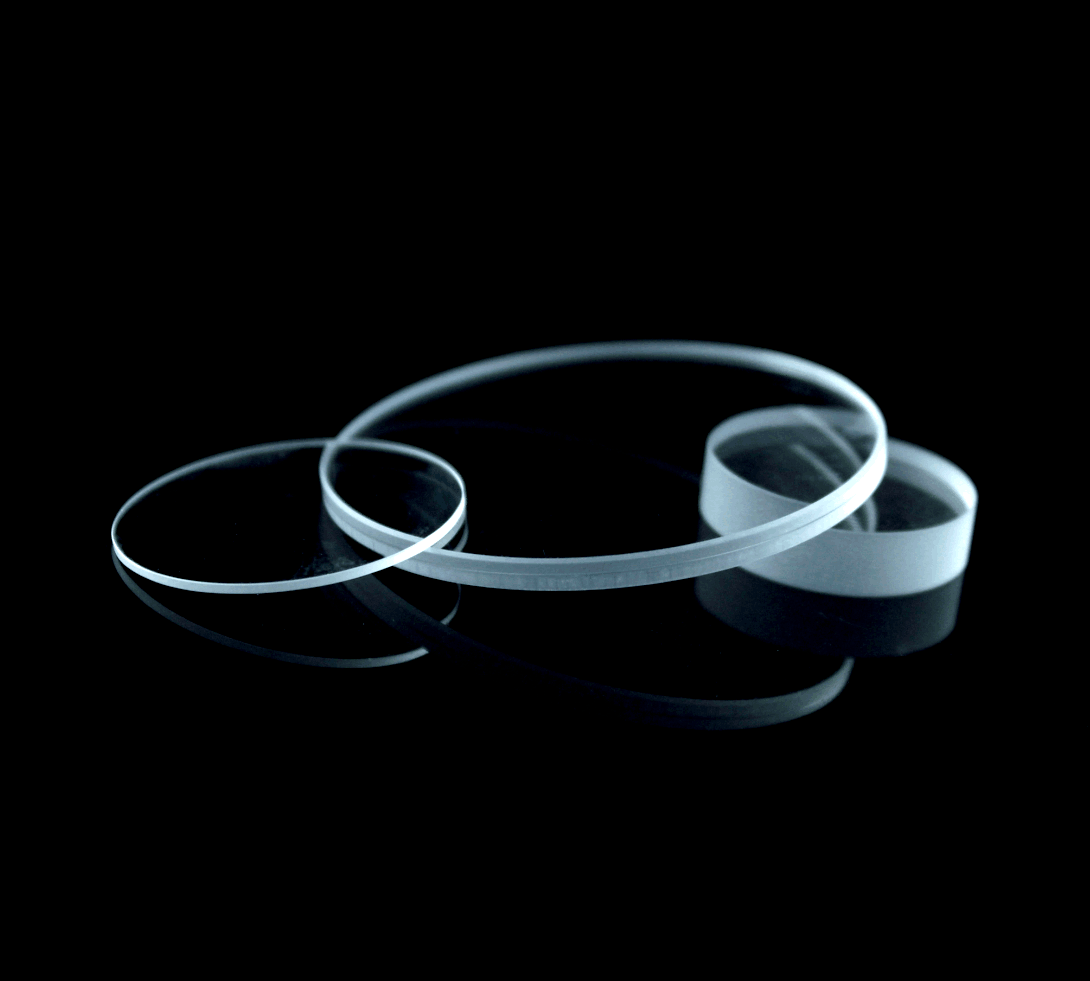
A North American industrial thermal equipment manufacturer needed a furnace camera viewport that could maintain a usable optical path through continuous heat and corrosive flue gas. Felix Glass developed a drawing-based C-plane single-crystal sapphire window with precision machining and an application-matched IR anti-reflection coating.
1,800°Cspecified sustained operating capability
1.5–8 mmcustom thickness range
λ/10specified flatness
12+ monthsreported service life in this project
Attention
Why the Original Furnace Camera Viewport Was Failing
The furnace operated continuously in an 800–1,600°C process environment. The original fused-silica viewport reportedly lasted about two weeks at full load. Sulfur-containing and acidic flue gas attacked the exposed optical surface, while a standard replacement optic did not match the existing camera housing without additional mechanical work.
- Short viewport replacement intervals interrupted thermal monitoring.
- Surface corrosion and fogging reduced image consistency.
- Non-matching dimensions added fitting work during maintenance.
Interest
Client and Application Requirements
The client was a North American industrial thermal equipment manufacturer responsible for real-time furnace monitoring. Its engineering and procurement teams needed a replacement window that could fit the installed camera assembly, resist the process atmosphere and maintain transmission in the camera's thermal imaging band.
The drawing review centered on clear aperture, outside dimensions, thickness, edge geometry, groove location, coating band and the relationship between the window and its seal or retaining structure.
Why C-Plane Single-Crystal Sapphire Was Selected
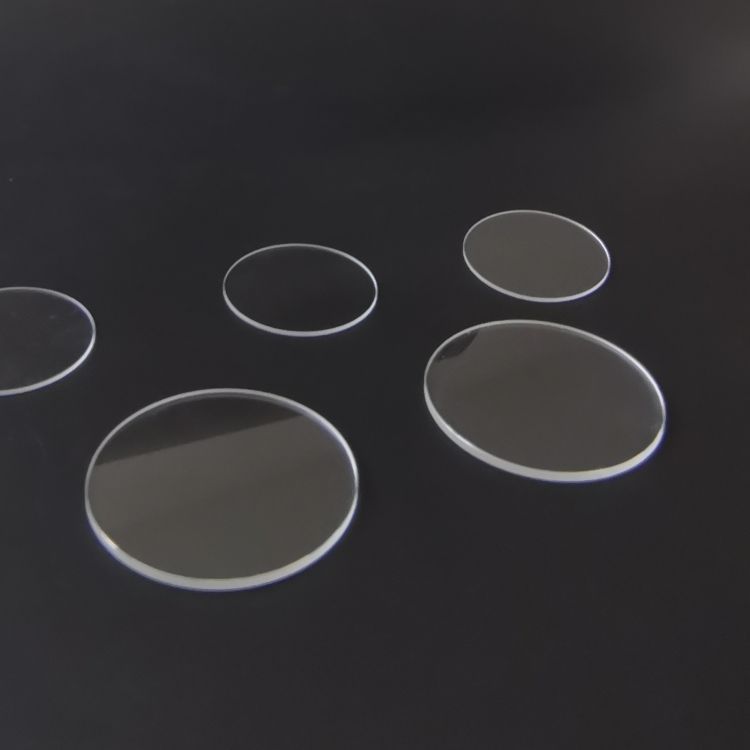
Single-crystal sapphire was selected for its combination of high-temperature capability, hardness and chemical stability. The C-plane orientation was specified for this project to support the optical and mechanical design. Material selection still depends on wavelength, mounting stress, thermal gradient and process chemistry, so the final choice should be confirmed against the complete equipment specification.
For related material guidance, review the sapphire optical windows material and product range.
Desire
Custom Sapphire Window Specification
| Substrate |
C-plane single-crystal sapphire |
| Thickness |
Custom 1.5–8 mm |
| Flatness |
λ/10 specified for the project |
| Surface quality |
20/10 scratch-dig specified for the project |
| Coating |
Double-sided IR anti-reflection coating matched to the thermal imaging band |
| Mechanical features |
CNC-machined chamfers and mounting grooves based on the camera housing drawing |
| Operating target |
Long-term operation up to 1,800°C as specified for this project; peak and mounted-system limits require engineering review |
Precision Machining for the Existing Camera Housing
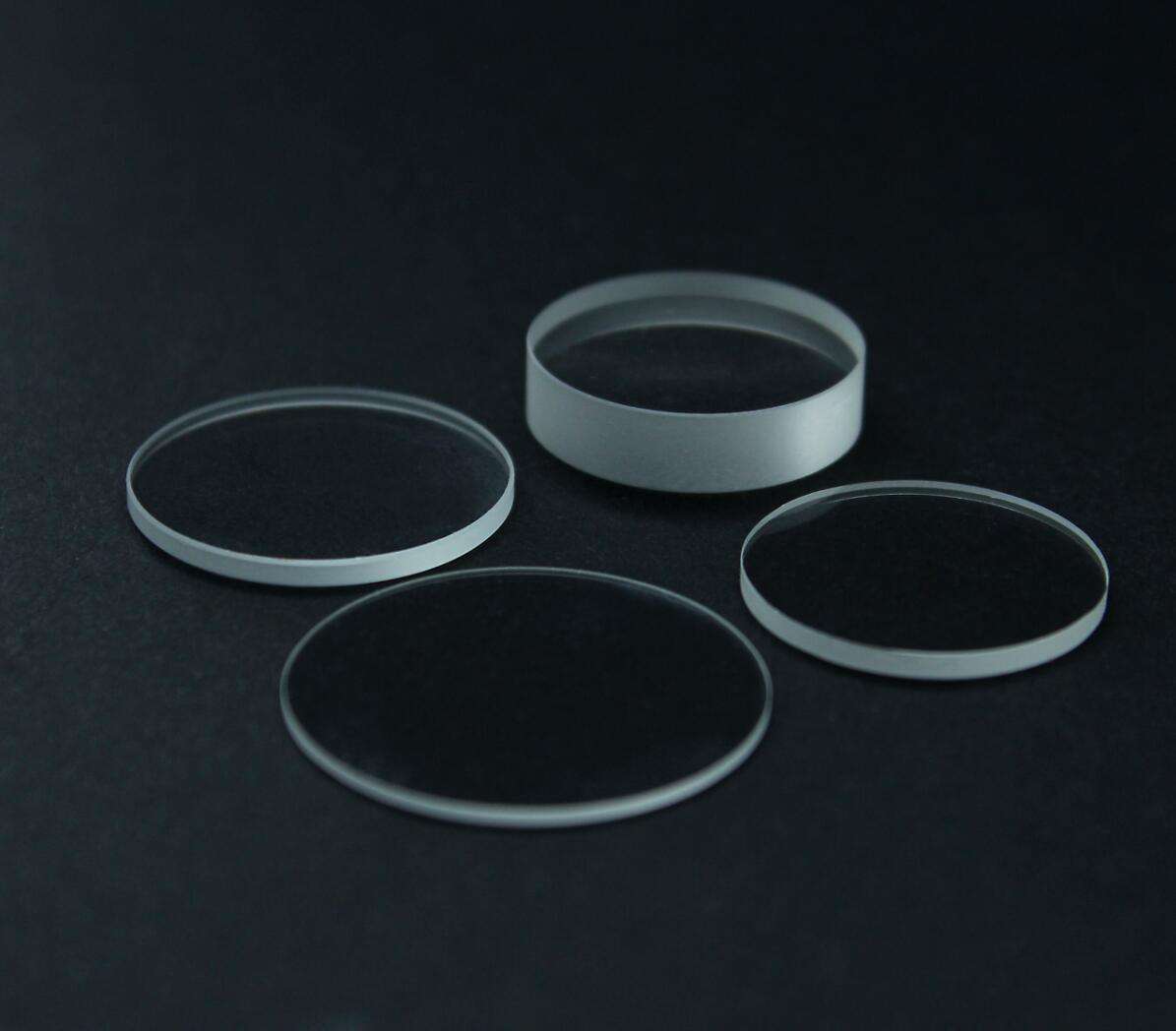
Felix Glass used the client drawing to define the window diameter, thickness, chamfer and groove geometry. Matching the installed housing at the optical-component stage helped the client avoid secondary machining and reduced assembly uncertainty.
For similar sensor assemblies, see the high-temperature industrial sensor sapphire window.
IR Anti-Reflection Coating for Thermal Monitoring
The optical stack used a double-sided IR anti-reflection coating designed around the thermal camera's working band. The project specification called for more than 92% transmission in the relevant band. Coating performance depends on substrate thickness, angle of incidence, wavelength range and service exposure; these inputs should be included in the RFQ rather than assumed from a generic coating label.
Resistance to Heat and Corrosive Furnace Atmospheres
The sapphire window was selected to withstand the combination of heat, sulfur-containing flue gas, acidic or alkaline species and metal-oxide vapor present in the application. The project reported no surface corrosion or fogging during the evaluated service period. Actual durability remains dependent on furnace chemistry, temperature gradient, sealing design and cleaning method.
See the related AR-coated sapphire protection window for thermal monitoring cameras for adjacent system-level selection factors.
Measured Results from This Furnace Camera Project
2 weeks to 12+ months
Reported change in viewport service life under full furnace load.
98% transmission
Reported stable infrared transmission for the implemented optical configuration.
76% lower monthly cost
Reported reduction in optical-component maintenance and replacement cost.
30% shorter assembly cycle
Reported improvement after standardizing dimensions to the camera housing.
These figures describe the original client's reported project outcome and are not a guarantee for other furnace systems. Results vary with temperature, atmosphere, coating band, window geometry, mounting and maintenance practice.
Where This Sapphire Viewport Approach Can Be Applied
Heat-Treatment Furnaces
Camera or pyrometer protection for continuous process observation.
Industrial Kilns
Visual and thermal inspection where dust, heat and reactive gases reach the optical path.
Smelting Systems
Protective windows for thermal-radiation detection assemblies.
Continuous Ovens
Drawing-based viewports for optical monitoring and process-control equipment.
Engineering and Procurement Checklist
Thermal Equipment R&D EngineerProvide operating and peak temperature, thermal gradient, atmosphere, wavelength band and mounting concept.
Furnace System Procurement ManagerProvide forecast quantity, sample needs, delivery schedule, documentation and packaging requirements.
Optical Component DesignerProvide clear aperture, outside dimensions, thickness, flatness, surface quality, edge form, groove details and coating target.
For additional design context, read the sapphire flatness tolerance and custom machining guide.
Engineering FAQ
What temperature can a furnace sapphire camera window withstand?
This project's C-plane sapphire window was specified for sustained operation up to 1,800°C, with short peak exposure considered up to 2,000°C. The allowable temperature of a finished assembly can be lower because coating, seal, retainer, thermal gradient and mechanical stress also set the system limit.
Does sapphire resist corrosive flue gas inside a furnace?
Single-crystal sapphire offers strong chemical stability against many acidic, alkaline and sulfur-containing furnace environments. Final suitability should be reviewed against the actual gas composition, condensates, pressure, cleaning method and exposure temperature.
Can Felix Glass match an existing furnace camera housing?
Yes. Diameter, thickness, clear aperture, chamfer, edge profile and mounting grooves can be machined from the client drawing. A sample and dimensional inspection can be used before repeat production to reduce fitting risk.
Action
Request a Furnace Sapphire Window Engineering Review
Send the camera-housing drawing, operating and peak temperatures, furnace atmosphere, wavelength band, coating target, quantity and inspection requirements. Felix Glass can review material, geometry, coating and manufacturability for a custom industrial furnace camera protection window.
Submit Your Furnace Window Requirements