What is the difference between AR, AG, and AF coatings?
- Share
- Issue Time
- Jun 4,2026
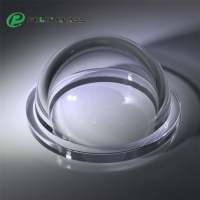
AR coatings reduce surface reflection and increase light transmission. AG coatings diffuse reflected light to reduce glare, improving readability under strong lighting. AF coatings create a hydrophobic surface that resists fingerprints, oil, and contamination. These coatings are often combined for enhanced performance.
Professional optical coatings including AR coating, AG coating, and AF coating are widely applied on precision optical glass and optical components to upgrade optical performance, visual experience, and surface durability for industrial, commercial, and consumer optical devices.
AR coating, also known as anti-reflection coating, is designed to effectively reduce unwanted surface reflection on optical glass surfaces. By minimizing reflective light loss, AR optical coating significantly increases overall light transmittance, delivering clearer optical imaging, higher light utilization rate, and improved contrast. This anti-reflection solution is essential for high-precision lenses, display glass, optical windows, and laser optical parts that require ultra-high light transmission and low reflection performance.
AG coating, or anti-glare coating, features a special micro-structure surface that diffuses incident reflected light evenly instead of generating concentrated harsh glare. The anti-glare coating greatly reduces strong light reflection and screen dazzling problems under bright lighting environments such as sunlight and indoor high-bright lamps. With optimized diffuse reflection performance, AG coated glass greatly improves screen readability, viewing comfort, and visual stability, making it ideal for display screens, touch panels, instrument panels, and outdoor optical display equipment.
AF coating, short for anti-fingerprint coating, forms a smooth and dense hydrophobic and oleophobic protective film on the glass surface. The advanced anti-fingerprint surface effectively resists fingerprints, oil stains, dust, water droplets, and daily contamination. It greatly simplifies surface cleaning, maintains long-term surface smoothness and transparency, and enhances the service life and appearance quality of optical glass components.
To achieve comprehensive and upgraded optical performance, multi-layer composite coating combinations of AR+AG, AR+AF, and AR+AG+AF are commonly customized. Combined optical coatings provide low reflection, anti-glare, high transmittance, anti-fingerprint, and anti-pollution advantages simultaneously, which perfectly meets high-standard requirements for medical displays, automotive optics, industrial touch screens, precision optical instruments, and outdoor optical equipment.