Defense & EO/IR Systems

Defense & EO/IR Systems

. Introduction

 
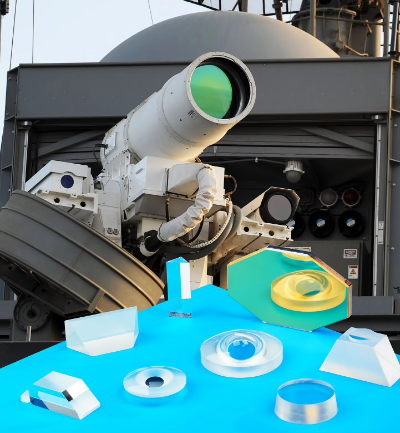
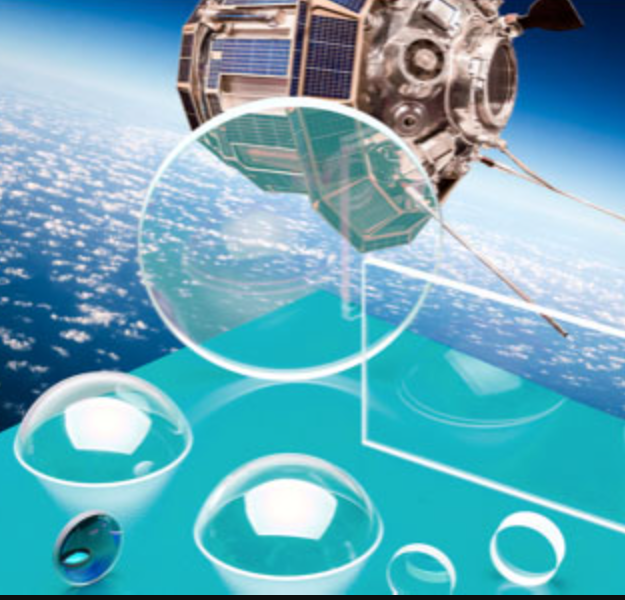
Electro-Optical and Infrared (EO/IR) systems are mission-critical sensing and imaging subsystems widely deployed in modern defense platforms, including airborne surveillance systems, unmanned aerial vehicles (UAVs), ground-based monitoring stations, naval targeting systems, and portable thermal imaging devices.
 
These systems integrate optical components into complex defense architectures for target detection, thermal imaging, night vision enhancement, reconnaissance, and precision tracking under extreme environmental and operational conditions. Optical performance directly determines system accuracy, response speed, and mission reliability.
 
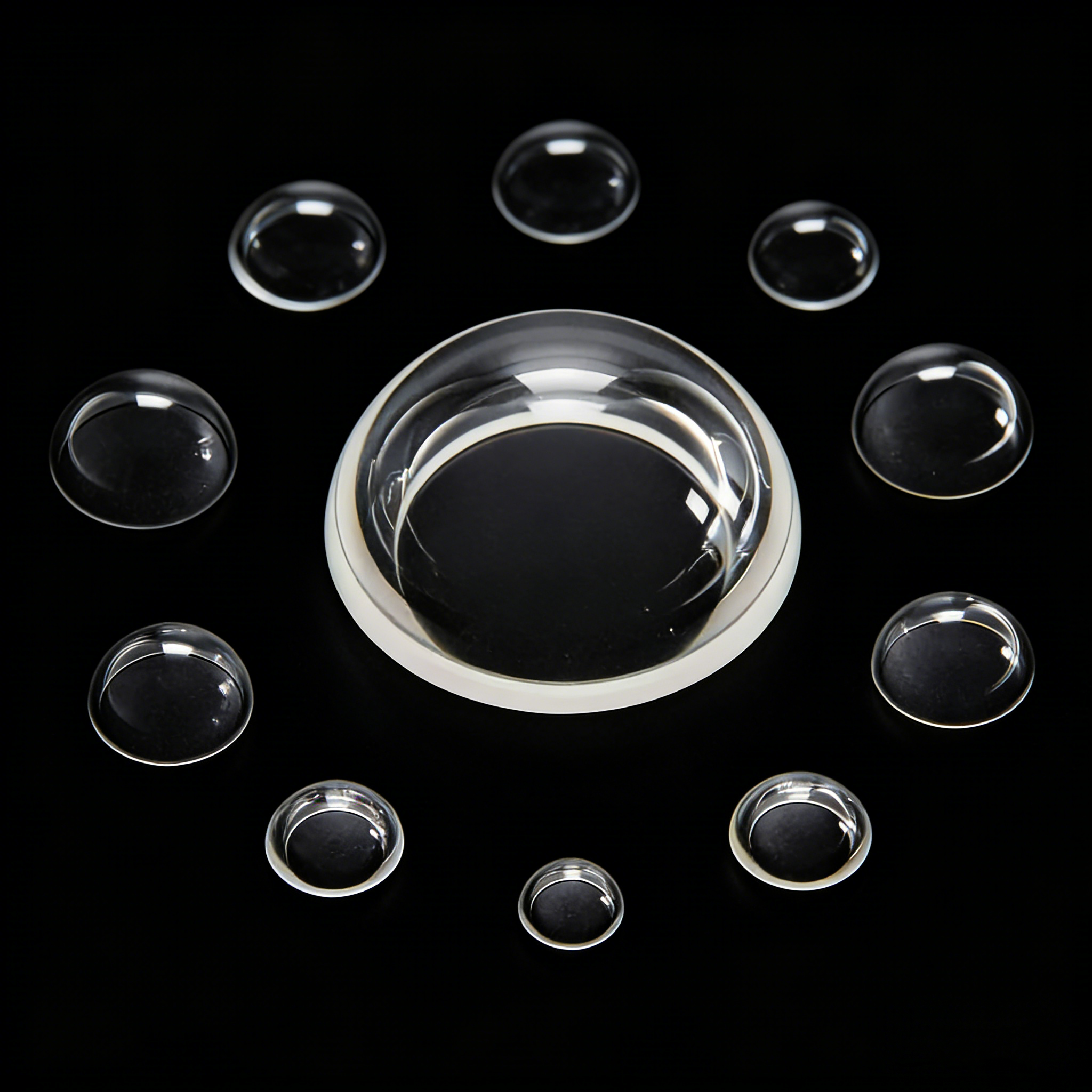
Felix Glass specializes in manufacturing high-performance EO/IR optical components including infrared windows, optical domes, precision lenses, filters, and prisms engineered for defense-grade imaging and sensing systems worldwide.
 
1.5 EO/IR System-Level Role
 
EO/IR optical components function as core sensing and transmission subsystems within defense imaging architectures. They are not standalone elements but integrated parts of thermal imaging modules, targeting systems, and surveillance payloads, where they determine system-level resolution, detection range, and signal clarity.
 
2. Industry Challenges
 
Key challenges in defense EO/IR optical systems include:
 
- Extreme operating temperature variations from desert heat to high-altitude sub-zero environments
- Continuous mechanical shock, vibration, and ballistic impact exposure
- Infrared signal attenuation caused by dust, fog, humidity, and salt fog environments
- Long-term coating degradation under UV exposure and field operation cycles
- Strict dimensional tolerance requirements for system-level optical alignment in compact defense modules
 
3. Optical Requirements
 
Typical optical requirements include:
 
- Stable transmission across SWIR, MWIR, and LWIR infrared bands
- High surface accuracy up to λ/10 @ 633nm for imaging-grade optics
- Low surface scatter (10-5 / 20-10 scratch-dig)
- High laser and infrared damage resistance
- Durable environmental coatings (AR / DLC / hard carbon coatings)
- Long-term optical stability under field deployment conditions
 
4. Procurement Considerations
 
When selecting EO/IR optical components, defense system engineers typically evaluate:
 
- Required infrared wavelength band (SWIR / MWIR / LWIR)
- Operational environment (airborne, ground, naval, desert, arctic)
- Mechanical stress level (shock, vibration, ballistic resistance)
- Coating durability and environmental degradation resistance
- Optical alignment tolerance within system integration
- Compliance with defense procurement and certification standards (MIL-STD or equivalent)
 
5. Recommended Products
 
Felix Glass provides the following EO/IR optical components:
 
- Infrared Optical Windows
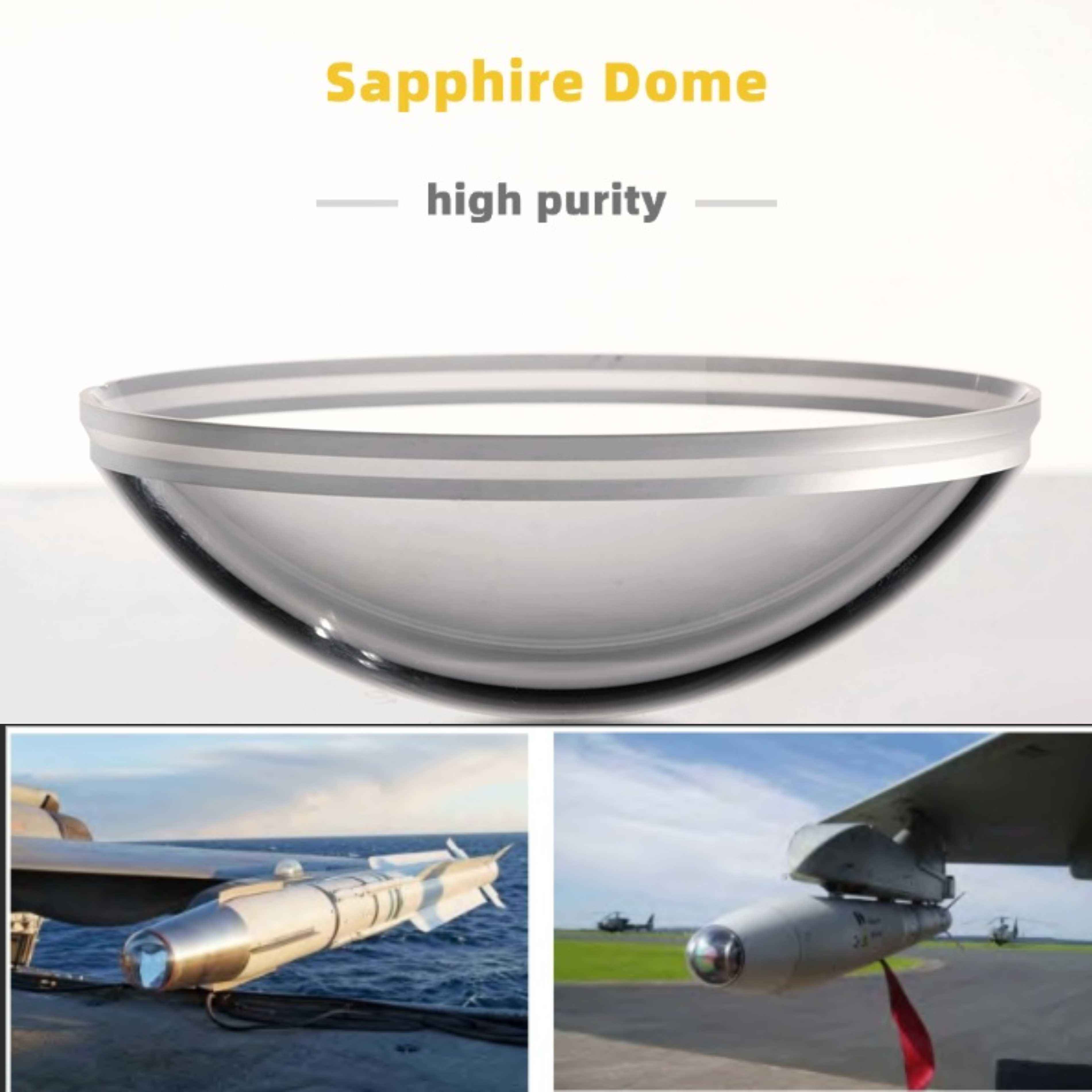
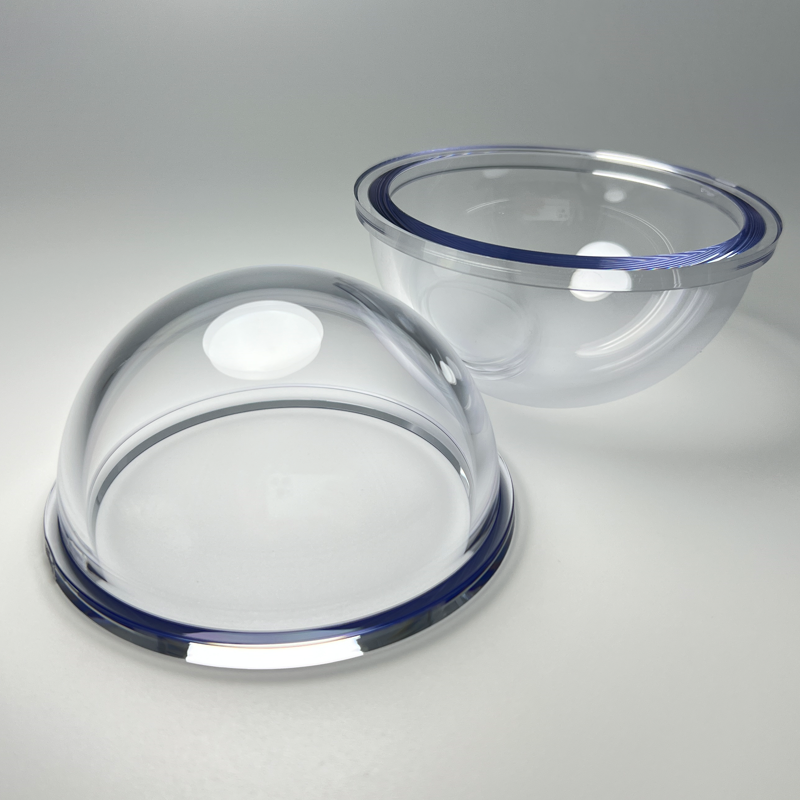
- Sapphire Optical Domes
- Germanium (Ge) Infrared Windows
- Zinc Selenide (ZnSe) Lenses
- Zinc Sulfide (ZnS) Optical Windows
- Infrared Optical Filters
- Precision Optical Prisms
 
6. Recommended Materials & Wavelength Mapping
 
Different EO/IR optical materials are selected based on infrared transmission bands and operational requirements:
 
- Sapphire: UV–MWIR applications requiring extreme hardness and high mechanical strength
- Germanium (Ge): LWIR thermal imaging and long-range infrared detection systems
- Zinc Selenide (ZnSe): MWIR laser transmission and thermal targeting systems
- Zinc Sulfide (ZnS): Multispectral infrared dome applications under harsh environmental conditions
- Fused Silica: UV–visible imaging systems with high thermal stability
 
7. Manufacturing Capabilities
 
Felix Glass provides full in-house EO/IR optical manufacturing capabilities including:
 
- Precision CNC machining for infrared optical components and complex geometries
- Ultra-precision polishing for flat, spherical, and aspherical optical surfaces
- Advanced thin-film coating systems including AR, DLC, and hard protective coatings
- Laser shaping and edge processing for domes and non-standard optical geometries
- ISO Class 5–7 cleanroom inspection and assembly
- Interferometric and profilometric metrology for optical performance verification
 
8. Quality & Compliance
 
- MIL-STD environmental testing (thermal cycling, vibration, shock resistance)
- ISO 10110 optical drawing compliance for precision optical manufacturing
- RoHS and REACH environmental compliance
- Full batch traceability with serial number tracking
- 100% final inspection of optical and dimensional performance
 
9. Optical Performance Parameters
 
Typical performance specifications:
 
- Transmission range: 0.4–14 μm (material dependent)
- Surface accuracy: λ/10 @ 633nm
- Surface quality: 10-5 / 20-10 scratch-dig
- AR coating reflectance: <0.5% within target band
- Operating temperature range: -60°C to +200°C
 
10. EO/IR System Integration Applications
 
EO/IR optical components are integrated into complete defense system architectures, including:
 
- UAV electro-optical/infrared imaging payload systems
- Vehicle-mounted thermal surveillance and targeting systems
- Handheld infrared thermal imaging devices
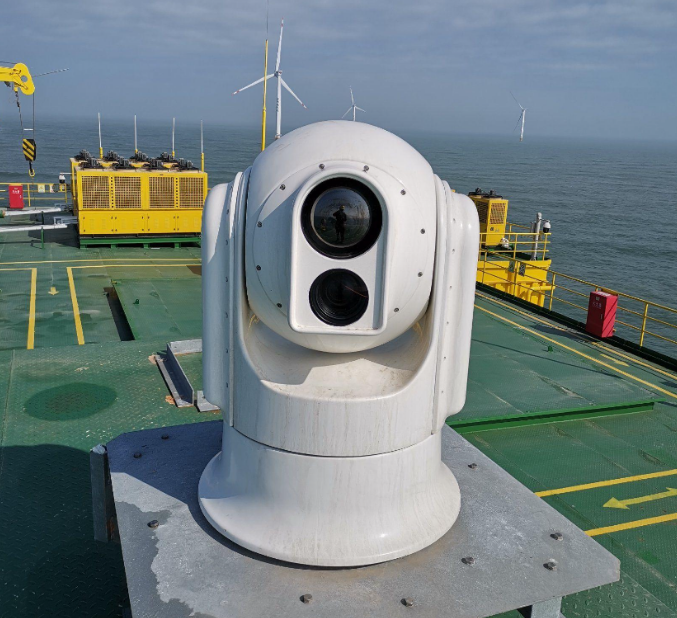
- Naval and coastal surveillance EO/IR monitoring systems
- Long-range border security and perimeter defense platforms
 
Each optical component contributes directly to system-level functions such as target acquisition, thermal detection, spatial recognition, and environmental monitoring.
 
11. Why Felix Glass
 
Felix Glass delivers vertically integrated EO/IR optical manufacturing solutions enabling:
 
- Full customization from prototype development to mass production
- Stable supply chain for high-spec defense optical systems
- Rapid engineering response for OEM/ODM defense programs
- Custom IR coating development for mission-specific requirements
- In-house production reducing multi-supplier dependency and cost
 
12. FAQ
 
Q: Can you manufacture custom infrared windows for EO/IR systems?
A: Yes, we provide fully customized infrared windows including material selection, coating design, and dimensional optimization for defense applications.
 
Q: Do you support MWIR and LWIR optical components?
A: Yes, we supply Germanium, ZnSe, and ZnS components optimized for MWIR and LWIR infrared bands.
 
Q: Can you provide military-grade coatings such as DLC?
A: Yes, we offer DLC and hard protective coatings designed for harsh defense environments.
 
Q: Do you support prototype and small batch orders?
A: Yes, we support both prototype development and full-scale production for defense OEM programs.
 
13. RFQ Section
 
To receive a technical quotation for EO/IR optical components, please provide:
 
- Technical drawings or specifications
- Required infrared wavelength range (SWIR / MWIR / LWIR)
- Operating environment conditions
- Material preferences (if known)
- Prototype or mass production quantity requirements
 
Our engineering team will respond with technical evaluation and quotation within 24–48 hours.