Felix Glass | Semiconductor Precision Optics
Semiconductor Optics: Fused Silica & Quartz Optical Components
Ultra-precision fused silica, quartz, sapphire and CaF₂ optical parts for wafer inspection, lithography alignment, metrology and plasma monitoring semiconductor equipment. Cleanroom manufactured, nanometer-level surface accuracy for chip fabrication systems.
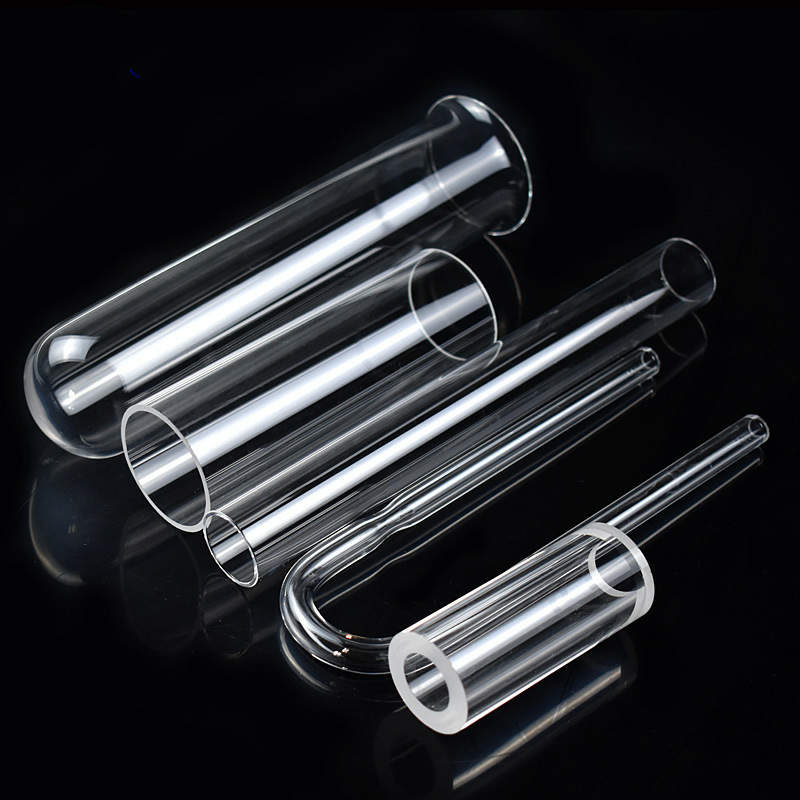
Overview of Semiconductor Optical Systems
Semiconductor manufacturing equipment relies on ultra-precision optical systems to support wafer inspection, lithography alignment, metrology measurement, and plasma processing monitoring. These optical subsystems operate at nanometer-level precision requirements, where even minimal optical distortion can directly affect chip yield and production accuracy.
As semiconductor nodes continue to shrink, optical components must deliver higher transmission stability, extreme surface precision, and contamination-free performance under high-energy and vacuum processing environments.
Felix Glass specializes in manufacturing high-precision optical components for semiconductor equipment, including quartz glass windows, fused silica optics, optical lenses, filters, and custom infrared and UV-grade optical components for global semiconductor OEMs and equipment integrators.
Role of Semiconductor Optical Components
Semiconductor optical components function as critical subsystems within wafer fabrication equipment, enabling precision imaging, alignment, and measurement at micro and nano scales. They directly determine system accuracy in lithography projection, wafer defect detection, and plasma process monitoring.
Key Industry Challenges
Nanometer Precision Demand
Tight tolerance requirements for wafer inspection and lithography alignment processes.
High Energy Exposure
Plasma and deep UV radiation accelerate degradation of standard optical materials.
Zero Contamination Standard
Strict particle control for vacuum and cleanroom semiconductor production lines.
Thermal Distortion Risk
Continuous high-power operation causes deformation of poorly selected substrates.
Core Optical Performance Requirements
- Ultra-high surface accuracy up to λ/20 for critical lithography optics
- Extremely low surface roughness (<1 nm RMS for precision optics)
- High transmission in UV, deep UV (DUV), and visible spectral ranges
- Excellent thermal stability under continuous exposure
- Contamination-free and particle-free optical surfaces
- High laser damage threshold for high-energy beam processing systems
Recommended Semiconductor Optical Products
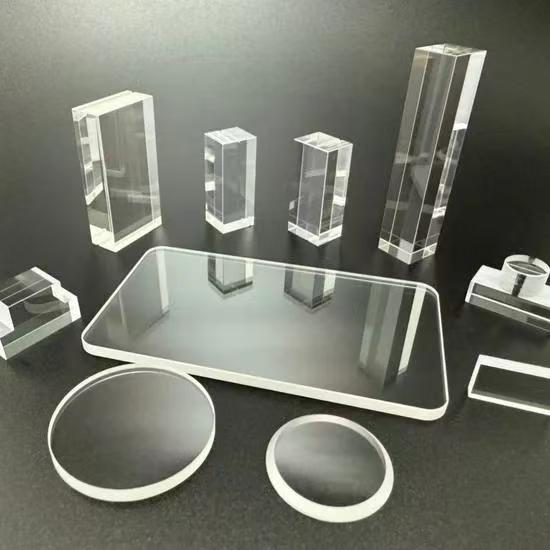
- Fused Silica Optical Windows
- High Purity Quartz Glass Components
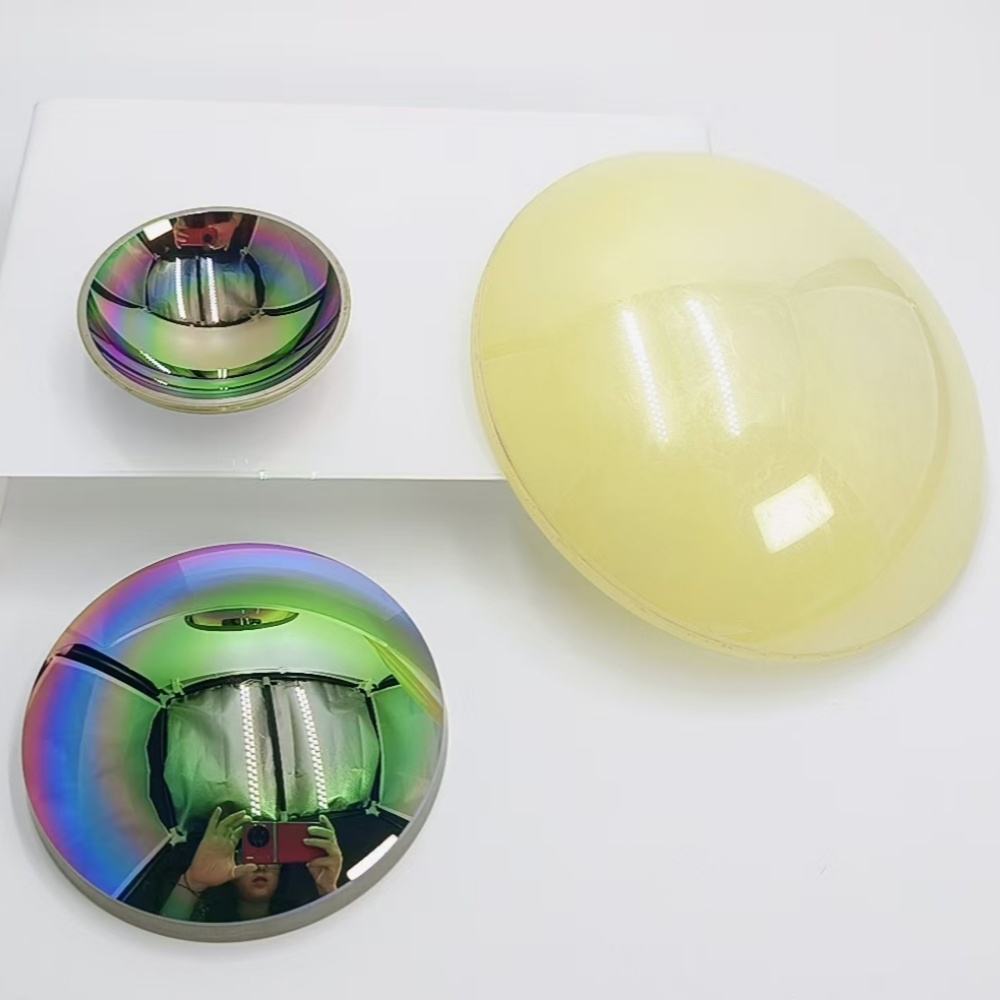
- UV & DUV Optical Lenses
- Precision Optical Filters
- Ultra-High Flatness Optical Windows
- Infrared Optical Components for Process Monitoring
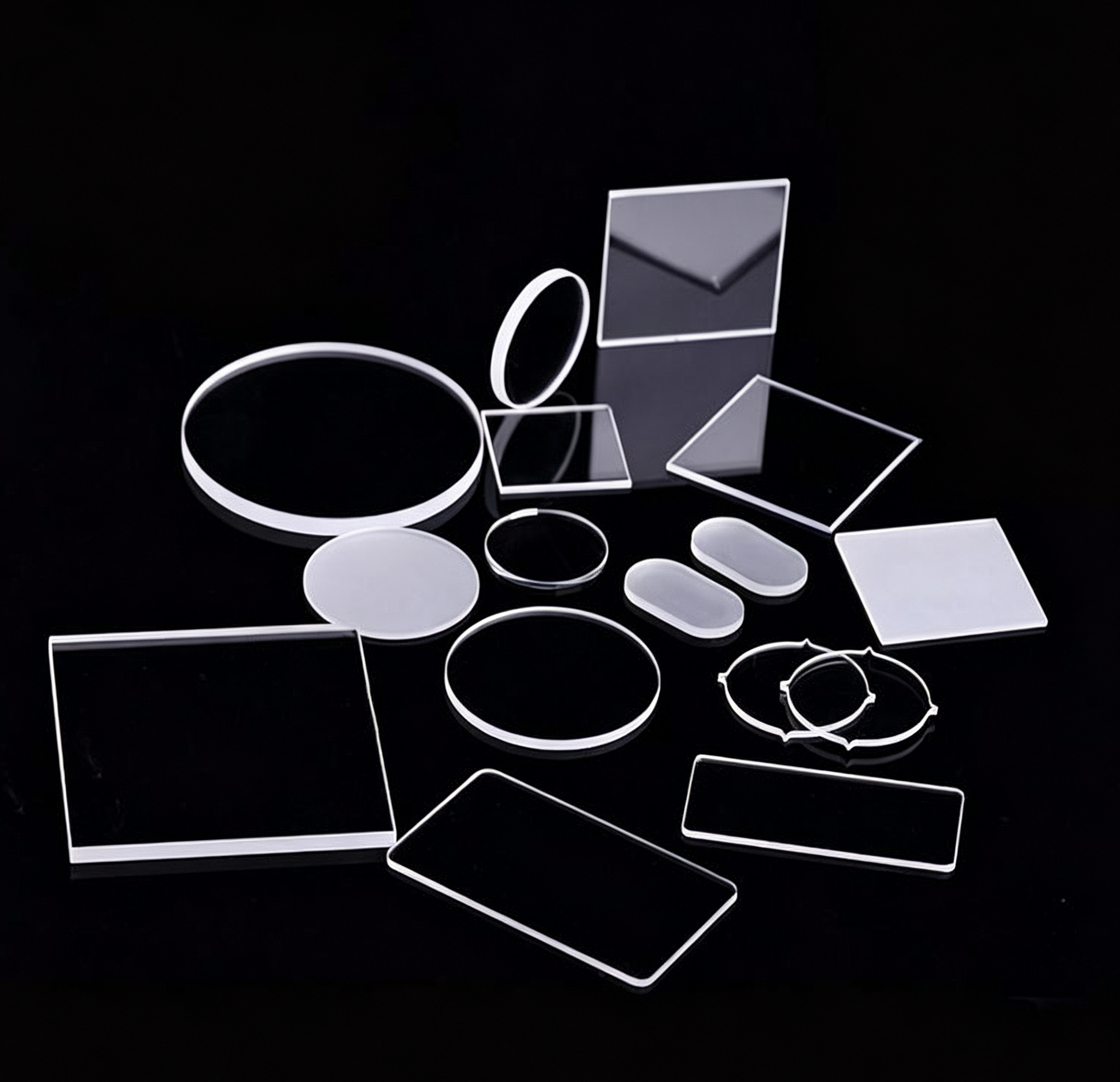
Optical Material Selection Guide
- Fused Silica: High-purity UV/DUV lithography, ultra-low thermal distortion
- Quartz Glass: Wafer inspection, outstanding chemical & thermal stability
- Sapphire: Robust optical windows for harsh plasma processing environments
- CaF₂ Calcium Fluoride: Deep UV transmission for UV lithography equipment
- BK7 Optical Glass: Visible spectrum metrology and alignment systems
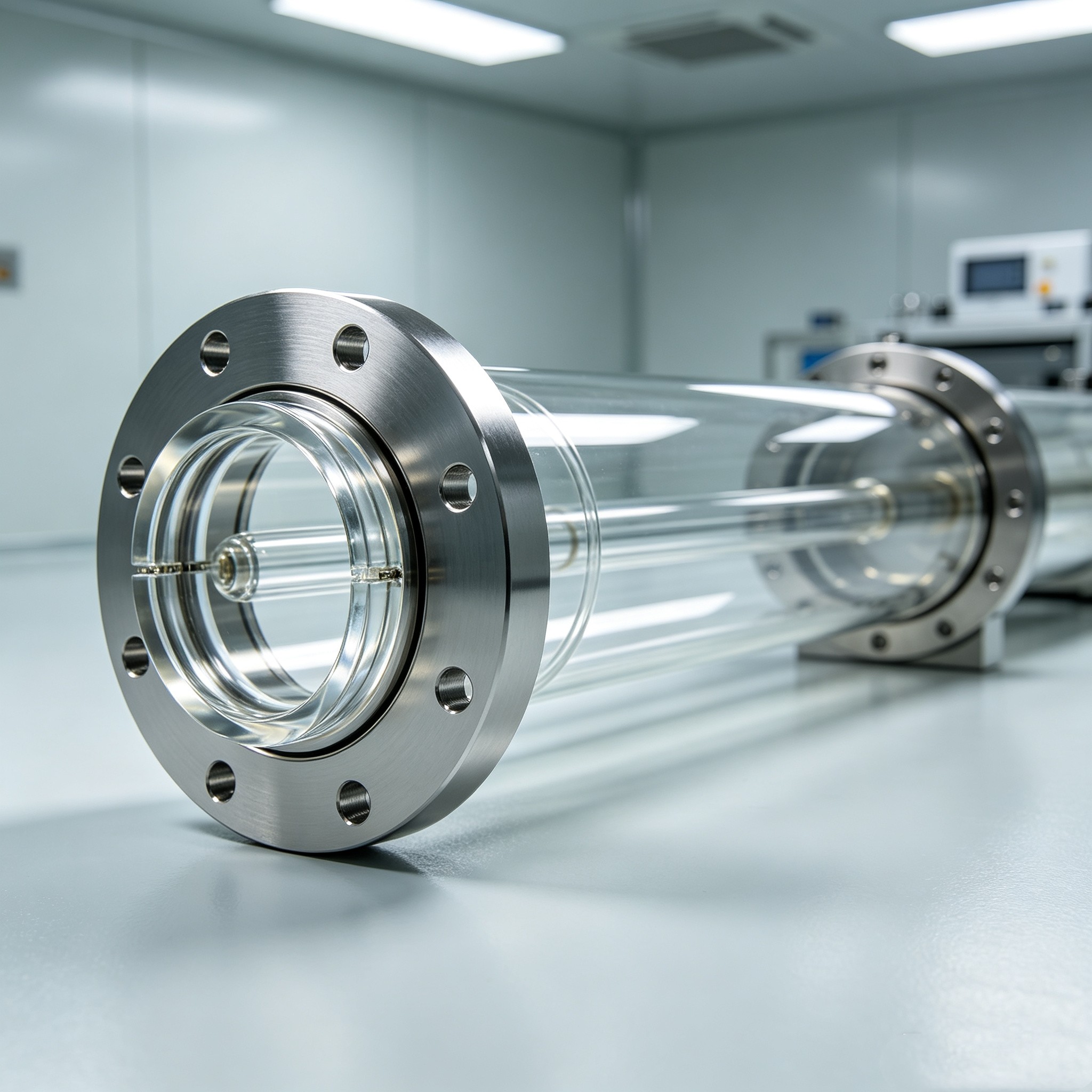
In-House Manufacturing Capabilities
Ultra-Precision CNC Machining
Fabricate high-flatness optical substrates to semiconductor tolerances.
Sub-Nanometer Polishing
Lithography-grade ultra-smooth optical surface finishing.
DUV & UV Optical Coating
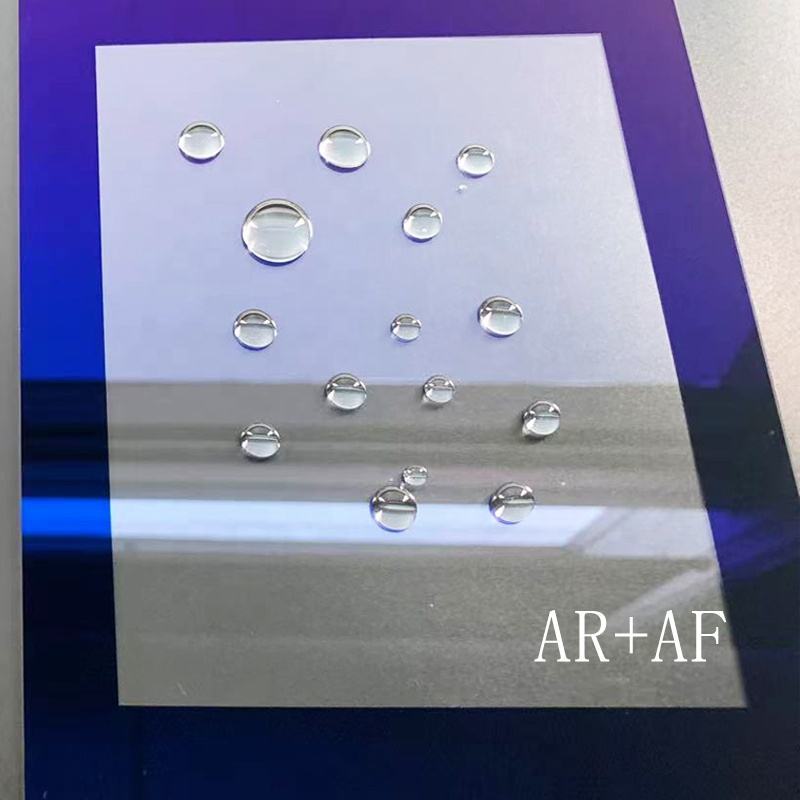
Custom anti-reflective coatings optimized for semiconductor wavelengths.
Laser Cutting & Shaping
Precision cutting for fused silica and quartz optical parts.
ISO 5~7 Cleanroom Production
Contamination-controlled manufacturing for chip equipment optics.
Interferometric Inspection
Full flatness, surface defect & scratch-dig testing before delivery.
Compliance & Quality Assurance
- ISO 10110 optical drawing standard compliance
- Complete cleanroom contamination control validation
- Particle-free final optical inspection before shipment
- RoHS & REACH compliant optical components
- Full batch traceability for quartz and fused silica products
- 100% interferometric surface performance testing
Application In Semiconductor Equipment
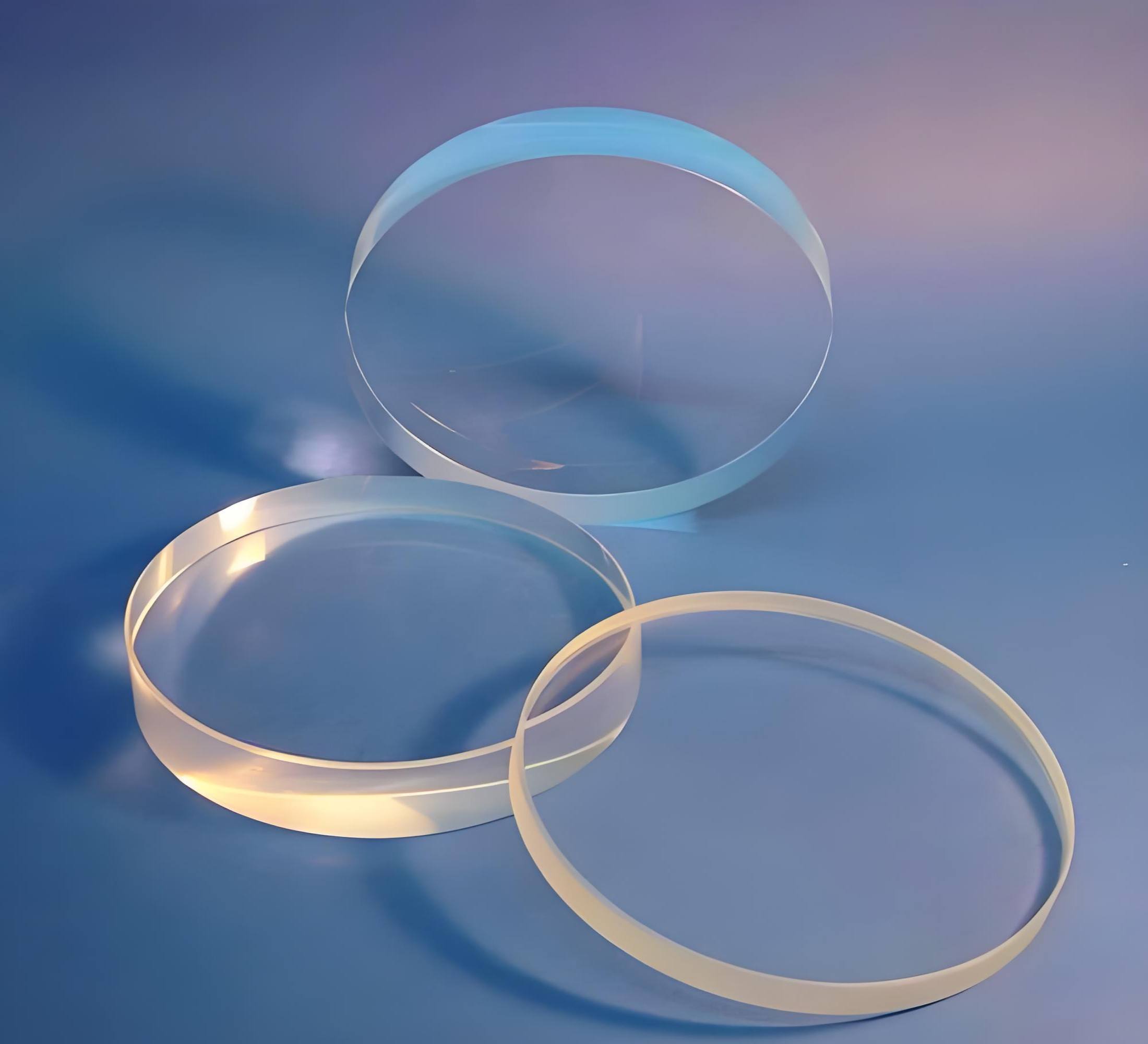
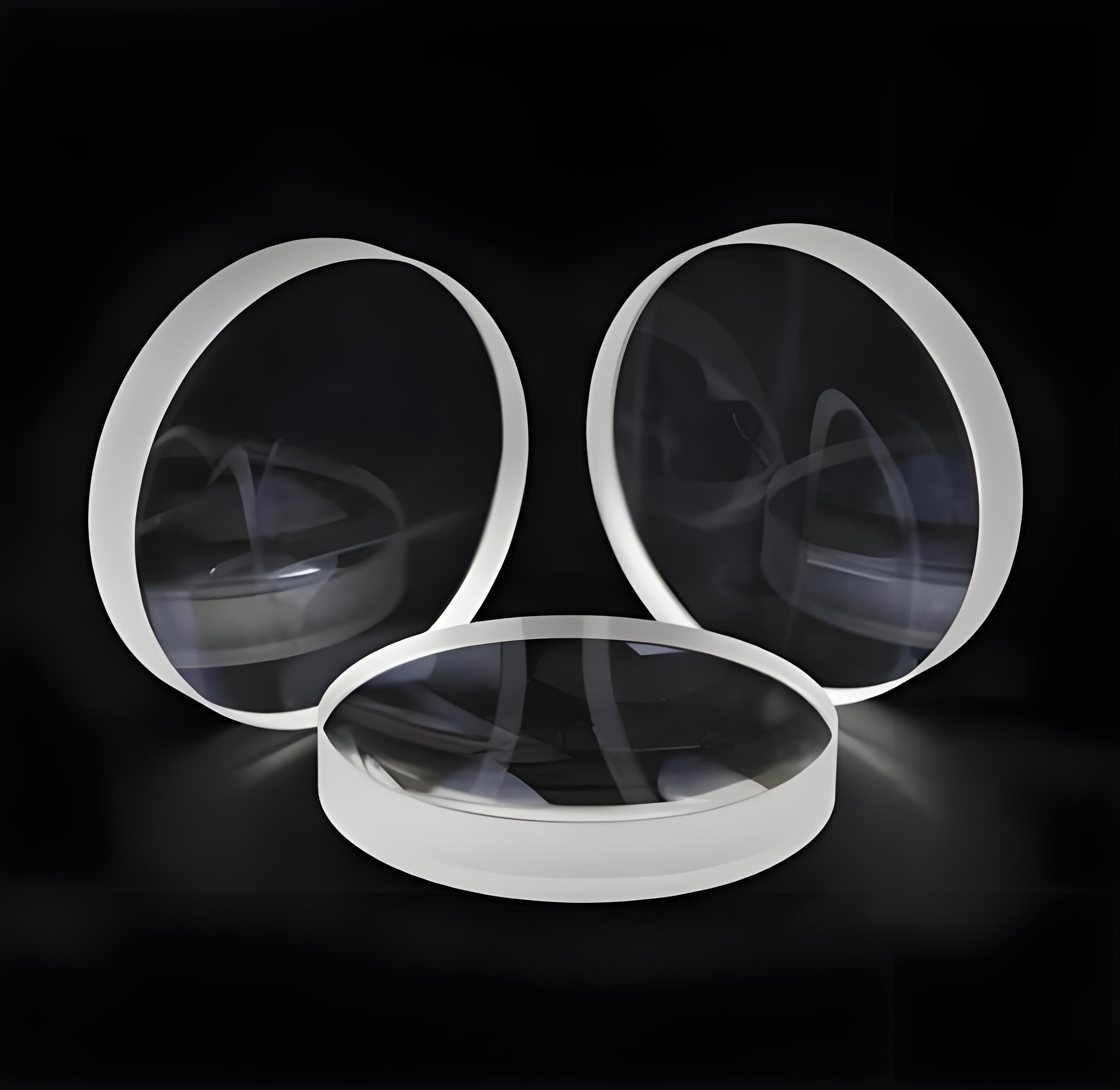
Wafer Lithography Systems
DUV optical windows, lenses for chip exposure equipment.
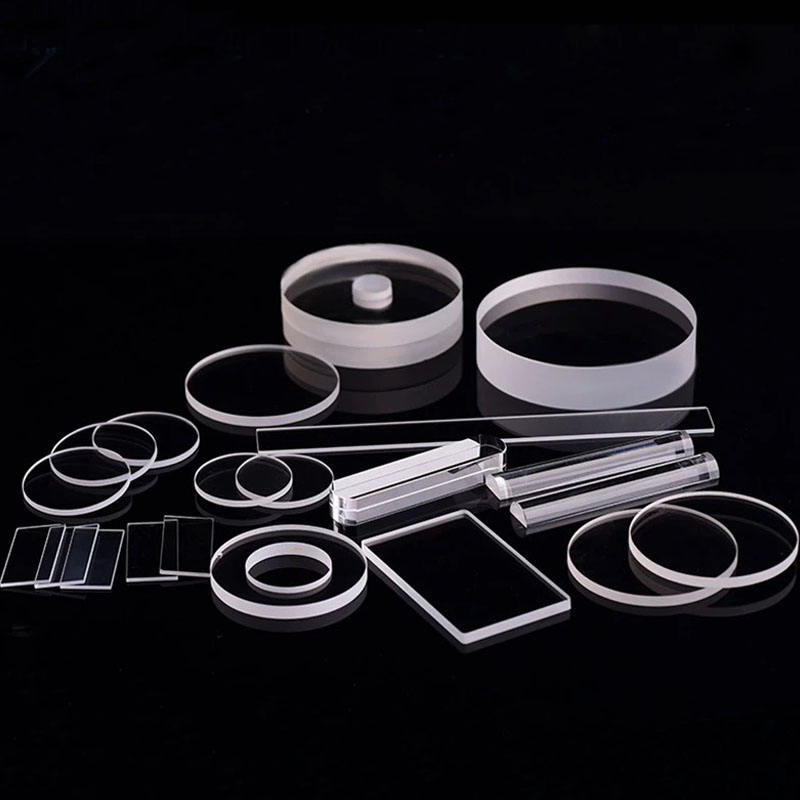
Wafer Defect Inspection
Ultra-flat fused silica viewports & imaging optics.
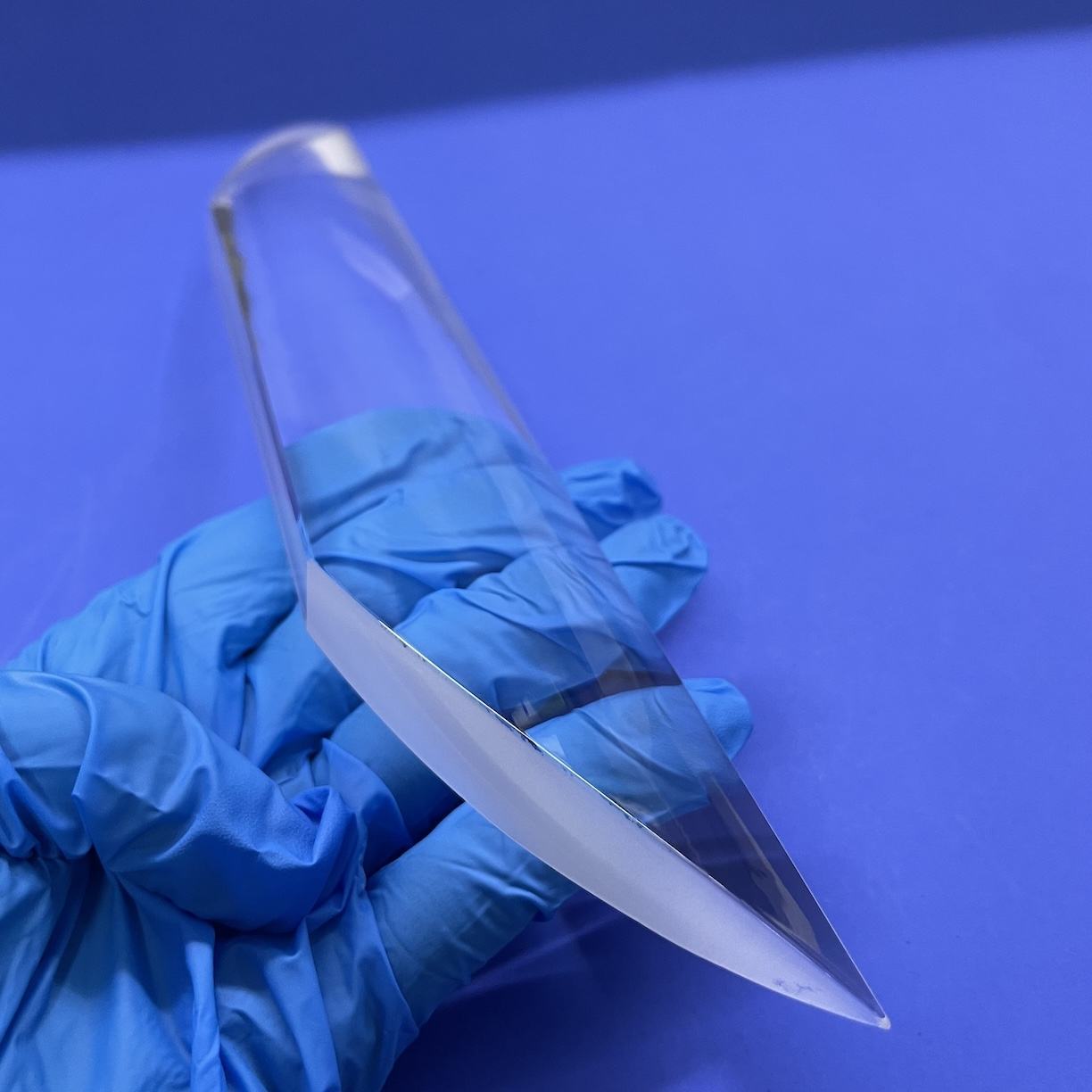
Plasma Etching Monitoring
Corrosion-resistant sapphire & quartz observation windows.
Metrology & Alignment Tools
Precision BK7 and fused silica alignment optical elements.
Why Choose Felix Glass for Semiconductor Optics?
- Vertical integrated ultra-precision optical fabrication for lithography & inspection equipment
- Stable supply of high purity fused silica, quartz, sapphire and CaF₂ raw materials
- Fast prototype support for semiconductor equipment OEM developers
- Contamination-free cleanroom production for high-end optical assemblies
- Full process in-house control to balance precision and cost efficiency
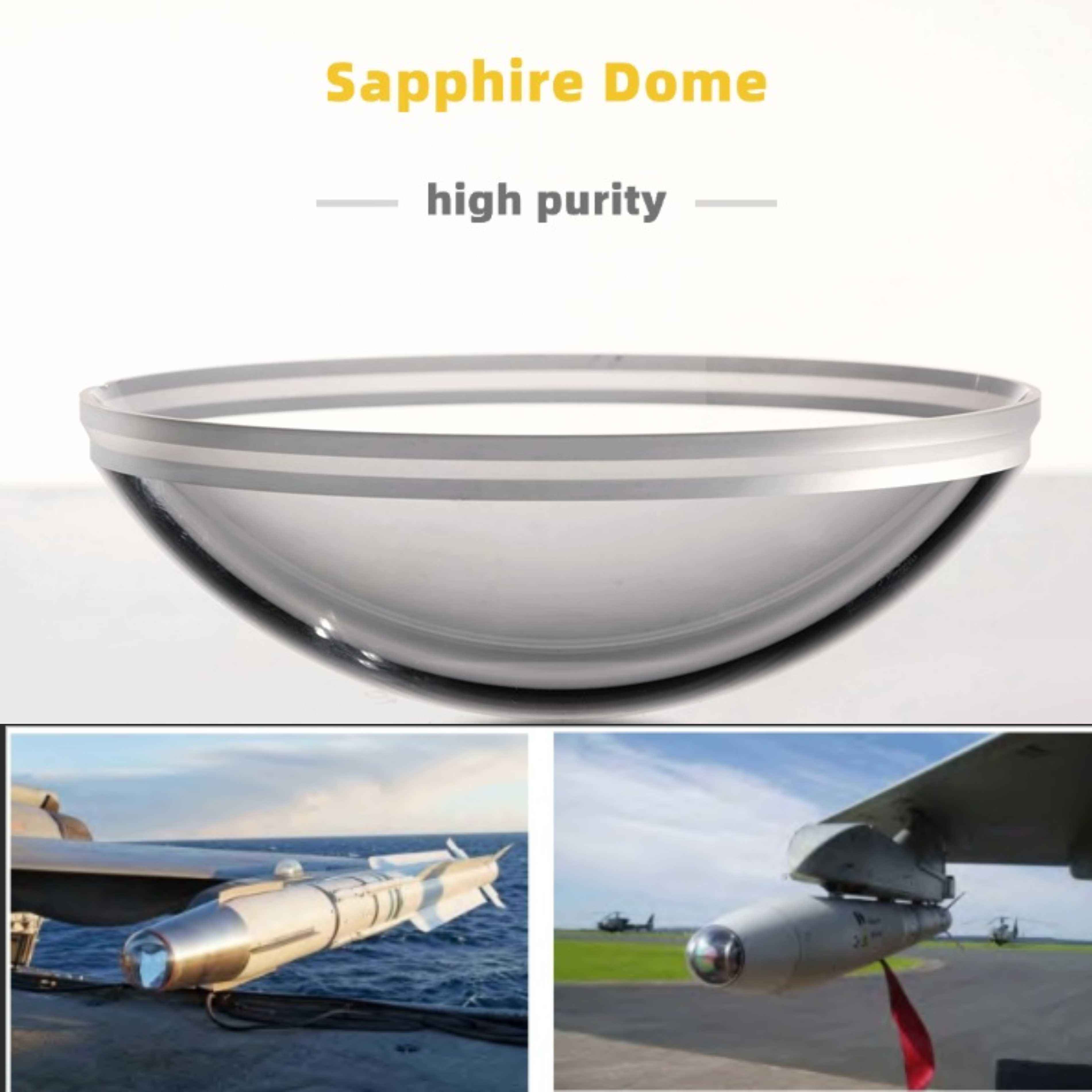
Related Precision Optical Components
Frequently Asked Questions
Q: Can you produce ultra-flat quartz windows for wafer inspection?
A: Yes, we manufacture ultra-high flatness fused silica & quartz windows with sub-nanometer precision for semiconductor inspection equipment.
Q: Do you support DUV & deep ultraviolet optical components?
A: We provide high purity fused silica and CaF₂ optics optimized for UV and DUV lithography systems.
Q: Can components meet cleanroom-grade standards?
A: All semiconductor optics are fabricated inside ISO Class 5~7 cleanroom workshops with strict particle control.
Q: Custom optical drawing support for OEM equipment makers?
A: Fully custom optical manufacturing, support OEM semiconductor equipment drawing specifications.
Submit Your Technical RFQ
To obtain a quotation for semiconductor optical components, please provide the following information:
- Optical engineering drawings and formal specifications
- Target working wavelength (DUV / UV / Visible / IR)
- Required surface flatness & surface figure accuracy
- Cleanroom contamination grade requirements
- Order quantity: prototype sampling or mass volume production
Our optical engineering team will provide technical evaluation and formal quotation within 24–48 working hours.