Underwater Optical Dome Manufacturer
- Share
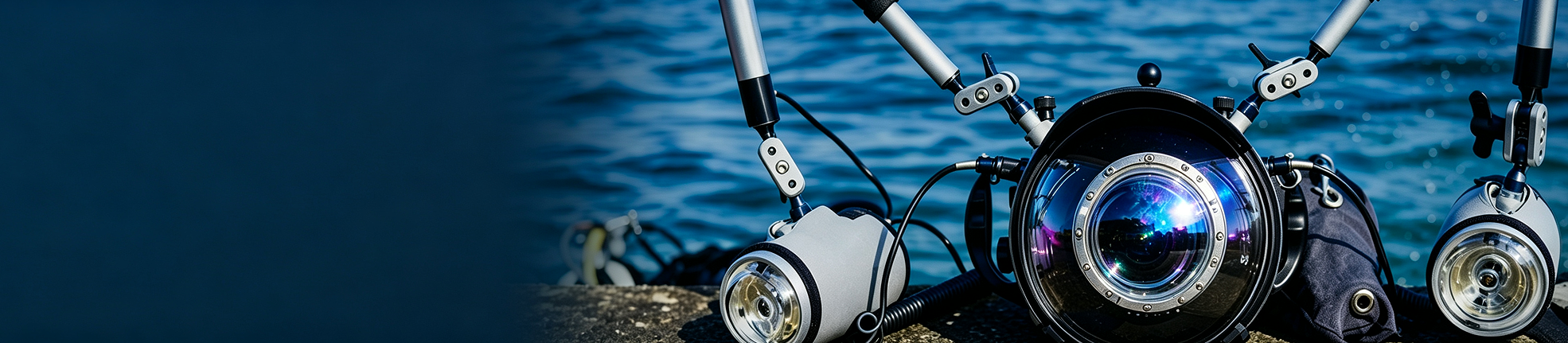
Core Pain Points For Subsea Optical Dome Deployment
Poor dome performance leads to scratch, rupture or image degradation in harsh marine environments.
Seawater corrosion shortens service life
Hydrostatic pressure causes dome rupture at depth
Seabed sediment abrasion scratches optical surface
Low transmittance blurs underwater imaging quality
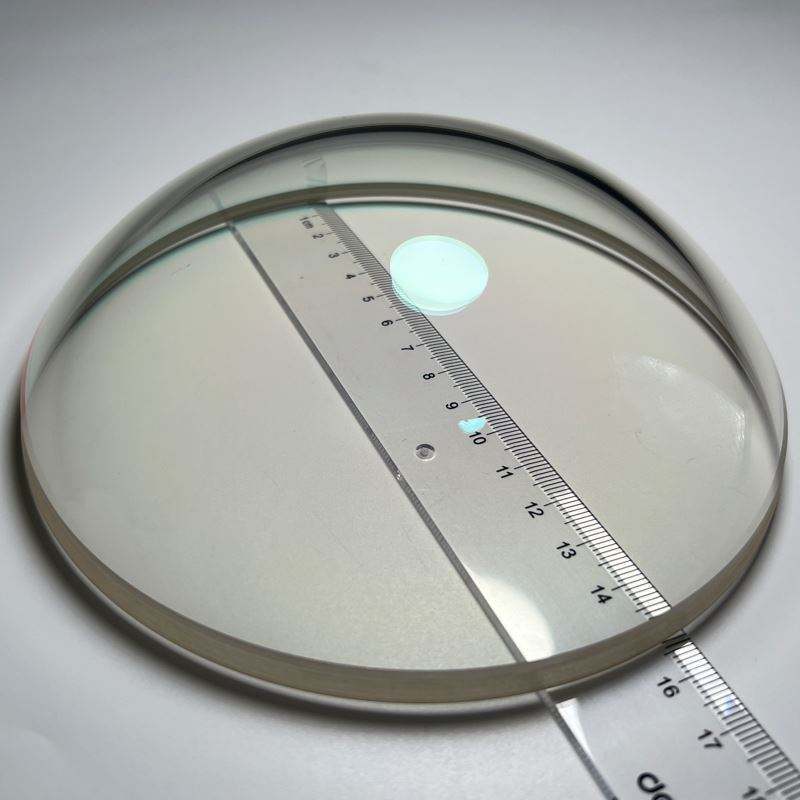
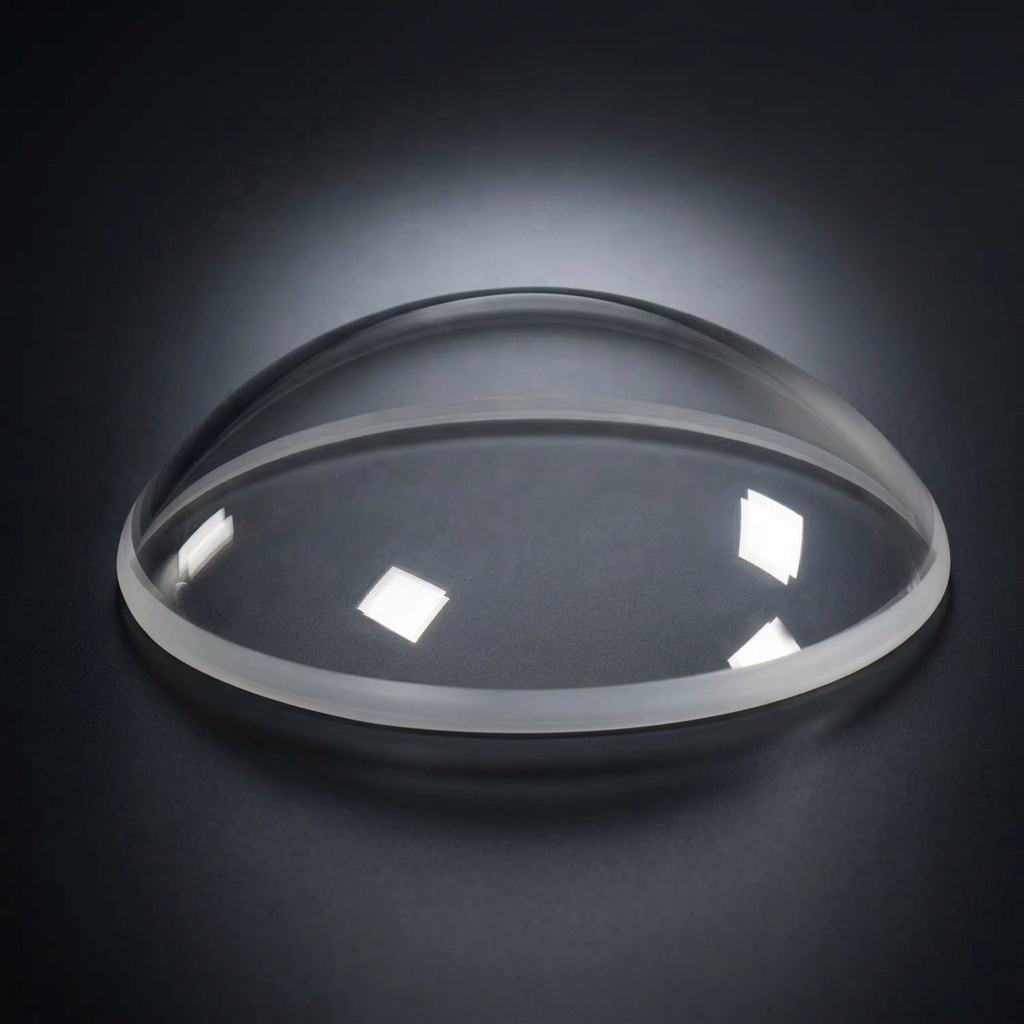
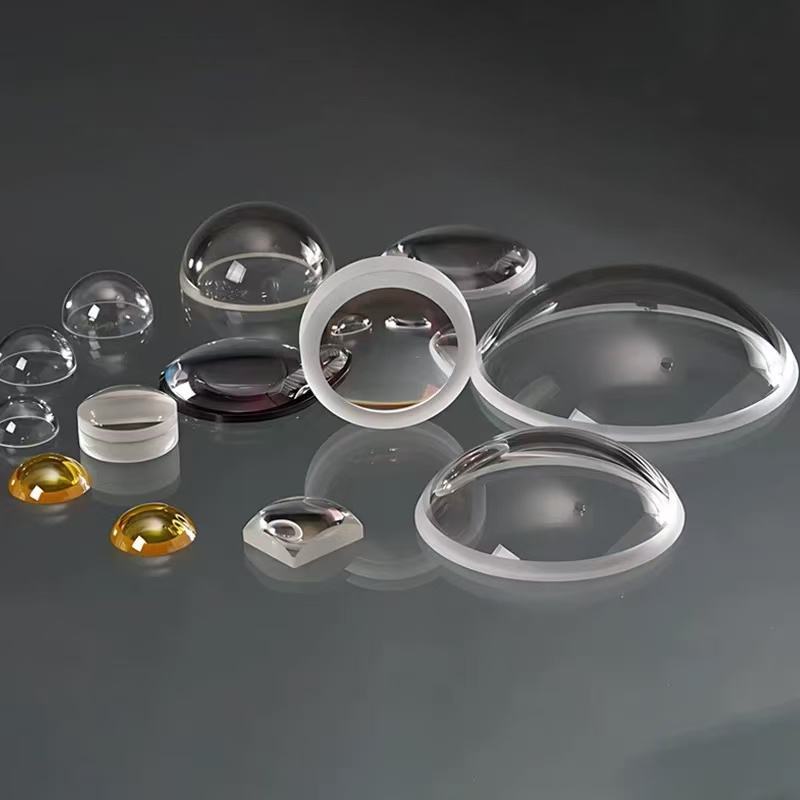
Custom Underwater Optical Dome & Subsea Dome Lens
ROV camera dome available in sapphire, fused silica and BK7 with custom coating and sealing interface.
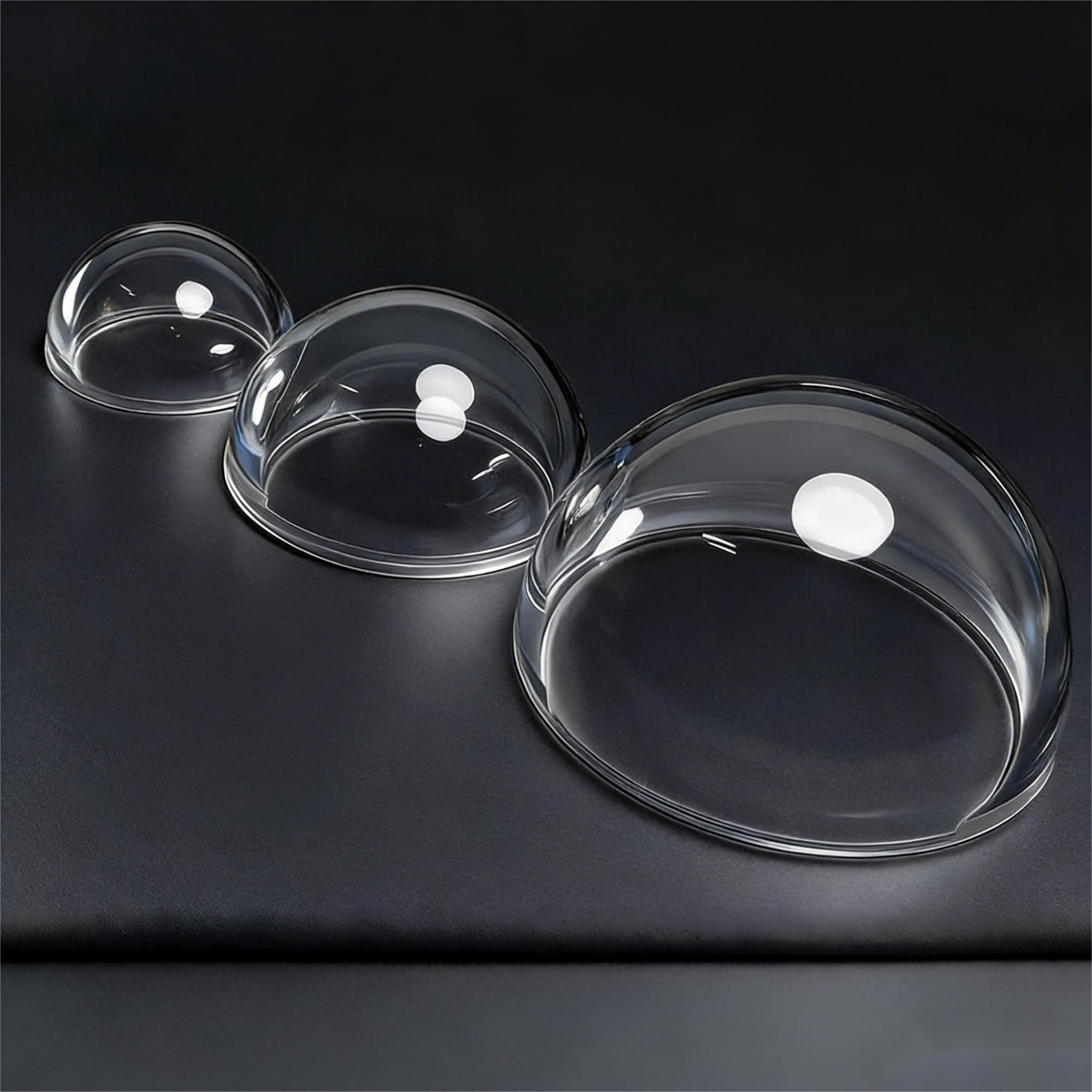
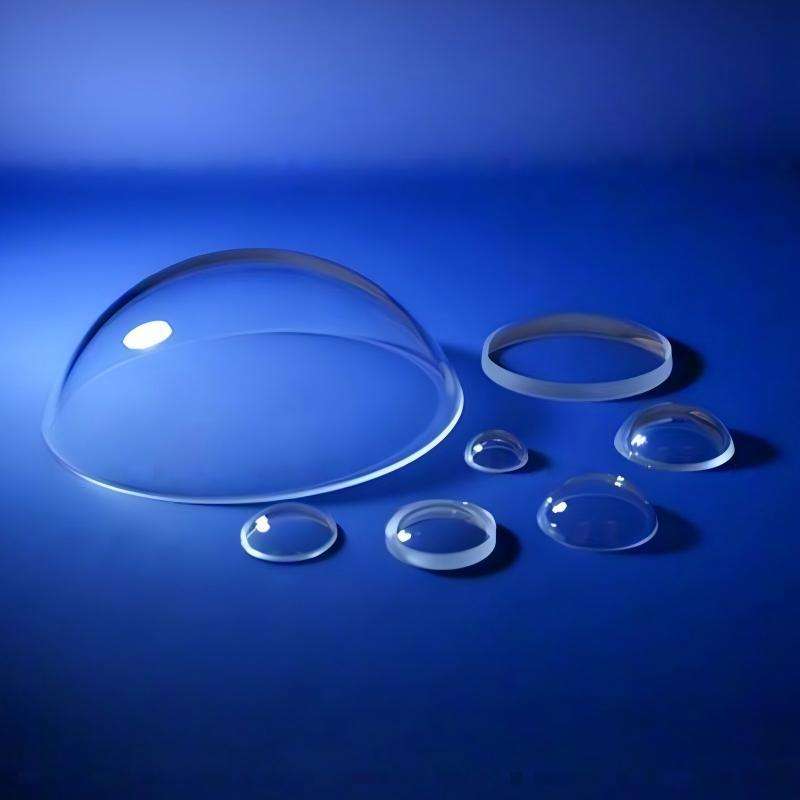
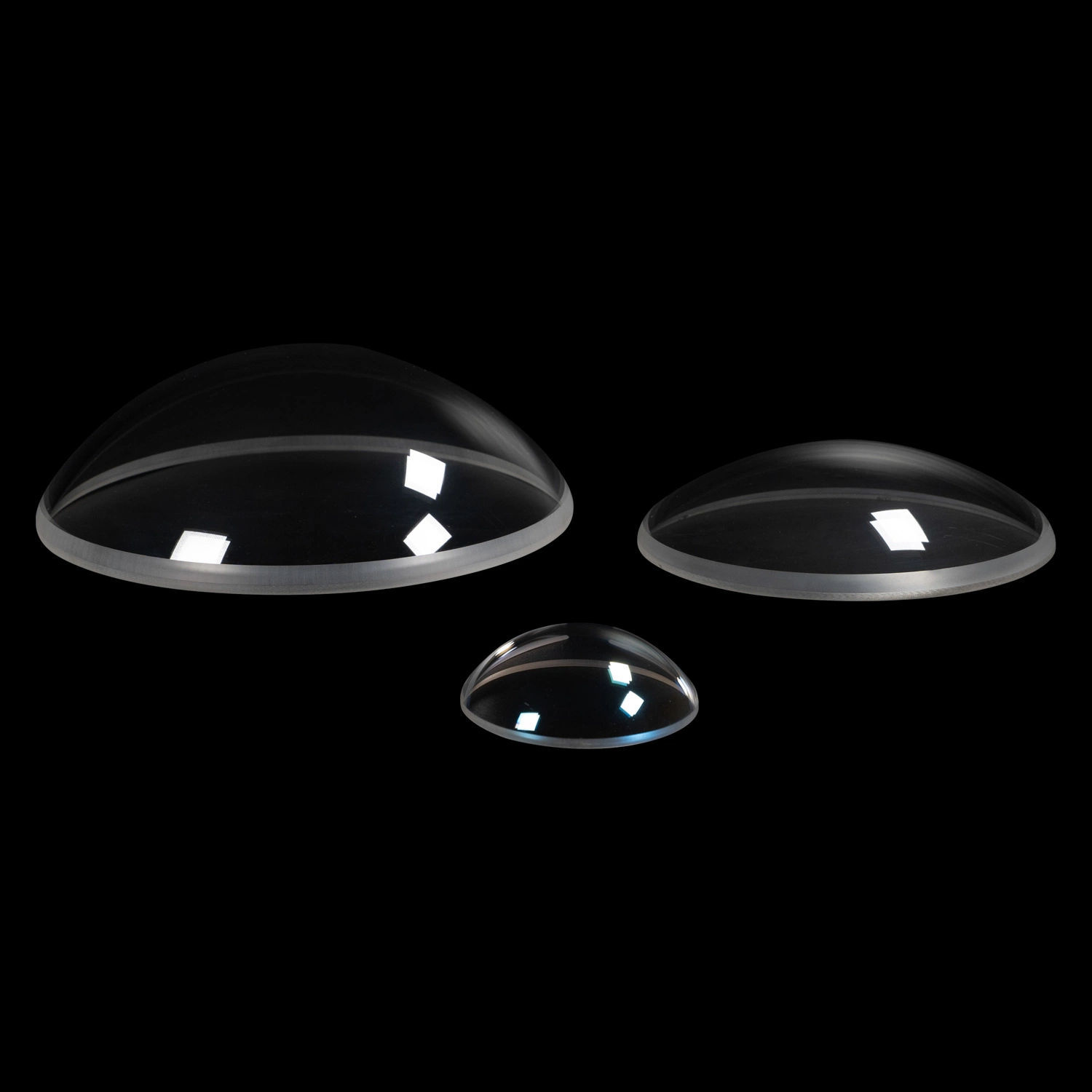
Underwater Optical Dome Application Solutions
The dome design should match the camera field of view, spectral band, pressure environment and mechanical enclosure.
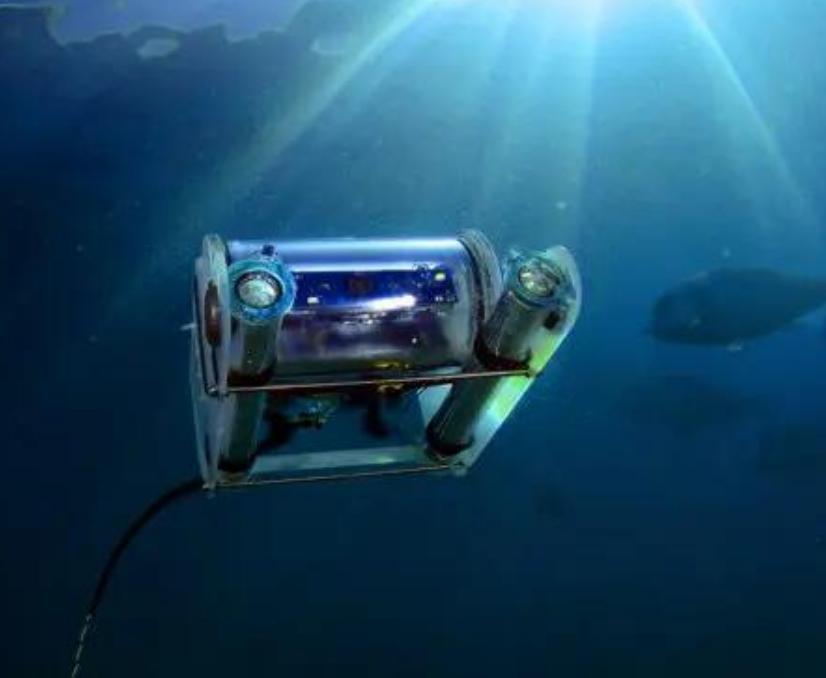
ROV & AUV Camera Systems
Custom hemispherical or flanged domes for navigation, inspection and observation cameras where wide field of view and a reliable housing interface are required.
Subsea Scientific Imaging
Fused silica, sapphire or optical-glass solutions for marine biology, underwater spectral observation and long-duration monitoring instruments.
Offshore Inspection Equipment
Protective optical domes for pipeline, structure and equipment inspection systems exposed to salt water, sediment and repeated handling.
Underwater Lighting & Sensors
Dome geometries can be evaluated for illumination, imaging or optical sensing modules with application-specific transmission and coating targets.
All-Sky & Harsh-Environment Cameras
Scratch-resistant dome options for outdoor imaging systems exposed to windblown particles, rain, hail and repeated cleaning.
Custom Research Equipment
Prototype and repeat-production support for drawing-controlled optical ports, specialized housings and experimental imaging assemblies.
Material Selection for Underwater & Subsea Optical Dome
Material selection depends on wavelength, dome geometry, pressure requirement, abrasion exposure, temperature and project budget. Working depth must be verified for the complete dome and mounting assembly.
| Material | Engineering Consideration | Core Strength | Main Limitation | Typical Application |
|---|---|---|---|---|
| Sapphire | High-pressure and abrasive marine environments, subject to structural verification | Mohs 9 hardness, abrasion resistance and high mechanical strength | Higher cost for large‑size parts | ROV, AUV, subsea imaging and protective optical ports |
| Fused Silica | UV-to-visible imaging and low-thermal-expansion requirements | Broad spectral transmission, low thermal expansion and low birefringence | Lower abrasion resistance than sapphire | Underwater UV imaging, scientific instruments and camera housings |
| BK7 Optical Glass | Cost-sensitive visible imaging under verified pressure conditions | Good visible-light performance and economical prototyping | Lower hardness and narrower UV transmission than fused silica | Controlled-duration underwater cameras and prototype systems |
Information Needed for an Engineering Review
Providing these details helps us evaluate manufacturability, identify missing tolerances and prepare a useful quotation.
Dome Geometry
Outer diameter, inner diameter, outer and inner radii, wall thickness, dome height, flange diameter, flange thickness and clear aperture.
Optical Requirements
Wavelength range, transmission target, surface quality, surface or wavefront accuracy, coating target and angle of incidence.
Operating Environment
Working depth or external pressure, internal pressure, temperature range, seawater exposure, abrasion risk and expected service duration.
Mechanical Interface
Housing dimensions, sealing method, O-ring location, clamping arrangement, adhesive requirements and allowable edge geometry.
Inspection & Validation
Drawing standard, acceptance criteria, dimensional report, coating data, pressure-test requirement and any third-party inspection need.
Commercial Information
Prototype quantity, forecast volume, target delivery schedule, destination country and any packaging or traceability requirement.
Key Advantages of Our Custom Subsea Optical Dome
Deliver reliable optical dome solutions matched to your subsea operating conditions.
Marine‑Grade Seawater & Salt‑fog Resistance
Sapphire offers excellent chemical stability and abrasion resistance. Fused silica and optical glass can be evaluated for projects with different spectral, mechanical and budget priorities.
Custom Hydrostatic Pressure Resistance
Pressure suitability is evaluated from material properties, diameter, inner and outer radii, wall thickness, flange transition, mounting loads and the required safety factor. Pressure testing can be discussed as part of the inspection plan.
Abrasion‑Resistant Optical Surface
Mohs‑9 sapphire resists seabed sediment scouring. Fused silica and BK7 have lower hardness for low‑sediment underwater environments.
High Transmittance With Custom AR‑Coating
Single-sided or double-sided AR coatings can be designed around the specified wavelength range and angle of incidence. Transmission targets are confirmed after material, thickness and coating requirements are defined.
CNC Precision Custom Machining
Custom diameter, wall thickness, radius and sealing flange geometry to fit your existing ROV / AUV mechanical assembly.
Stable Optical Performance Under Wide Temperature
Material choice, dome concentricity and controlled wall thickness help manage optical distortion. Final performance requirements should be stated for the complete imaging system.
Underwater Optical Dome Technical Specifications
Reference parameters for custom‑made ROV and subsea camera dome.
| Available Material | Sapphire / Fused Silica / BK7 |
|---|---|
| Working Depth / Pressure | Evaluated from geometry, mounting, safety factor and test requirements |
| Surface Transmittance | Defined by material, thickness, wavelength, angle and coating design |
| Coating Options | Single‑sided / Double‑sided AR Coating |
| Diameter Range | Drawing-based; feasibility confirmed after geometry review |
| Machining Tolerance | Drawing-based and dependent on size, material and geometry |
| Typical Application | ROV, AUV, underwater camera, marine observation station |
Full‑Cycle Manufacturing Process for Subsea Optical Dome
A controlled production route from drawing review and precision processing through coating and agreed final inspection.
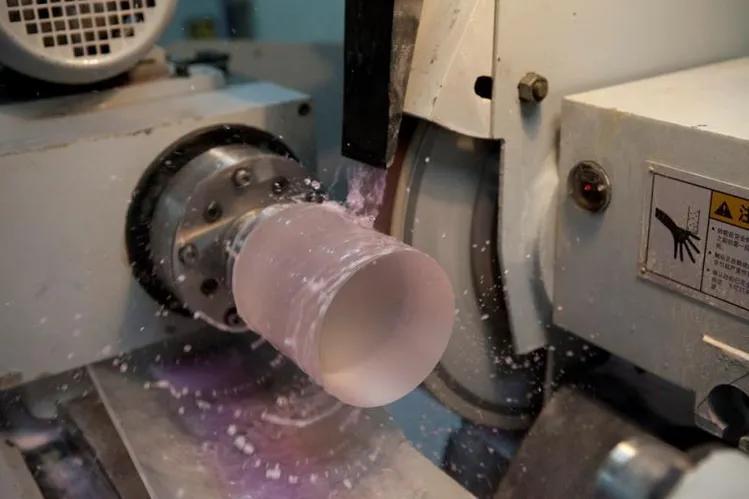
CNC Precision Machining
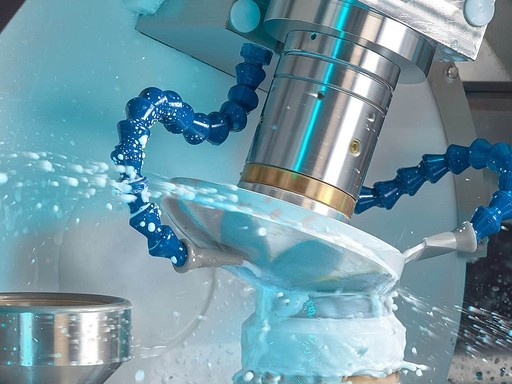
Ultra‑Precision Grinding
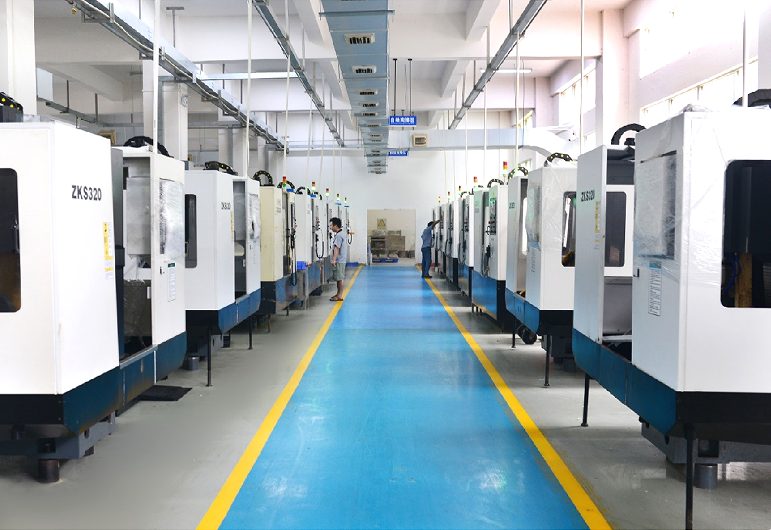
Optical Polishing
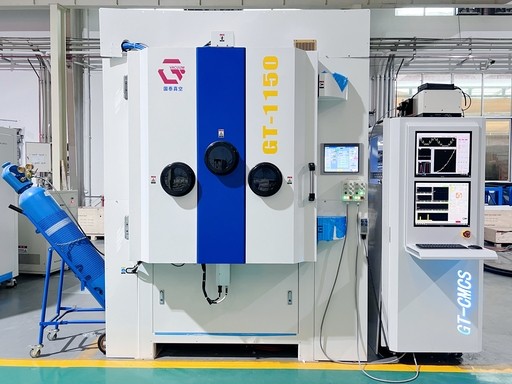
AR Coating Process
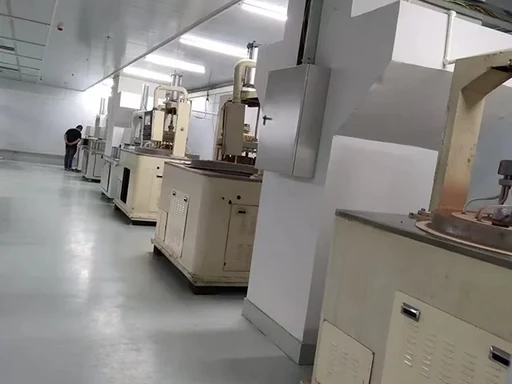
Drawing-Based Inspection
Inspection & Documentation for Custom Dome Projects
The inspection scope is agreed before production and aligned with the approved drawing, coating specification and end-use requirements.
Dimensional Inspection
Diameter, height, wall thickness, radii, flange geometry and other drawing dimensions can be recorded according to the agreed inspection plan.
Surface Quality
Polished optical surfaces are inspected against the specified scratch-dig or agreed cosmetic acceptance criteria.
Optical Performance
Transmission or coating performance can be evaluated when specified with wavelength range, angle and acceptance limits.
Geometry & Concentricity
Inner and outer surface relationships are controlled according to the drawing to support consistent wall thickness.
Pressure Validation
Pressure-test requirements should define pressure level, hold time, medium, fixture, acceptance criteria and required safety factor.
Project Documents
Material, dimensional, coating or inspection records may be supplied when included in the quotation and purchase specification.
Why Choose Felix Glass For Subsea Optical Dome Manufacturing
Custom‑manufactured underwater optical domes for global marine engineering customers.
19+ Years Experience
Direct support from James Fu, International Sales Director with 19+ years of optical-industry experience
Drawing Review
Geometry, material, coating and inspection requirements reviewed before quotation
Prototype & OEM
Support low‑volume sample and mass production orders
Agreed Inspection Plan
Dimensional and optical checks aligned with the purchase specification
Full Customization
Material, geometry, finish and coating options evaluated from your drawing
FAQ | Custom Underwater Optical Dome for ROV & Subsea
Can you produce an ROV optical dome from our CAD drawing?
A: Yes. We customize dome radius, diameter, wall thickness and sealing flange geometry based on your CAD files or technical specifications.
How is the required working depth determined?
A: Working depth cannot be assigned from material alone. It must be evaluated from dome geometry, wall thickness, mounting and sealing design, material properties, load conditions, safety factor and any required pressure test.
Which material should we select?
A: Sapphire is favored for hardness and abrasion resistance; fused silica for UV transmission and low thermal expansion; and optical glass for economical visible imaging. Final selection follows the complete environmental and optical requirements.
What is the lead time for a custom subsea optical dome?
A: Lead time is confirmed after drawing review, material availability, coating requirements, quantity and inspection scope are agreed.
Do you provide anti-reflection coating?
A: Yes, single‑sided and double‑sided broadband AR coatings are available for visible, UV and infrared spectrum requirements.
Can you match an existing housing or sealing interface?
A: Yes. Please provide the current dome and housing drawings, O-ring or gasket location, clamping method and allowable interface tolerances for review.
Can you provide inspection reports?
A: Inspection documentation can be quoted according to the required dimensions, optical properties, coating data and acceptance standard.
Your Felix Glass Engineering & Sales Contact
Discuss drawing completeness, material selection, prototype requirements and commercial quantities with one responsible contact.

James Fu · International Sales Director
19+ years of optical-industry experience supporting custom windows, domes and precision optical component projects.
Company: Dongguan Felix Glass Co., Ltd.
Email: james@felixglass.com Phone: +86-18565032888
Related Optical Dome & Window Solutions
Compare related Felix Glass solutions by material, wavelength and operating environment.
Request Your Custom Underwater Optical Dome Quotation
- ✓ Drawing and manufacturability review
- ✓ Sapphire / Fused Silica / BK7 material selection
- ✓ Pressure, geometry and sealing-interface evaluation
- ✓ Prototype sample & mass OEM service
- ✓ Inspection documentation available when agreed
Please provide the working depth or pressure, wavelength range, complete dome geometry, mounting details, quantity and drawing. Our engineering and sales team will review the project before confirming feasibility, quotation and lead time.
James Fu · International Sales Director
james@felixglass.com
+86-18565032888