Custom Infrared Domes. ZnS, ZnSe, Germanium for MWIR & LWIR Imaging
- Share
Custom Infrared Domes.
ZnS, ZnSe, Germanium for MWIR & LWIR Imaging.
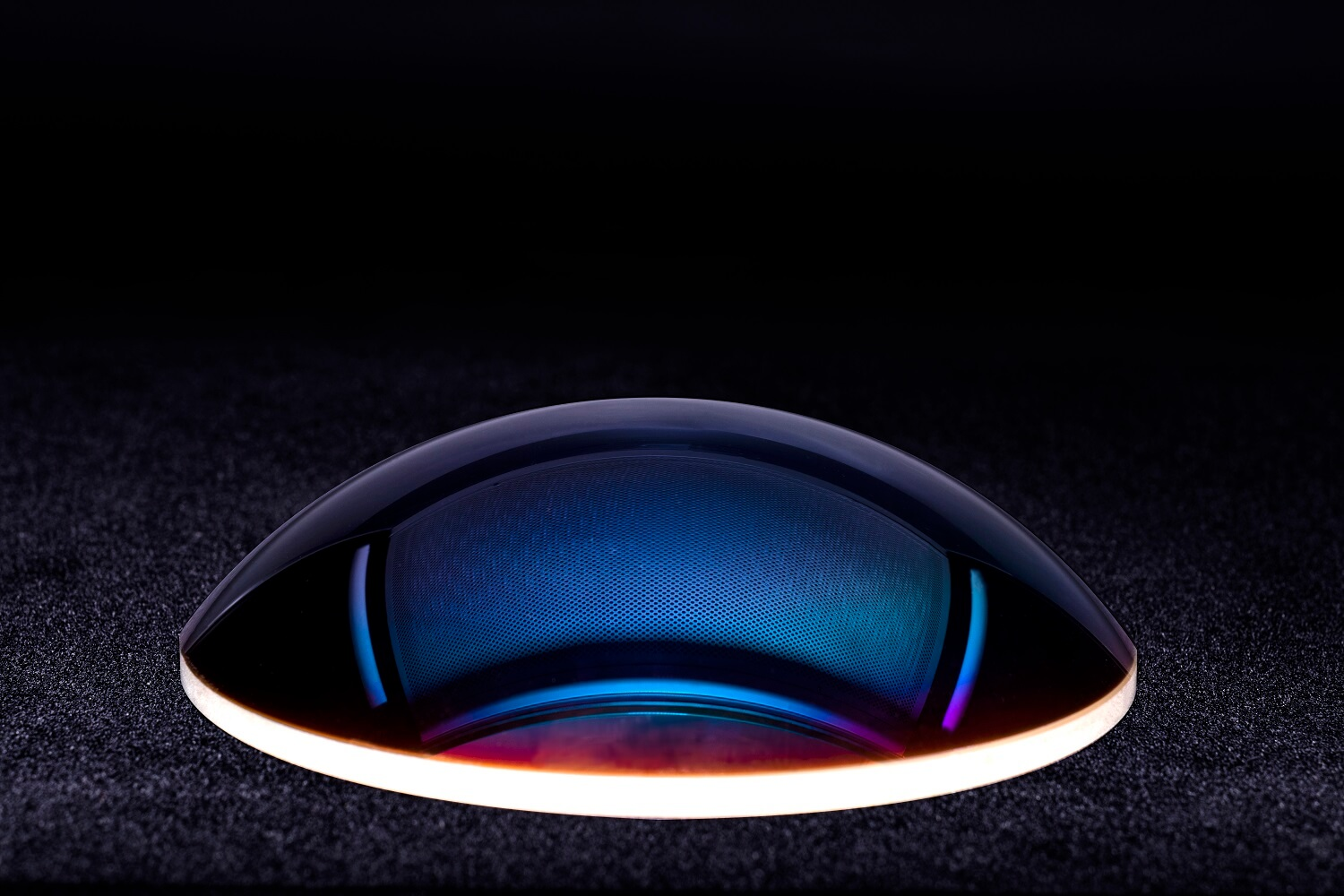
Felix Glass manufactures hemispherical and hyper-hemispherical infrared domes in CVD zinc sulfide, zinc selenide, germanium and silicon for thermal imaging, surveillance, seeker heads and industrial IR systems. Share your wavelength band, drawing and coating requirement so we can confirm material, radius, figure and environmental protection for your project.
Your Approval Baseline
Common Pain Points When Sourcing IR Domes
Issues engineers face when buying infrared domes for thermal and surveillance systems.
Low transmission in the target band
A generic AR coating optimized for visible light will not improve 8–12 µm transmission. Without a measured transmission curve for your exact band, contrast and range are lost.
Poor figure causes thermal image blur
Wall-thickness variation and center-thickness error introduce wavefront distortion. The thermal camera sees a smeared image even when the dome "looks fine" under visible light.
Coating fails in rain, sand or temperature cycles
Standard AR coatings can degrade under rain erosion, sand impingement or wide temperature cycling. Without DLC or hard carbon protection, the dome may fail in field use.
Targeted IR Dome Solutions
Each pain point is matched with a specific Felix Glass capability and a measurable buyer benefit.
Material matched to your wavelength band
CVD ZnS for 3–5 µm MWIR and broadband; ZnSe for 0.5–22 µm; germanium for 8–12 µm LWIR; silicon for near-IR to short-wave IR. We confirm material grade and batch in the order.
Benefit: correct substrate on first articleAR coating specified for your exact band
We define the coating band, average reflectivity target and whether both inner and outer surfaces are coated. A transmission curve (not a "clear dome" claim) is included with the batch report.
Benefit: predictable MWIR / LWIR transmissionDLC / hard carbon for field durability
For outdoor, airborne or seeker applications, we discuss DLC or anti-rain-erosion overcoat where the substrate and process allow. Environmental test requirements are agreed in writing.
Benefit: coating survives field conditions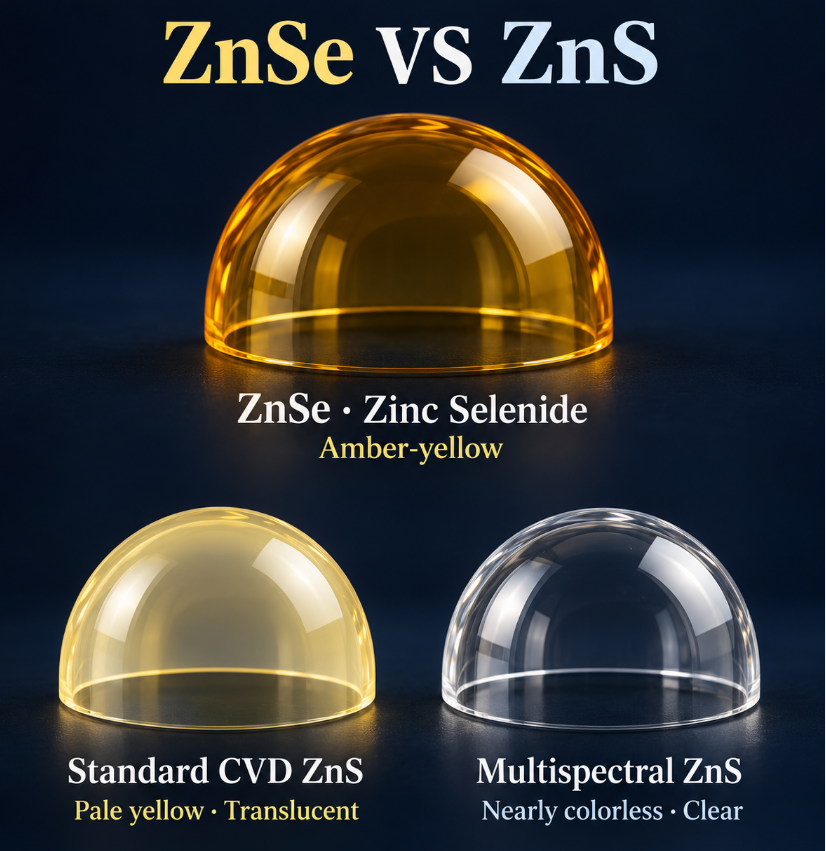
Five Types of Evidence to Request for Your IR Dome Order
Build your supplier review around evidence relevant to your infrared dome drawing.
Material grade & batch
Request CVD ZnS grade, ZnSe purity, Ge resistivity or Si type. Reference the material certificate and batch number linked to your dome.
Transmission curve
Ask for a measured transmission plot over your working band (e.g. 3–5 µm or 8–12 µm), not a generic specification sheet.
Figure & centration
Agree figure tolerance in fringes, wall-thickness uniformity and centration. These directly affect thermal image quality.
Coating durability
For field use, confirm whether coating passes adhesion, abrasion, humidity, temperature cycle or salt spray per your requirement.
Traceability
Drawing revision, material batch, coating lot and inspection report linked to the delivered dome serial number.
Common Infrared Dome Materials
Select the substrate by your operating wavelength and environmental requirement.
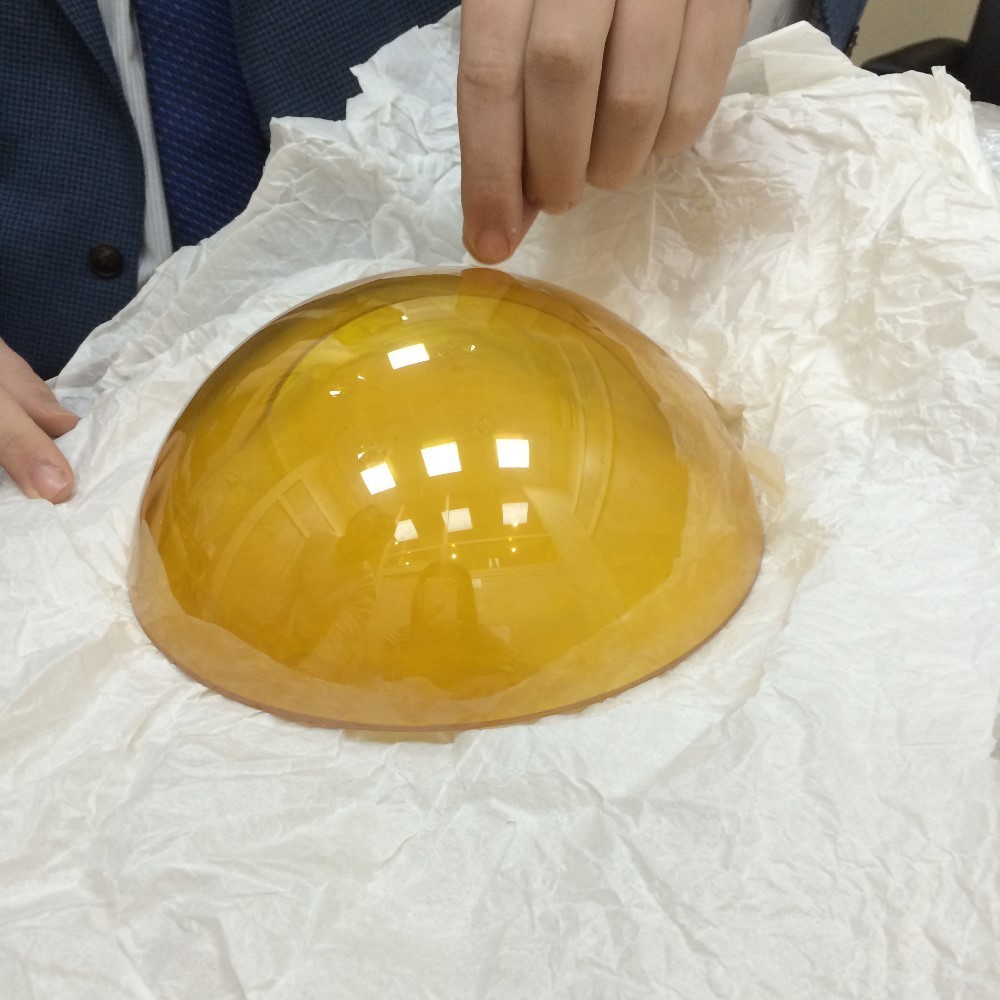
CVD ZnS Dome
Standard substrate for 3–5 µm MWIR domes. Yellowish uncoated, broadband transmission from visible to long-wave IR.
- Transmission: 0.4–12 µm
- MWIR thermal imaging, countermeasures
- AR / hard carbon overcoats available

Germanium Dome
High-index LWIR material for 8–12 µm thermal imaging. Dark gray in visible light; low transmission outside its designed band.
- Transmission: 2–14 µm
- LWIR thermal cameras, seeker heads
- AR / DLC coating for durability
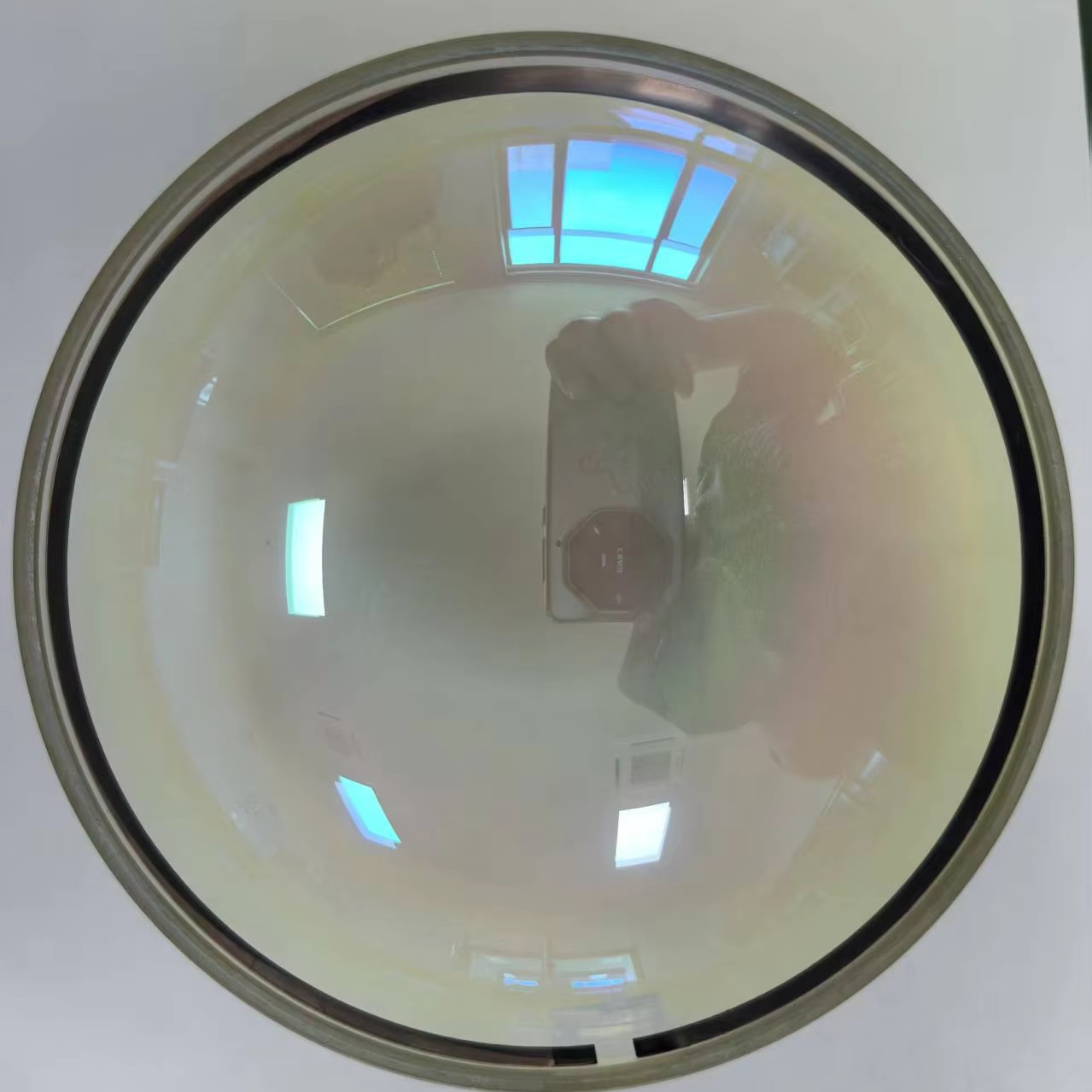
Multispectral ZnS Dome
Orange / transparent multispectral ZnS for dual-band or visible-to-IR applications where both visible and IR transmission are needed.
- Transmission: 0.6–12 µm
- Dual-band windows, multispectral sensors
- AR coating on demand
IR Dome First-Order Confirmation Checklist
Agree the following items in writing before production. These are order-review requirements, not blanket capability claims.
| Parameter | What to confirm before production |
|---|---|
| Wavelength band | Target working band: MWIR 3–5 µm, LWIR 8–12 µm, SWIR, or broadband. Sensor type and detector range. |
| Material & grade | CVD ZnS (standard / multispectral), ZnSe, germanium (resistivity grade), silicon. Crystal orientation where relevant. |
| Dome geometry | Inner radius R1, outer radius R2, wall thickness, center thickness, edge thickness, half-angle / F-number. |
| Figure & centration | Surface figure (fringes), irregularity, wall-thickness uniformity, decentration / centration tolerance. |
| Surface quality | Scratch-dig per MIL-PRF-13830B or customer spec; clear aperture; bevel / edge condition. |
| Coating | Coated surfaces (inner / outer / both), AR band, average reflectivity target, DLC / hard carbon overcoat, environmental durability requirements. |
| Transmission report | Measured transmission curve over your working band; sample or batch report format; acceptance threshold. |
| Environmental | Temperature range, humidity, rain / sand erosion, salt spray, vibration, altitude. State which tests are required. |
| Flange & mounting | Bolt circle, groove, step dimensions, seal face finish, housing interface. |
| Sample & tooling charges | Paid prototype. Confirm sample fee, coating setup, special fixturing and freight in the quotation. |
Common IR Dome Applications
These examples indicate the review requirements for each use case; they are not customer case studies or certification claims.
Thermal imaging cameras (LWIR)
Ge or ZnS domes for handheld, fixed or vehicle-mounted thermal cameras. Specify 8–12 µm AR coating and figure for image quality.
Surveillance & border monitoring
Outdoor IR dome housings for fixed cameras and PTZ units. Require weather sealing, coating durability and wide temperature range.
Airborne & seeker heads
Precision domes for airborne IR systems and seeker applications. Define wavefront, DLC / rain-erosion protection and traceability.
Industrial IR & process monitoring
Windows and domes for high-temperature inspection, gas analysis and thermal process control. Specify band and environmental exposure.

How We Manufacture IR Domes
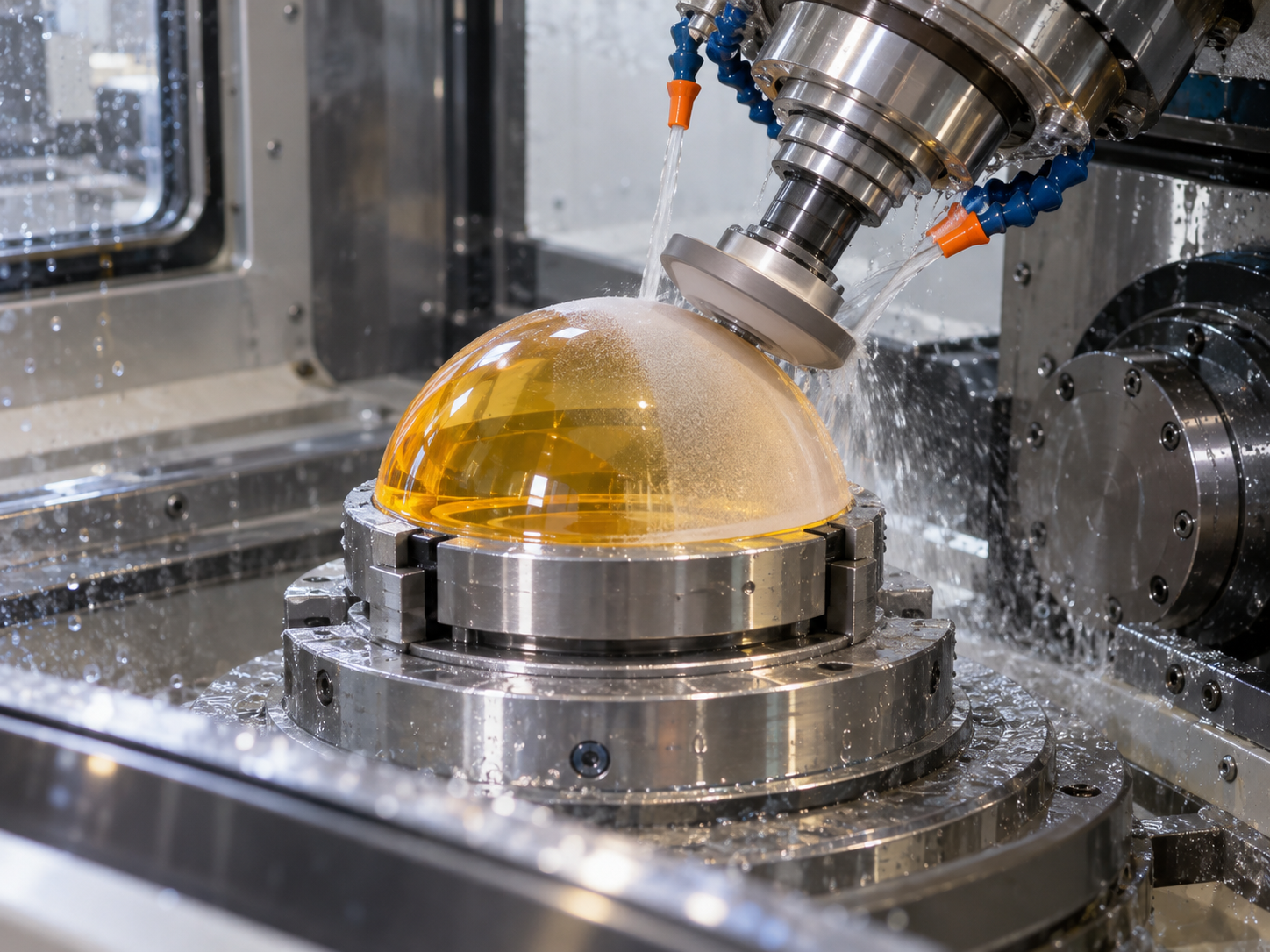
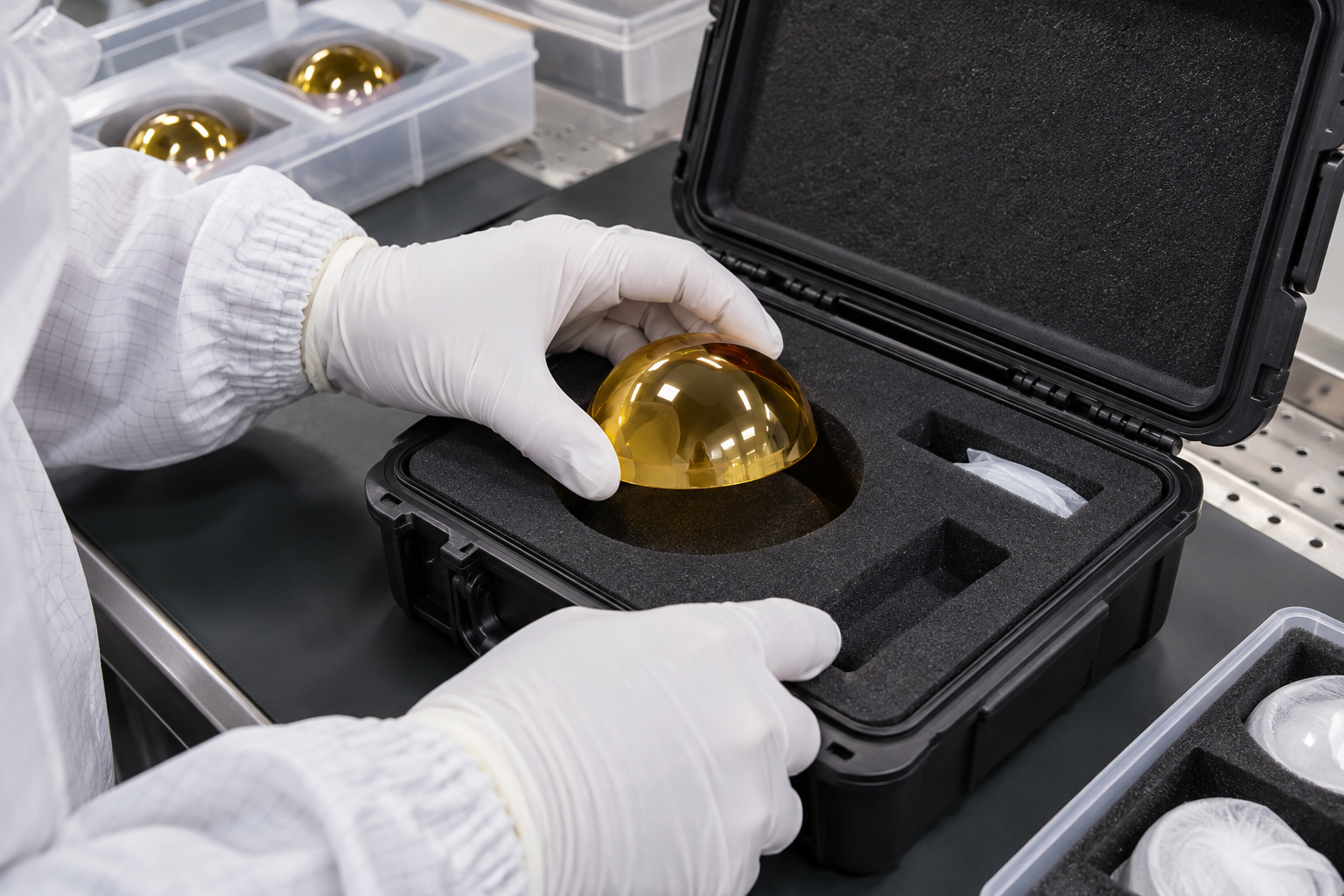
Review the manufacturing route and evidence relevant to your infrared dome. Images below are existing website references, not batch-specific acceptance records.
- CompanyDongguan Felix Glass Co., Ltd. Contact James Fu for project-specific IR dome manufacturing information.
- Materials in stockCVD ZnS, ZnSe, germanium and silicon blanks. Confirm availability and grade for your drawing.
- CoatingAR for MWIR / LWIR bands, broadband AR, and DLC / hard carbon overcoat where applicable.
- Capacity & scheduleConfirm material availability, process routing and production scheduling for your order quantity.
- Quality documentationDimensional report, interferogram, surface inspection, transmission curve and material certificate as applicable.
- Factory videoRequest current footage of the relevant dome process during supplier review.
Delivery Workflow
Standard project steps for custom infrared dome orders, from initial RFQ through final shipment.
Drawing review
Confirm band, material, coating, figure.
Written quotation
Confirm scope, coating, charges, milestones.
Paid prototype
Machine, polish and coat to approved drawing.
Sample evaluation
Review transmission curve, figure and fit.
Pilot & production
Scale from approved sample baseline.
Inspection & shipment
Complete agreed reports and packaging.
Sample / Prototype
Start conditions are stated in the quotation.
Bulk / Mass Production
Confirm quantity and the approved sample baseline.
Expedited Service
Ask about feasibility before committing to a deadline.
IR Dome Manufacturing Workflow
Substrate selection and the actual manufacturing route used for custom infrared domes.
Material selection
CVD ZnS for MWIR and broadband; ZnSe for wide IR; germanium for LWIR thermal; silicon for SWIR / near-IR. Grade and batch confirmed in drawing review.
Route selection
Generating, CNC grinding, polishing and coating route depends on radius, wall thickness, material hardness and required figure. Confirm steps in writing.
Blank & substrate
Match agreed material grade and batch.
Generating / grinding
Shape inner and outer radius.
Polishing
Polish optical surfaces to finish.
AR / DLC coating
Coat to your band and durability spec.
Inspection & report
Transmission curve, figure, surface check.
Frequently Asked Questions About IR Domes
Common questions from engineers sourcing infrared domes.
How do I choose between ZnS, ZnSe and germanium?
ZnS is the standard for 3–5 µm MWIR and broadband use. ZnSe offers wider transmission (0.5–22 µm) and is common for CO₂ laser and broad IR. Germanium is preferred for 8–12 µm LWIR thermal imaging. Tell us your detector band and we will confirm in the drawing review.
Can you provide a transmission curve for the dome?
Yes. We can include a measured transmission plot over your working band. Confirm whether you need it for the sample, the batch or both, and the acceptance threshold.
What is AR and do I need DLC coating?
AR (anti-reflection) coating reduces surface reflection and increases transmission in your band. DLC (diamond-like carbon) or hard carbon overcoat adds abrasion, rain-erosion and sand-impact resistance for outdoor or airborne use. We recommend it for field-exposed domes.
Are custom IR dome samples free?
Custom samples are paid. The quotation identifies sample fee, coating setup, special fixturing and freight separately. Some projects credit the sample fee toward a repeat order under agreed terms.
What diameter range can you manufacture?
Diameter range depends on material, radius and wall thickness. Tell us your required diameter, R1/R2, wall thickness and material, and we will confirm feasibility and typical lead time in the quotation.
Can you match an existing dome from another supplier?
Send the drawing or sample. We review geometry, material grade, coating band and figure. Any substitutions or exceptions must be agreed in writing before production.
How is the dome packaged for shipping?
IR domes are packed in foam-lined, optical-grade packaging with coated surfaces protected. We provide packaging photos and handling instructions on request, especially for thin-wall or large-diameter parts.
Does a visible-light photo prove the dome works in IR?
No. Germanium and ZnS look dark or tinted under visible light but transmit well in IR. Acceptance depends on the agreed transmission curve, figure and surface inspection for your batch.
What if the delivered dome does not meet spec?
Report order and batch references, affected quantity, photos and measurement evidence. The review procedure and remedy for confirmed manufacturing nonconformities should be agreed in the order terms.
Still have questions about your IR dome project? Our engineering team is ready to help.
Contact Our TeamREQUEST A CUSTOM IR DOME QUOTE
Send your IR dome drawing, wavelength band or coating requirement. We will review the scope and confirm the next steps.