Incomplete or Conflicting Specifications
Material, wavelength, surface quality, tolerances and coatings can conflict with cost or manufacturability.
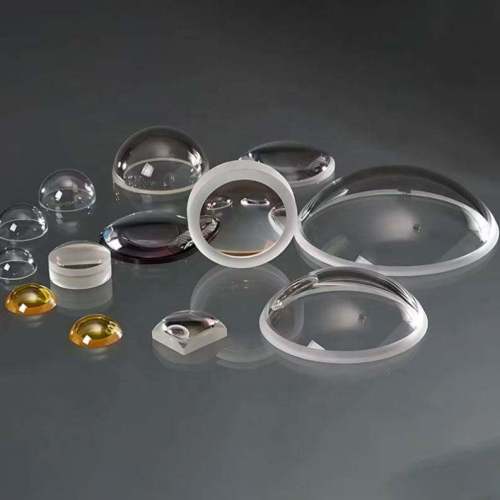
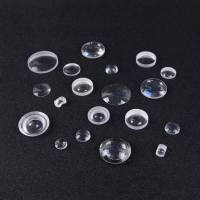
Drawing-Based Precision Optics · OEM Manufacturing
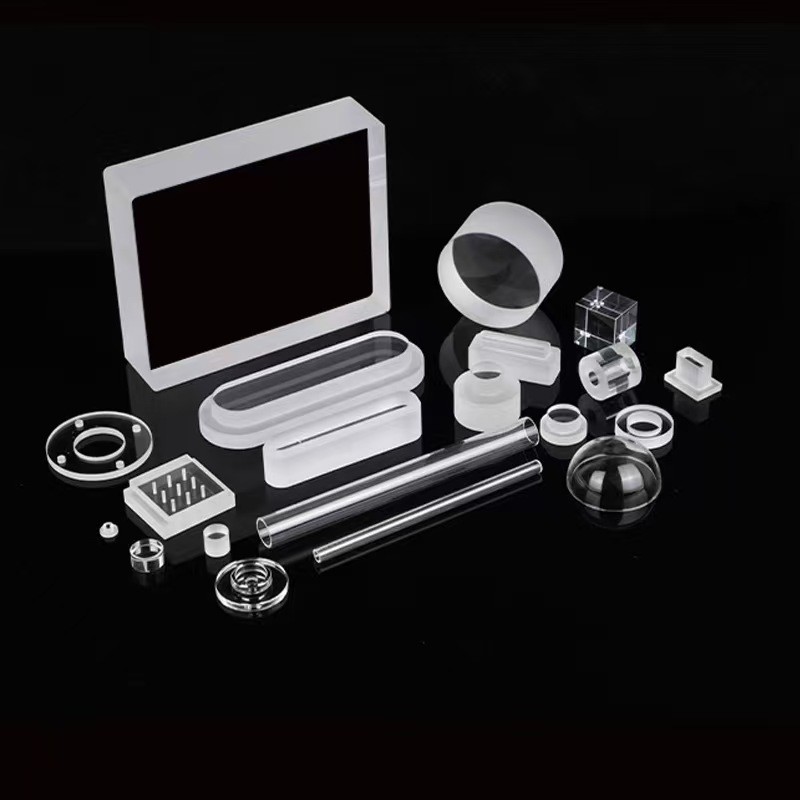
Optical lens supplier for custom lenses, domes, windows, prisms and coated glass components.
Dongguan Felix Glass Co., Ltd. supports OEM customers with material selection, drawing review, optical processing, coating coordination and inspection planning—from prototypes to repeat production.
Procurement & Engineering Challenges
A reliable supplier must resolve optical, mechanical and procurement requirements together—not quote from dimensions alone.
Material, wavelength, surface quality, tolerances and coatings can conflict with cost or manufacturability.
Mounting stress, angle of incidence, environment and clear aperture can affect the finished optical system.
Uncontrolled drawings, materials or inspection criteria can create batch inconsistency and approval delays.
Engineering Response
Each project is translated into a manufacturable and inspectable specification before production.
Capability: drawing and requirement review. Solution: identify critical-to-function dimensions, wavelengths and acceptance criteria. Benefit: fewer quotation assumptions.
Capability: application-based comparison. Solution: evaluate substrate and coating against environment, wavelength and incidence angle. Benefit: a clearer design decision.
Capability: approved drawings and agreed inspection plans. Solution: establish the production reference before scaling. Benefit: more controlled repeat supply.

Five-Part Engineering Architecture
These five dimensions create a practical basis for DFM review, quotation and inspection.
Focus, collimate, protect, deviate, split, reflect, filter or transmit light.
Optical glass, fused silica, sapphire, ZnSe, ZnS, silicon or application-specific substrate.
Diameter, thickness, radii, angles, clear aperture, centering and mechanical interface.
Surface quality, flatness, power, irregularity, roughness or wavefront requirements.
Spectral target, incidence angle, durability and mutually agreed inspection data.
Product Families
Each family is manufactured to an approved drawing; feasibility and specifications are confirmed per project.
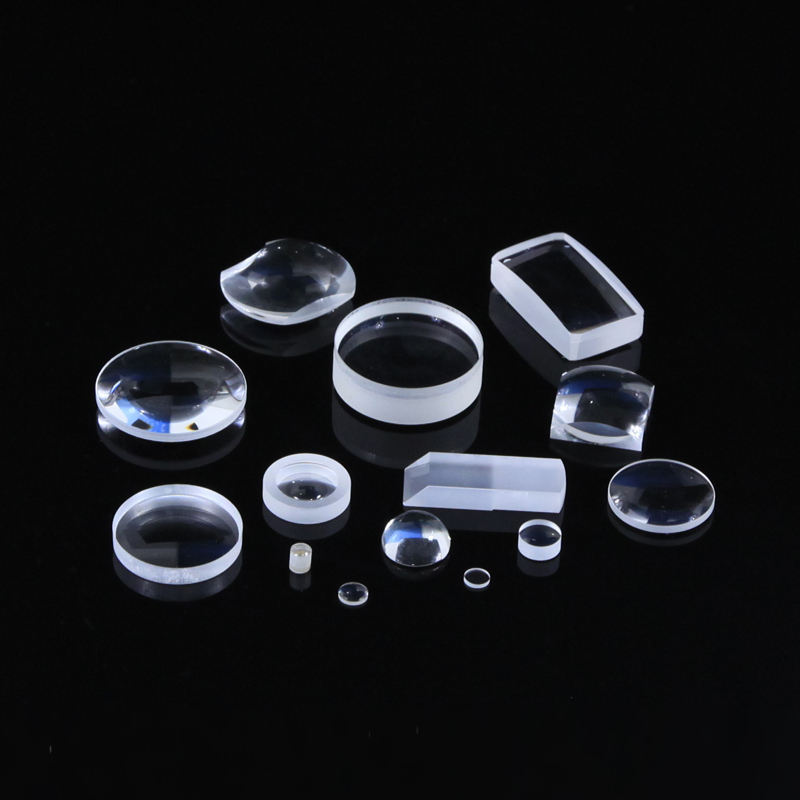
Plano-convex, bi-convex, plano-concave, bi-concave, meniscus and drawing-defined lenses.

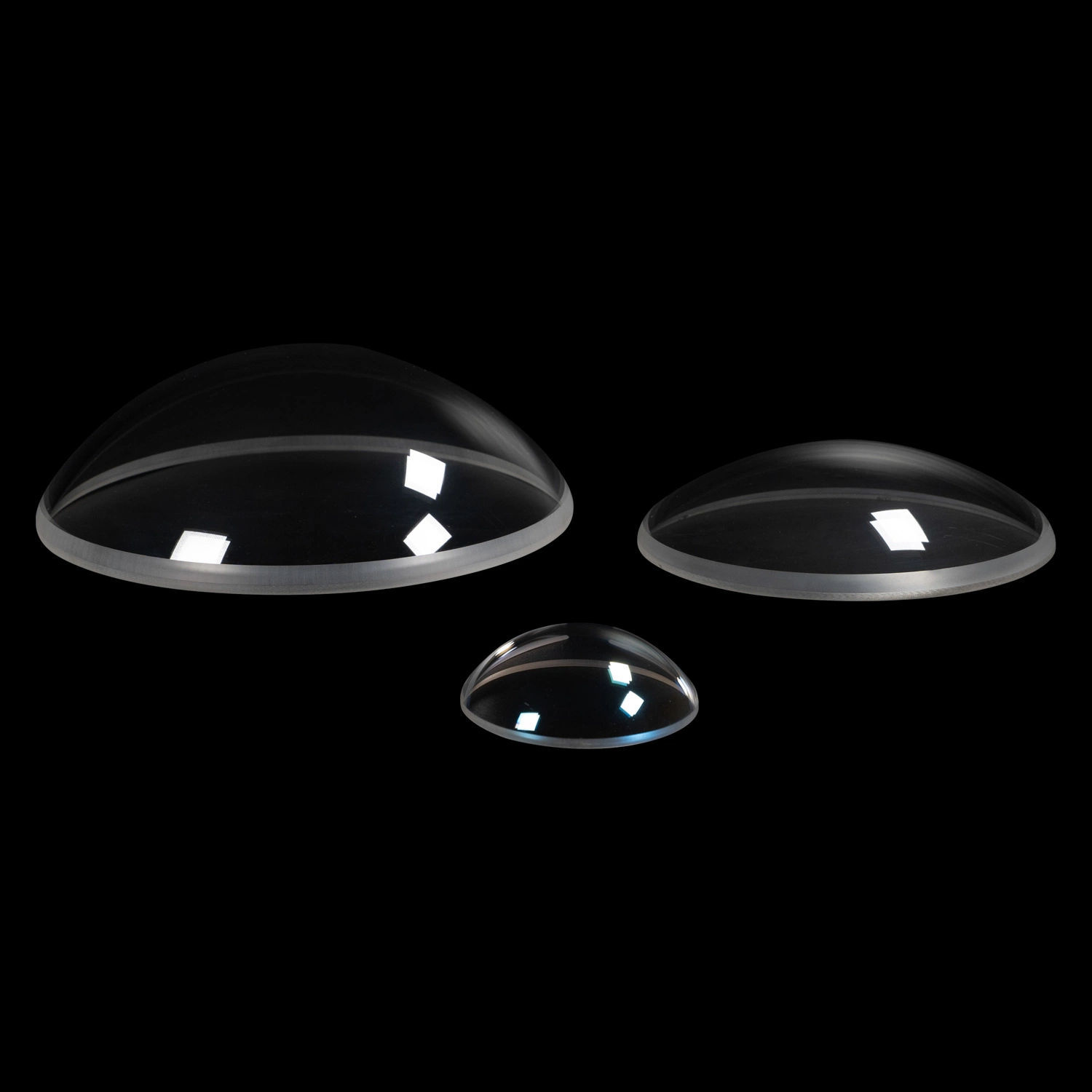
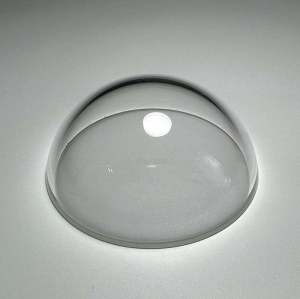
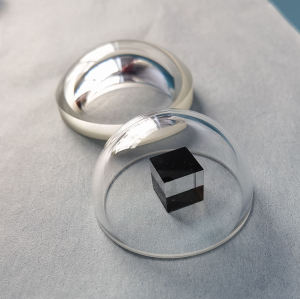
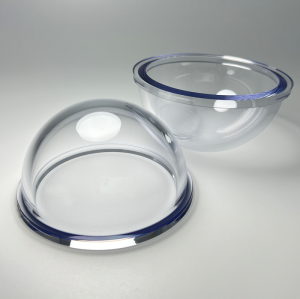
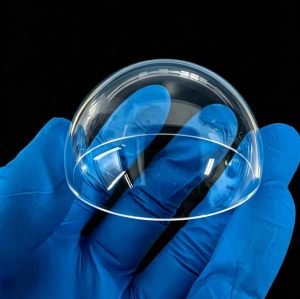
Hemispherical, segment and flanged domes for cameras, sensors and protective optical ports.
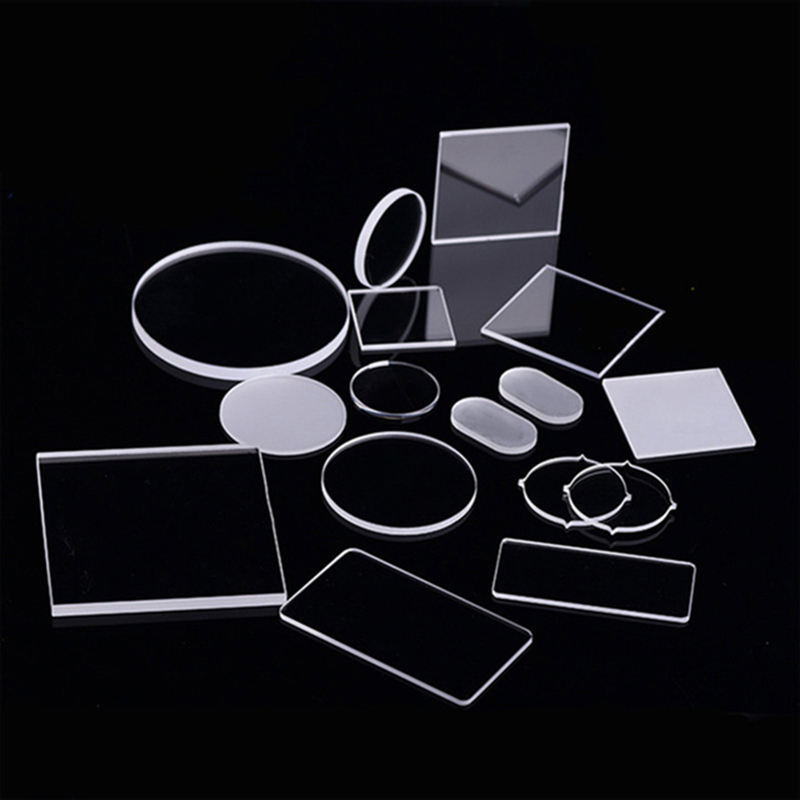
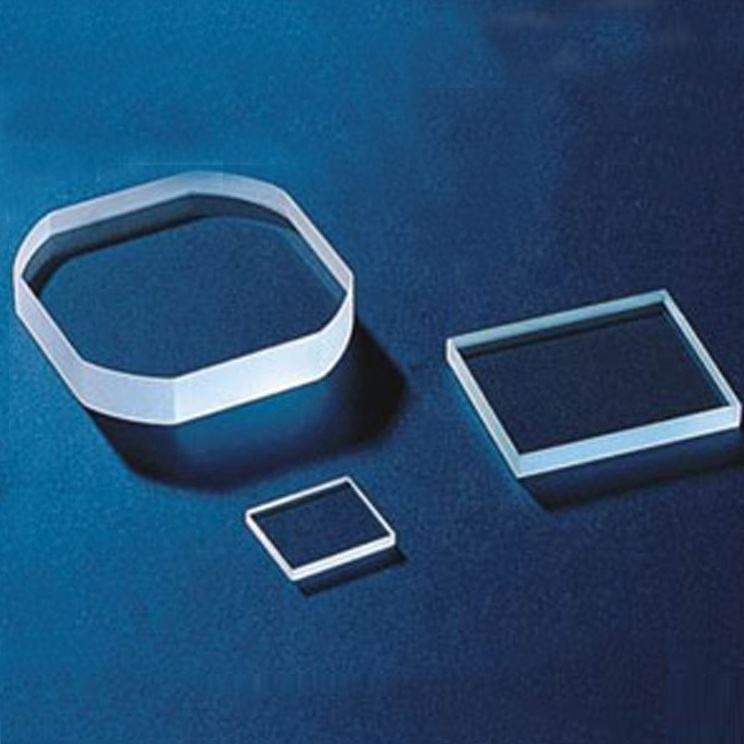
Round, rectangular and custom-profile windows for protection, transmission and sensing.
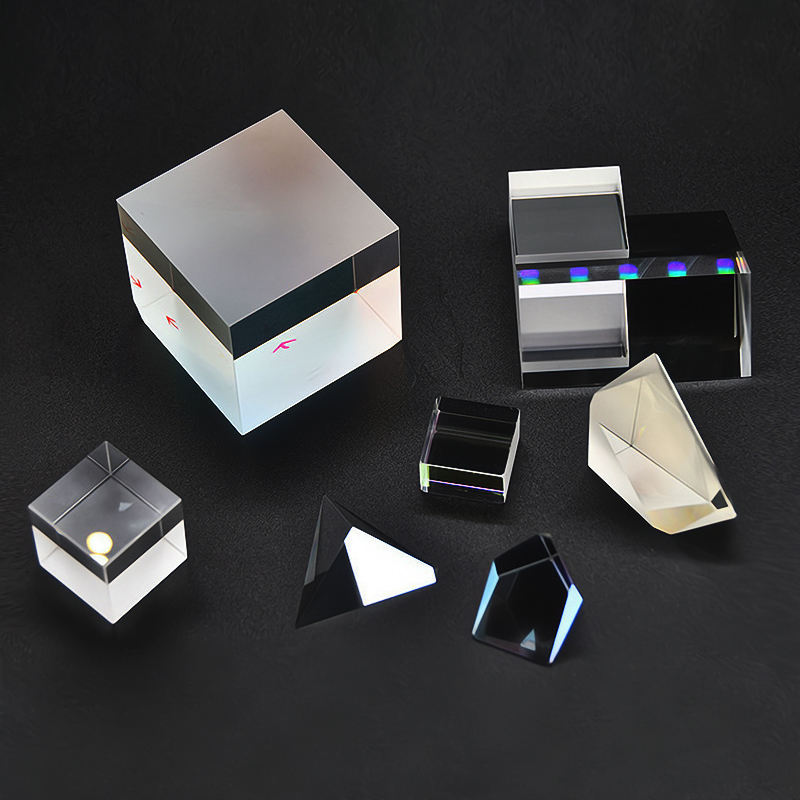
Right-angle, wedge, penta, dove, roof, equilateral and custom-geometry prisms.
Specification Framework
The table defines the information required; it does not claim universal manufacturing limits.
| Specification Group | Information to Provide | Why It Matters |
|---|---|---|
| Component Type | Lens, dome, window, prism or other optical geometry | Determines the manufacturing and inspection route |
| Material | Required grade or permission to recommend an equivalent | Controls spectrum, environment, processing and cost |
| Geometry | Dimensions, radii, angles, clear aperture, datum and tolerances | Defines fit and optical function |
| Surface Requirements | Surface quality, flatness, power, irregularity, roughness or wavefront | Establishes polishing and acceptance criteria |
| Coating | Wavelength, AOI, polarization, reflectance/transmission target and environment | Enables a project-specific coating design |
| Mechanical Finish | Chamfer, edge grind, blackening, mask, print, holes, steps or flange | Supports assembly and handling |
| Inspection | Test method, report format, sampling level and third-party requirements | Prevents disagreement at final acceptance |
| Procurement | Prototype quantity, annual forecast, delivery location and packaging | Supports realistic quotation and production planning |
Send a 2D drawing and, for complex parts, a STEP/IGES model. Final tolerances, MOQ, lead time and inspection scope are confirmed after review.
Industry → Equipment → Product
The same component name can require very different materials, tolerances and coatings in different systems.

Manufacturing Evidence
Dongguan Felix Glass Co., Ltd. reviews each project against the actual processing, coating and inspection route before accepting requirements.
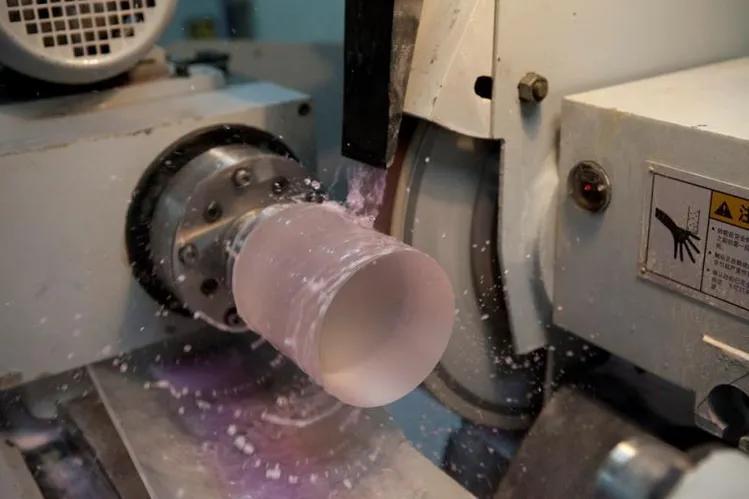

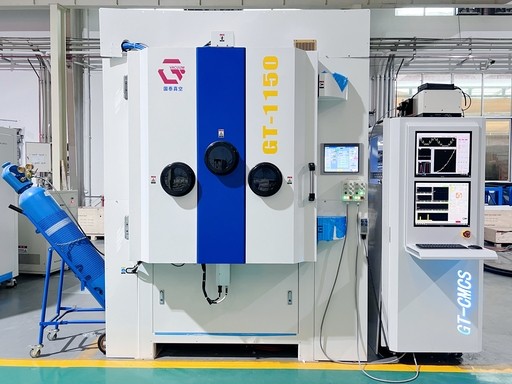
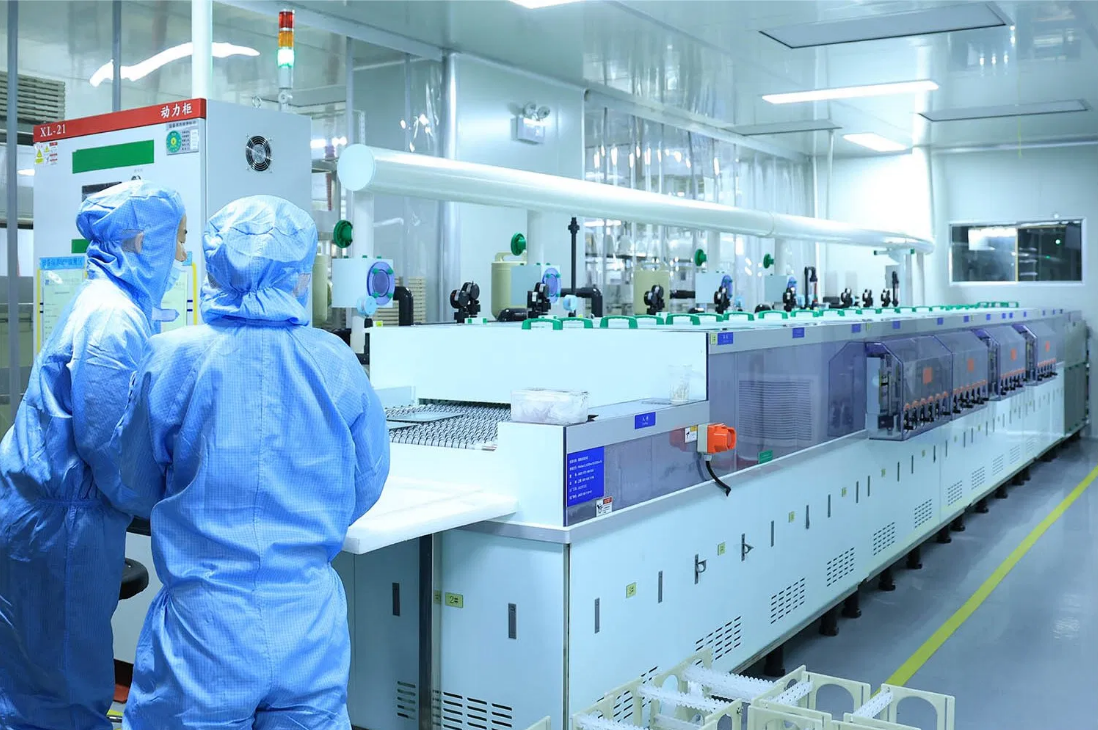
Production by Dongguan Felix Glass Co., Ltd.; project scope confirmed before order acceptance.
Cutting, forming, grinding, polishing and relevant edge or profile operations according to the part.
AR, reflective, beam-splitter and functional coating options evaluated from spectral requirements.
Drawing-based dimensional, cosmetic and optical checks according to mutually agreed criteria.
Controlled Handoff
Approval gates reduce uncertainty before the project moves into repeat production.
Drawing, application, optical and commercial requirements are checked.
Feasibility, exceptions, inspection scope and pricing basis are clarified.
Prototype parts are produced against the approved specification.
Customer feedback and agreed inspection results establish the reference.
Process repeatability and packaging requirements are confirmed.
Repeat production follows the controlled drawing and order requirements.
Agreed dimensional, surface, optical and coating checks are completed.
Optical surfaces are protected for the agreed transport and delivery route.
Product-Specific Route
The route changes by component family; not every part uses every operation.
Confirm grade, blank condition and project-specific requirements.
Cut, machine, form or grind the required lens, dome, window or prism geometry.
Polish the specified surfaces and control relevant surface or angular criteria.
Apply the approved optical or functional treatment where specified.
Inspect against agreed criteria and protect the finished surfaces for shipment.
Explore Related Solutions
Use product-specific pages when your application requires a narrower material or geometry focus.
Engineering & Procurement FAQ
Answers are intentionally project-specific where a universal claim would be misleading.
Yes. Send a dimensioned drawing and the application requirements. For complex geometry, include a STEP or IGES file. We will review feasibility and identify questions or exceptions before quotation.
Projects may use optical glass, fused silica, sapphire, ZnSe, ZnS, silicon or other appropriate substrates. Availability, export considerations and exact grade are confirmed for each inquiry. Germanium products are not promoted on this page.
Tolerances depend on material, size, geometry, surface requirements, quantity and inspection method. Provide functional requirements so the achievable and necessary tolerances can be reviewed.
Coating options can include AR, reflective, beam-splitter or functional coatings. Provide wavelength range, angle of incidence, polarization, performance target and operating environment.
MOQ is determined by material, tooling, process route, coating batch and project economics. Prototype quantities and forecast production quantities should both be included in the RFQ.
Lead time is confirmed after drawing review, material availability, coating, quantity and inspection scope are defined. We do not publish one universal lead time for all custom optics.
Material, dimensional, surface, coating or other inspection documentation may be supplied when the exact report content and acceptance method are agreed in the quotation and order.
Packaging is selected to protect polished and coated surfaces during handling and shipment. Tell us about clean handling, labeling, individual packing or traceability requirements.
Yes. Felix Glass supports drawing-based prototype, pilot and repeat-production programs, subject to project review and agreed commercial terms.
Start Your Project
Send your drawing, specifications and estimated quantities. We will review the component type, material, critical dimensions, optical requirements, coating and inspection scope.
Dongguan Felix Glass Co., Ltd.
james@felixglass.com
+86-18565032888