AR anti-reflective
Reduces surface reflection and can support display transmittance, contrast, and color evaluation. The source lists up to 97% visible transmittance for an AR-coated configuration.
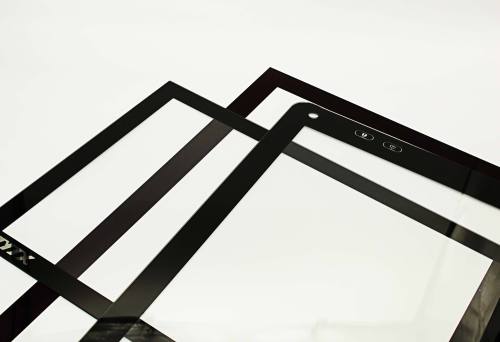
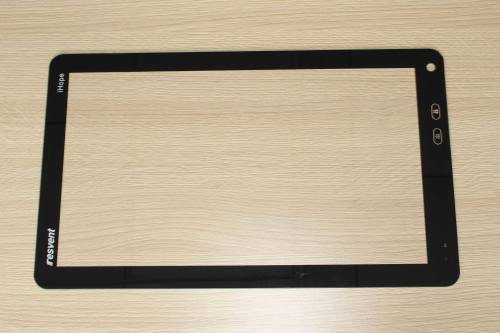
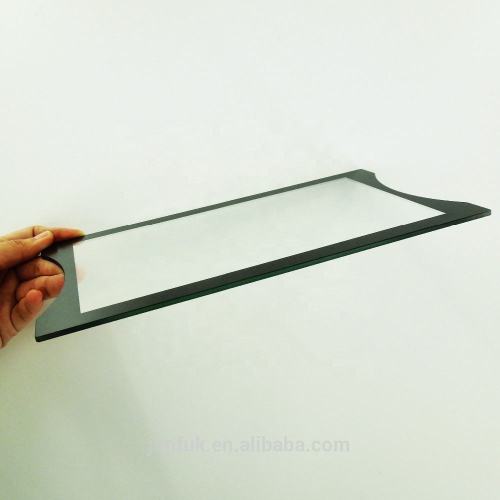
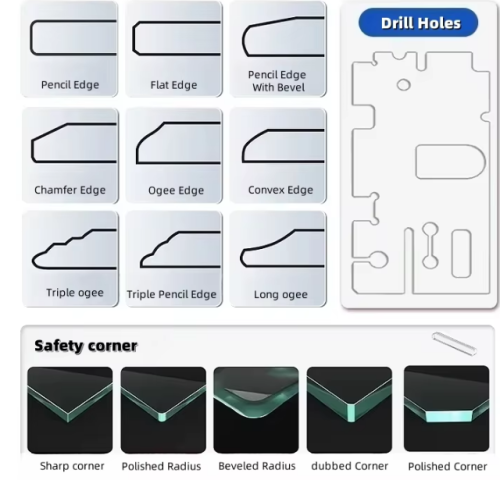
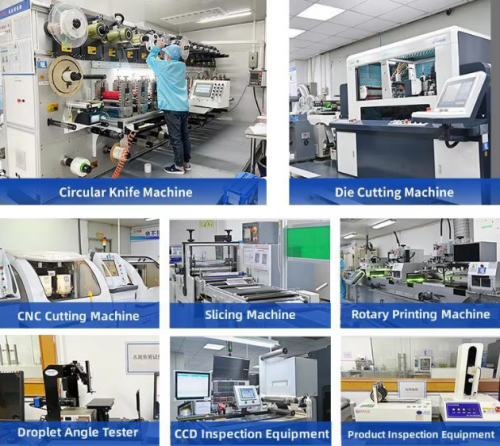
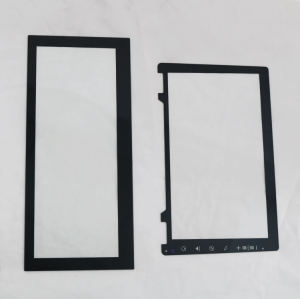
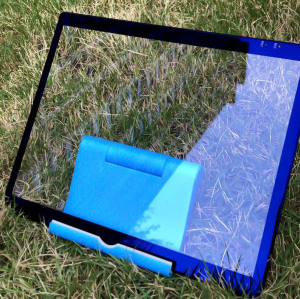
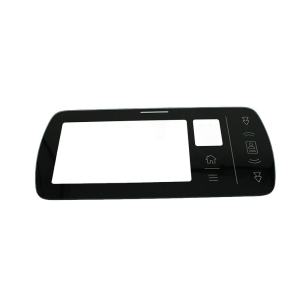
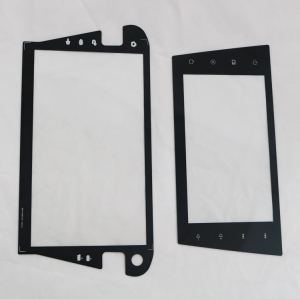
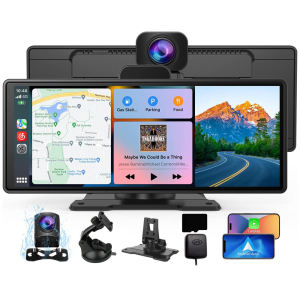
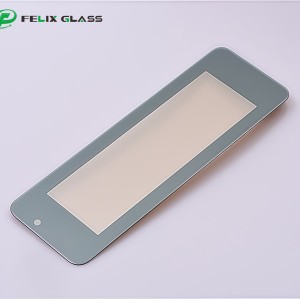
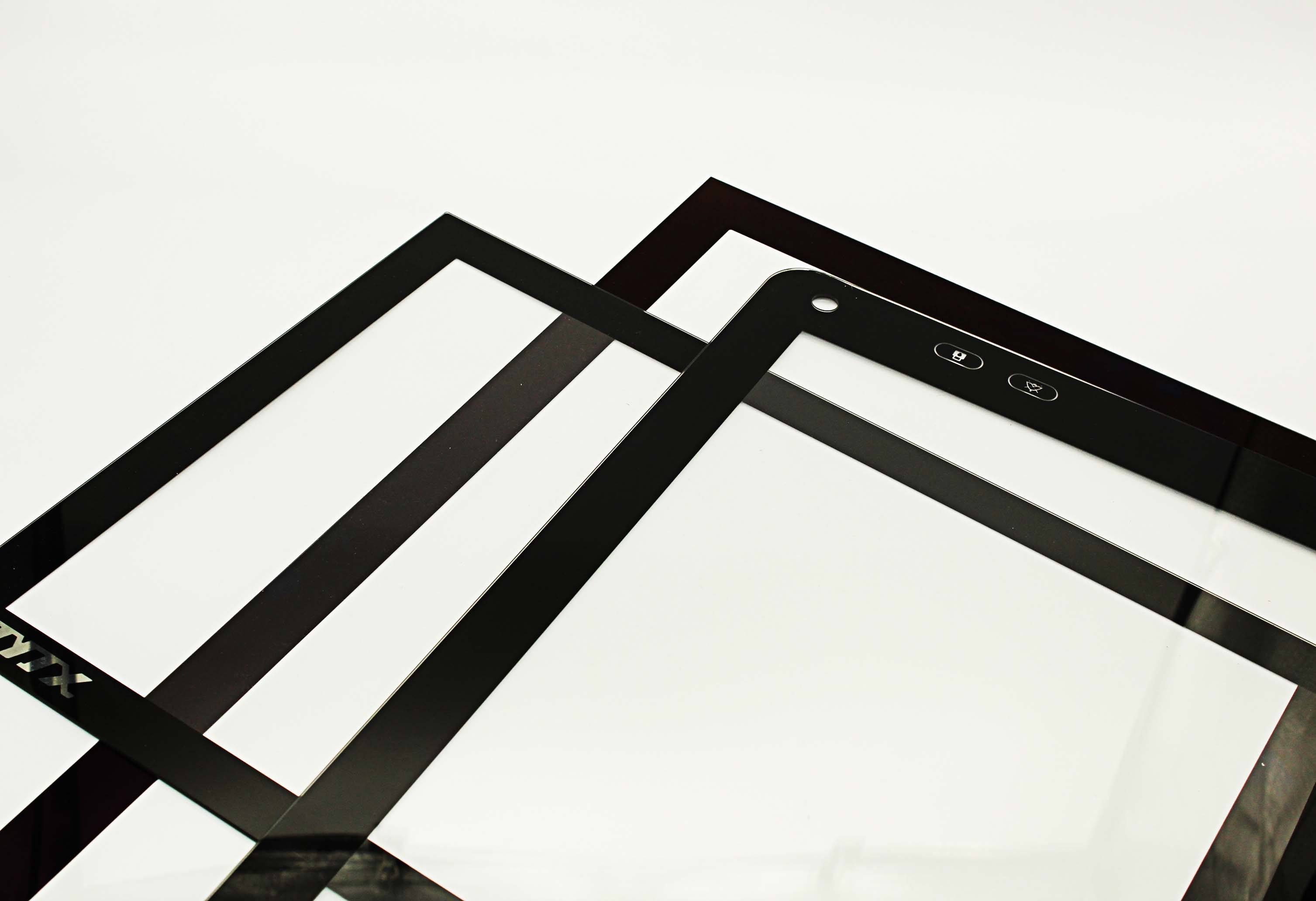
Felix Glass manufactures ultra-low-iron tempered cover glass for industrial HMI panels, medical touchscreens, automotive displays, outdoor terminals, commercial interfaces, and optical-equipment windows. The source product combines optional AR anti-reflective, AF anti-fingerprint, and AG anti-glare surface functions with drawing-based machining, printing, and selective coating. This product remains in the Display Cover Glass category. The values below retain the source specification. Final substrate, coating stack, dimensions, optical targets, durability, cleaning resistance, and compliance documents must be confirmed for the ordered configuration. Each surface treatment addresses a different viewing or touch condition. Requirements should be expressed as measurable optical, surface, and durability criteria. Reduces surface reflection and can support display transmittance, contrast, and color evaluation. The source lists up to 97% visible transmittance for an AR-coated configuration. A hydrophobic and oleophobic surface helps reduce fingerprint, oil, and dust adhesion and supports routine cleaning on frequently touched devices. A matte diffusion surface reduces mirror-like ambient-light reflections. Haze, sparkle, image sharpness, and viewing comfort require evaluation on the actual display. Compare other functional-glass options in the Felix Glass product catalog. These are starting points rather than fixed prescriptions. Reflection, haze, sparkle, image sharpness, touch feel, cleaning, wear, and cost should be tested on the assembled display. Learn about the manufacturer on About Us. Confirm wavelength range, incidence angle, instrument, sample stack, coating side, temperature dwell and cycles, and document scope. “9H” and “Mohs” are different hardness conventions; the purchase specification should identify the actual method, scale, load, and pass criteria. Additional coating and display guidance is available in the Felix Glass blog. The source identifies the following application groups. Each assembly should be reviewed for lighting, touch stack, bonding, cleaning, temperature, vibration, ingress protection, and operator use. The source lists custom dimensions, thicknesses, irregular profiles, coating combinations, black borders, logos, patterns, holes, notches, and chamfered edges. Prototype and production programs can be reviewed after the process route is defined. Start from the Felix Glass home page for a broader view of its glass and coating capabilities. The source states that hardness, transmittance, haze, and surface quality are inspected and that optical performance reports can be provided. It also references coating-selection guidance, batch consistency, sampling, and international supply. For supplier qualification, define the sampling plan, traceability, appearance limits, optical methods, hardness method, coating-wear test, cleaning test, packaging, sample timing, capacity, and delivery terms. Availability and timing should be confirmed in the current quotation. AR reduces reflection, AF reduces fingerprint and oil adhesion, and AG diffuses glare. The chosen combination should be validated on the finished display. The source recommends AR+AF as a starting point for readability and cleaning. Final selection depends on lighting, display luminance, touch use, cleaning chemistry, and equipment requirements. The source describes resistance to alcohol and disinfectant wiping. Validation must use the actual chemical, concentration, dwell time, cloth, load, cycle count, and acceptance criteria; resistance is not universal. The source attribute says “9H Mohs.” Request the test standard and clarify whether the intended requirement is pencil hardness, Mohs hardness, or another method. Yes, subject to CAD review, substrate, thickness, edge distance, tooling, print artwork, tolerances, and inspection criteria. Use Contact Us to request project-specific test data and current documentation. The original description contained unverified placeholders for touch-screen cover glass, quartz glass, ITO, and FTO products. Those placeholder links are removed. Use the approved catalog and blog paths above to compare cover-glass substrates, conductive glass, coating combinations, and processing options. Send the application, CAD drawing, dimensions, tolerances, substrate, thickness, coating combination, transmittance and reflectance targets, haze, openings, edge geometry, printing artwork, selective-coating zones, bonding method, cleaning chemicals, environment tests, sample quantity, annual volume, documentation needs, and requested schedule.
Felix Glass Co., Limited · Model FE-AGP-03004011
1. AR, AF, and AG Tempered Display Cover Glass
 Surface functions
2. AR, AF, and AG Coating Functions
AR anti-reflective
AF anti-fingerprint
AG anti-glare
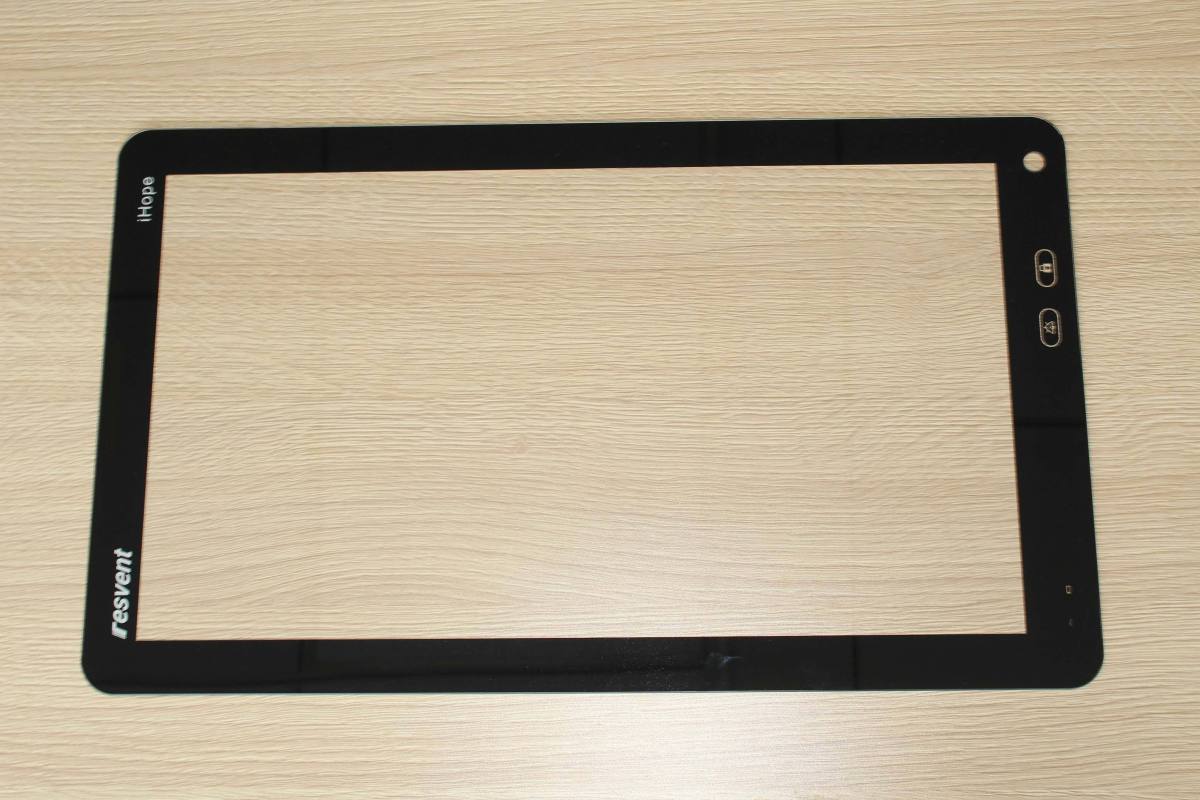 Configuration guide
3. Coating Combination Selection
AR onlySource recommendation for medical imaging, optical instruments, and indoor displays where reflection control is the primary requirement.
AR + AFSource recommendation for medical touch monitors, industrial HMI panels, and commercial POS terminals.
AG + AFSource recommendation for outdoor kiosks, EV chargers, and public self-service equipment.
AR + AF + AGSource recommendation for factory controls, automotive displays, and outdoor industrial touchscreens.
Source data consolidated
4. Technical Specifications
Substrate Ultra-low-iron tempered glass Coating options AR, AR+AF, AG+AF, or AR+AF+AG Visible transmittance At least 92%; at least 97% source reference for AR-coated glass Surface reflectance At most 0.5% source reference AG haze 5%–15% adjustable source range AF water contact angle At least 110 degrees source reference Surface hardness Source attribute states “9H Mohs” Thickness options 0.7, 1.1, 2.0, 3.0, and 5.0 mm Working-temperature reference -40°C to 180°C Custom processing CNC cutting, drilling, full chamfering, screen printing, and selective coating Compliance references ISO 9001, RoHS, and REACH
Mechanical and surface behavior
5. Tempered Glass and Surface Features
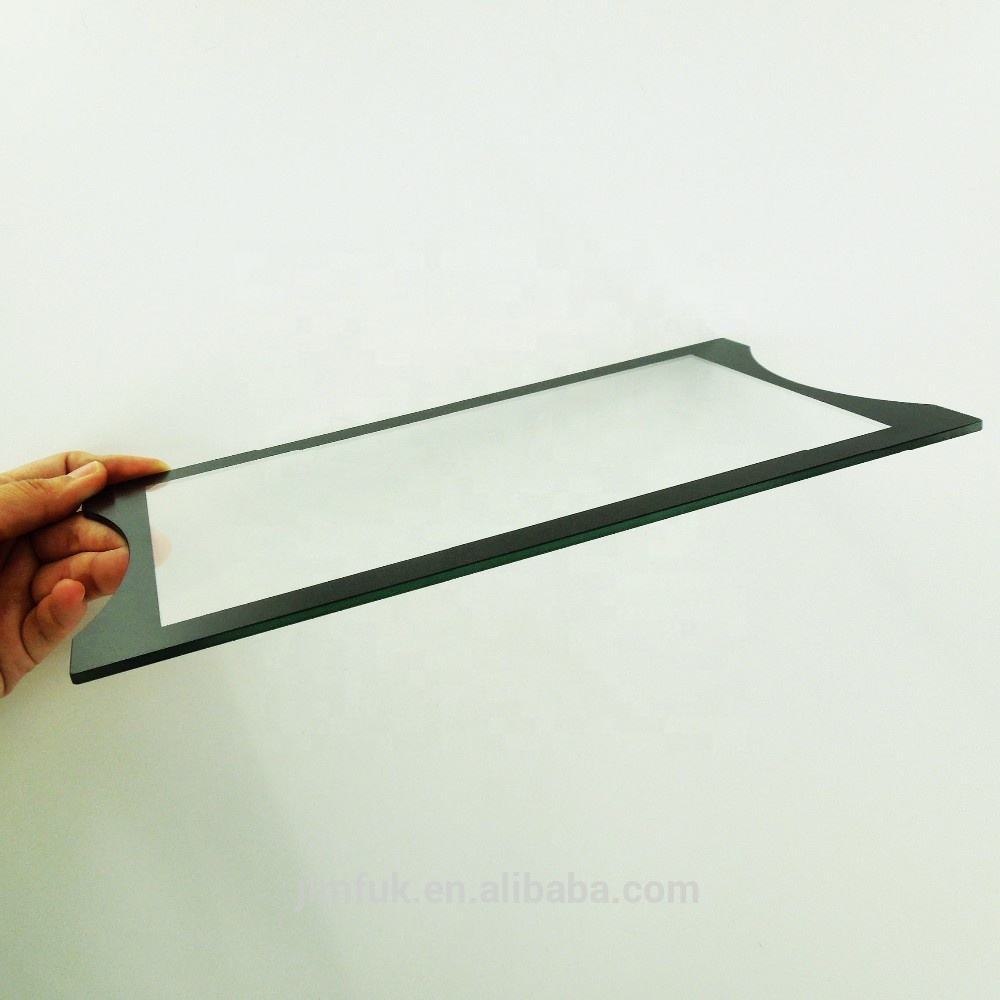 Display integration
6. Industrial, Medical, Automotive, and Outdoor Applications
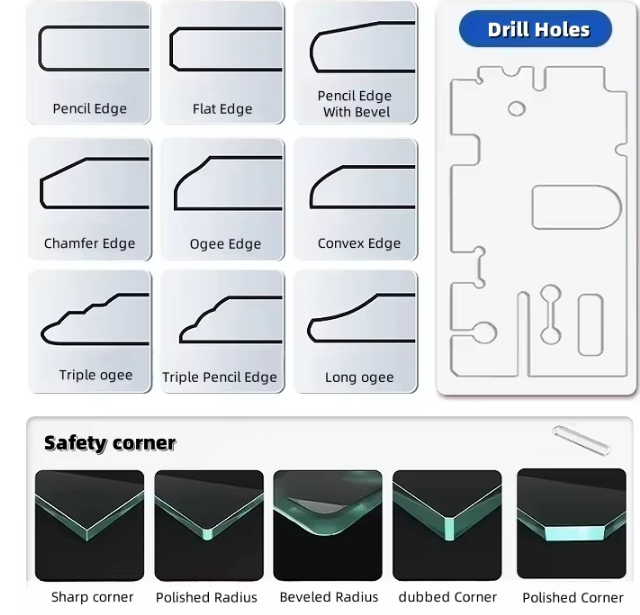 Drawing-based manufacturing
7. Custom Size, Printing, Openings, and Production
Inspection and supplier review
8. Optical, Hardness, Haze, and Surface Inspection
Optical checksTransmittance, reflectance, haze, color, sharpness, and uniformity.
Surface checksHardness, coating adhesion, abrasion, cleaning, stains, and scratches.
Dimensional checksProfile, thickness, openings, edges, printing, and selective-coating zones.
Technical FAQ
9. Coated Display Cover Glass FAQ
What is the difference between AR, AF, and AG?
Which coating can be considered for medical touchscreens?
Can the coating tolerate repeated alcohol disinfection?
What hardness is listed?
Can borders, holes, and irregular shapes be customized?
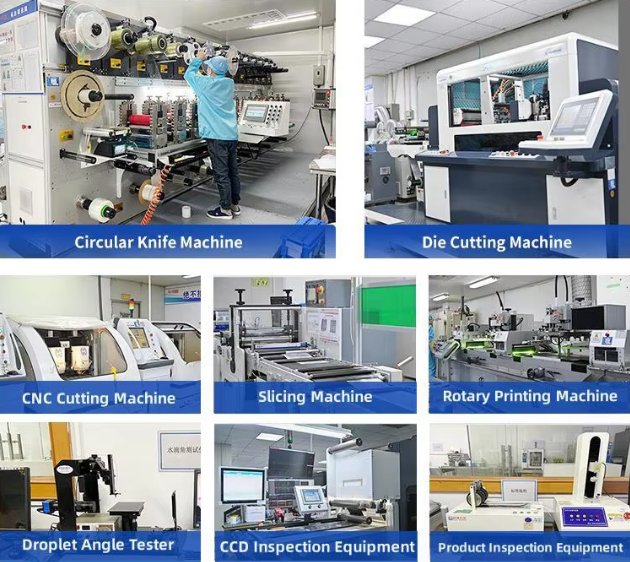 Related resources
10. Related Touch and Functional-Glass Resources
RFQ input checklist
Send project requirements
11. Request a Custom Display Cover Glass Quote