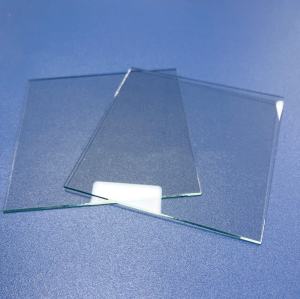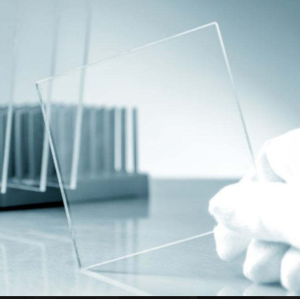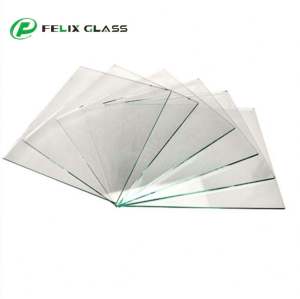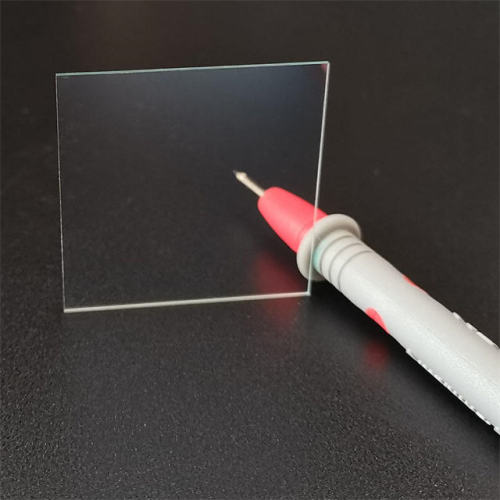
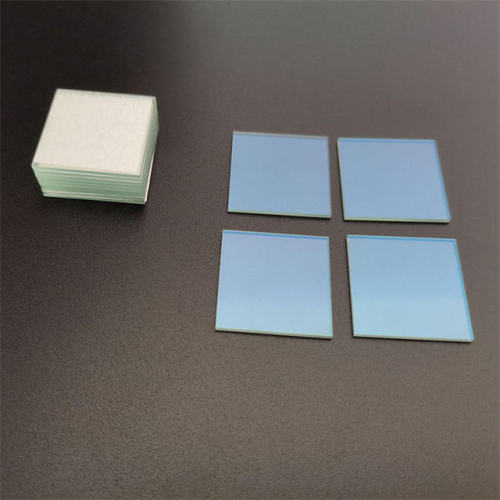
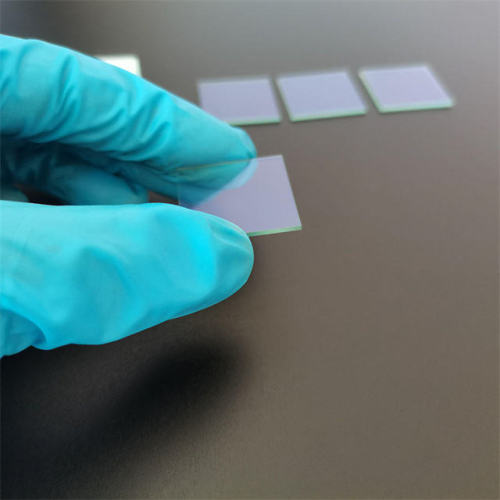
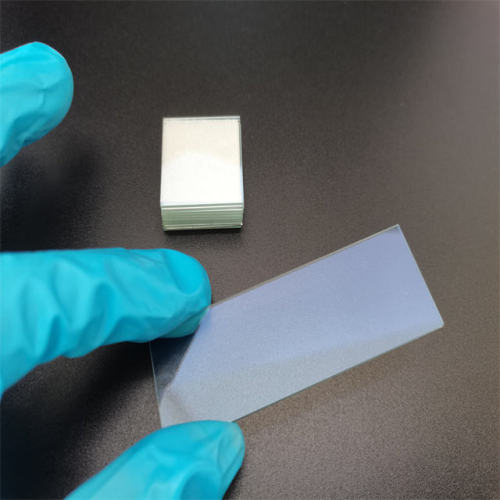
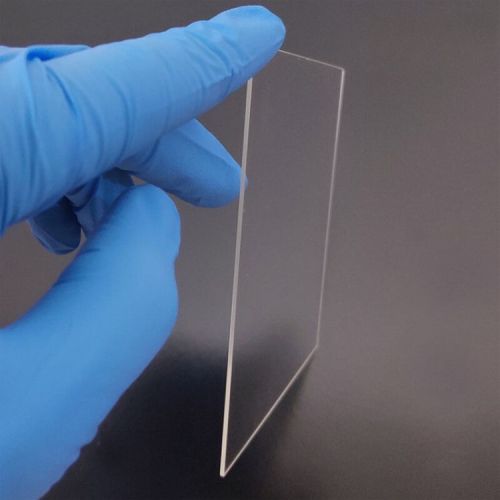
FTO Conductive Glass Electrodes | Lab Electrochemistry Fluorine Doped Tin Oxide Glass Slides
- Price
- US $2.88-6.26
- Model
- ITO-E01 1
- MOQ
- 5 piece
Item specifics
- Substrate
- Low-iron soda lime glass
- Conductive Film
- FTO (SnO₂:F)
- Sheet Resistance
- Sheet Resistance
- Visible Transmittance
- ≥82% @ 550nm
- Standard Dimensions
- 20×20mm, 25×75mm, 50×50mm
- Glass Thickness
- 1.1mm, 2.2mm, 3.0mm
- Max Operating Temperature
- ≤500°C
- Surface Roughness
- 10–25 nm RMS
- Chemical Resistance
- Stable in dilute acid, alkali and common organic solvents
- Custom Processing
- Cutting, drilling, edge chamfering, FTO etching & patterning
Review
Description
ITO Glass Electrodes | Lab Electrochemistry Conductive Glass Slides
Felix Glass supplies lab-grade FTO conductive glass (Fluorine Doped Tin Oxide) for university laboratories and industrial R&D teams. Produced by magnetron sputtering uniform FTO film on soda lime glass substrate, the material delivers stable conductivity, excellent optical transparency and outstanding high-temperature resistance. It serves as transparent conductive working/counter electrodes for photocatalysis, dye-sensitized solar cells and electrochemical testing. Technical Specifications
| Property | Value |
|---|---|
| Base Substrate | Low-iron soda lime glass |
| Conductive Film | FTO (SnO₂:F) |
| Sheet Resistance | 8 Ω/sq, 10 Ω/sq, 13 Ω/sq, 15 Ω/sq |
| Visible Transmittance | ≥82% @ 550nm |
| Standard Dimensions | 20×20mm, 25×75mm, 50×50mm |
| Glass Thickness | 1.1mm, 2.2mm, 3.0mm |
| Max Operating Temperature | ≤500°C |
| Surface Roughness | 10–25 nm RMS |
| Chemical Resistance | Stable in dilute acid, alkali and common organic solvents |
| Custom Processing | Cutting, drilling, edge chamfering, FTO etching & patterning |
Core Advantages vs ITO Glass
High Temperature Tolerance
FTO coating maintains stable conductivity up to 500°C, far better than ITO, perfect for high-temperature calcination in photocatalysis experiments.
Superior Alkali Resistance
Not prone to film degradation under alkaline electrolyte conditions, ideal for water splitting research.
Low Cost for Large Batch Tests
Cost-effective for repeated laboratory testing compared to quartz-based ITO substrates.
Uniform Rough Surface
Natural micro-roughness improves catalyst adhesion for photoelectrode fabrication.
Applications
- Photocatalysis & photoelectrochemical water splitting research
- Dye-sensitized solar cells (DSSC) & perovskite solar cell substrates
- Electrochemical cyclic voltammetry (CV) & three-electrode testing
- Electrochromic device research
- Biosensor and microfluidic lab chip electrodes
- High-temperature thermal treatment optical substrates
Custom Manufacturing Services
- Custom length, width and thickness cutting
- Precision drilling, notching and edge grinding
- Selective FTO etching for custom electrode circuit patterns
- Small laboratory prototype batches and mass bulk supply
- Size and resistance customization according to experimental requirements
Why Choose Felix Glass
- Strict lab-level batch consistency for repeated experimental data
- ISO 9001 certified, fully RoHS & REACH compliant
- Full resistance and transmittance testing before delivery
- Fast sampling delivery for academic research projects
- Professional technical guidance for electrode cleaning and experiment setup
- Global shipping to university labs across Europe and North America
FAQ
1.What is FTO glass mainly used for in labs?
FTO conductive glass acts as transparent conductive electrodes, widely applied in photocatalysis, solar cell preparation and high-temperature electrochemical experiments.
2.Difference between FTO and ITO glass?
FTO can withstand high temperature up to 500°C and has stronger alkali resistance; ITO features higher light transmittance, suitable for room-temperature UV spectroscopy tests.
3.What sheet resistance should I choose for photocatalysis?
10–13 Ω/sq is the most universal specification for most photocatalysis and water splitting projects.
4.Can FTO glass be heated under high temperature?
Yes, it can work stably under 500°C, no film peeling or resistance surge.
5.Is FTO film resistant to alkaline electrolytes?
FTO coating shows far better stability in alkaline solution than ITO without rapid attenuation of conductivity.
6.Can you pattern custom FTO electrode circuits?
We support selective etching to remove partial FTO film and create customized electrode structures.
7.What cleaning methods are suitable for FTO slides?
Sequential ultrasonic cleaning with detergent, deionized water, ethanol and acetone is recommended.
8.Do you provide small quantity lab samples?
Small trial samples are available for preliminary experimental verification.
Related Products
Link: Quartz Glass Plate
Link: Quartz Glass Tube
Link: ITO Glass Electrodes
Link: FTO Conductive Glass Electrodes
Link: https://www.felixglass.com/blog/
Link: Touch Screen Cover Glass
Link: AR AF AG Coated Glass Custom Multi-Coated Touch Screen Cover Glass for Display - Felix Glass