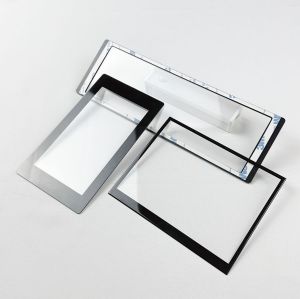
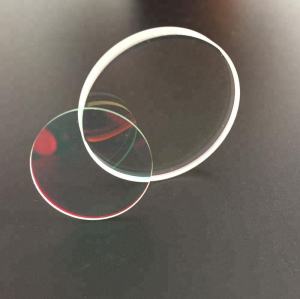
Stable image quality
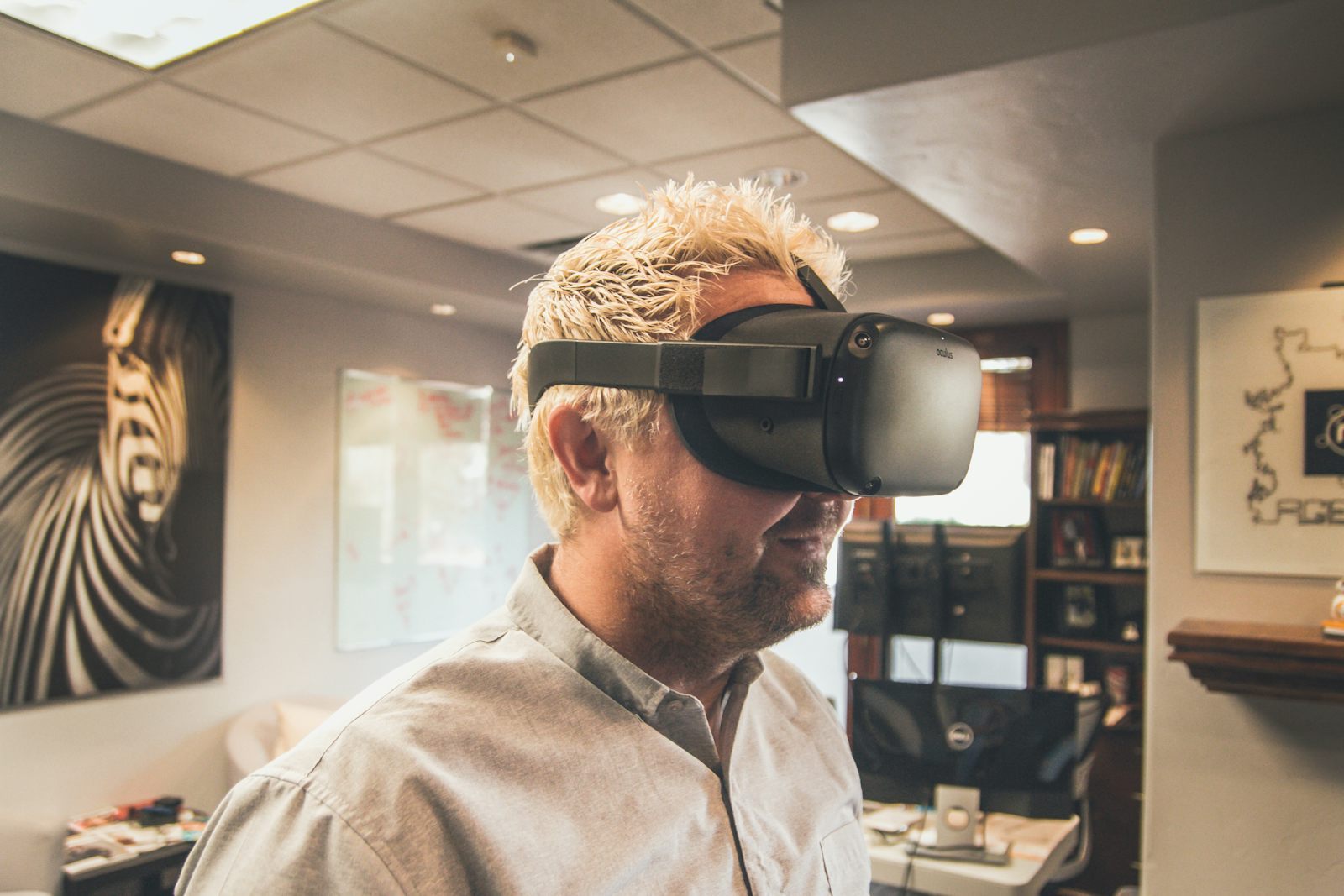
A-plane, low-birefringence material helps reduce polarization-related artifacts and image distortion in near-eye optical paths.
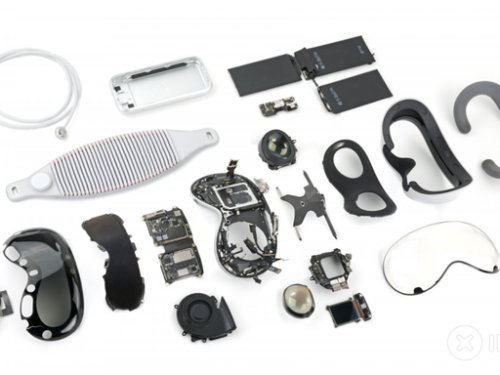
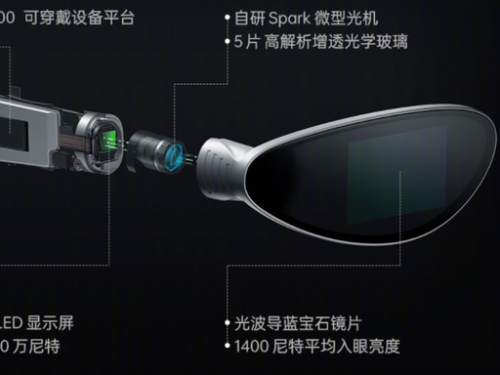

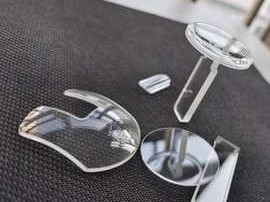
Optical-grade protection for compact near-eye displays This 0.1-0.5 mm single-crystal sapphire cover is engineered for AR/VR eyepiece modules that need a thin, hard, optically stable protective window. It combines Mohs 9 scratch resistance, tight thickness control, and a broadband anti-reflection coating for visible and near-infrared imaging paths. A-plane, low-birefringence material helps reduce polarization-related artifacts and image distortion in near-eye optical paths. Mohs 9 hardness provides durable resistance to scratches from cleaning, assembly, handling, and everyday headset use. Custom 0.1?0.5 mm sections support compact optical stacks while retaining sapphire's chemical and thermal stability. The following values are target acceptance criteria for the proposed broadband-coated component. Final spectral curves and angle-of-incidence performance are confirmed against the approved drawing and coating specification. Felix Glass supports custom outlines, compact apertures, edge profiles, holes, slots, and alignment features for prototype and production eyepiece assemblies. Manufacturability review focuses on minimum edge distance, corner radius, aspect ratio, and the handling risk of ultra-thin parts. The coating can be tuned for the visible display channel and the near-infrared sensing channel used by eye tracking, depth sensing, or illumination subsystems. Provide wavelength bands, target transmission, incidence angle, polarization state, and environmental requirements so the coating stack can be matched to the optical system. High resistance to abrasion during cleaning, assembly, transport, and repeated field use. More susceptible to visible scratching, depending on glass chemistry, treatment, and coating. Extreme compactness; drawing review required. Thin optical protection for space-limited modules. Balanced handling and compact integration. Greater stiffness for larger or exposed windows. Other thicknesses within the stated range can be reviewed for custom production. Practical limits depend on outline size, edge geometry, flatness, and coating stress. Crystal orientation, dimensions, and visible defects are checked before processing. Parts are cut, ground, polished, and cleaned with fixtures suited to ultra-thin sapphire. Optical performance, cosmetics, flatness, and critical dimensions are inspected to the agreed plan. Micro components are separated and cushioned to reduce contact and transit damage. Submit a 2D/3D drawing plus optical and cosmetic requirements for feasibility feedback. Machining, polishing, cleaning, and coating proceed after specifications are frozen. Approved samples establish inspection criteria, packaging, and repeatable mass-production controls. Front and internal eyepiece protection for compact VR and mixed-reality display modules. Scratch-resistant optical windows for maintenance, logistics, training, and remote-assistance devices. Coated protective windows for combined visible and NIR optical channels in compact wearable systems. Crystal orientation and material selection help limit polarization-related artifacts in sensitive imaging paths. The correct orientation should be confirmed with the optical design. Yes, a multi-band design can be evaluated when the required wavelength bands, incidence angles, polarization, and transmission targets are supplied. It is a target for ultra-precision production, but feasibility depends on part size, thickness, edge features, and measurement method. The drawing review establishes the final tolerance. Send the drawing, quantity, thickness, crystal orientation, wavelength bands, coating targets, flatness, cosmetic standard, and environmental requirements. For a useful engineering response, include the component drawing, annual demand, prototype quantity, optical bands, angle of incidence, coating target, and inspection standard. Felix Glass can then review manufacturability, sampling, and OEM production options for your AR/VR eyepiece cover. Inquiry contact: james@felixglass.com
Ultra-Thin Sapphire Cover For AR VR Eyepiece Overview
0.1?0.5 mm custom thickness?/10 flatness target?0.003 mm tolerance
Submit AR Eyepiece Drawing
Low Birefringence Sapphire Optical Advantage
Stable image quality
Hard protective surface
Thin mechanical envelope
Full Optical Transmittance Test Data
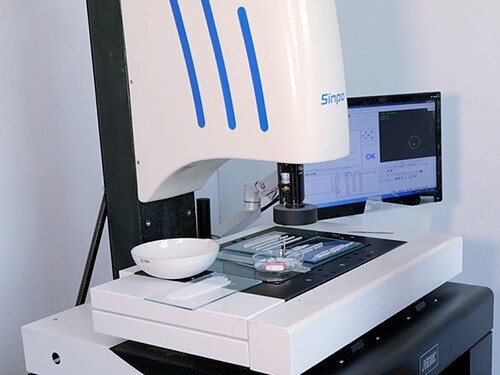
Optical parameter Target value Verification Visible transmittance ?92% from 400?700 nm Spectrophotometer scan Near-infrared transmittance ?88% from 700?1700 nm Spectrophotometer scan Surface flatness ?/10 at 632.8 nm Interferometric inspection Thickness tolerance ?0.003 mm Precision metrology
Micro-Size Precision CNC Machining Capacity
Broadband AR Coating For AR Imaging Systems
Dual-band optical design
Application-specific optimization
Anti-Scratch Performance Compared With Ordinary Glass
Single-crystal sapphireMohs 9Typical ordinary glassLower surface hardness
Standard Ultra-Thin Sapphire Thickness Options
Cleanroom Production Process Standard
Incoming material controlPrecision machiningCoating and inspectionProtected packing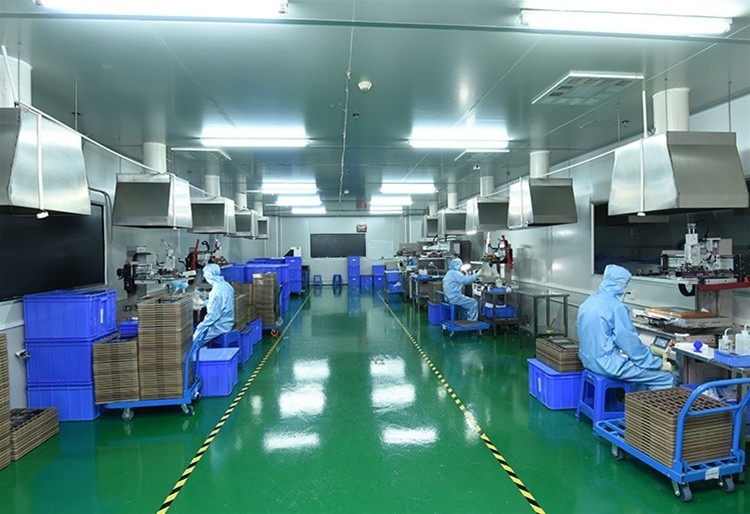
Prototype Sample Quick Delivery Cycle
Download Sapphire Coating Datasheet
1. Engineering review
2. Prototype build
3. Scale-up plan
Industrial & Consumer AR Equipment Matching Cases
Consumer headsets
Industrial smart glasses
Imaging and sensing modules
Technical FAQ For AR Sapphire Optics
Why specify low-birefringence sapphire?
Can one coating support visible display and NIR sensing?
Is ?0.003 mm available for every geometry?
What information is needed for a quotation?
Submit Your AR Eyepiece Drawing For Custom Quotation