01
Geometry Mismatch
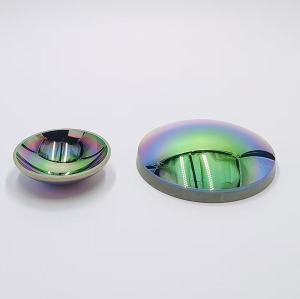
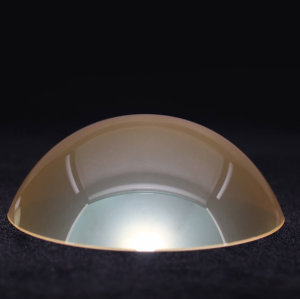
Diameter, radius, thickness, curvature, mounting interface and tolerances must match the optical and mechanical assembly.
Send your drawing or sample requirement for a fast quotation. MOQ, lead time and coating options are confirmed within one business day.
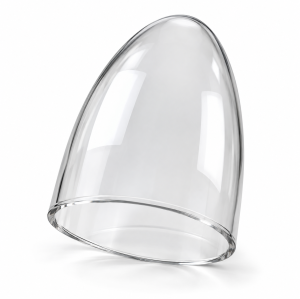
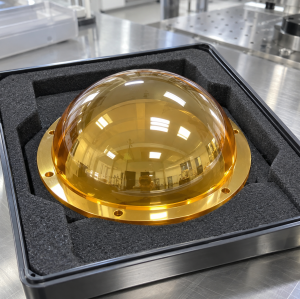
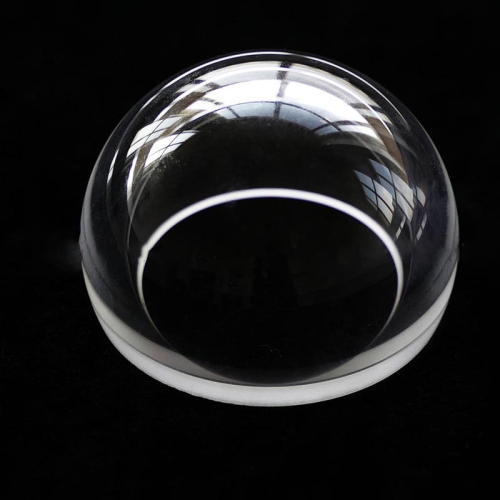
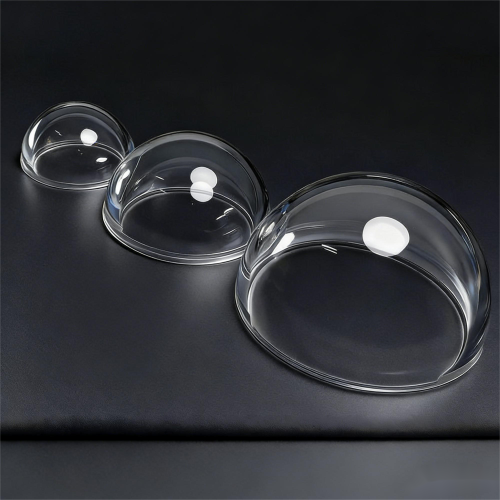
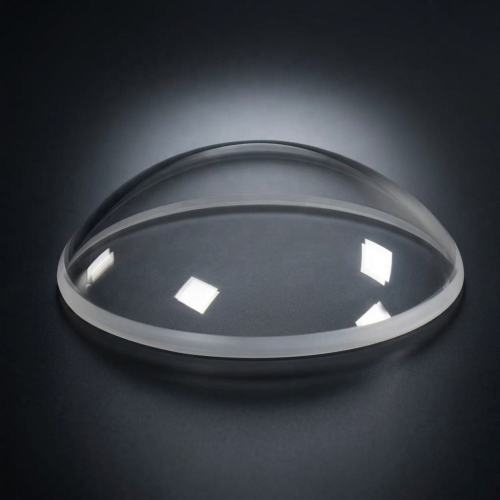
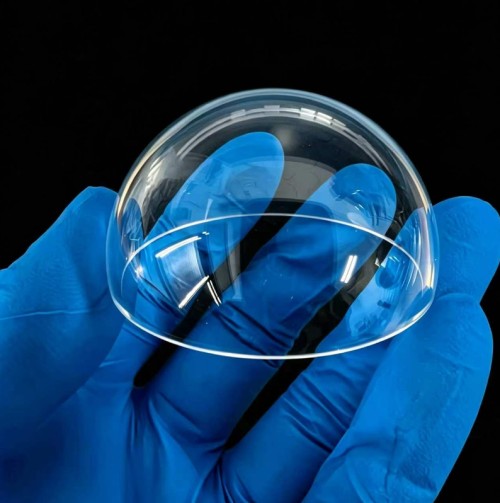
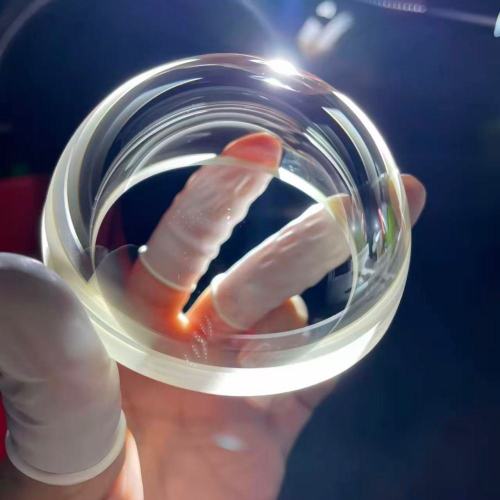
Precision CNC machined single-crystal sapphire sapphire domes with custom spherical or hemispherical geometry, optical polishing and AR / BBAR / application-specific coatings for underwater, ROV, EO/IR, aerospace and high-performance optical systems.
Dongguan Felix Glass Co., Ltd. manufactures custom sapphire sapphire domes for demanding optical protection, imaging, sensing and underwater applications—from single-piece prototypes for suitable projects to controlled production batches.
Factory-direct custom manufacturing•CNC / 5-axis precision•Optical polishing & coatings
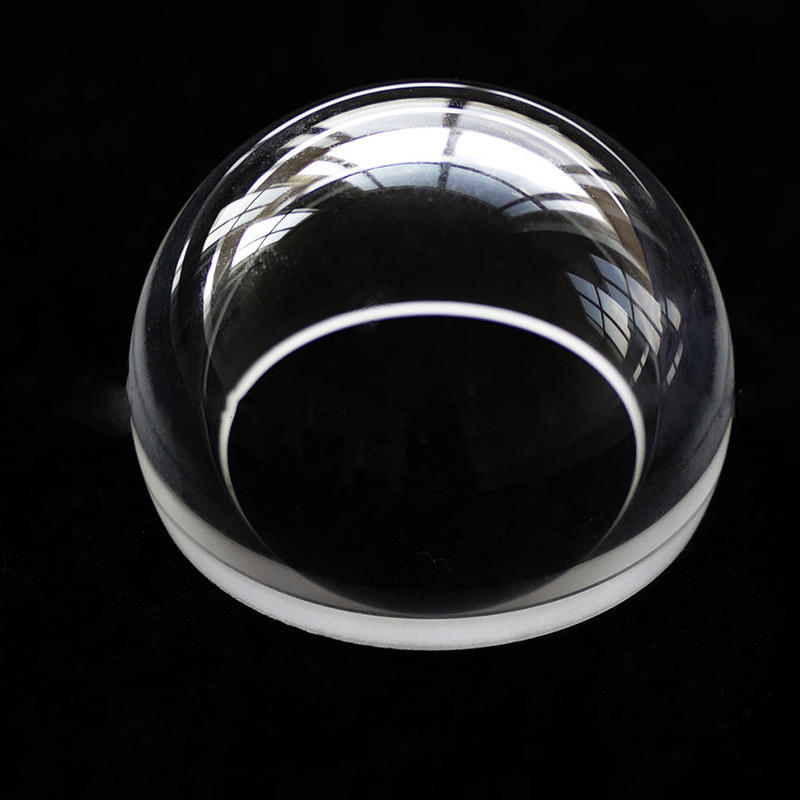 Custom Sapphire Dome
Sapphire dome integration depends on geometry, wall thickness, optical surface quality, machining accuracy, coating and mounting interface—not material hardness alone.
Diameter, radius, thickness, curvature, mounting interface and tolerances must match the optical and mechanical assembly.
Grinding, polishing, geometry control and surface finishing can affect image quality, transmission and distortion.
Sapphire offers excellent hardness and scratch resistance, but requires demanding machining, grinding and optical finishing control.
Uncoated surfaces may introduce reflection loss in systems requiring higher transmission or wavelength-specific performance.
Pressure, salt fog, humidity, abrasion, temperature change and impact can require specialized materials and treatments.
Variation in geometry, surface condition, coating or dimensions can disrupt prototype-to-production integration.
Material selection, precision machining, optical finishing, coatings and inspection are reviewed as one manufacturing system.
Single-crystal sapphire is evaluated against wavelength, geometry, thickness, thermal exposure, mechanical requirements and the complete system environment.
CNC and 5-axis CNC support custom diameter, thickness, spherical or hemispherical geometry, interfaces and drawing-defined tolerances.
Controlled grinding, polishing and optical surface finishing selected for the required surface condition and optical performance.
AR, BBAR, IR, AF, hydrophobic, anti-scratch and custom treatments configured around wavelength and environmental exposure.
Suitable materials and surface treatments for underwater, marine, outdoor, aerospace and demanding industrial environments.
Integrated engineering, machining, polishing, coating and inspection support validation and stable batch manufacturing.
These five categories define the engineering architecture of a custom sapphire dome—not a physical material stack.
Single-crystal aluminum oxide selected for high hardness, scratch resistance and demanding environmental durability.
Visible, NIR or compatible IR requirements, surface quality, figure, radius, wall thickness and clear aperture.
CNC / 5-axis CNC, cutting, grinding, contouring, polishing, drilling and mounting features.
AR, BBAR, IR, AF, hydrophobic, anti-scratch and application-specific treatments.
Dimensional, optical, surface, coating, appearance and drawing-based final quality control.
Final sapphire grade, geometry, processing route, coating and inspection plan are confirmed against the customer drawing and application requirements.
Final specifications are determined by the drawing, wavelength, environment, pressure, interface, coating and inspection criteria.
| Item | Technical Parameters |
|---|---|
| Product Type | Custom Sapphire Optical Dome |
| Material | Single-Crystal Sapphire |
| Diameter Range | Custom; feasible range depends on material, geometry, thickness and application |
| Geometry | Spherical, hemispherical and custom dome configurations |
| Thickness | Custom according to diameter, radius, pressure, optical, mechanical and environmental requirements |
| Dimensional Tolerance | Custom precision tolerances according to drawing and project requirements |
| Surface Finish | Ground / Fine Ground / Polished / Optical Polished |
| Coating | AR / BBAR / IR / AF / Hydrophobic / Anti-Scratch / Custom |
| Optical Performance | Application- and material-dependent; wavelength-specific configurations available |
| Surface Quality | Application-specific optical surface quality according to defined inspection criteria |
| Environment | Underwater / Marine / Outdoor / Industrial / Aerospace / Optical Instrumentation |
| Mounting Interface | Custom mechanical interface according to customer drawing |
| Prototype MOQ | 1 piece for suitable prototype projects, subject to engineering review |
Protective optical solutions for imaging and sensing systems across demanding operating environments.
ROV cameras, subsea inspection, marine robotics and underwater sensors.
Underwater cameras, offshore inspection and marine monitoring equipment.
Electro-optical, infrared, thermal and multispectral imaging assemblies.
LiDAR, autonomous platforms, robotics and environmental sensing.
Airborne cameras, UAV imaging, navigation and aerospace sensors.
Outdoor cameras, panoramic imaging and protective optical assemblies.
Machine vision, industrial cameras, sensors and inspection equipment.
Protective domes for wavelength-specific optical and laser systems.
Custom manufacturing support from material preparation and CNC machining through optical finishing, coating and inspection.
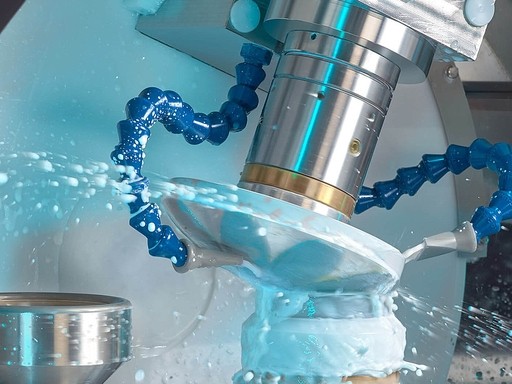
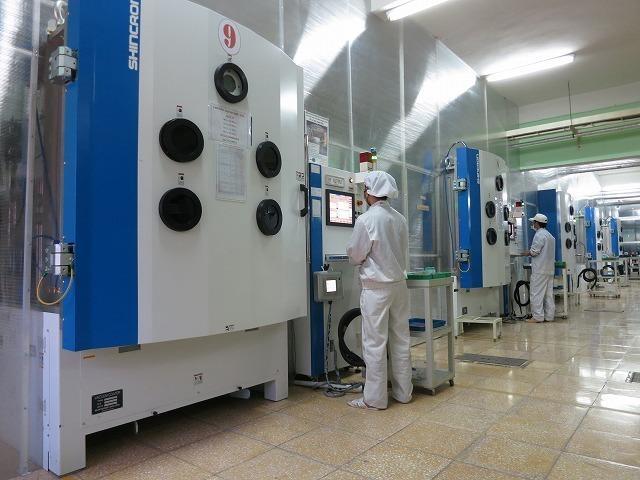
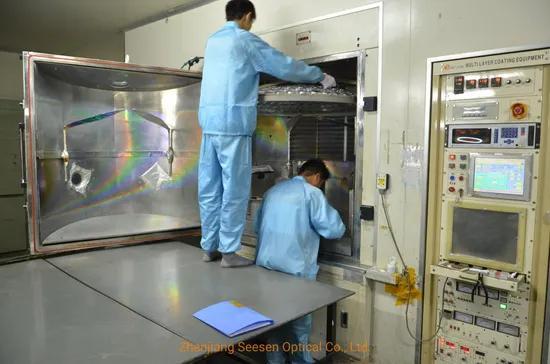
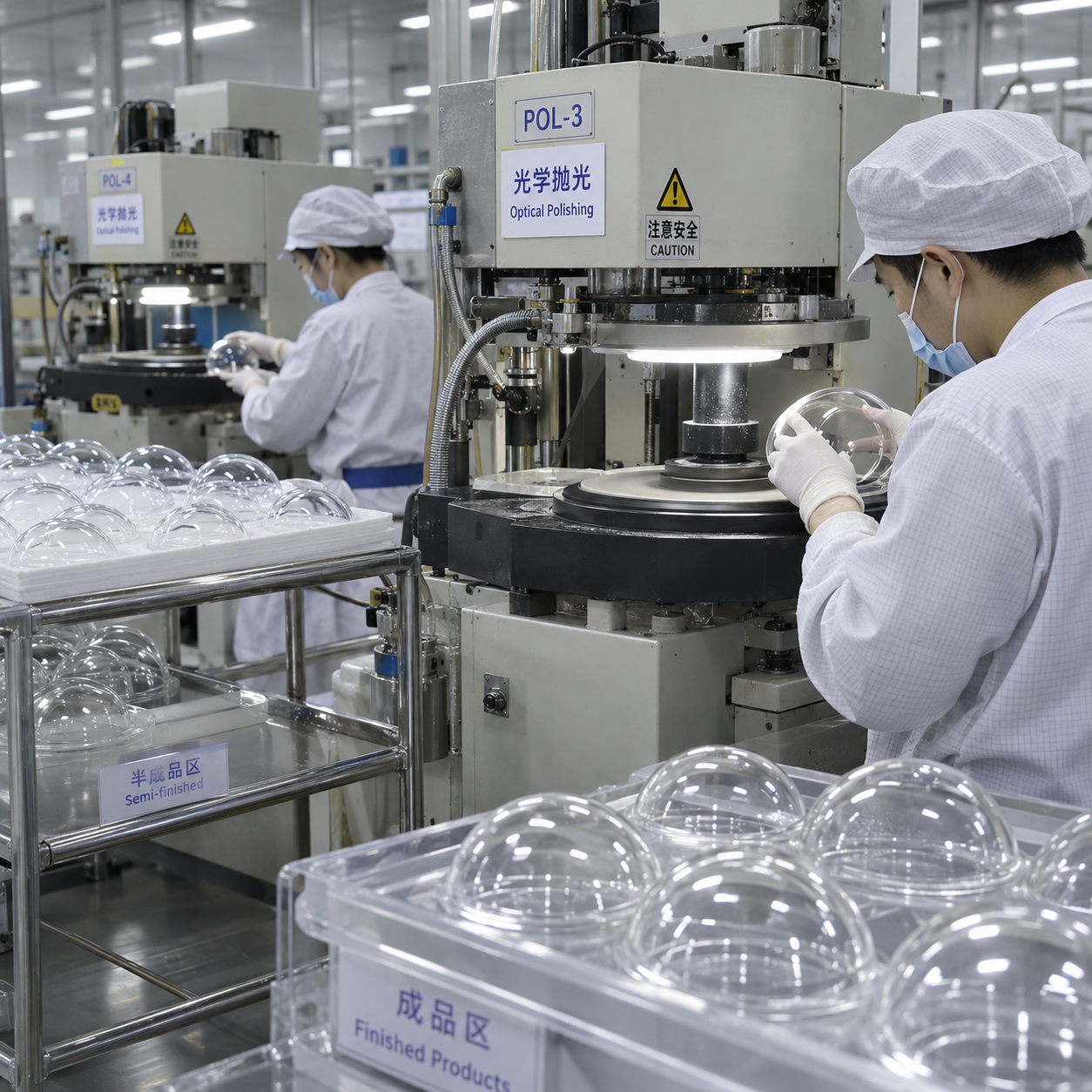
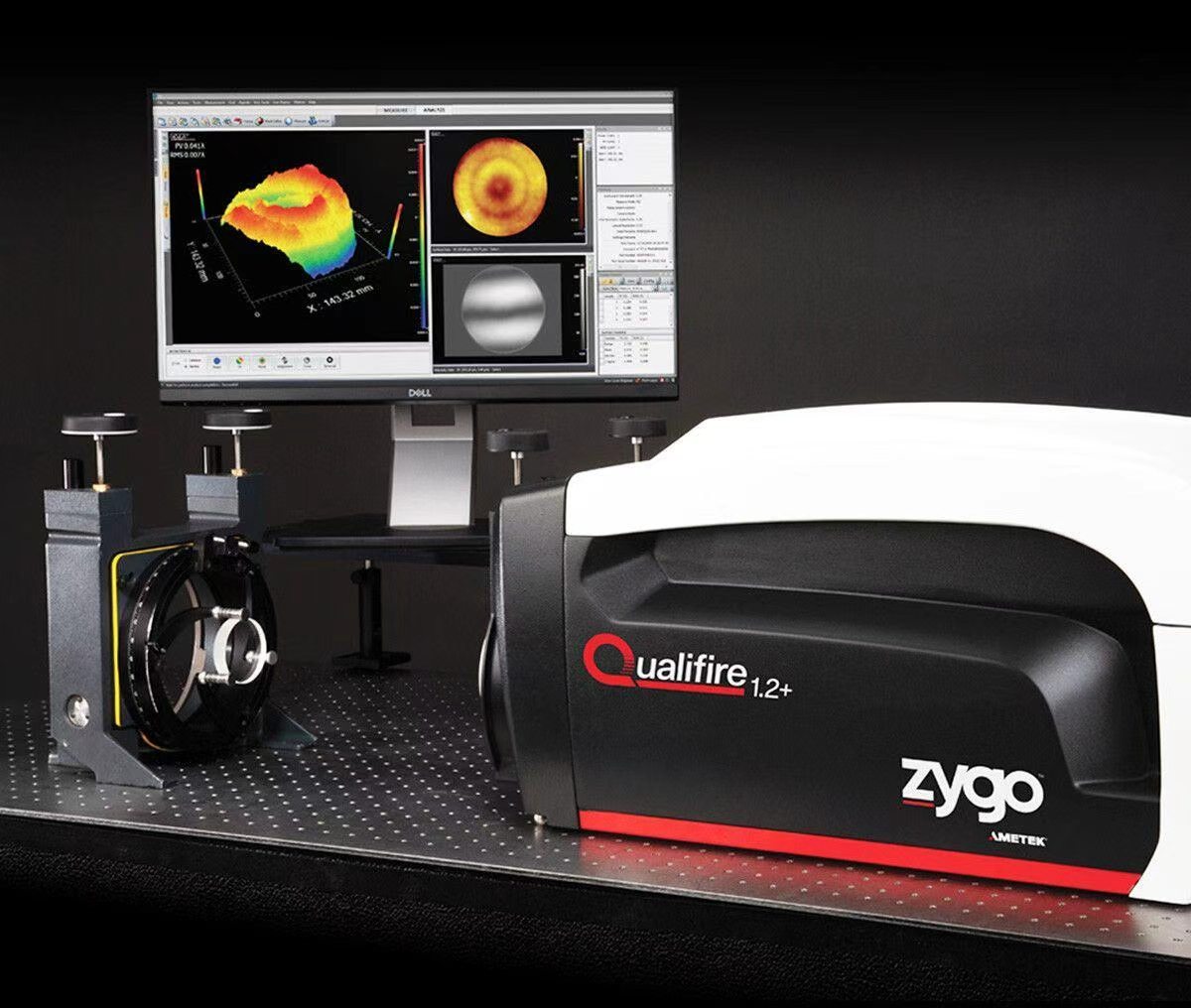
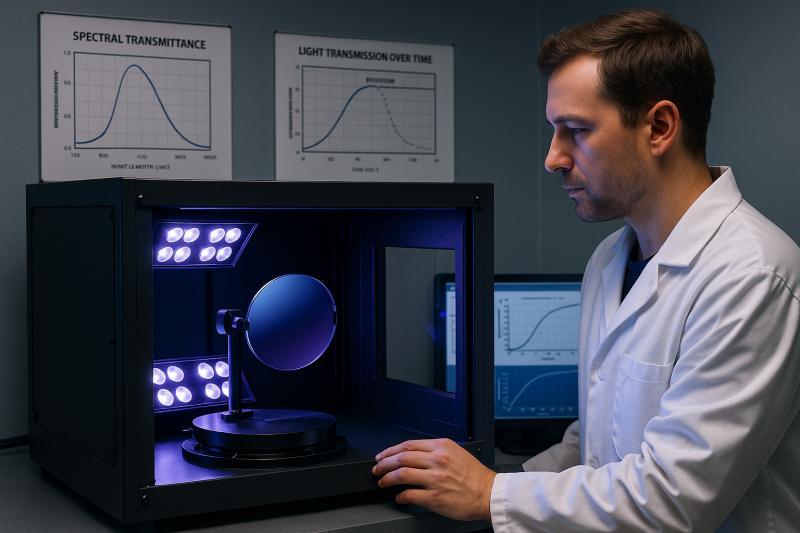
A structured engineering workflow supports prototype validation and controlled transfer to batch manufacturing.
Review geometry, material, wavelength, tolerances, coating, interface and environment.
Evaluate substrate, processing route, surface finish, coating and inspection plan.
Manufacture samples for optical, dimensional, mechanical and assembly validation.
Review validation feedback and refine geometry or manufacturing parameters.
Verify production stability and repeatability before larger-volume manufacturing.
Transfer approved specifications into controlled production and final inspection.
Sapphire is considered where hardness, scratch resistance and environmental durability are important. Final suitability depends on wavelength and the complete optical system.
| Selection Factor | Sapphire Engineering Consideration | Project Input Required |
|---|---|---|
| Mechanical Protection | Very high hardness and strong resistance to scratching and mechanical wear | Impact, abrasion and handling environment |
| Optical Compatibility | Useful transmission depends on grade, thickness, coating and operating wavelength | Required wavelength range and transmission target |
| Dome Geometry | Hardness increases the demands of forming, grinding and optical polishing | Diameter, radius, wall thickness, clear aperture and tolerances |
| Environmental Exposure | Suitable for many underwater, marine, aerospace and industrial protection applications | Pressure/depth, temperature, chemicals, salt fog and sealing design |
| Coating Design | AR, BBAR, compatible IR and functional treatments are application-specific | Wavelength, incidence angle, environment and coating performance requirements |
Applicable steps and inspection criteria are selected according to material, dome geometry, optical requirements, coating and application.
Verify substrate against incoming requirements and defined criteria.
Prepare blanks to approved dimensions and manufacturing requirements.
Machine contours, diameter, thickness, interfaces and custom geometry.
Control geometry, edge condition and surface preparation.
Finish optical surfaces to defined project requirements.
Apply specified AR, BBAR, IR or functional surface treatment.
Inspect critical dimensions, geometry, surfaces and coating.
Verify, protectively package and release approved products.
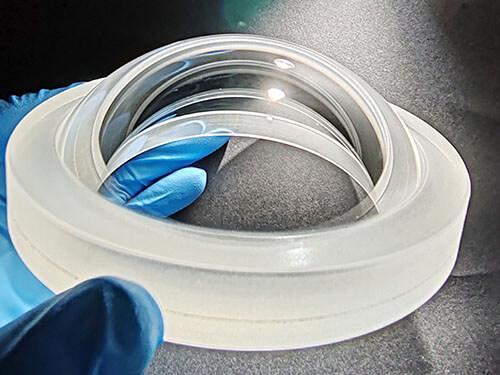
A sapphire optical dome is a curved protective optical component made from single-crystal sapphire for cameras, sensors and imaging systems. Its geometry may be spherical, hemispherical or custom-designed.
Yes. Felix Glass supports custom diameter, radius, thickness, geometry, tolerances, mounting interface, optical requirements and coatings according to approved drawings and project requirements.
Sapphire offers very high hardness and excellent scratch resistance compared with many conventional optical materials. It can be considered for systems exposed to demanding mechanical or environmental conditions, subject to wavelength and system compatibility.
Yes. Hemispherical, spherical and custom configurations can be evaluated against geometry, dimensions, thickness, interface and tolerances.
Yes. AR and BBAR coatings can be configured according to operating wavelength, incidence angle, transmission requirements and system design.
Yes. Custom solutions are available for underwater cameras, ROV systems, subsea inspection, marine monitoring and sensing. Material and geometry depend on pressure, depth, optics and mechanical design.
Yes. Felix Glass supports drawing-based ROV dome projects according to camera dimensions, optical requirements, mounting configuration, pressure or depth requirements and environmental conditions.
Suitable prototype projects may start from 1 piece. Production quantities can then scale according to the approved project requirements.
Yes. A single prototype can be discussed for suitable projects to help verify geometry, optical requirements and system integration before production.
Suitable standard configurations may require approximately 3–5 working days. Final timing depends on material, geometry, polishing, coating, inspection and quantity.
Yes. Felix Glass supports transition from prototype validation to pilot, small-batch and larger-volume production.
Inspection reports, material documentation and batch quality records can be provided according to agreed project and documentation requirements.
Please provide drawings or dimensions, material preference, diameter, radius, thickness, wavelength, coating, quantity, mounting interface, environmental conditions and application information whenever available.
Submit the available drawing, dimensions, sapphire requirement, quantity, coating requirement and application information through the RFQ form. Preliminary dimensions or a reference sample can also be reviewed when a final drawing is not yet available.
A complete drawing is not required to start. Share the information currently available and our team can review material, geometry, coating and manufacturing options.