IR Optical Dome | Infrared Optical Fairing for Thermal Imaging
- Model
- FG-IR Optical Dome
Item specifics
- Product Name
- IR Optical Dome / Infrared Optical Fairing
- Brand
- Felix Glass
- Material Options
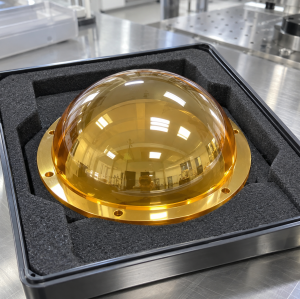
- Sapphire, CVD ZnS, Multispectral ZnS
- Available Shape
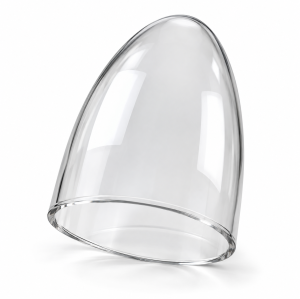
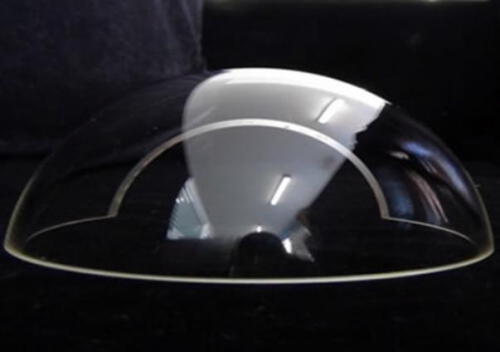
- Hemispherical, Spherical Cap, Ellipsoidal, Ogival (Pointed Arch)
- Working Wavelength
- MWIR 3–5μm, LWIR 8–14μm, Multi-spectral (Visible + IR)
- Coating Options
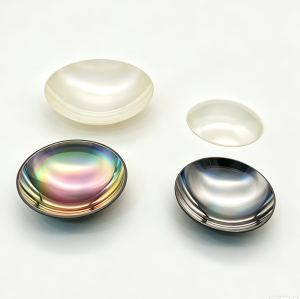
- AR, BBAR, DLC hard protective coating
- Surface Quality
- Custom per drawing (60-40 / 40-20 / 20-10)
- Wall Thickness
- Customized
- Outer Diameter
- Custom large & small diameter
- Feature
- Hollow curved IR shell, optimized for infrared transmission; airborne version for aerodynamic requir
- Application
- Airborne EO/IR pod, thermal imaging, UAV IR sensor, deep underwater optical imaging
- Inquiry Info Required
- Wavelength, drawing, optical specs, environment condition, coating requirement
- Service
- Custom fabrication, optical performance verification, OEM & ODM
Review
Description
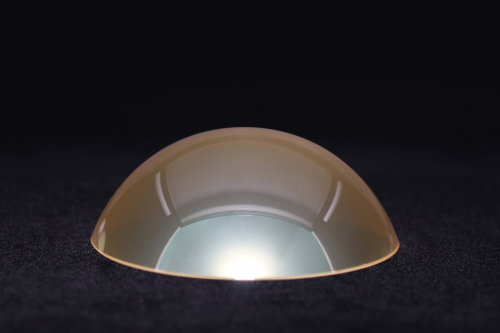
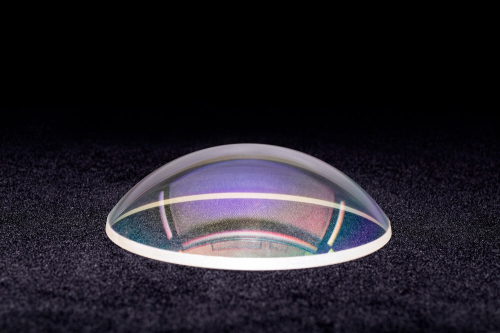
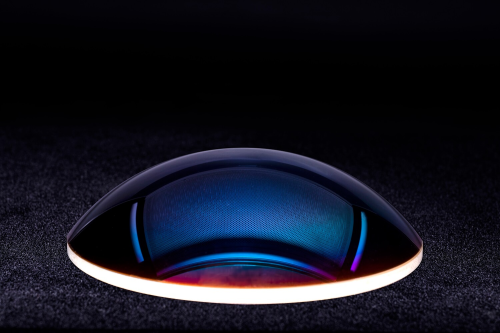
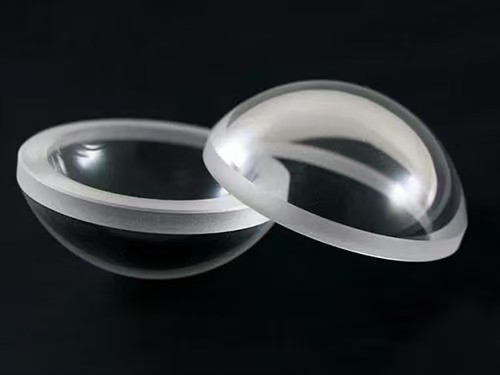
Custom infrared optical domes for thermal imaging,
multispectral sensing and airborne IR systems from Felix Glass.
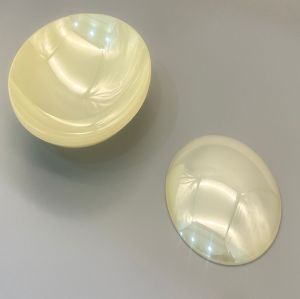
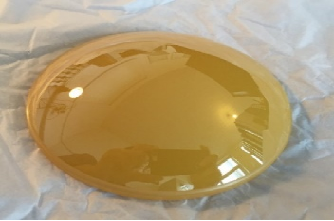
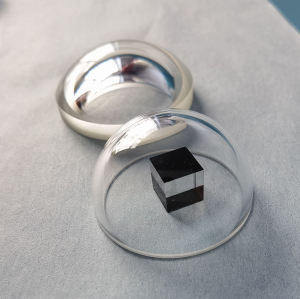
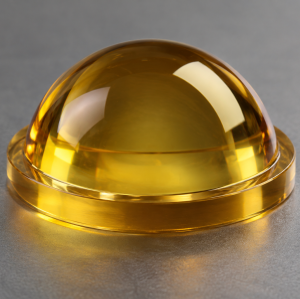
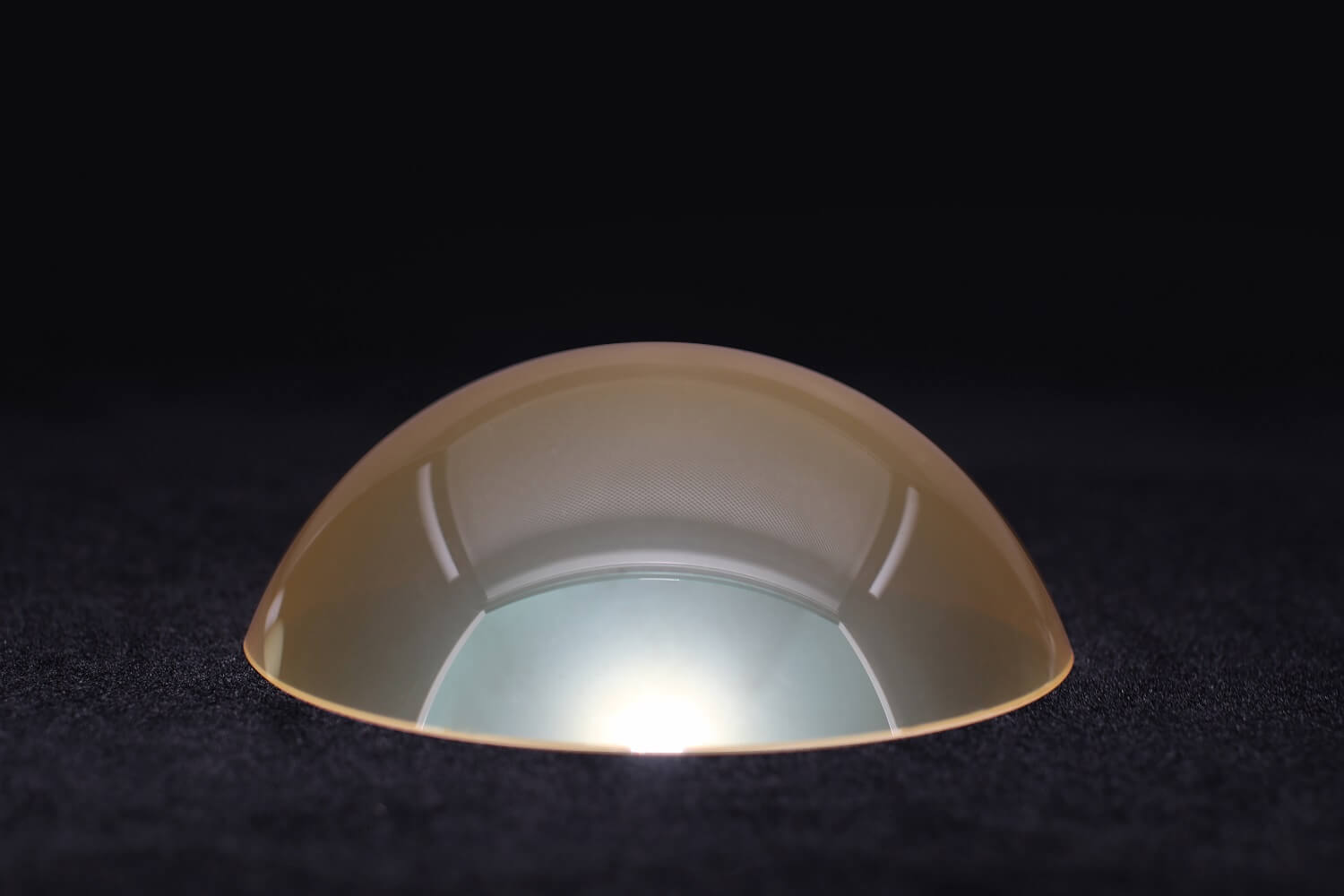
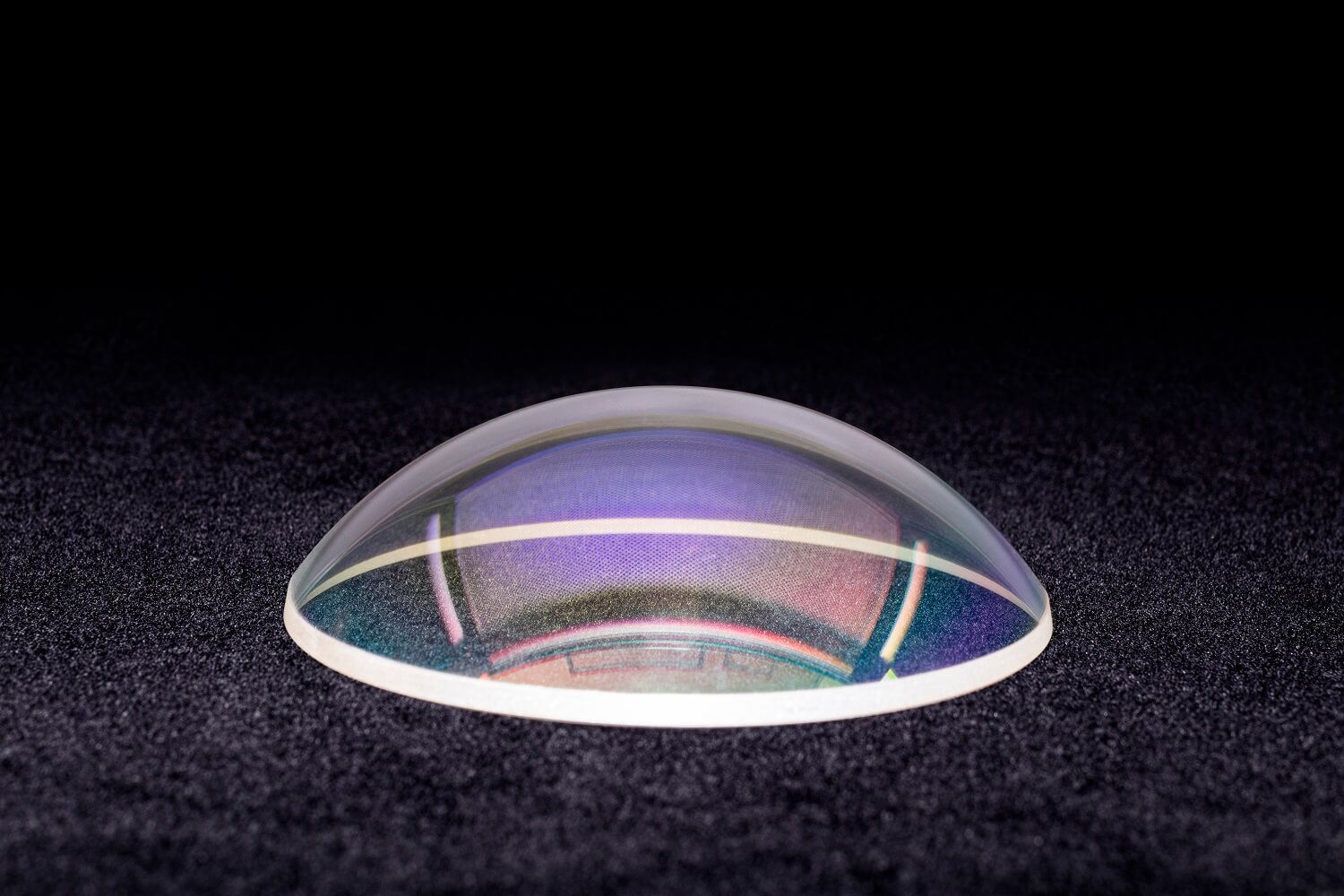
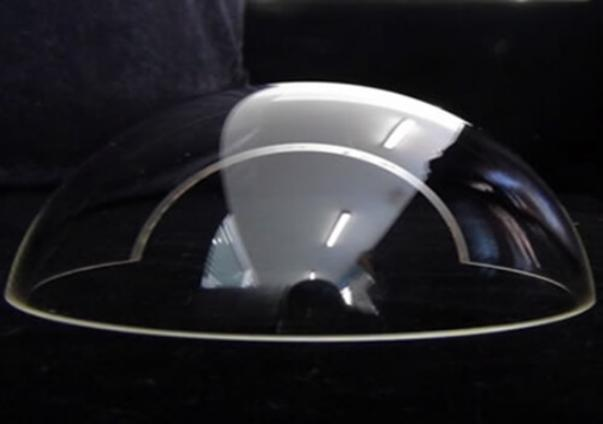
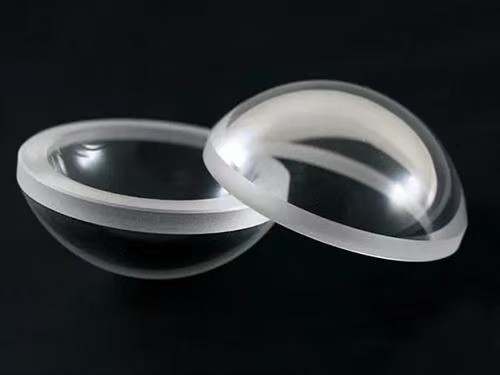
Illustrative product images. Actual appearance depends on the
substrate, material grade, thickness and coating design.
An IR optical dome is a hollow curved optical window designed
to transmit a specified infrared wavelength band while
protecting the camera, lens or detector behind it. It is a
specialized type of
optical dome.
For airborne installations, an infrared optical fairing also
forms part of the equipment’s aerodynamic contour. The term
“IR dome” describes the optical component; “infrared optical
fairing” emphasizes its aerodynamic role.
Visible clarity does not establish IR suitability.
A visibly transparent material may absorb thermal infrared
radiation, while a material that appears opaque may transmit
the detector’s operating band.
Transmit the required IR band while controlling absorption,
reflection and optical distortion.
Help protect internal optics from rain, dust and moisture.
Sealing and erosion resistance depend on the complete
material, coating and mounting design.
Integrate with an airborne sensor housing or pod while
balancing external contour, field of view and imaging
performance.
Start with the detector’s working wavelength band, then
evaluate optical performance, environmental exposure and
manufacturing requirements.
BBAR and DLC are not interchangeable specifications.
Coating availability and performance require evaluation
of substrate compatibility, adhesion, spectral
transmission, dome geometry and operating conditions.
Transmission depends on material grade, wall thickness,
temperature, coating and angle of incidence. Performance
targets are defined during drawing and specification review.
Hemispherical, spherical-cap, ellipsoidal and ogival geometries
can be evaluated for custom projects. Shape selection balances
field of view, aerodynamic requirements, mounting constraints
and manufacturability.
A dome is a protective window, but it is not optically neutral.
Inner and outer surface profiles, wall-thickness variation,
alignment and thermal or mechanical deformation can affect
image quality. Evaluate the dome together with the lens and
detector in the complete optical system.
Send your drawing and operating requirements to help us assess
material, geometry and coating feasibility.
Send drawings directly to
james@felixglass.com
or call
+86-18565032888.
IR Optical Dome | Infrared Optical Fairing
What Is an IR Optical Dome?
Three Core Functions
Infrared Transmission
Environmental Protection
Aerodynamic Integration
Material and Coating Selection
Substrate Options
Coating Options for Evaluation
Dome Shapes and Optical Integration
Request a Custom IR Dome