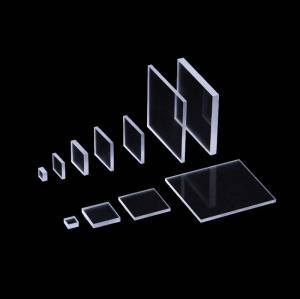
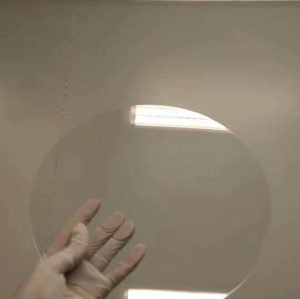
1700 deg C Operation
Continuous service temperature rating for single crystal sapphire in thermal sensing applications, with a softening point above 2000 deg C.
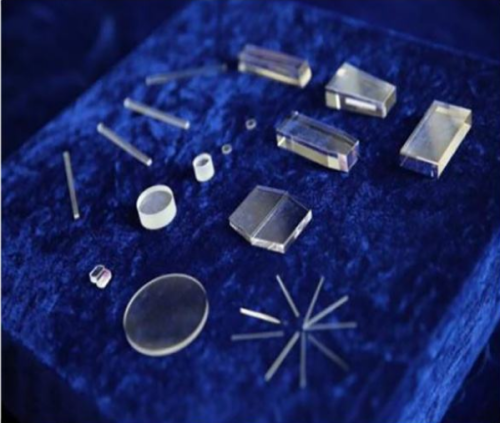
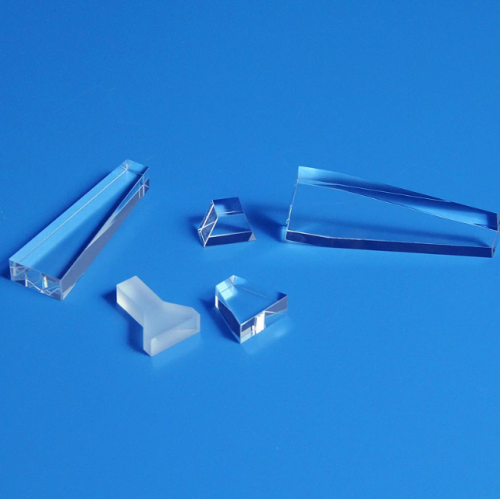
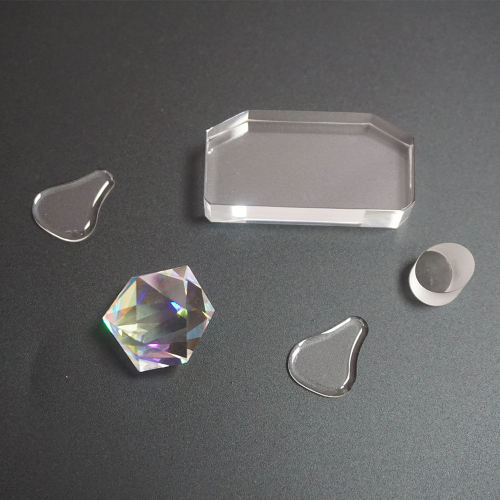
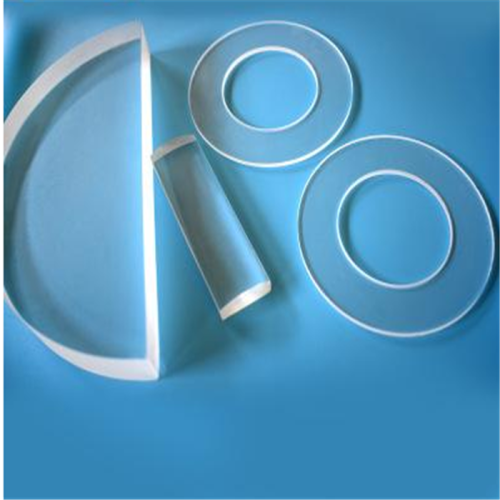
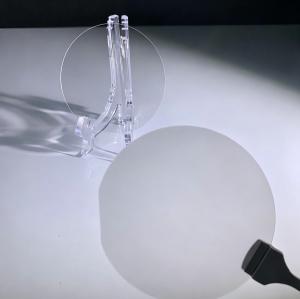
A single crystal sapphire optical window engineered for continuous operation in thermal monitoring and sensing equipment up to 1700 degrees C. The window provides a durable, IR-transparent barrier between sensitive sensor optics and harsh industrial process environments.
Felix Glass supplies drawing-defined sapphire sensing windows with optional anti-reflection coatings, custom dimensions from 0.5 mm to 200 mm diameter, and surface quality controlled to project specifications for US-based thermal sensing equipment manufacturers and furnace system integrators.
Request Engineering Review
Continuous service temperature rating for single crystal sapphire in thermal sensing applications, with a softening point above 2000 deg C.
Second only to diamond in hardness among transparent optical materials, providing scratch resistance in abrasive industrial environments.
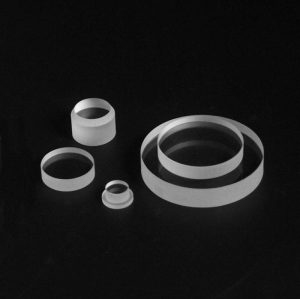
Diameter range covers compact sensor ports through large furnace viewport requirements, with thickness from 0.1 mm to 30 mm.
Broadband optical transmission from approximately 0.2 micron m through 5 micron m, covering visible, NIR and MWIR sensor bands.
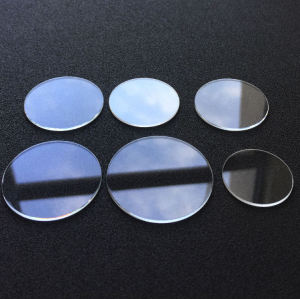
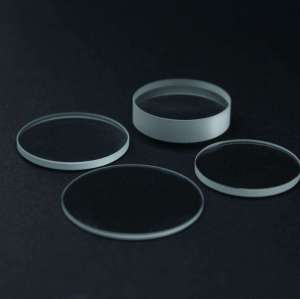
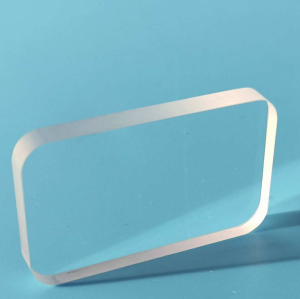
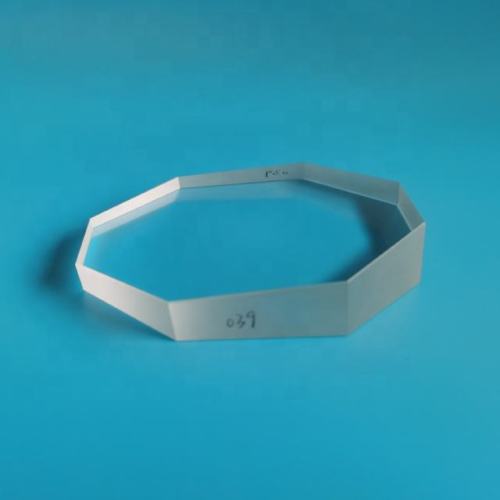
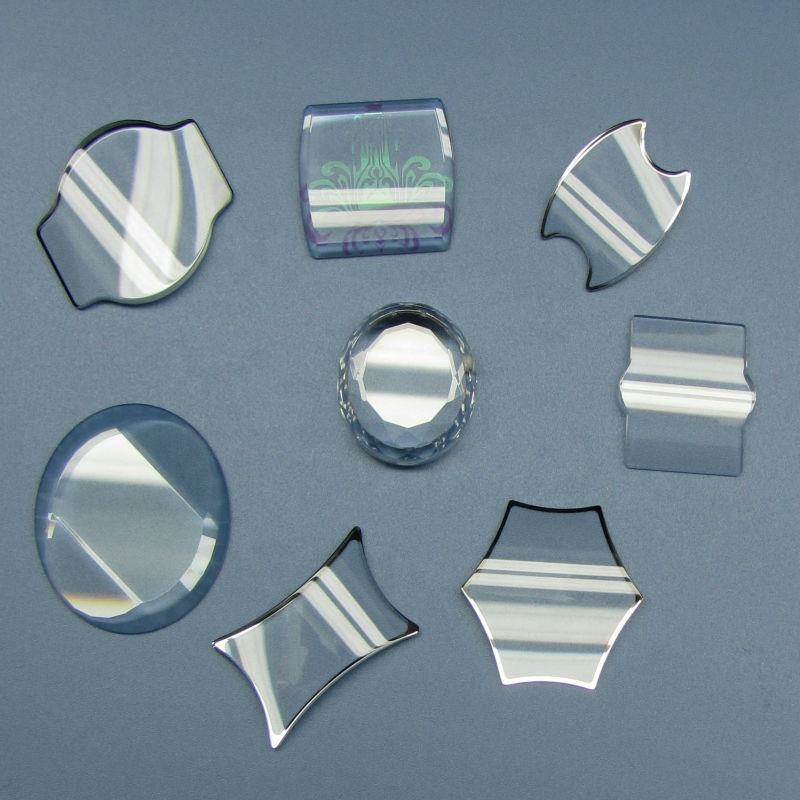
Round, rectangular, octagonal, stepped and drawing-defined profiles manufactured to dimensional tolerances as tight as plus or minus 0.005 mm.
Single-side and double-side broadband anti-reflection coatings available for target wavelength bands to maximize sensor signal throughput.
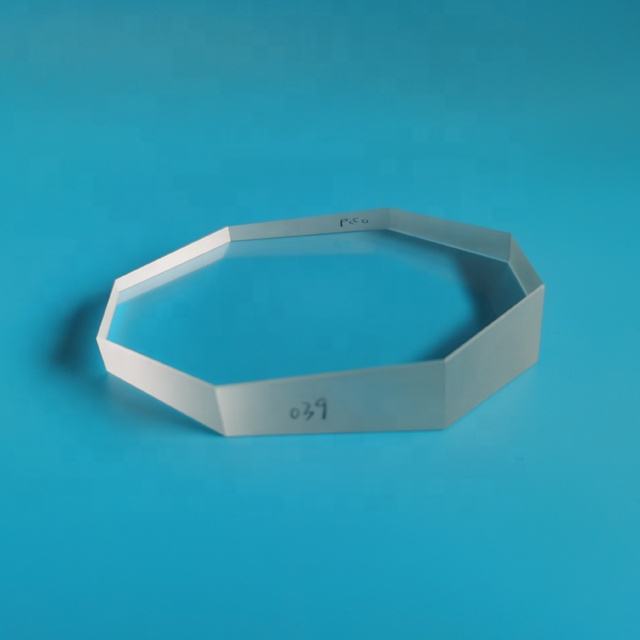
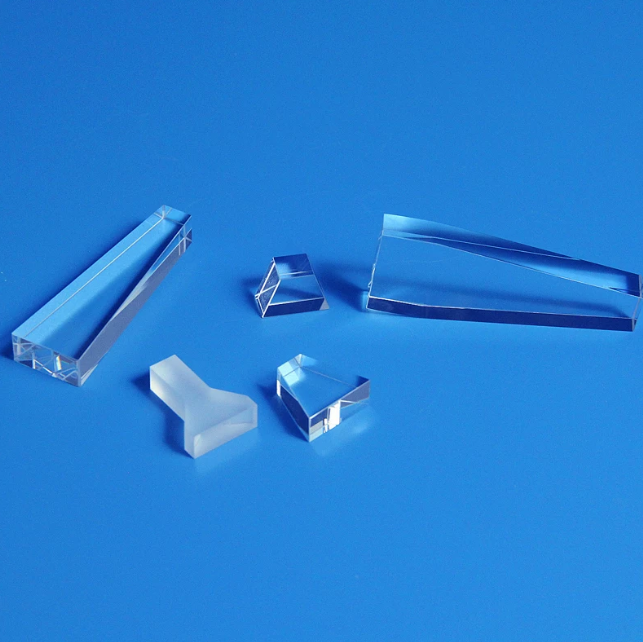
Synthetic single crystal sapphire, or Al2O3, is grown under tightly controlled conditions and oriented along either the A-plane or C-plane depending on the optical and mechanical requirements of the application. The crystal structure delivers a combination of high transmission across a wide spectral range, exceptional hardness, and thermal stability that few other transparent materials can match in a single substrate.
C-plane sapphire is frequently specified for thermal sensing windows where isotropic thermal expansion and consistent birefringence behavior are important. A-plane orientation may be selected for specific polarization or crystal-axis requirements. Felix Glass reviews crystal orientation against the intended wavelength, angle of incidence and environmental conditions before confirming manufacturability.
With 99.99 percent Al2O3 purity, the material maintains its optical and mechanical properties through repeated thermal cycling, making it suitable for continuous monitoring applications where frequent temperature swings are part of normal operation.
Explore sapphire optical material capabilities| Parameter | Specification |
|---|---|
| Continuous Operating Temperature | Up to 1700 deg C |
| Short-Term Peak Temperature | Up to 1800 deg C |
| Softening Point | 2040 deg C |
| Thermal Expansion Coefficient | Approximately 5.3 to 8.4 times 10 to the minus 6 per deg C, orientation dependent |
| Thermal Conductivity at 300 K | Approximately 25 to 42 W per m K, orientation dependent |
| Thermal Shock Resistance | High, suitable for rapid temperature transitions when mounting design accommodates thermal expansion |
Temperature ratings assume proper mounting that accounts for the thermal expansion mismatch between sapphire and the housing material. Confirmed through application review.
| Mechanical Property | Typical Value |
|---|---|
| Knoop Hardness | Approximately 2000 kg per mm squared |
| Mohs Hardness | 9 |
| Young Modulus | Approximately 345 to 400 GPa |
| Compressive Strength | Approximately 2 GPa |
| Density | 3.98 g per cm cubed |
| Chemical Resistance | Resistant to most acids and alkalis up to elevated temperatures; attacked by hydrofluoric acid |
Mechanical values are orientation dependent. Actual values confirmed against the selected crystal plane and test method defined in the purchase specification.
Single crystal sapphire transmits from approximately 0.17 micron m in the UV through approximately 5.3 micron m in the mid-IR, covering the visible spectrum, near-infrared and most of the mid-wave infrared band used by thermal monitoring cameras and pyrometric sensors.
Uncoated sapphire transmits approximately 85 to 87 percent per surface across its transmission window, with Fresnel reflection losses at each air-to-sapphire interface. A properly specified broadband anti-reflection coating can raise per-surface transmission above 98 percent within the target wavelength band, improving overall system signal-to-noise ratio for thermal sensing applications.
Transmission uniformity and wavefront distortion are controlled through polishing specifications that define flatness, typically at lambda by 4 or better, and surface quality, typically at 40-20 scratch-dig or better. The exact specification is aligned with the sensor resolution, wavelength and optical path design.
View high temperature sensing optical solutions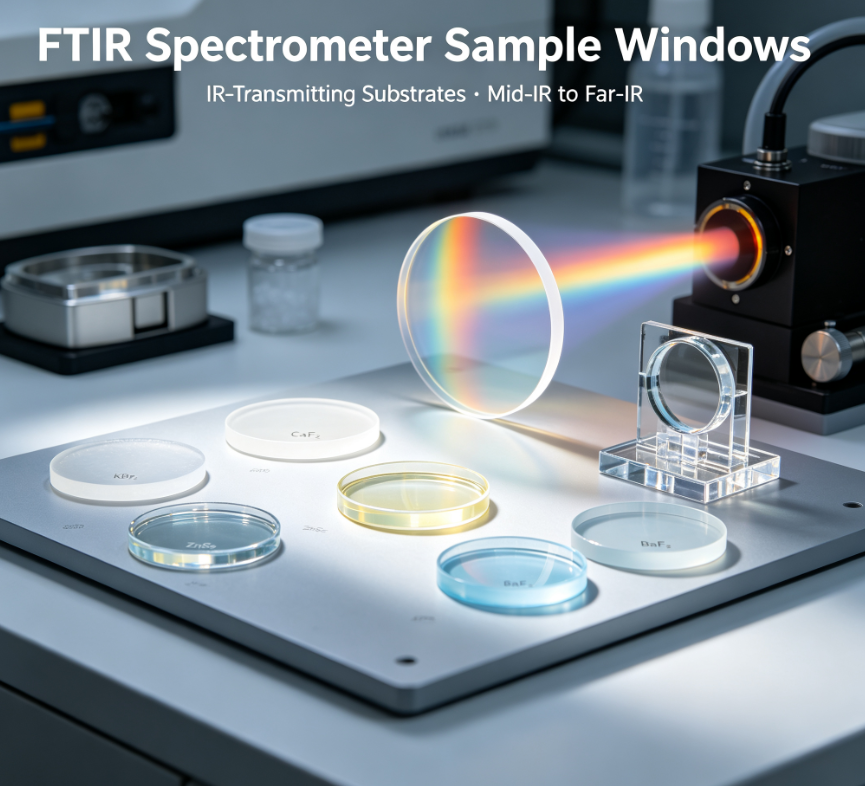
Each sapphire sensing window is manufactured to a customer-provided drawing, not selected from a standard catalog. This drawing-defined approach ensures that clear aperture, edge profile, thickness and mounting features align with the sensor housing and optical path design from the start.
CAD, STEP or PDF drawings are reviewed for geometry, tolerances, crystal orientation and clear aperture feasibility before production begins.
Crystal orientation, purity grade and blank dimensions are matched to the target wavelength, operating temperature and finished part geometry.
Multi-axis CNC equipment cuts and shapes the sapphire blank to the drawing profile, controlling edge quality and dimensional accuracy.
Double-sided polishing achieves the specified flatness, parallelism, surface quality and transmitted wavefront error for the clear aperture.
| Dimensional Parameter | Capability Range |
|---|---|
| Diameter | 0.5 mm to 200 mm |
| Thickness | 0.1 mm to 30 mm |
| Dimensional Tolerance | As tight as plus or minus 0.005 mm, subject to drawing review |
| Flatness | Lambda by 4 or better at 632.8 nm |
| Parallelism | As tight as 10 arcseconds |
| Surface Quality | 40-20 scratch-dig or better |
| Available Profiles | Round, rectangular, octagonal, stepped, chamfered, elliptical and custom outlines |
Achievable tolerances depend on diameter, thickness, aspect ratio, crystal orientation and the selected inspection method. Felix Glass confirms feasibility against your drawing before production commitment.
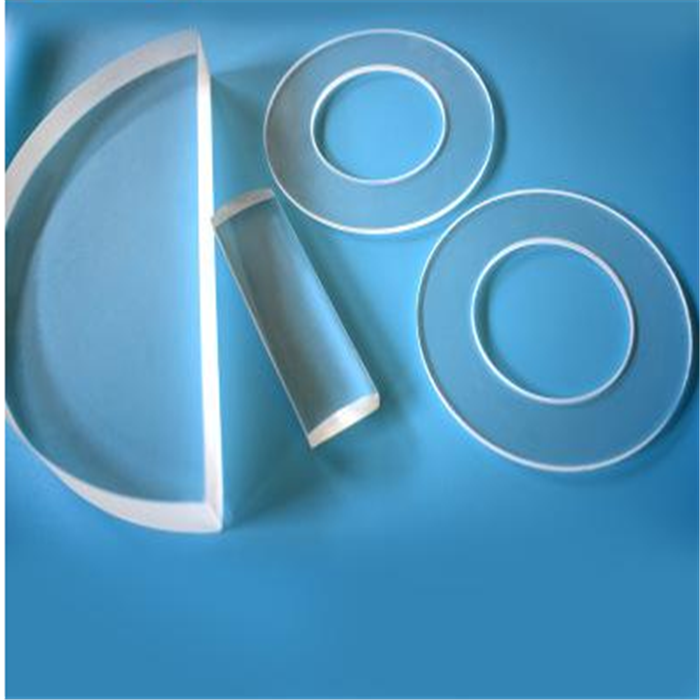
Uncoated sapphire loses approximately 14 percent of incident light per surface to Fresnel reflection. For thermal sensing applications where every photon counts, anti-reflection coatings are a practical way to improve system sensitivity without changing the detector or optics.
Felix Glass offers single-side and double-side AR coatings tuned to the customer wavelength band. Common coating bands include 1 to 3 micron m for short-wave IR sensors, 3 to 5 micron m for mid-wave IR thermal cameras, and custom broadband coatings spanning multiple sensor bands when needed.
Coating durability is evaluated for the intended operating environment, including temperature stability, humidity resistance and adhesion under thermal cycling. When the application involves direct exposure to process gases or cleaning chemicals, the coating stack is reviewed for chemical compatibility before coating design is finalized.
Surface quality directly affects the transmitted wavefront, scatter and overall sensor signal integrity. For thermal monitoring applications where the window sits between the sensor and the process environment, surface defects can introduce measurement errors that are difficult to separate from real process variations.
Typically 40-20 per MIL-PRF-13830B, with tighter grades available for high resolution or laser-based sensing systems.
Lambda by 4 to lambda by 10 at 632.8 nm across the clear aperture, measured by laser interferometer and reported with the inspection data.
Controlled wedge angle, typically 10 arcseconds to 1 arcminute depending on the optical path tolerance and beam deviation requirements.
Typically below 1 nm Ra on polished surfaces, measured by white light interferometry or atomic force microscopy per project requirement.
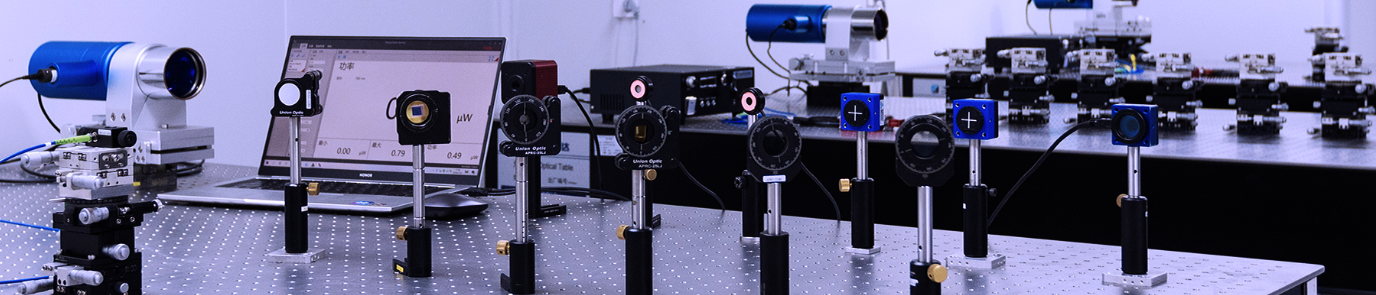
Sapphire sensing windows serve as the optical interface in thermal monitoring systems across several industrial sectors. Each application has specific requirements for wavelength, temperature range, pressure and mounting configuration.
Real-time temperature measurement and process observation through furnace walls using IR cameras and pyrometers. The sapphire window withstands direct exposure to furnace atmosphere at temperatures where standard optical glasses would deform or devitrify.
Protective windows for in-situ temperature sensors, optical pyrometers and spectroscopic probes installed in chemical reactors, melt vessels and heat treatment chambers where the optical path must remain clear through extended campaigns.
Optical access windows for TGA, DSC and high temperature spectroscopy instruments requiring a stable, chemically resistant optical interface between the sample chamber and the detection optics.
Sapphire viewports for plasma process monitoring and combustion diagnostics where the window must resist thermal shock, particle impact and chemical attack from reactive species.
Observation windows for vacuum and controlled-atmosphere furnaces used in metal heat treating, ceramic sintering and semiconductor wafer processing.
Sapphire optical probes and viewports for combustion chamber monitoring and exhaust gas temperature measurement in gas turbine development and testing.
Furnace observation systems present one of the most demanding environments for an optical window. The window must maintain optical clarity through temperature cycles that can span hundreds of degrees in minutes, while resisting deposits from process gases, metal vapors and particulate contamination.
Sapphire addresses these challenges through its combination of high thermal conductivity relative to other optical ceramics, chemical inertness to most process atmospheres and a surface hardness that resists particle erosion during purge cycles. When paired with a properly designed mounting assembly that accommodates the thermal expansion difference between sapphire and the housing, the window can serve through extended furnace campaigns without degradation of the optical signal.
For vacuum furnace applications, sapphire windows can be integrated into standard ConFlat, ISO-KF and custom flanged assemblies with metal or elastomer sealing. Felix Glass reviews the mounting interface, seal configuration and thermal gradient across the window as part of the feasibility assessment.
Explore furnace observation glass solutions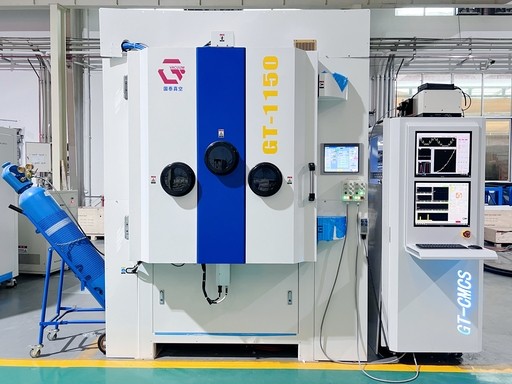
Selecting the right window material for a thermal sensing application involves trade-offs between temperature rating, transmission range, mechanical durability and cost. The table below compares sapphire with other optical materials commonly considered for high temperature sensing windows.
| Property | Sapphire Al2O3 | Fused Silica SiO2 | Borosilicate Glass | Zinc Selenide ZnSe |
|---|---|---|---|---|
| Max Continuous Temp | 1700 deg C | 1100 deg C | 500 deg C | 300 deg C |
| Transmission Range | 0.17 to 5.3 micron m | 0.18 to 2.2 micron m | 0.35 to 2.0 micron m | 0.6 to 16 micron m |
| Mohs Hardness | 9 | 6.5 | 5.5 | 3 to 4 |
| Thermal Shock Resistance | High | Very High | Moderate | Low |
| Chemical Resistance | Excellent except HF | Good except HF and strong alkalis | Moderate | Sensitive to acids and moisture |
| Typical Cost Position | Higher | Moderate | Lower | Moderate to High |
Material selection should be based on the specific temperature, wavelength, pressure, chemical environment and lifetime requirements of the application. Felix Glass provides application-specific material recommendations during the engineering review process.
Incoming sapphire blanks are inspected for crystal orientation, internal defects, striae and impurity levels before machining begins.
Multi-axis diamond tooling cuts the blank to drawing dimensions, with edge chamfering and profile control confirmed against the CAD model.
Progressive lapping and optical polishing achieve the specified flatness, parallelism and surface quality across the clear aperture.
Vacuum deposition applies AR coatings in a controlled environment, with in-situ monitoring of layer thickness and spectral performance.
Finished windows are measured for transmitted wavefront, spectral transmission, surface quality and dimensional conformance using calibrated instruments.
Coating adhesion, temperature cycling and humidity exposure tests are available when specified in the purchase agreement or qualification plan.
100 percent visual inspection under controlled lighting verifies surface condition, edge quality and coating uniformity before release.
Each window is individually separated and protected in packaging matched to part geometry and shipment method to prevent handling damage.
Every sapphire sensing window project at Felix Glass starts with an engineering review, not a catalog part number. This process is designed to identify potential issues before material is cut and to align the finished part with the actual operating conditions.
These internal resources may be useful when specifying a complete optical monitoring system or comparing sapphire window options with alternative configurations.
Single crystal sapphire can operate continuously at temperatures up to 1700 deg C, with a short-term peak of approximately 1800 deg C. The softening point is 2040 deg C. The actual usable temperature in a given application also depends on the mounting design, the thermal expansion mismatch with the housing material, the presence of coatings and the acceptable level of transmitted wavefront distortion at temperature.
Yes. Sapphire transmits from approximately 0.17 micron m in the UV through approximately 5.3 micron m in the mid-IR. This covers the visible, NIR and most of the MWIR band used by common thermal monitoring cameras, including the 3 to 5 micron m atmospheric window. For LWIR systems operating at 8 to 14 micron m, sapphire is not suitable and alternative materials such as ZnSe or germanium should be considered.
Yes. Single-side and double-side broadband AR coatings are available for target wavelength bands. Common coating bands include 1 to 3 micron m and 3 to 5 micron m. The coating stack is designed for the customer wavelength, angle of incidence and environmental conditions. Coating durability under thermal cycling and chemical exposure is reviewed during the engineering phase.
A drawing or specification document that includes outside dimensions and thickness, clear aperture, crystal orientation preference if known, target wavelength and transmission requirements, operating temperature range and atmosphere, mounting and sealing method, surface quality and flatness targets, coating requirements if any, estimated quantity and any applicable inspection or certification standards.
Yes. Rectangular, octagonal, stepped, chamfered, elliptical and other drawing-defined profiles can be manufactured. The feasibility of a given shape depends on the dimensions, aspect ratio, corner radii, crystal orientation and the specified tolerances. Felix Glass reviews each drawing for manufacturability before confirming lead time and pricing.
Send your drawing, operating conditions and quantity requirements for an engineering review. The Felix Glass technical team will evaluate material selection, coating options, manufacturability and inspection planning against your application.
Request sapphire material data sheets and coating performance curves for internal evaluation.
Provide CAD, STEP or PDF drawings with target wavelength, temperature range and inspection requirements.
Schedule a technical discussion to review material orientation, coating design, tolerances and mounting interface.