
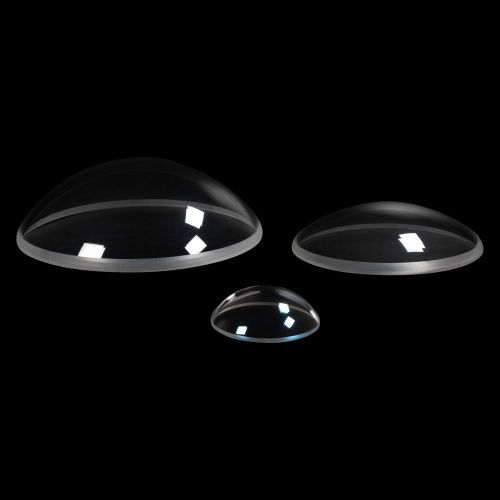
Custom Sapphire Underwater Viewport for ROV & AUV Subsea Camera
- Model
- FG-SUB-SAP-VP-25
Item specifics
- Material
- Single Crystal Sapphire (Al₂O₃)
- Crystal Orientation
- C-plane (0001), A-plane, R-plane available
- Dimension
- Custom Ø 3mm–300mm; custom rectangular shapes
- Angle Tolerance
- Requested angle/parallelism tolerance per drawing and agreed inspection
- Surface Quality
- Requested scratch-dig grade per drawing and agreed inspection
- Surface Flatness
- Requested flatness; specify wavelength, aperture and mounting
- Clear Aperture
- Clear aperture per housing/seat drawing; distinct from outer diameter
- Transmission
- Finished-part transmission target; define band, thickness, angle and coating
- Coating
- AR/protective finish reviewed for wavelength, seawater exposure and adhesion
- Assembly Qualification
- Housing, seal and pressure qualification scope agreed per project
- Operating Temperature
- Viewport, coating and seal temperature limits qualified as an assembly
- Edge Processing
- Ground, polished, beveled, step-edge per drawing
- MOQ
- 1 pc (prototype); 100+ pcs (production)
- Lead Time
- Reference: prototype 2–4 weeks; production 6–10 weeks; confirmed after drawing review in quotation.
Review
Description
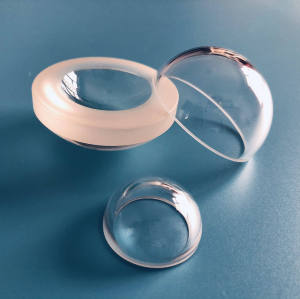
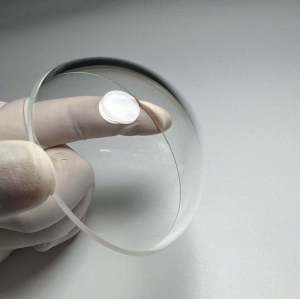
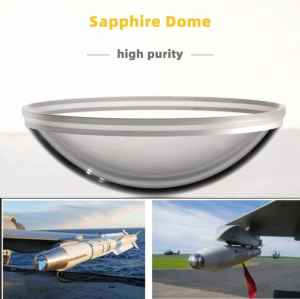
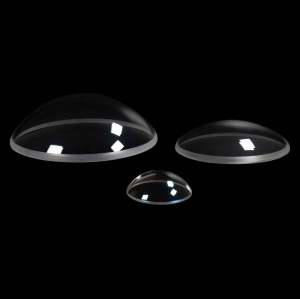
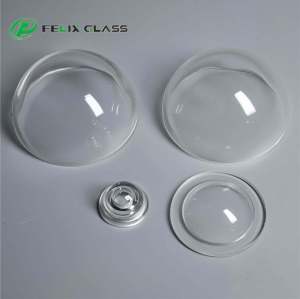
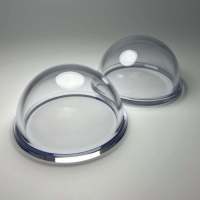
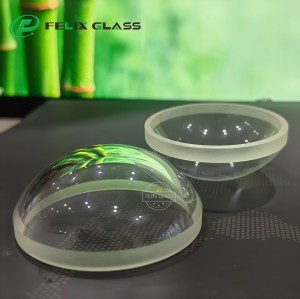
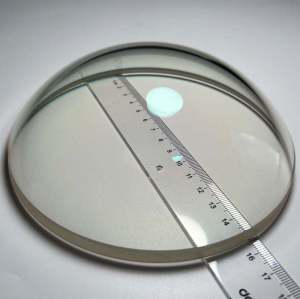
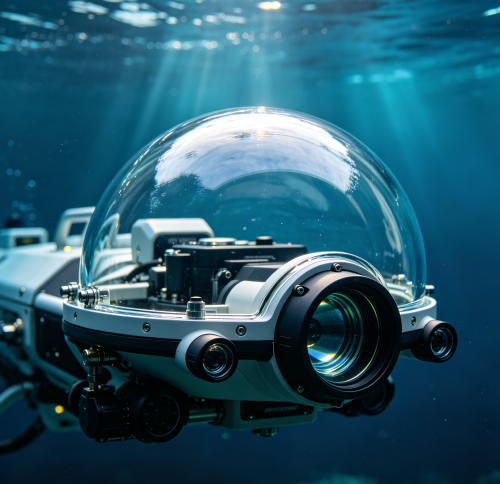
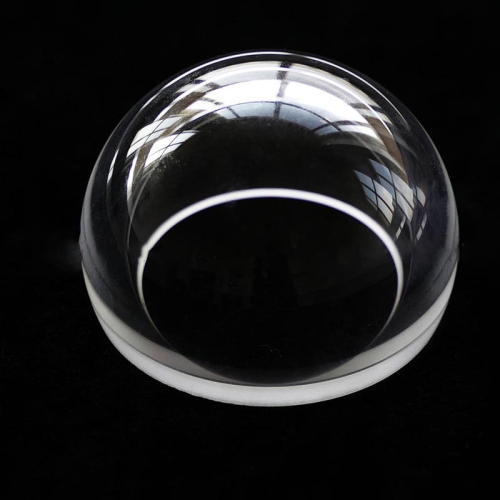
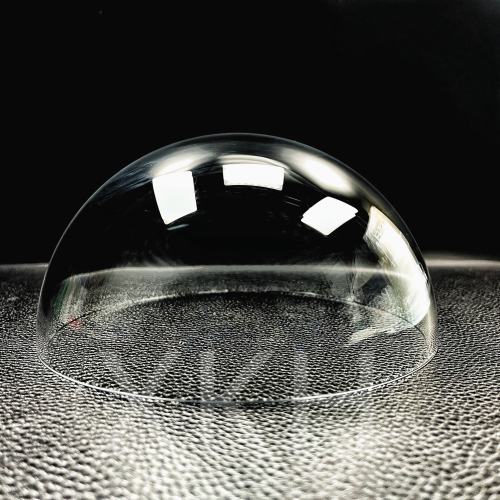
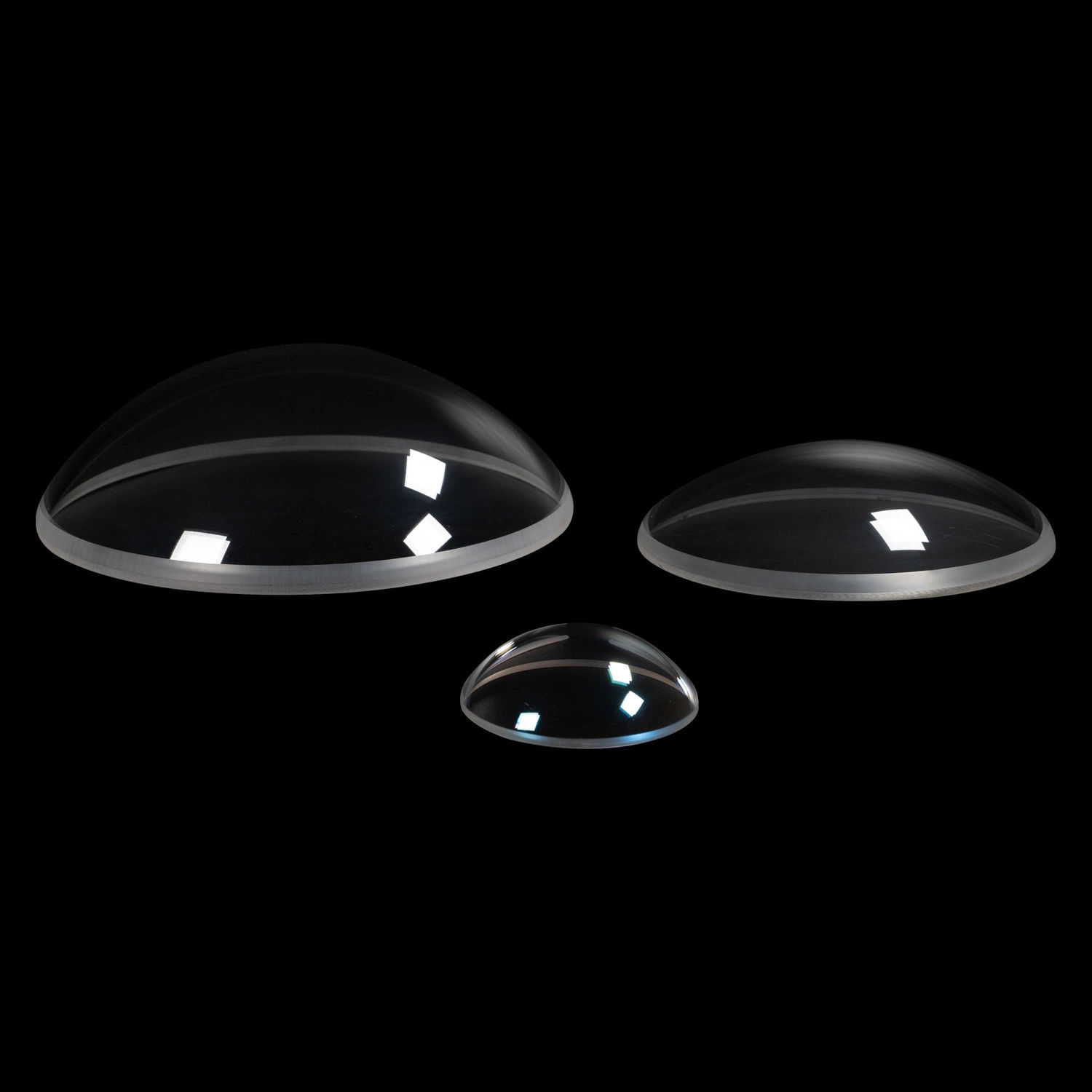
Dongguan Felix Glass Co., Ltd. (Felix Glass) manufactures single crystal sapphire optical viewport elements for deep sea remotely operated vehicles (ROV), autonomous underwater vehicles (AUV), and subsea inspection camera systems. The pressure performance of the viewport depends on the complete assembly including housing, sealing structure and installation interface. Send the required pressure, optical band, clear aperture and housing interface so the proposed viewport can be reviewed against your camera and installation requirements. Single crystal sapphire (Al₂O₃) is a hard optical material used for demanding window applications. Material hardness alone does not establish an operating depth, pressure-cycle life or resistance to biological fouling. Define the support seat, seal, loading and exposure conditions, then agree the analysis and assembly testing needed for acceptance. For ROV/AUV cameras and underwater optical instruments, first identify whether the required part is a flat viewport or a curved dome. A sketch is welcome during early design; a confirmed depth rating requires a defined assembly. Agree the evidence package before ordering: drawing revision and material/lot identity; measured dimensions and optical records; and, where contracted, a pressure-test record identifying the tested assembly or fixture, pressure ramp, hold time, cycles, leak criterion and post-test inspection. A photograph, material hardness or component-only test is not a whole-housing depth certificate. Existing sample images are visual references, not proof of a completed pressure qualification. If some details are not yet fixed, send a sketch and identify the open questions. Request a budgetary estimate separately from a drawing-approved production quotation. Send Requirements for This Product PDF drawings can be uploaded directly; package STEP, IGES or DXF files in ZIP format. The inquiry form accepts PDF/ZIP files up to 20 MB. For larger files, contact james@felixglass.com. You can also use the custom optics RFQ preparation checklist. Sapphire is a candidate substrate for seawater-exposed optical windows. Agree immersion duration, cleaning and post-exposure acceptance for the actual sapphire, coating and seal assembly; no immersion-test result is claimed here. Sapphire viewport pressure performance is configuration‑specific. The achievable operating depth is determined by viewport geometry, diameter‑thickness ratio, sealing seat and housing design. FEA simulation and hydrostatic testing are required for each defined assembly to confirm rating. Sapphire has Mohs 9 material hardness. Scratch resistance does not establish debris-impact resistance or coating durability. Define abrasion, cleaning and impact exposure separately where these affect sample acceptance. Specify the sensor wavelength and required transmission for the finished viewport, including thickness, coating, angles and immersion medium. UV/visible/near-IR suitability must be reviewed for the optical path; do not treat sapphire as an 8–14 μm LWIR thermal-imaging window. These are reference targets for engineering review. They are not a combined acceptance specification across every size or mounting condition. Agree achievable dimensions, optical limits, temperature and measurement conditions in the quotation and approved drawing. The maximum safe operating depth of a sapphire viewport is not an inherent material rating. It depends on the viewport diameter‑to‑thickness ratio, edge profile, sealing seat geometry, housing stiffness and O‑ring sealing arrangement. Define who is responsible for structural analysis, assembly design and pressure qualification. Any accepted depth/pressure rating applies only to the evaluated assembly configuration and agreed validation. Specify the working pressure and required test scope with the viewport drawing. Confirm whether component-fixture testing or complete-assembly testing is included, who performs it and which records will be delivered. Multi-layer dielectric AR coating optimized for 400–700 nm visible spectrum. Surface reflectance reduced to ≤ 0.5% per surface. Ion-assisted deposition ensures coating adhesion under pressure cycling and thermal shock. Optimized for 250–400 nm UV detection applications including fluorescence-based hydrocarbon sensing and bioluminescence monitoring. Reflectance ≤ 1.0% across the UV band. A hydrophobic finish may be evaluated for cleaning and wetting behavior on the specified stack. It is not an antifouling guarantee; verify coating compatibility and seawater exposure on the intended sample. Evaluate protective coatings only for the intended substrate, wavelength and exposure. Confirm the finished-component spectrum and abrasion test; a protective coating name alone does not establish visible transmission or immersion durability. Sapphire viewports for ROV-mounted high-definition cameras used in pipeline inspection, hull survey, and subsea structure monitoring. Maintains optical clarity without distortion under hydrostatic pressure. High-transmission sapphire windows for subsea LED and laser illumination modules. Withstands thermal cycling from high-power LED arrays without cracking or crazing. Precision-polished windows for underwater laser line scanners and structured light 3D imaging systems. λ/10 flatness preserves beam quality through the optical interface. UV-transmissive sapphire windows for in-situ fluorometers measuring chlorophyll-a, CDOM, and hydrocarbon fluorescence. Broad UV-to-visible transmission supports multi-wavelength excitation and emission detection. Scratch-resistant optical windows for nephelometric turbidity sensors deployed in sediment-rich coastal and deep sea environments. Hard sapphire surface resists particle abrasion. Broadband sapphire viewports for underwater light field measurement instruments. Stable transmission across UV-A through near-IR supports accurate irradiance and radiance profiling. Sapphire camera windows for ROV-deployed CP probe systems inspecting sacrificial anode condition on subsea pipelines and platform structures. High-resolution optical viewports for subsea weld inspection cameras. Scratch-dig 20-10 surface quality ensures defect detection at the required resolution. UV-grade sapphire windows for fluorescence-based hydrocarbon leak detection sensors. High UV transmission enables detection of trace hydrocarbon concentrations. The manufacturing plan may include sapphire blank preparation, contour machining, optical polishing, coating, edge finishing, cleaning and inspection. Confirm the actual process route, inspection responsibilities and any external test services for the quoted project. Our optical engineering team provides full technical support: Request the current applicable quality-system certificate and agree material/lot traceability in the order. Certification scope must match the supplying entity and process. Surface quality inspection per US military optical standard. Requested scratch-dig grade, inspection conditions and achievable limits are confirmed per drawing. Specify the applicable pressure-test procedure, test configuration, hold time, pressure profile and acceptance records. Confirm the testing provider and agreed method before ordering. Agree required delivery documents in the order: material or lot identity, dimensional inspection, surface-quality record, coating spectrum and, where contracted, configuration-specific pressure-test documentation. Felix Glass provides comprehensive technical support to help marine equipment OEMs integrate sapphire viewports into ROV camera housings, AUV sensor payloads, and subsea instrument packages. Our engineering team works directly with your mechanical design group to optimize the viewport geometry, sealing interface, and optical coating specification for your specific depth rating and detection wavelength requirements. Submit your housing interface drawing or 3D model. Our team reviews the sapphire viewport design for manufacturability, stress distribution, and optical performance. The review scope and response time are confirmed after the interface requirements are received. Prototype scope, inspection records and any pressure testing are agreed separately. Validate the optical design and housing seal before production release. From 50-piece pilot runs to multi-year supply agreements. Statistical process control across all production lots with consistent optical and mechanical properties verified batch to batch. Complete documentation packages for your quality system: material certifications, coating spectra, dimensional reports, hydrostatic test certificates, and certificates of conformance. Tell us about your subsea optical window requirements: target working pressure/depth, diameter, wavelength range, coating requirement, housing interface geometry and quantity. We aim to acknowledge your inquiry within one business day. A formal quotation is typically provided within 1–2 business days after complete drawings and specifications are received. Complex subsea configurations require additional engineering review.. Send your target pressure, clear aperture, flat-window or dome geometry, housing/seat sketch, wavelength and quantity through the product-linked inquiry page. Drawing files: Please include a dimensioned PDF drawing with your inquiry. For STEP, STP, DXF or other CAD files, please package them in a ZIP archive or email them to james@felixglass.com. If an upload fails or your files exceed the form's size limit, please contact us by email to arrange file transfer.High Pressure Sapphire Underwater Detection Viewport for ROV & AUV Systems
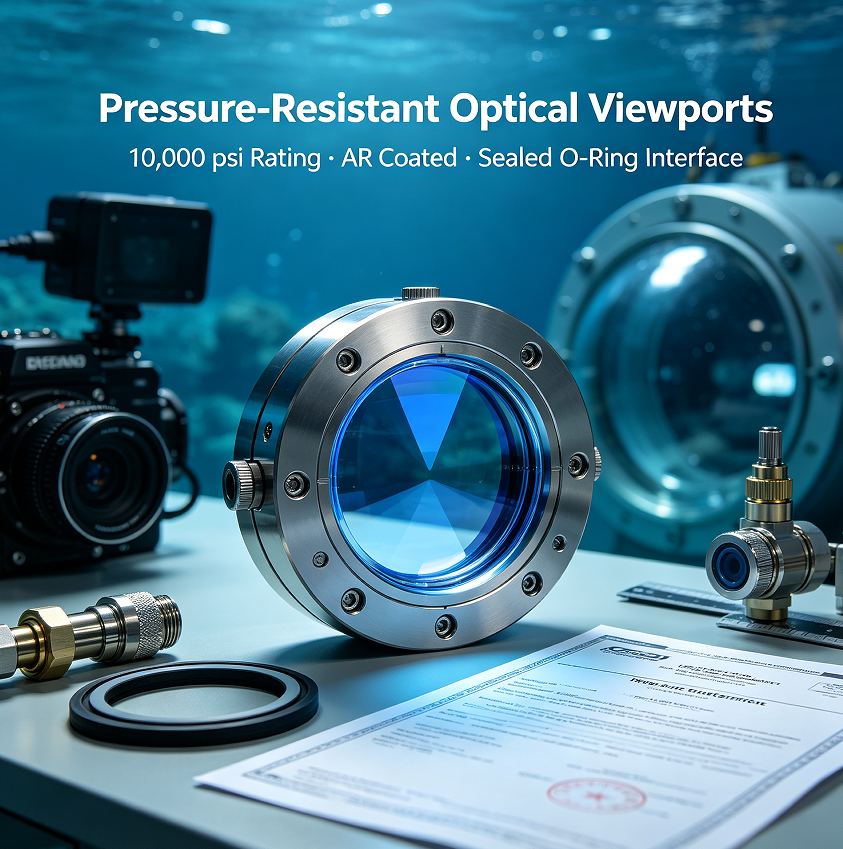
Define the Subsea Viewport and Housing Together
Purchase decision Information for review and sample acceptance Pressure and optical opening State external/internal pressure, operating depth, medium, pressure cycles, hold time and required clear aperture. Distinguish clear aperture from outer diameter. Housing and seal interface Provide the support seat, flat sealing land, O-ring location, contact widths, clamping method, housing material and permitted deflection. Mark which party designs and supplies the housing and seal. Optical integration State camera or laser wavelength, viewing angles and field of view. Identify flat versus curved geometry, optical faces and coating; verify image quality with the assembled prototype. Project stage and supply scope Choose concept review, paid prototype or repeat production. State whether the request covers the sapphire element only or an assembled and tested pressure boundary. Evidence to agree before production
Why Single Crystal Sapphire for Deep Sea Optical Windows
Seawater Exposure Review
Depth Qualification
Abrasion Resistant
Broadband Transmission
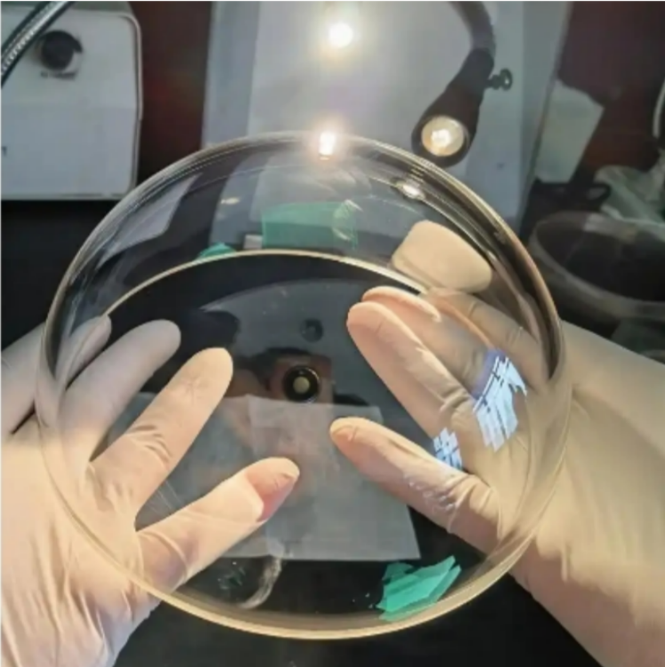
Optical & Physical Specifications
Parameter
Specification
Material
Single Crystal Sapphire (Al₂O₃), Verneuil or Kyropoulos grown
Crystal Orientation
C-plane (0001) standard; A-plane and R-plane available for specific optical axes
Diameter Range
3 mm to 300 mm round; custom rectangular profiles available
Thickness Range
1 mm to 50 mm, determined by depth rating requirements and FEA analysis
Surface Quality
20-10 Scratch-Dig per MIL-PRF-13830B
Surface Flatness
λ/10 at 632.8 nm across clear aperture
Surface Roughness
≤ 0.5 nm RMS (AFM measured)
Clear Aperture
≥ 90% of full diameter
Transmission
≥ 85% from 250 nm to 5 μm (uncoated)
Refractive Index
n₀ = 1.768 (ordinary), nₑ = 1.760 (extraordinary) at 589 nm
Knoop Hardness
2,200 kg/mm² (parallel to C-axis)
Density
3.98 g/cm³
Operating Temperature
−100°C to +500°C continuous
Thermal Conductivity
35 W/(m·K) at 300 K
Young's Modulus
345–400 GPa (orientation dependent)
Edge Processing
Ground, polished, beveled, or stepped per housing interface drawing
MOQ
Paid prototype and batch quantities available; MOQ confirmed after drawing review
Lead Time
Lead time evaluated after drawing, coating and quantity review
Pressure Rating & Depth Performance
Anti-Reflective & Anti-Corrosion Coating Options
Broadband AR Coating
UV-Enhanced AR Coating
Hydrophobic Top Coat
DLC Protective Coating
Applications: ROV & AUV Subsea Camera Systems
HD/4K Inspection Cameras
LED Illumination Windows
Laser Scanning Viewports
Applications: Underwater Environmental Monitoring Sensors
Fluorescence Sensors
Turbidity & Particle Sensors
Multi-Spectral Radiometers
Applications: Offshore Oil & Gas Pipeline Inspection
Cathodic Protection Survey
Weld Seam Inspection
Leak Detection Systems
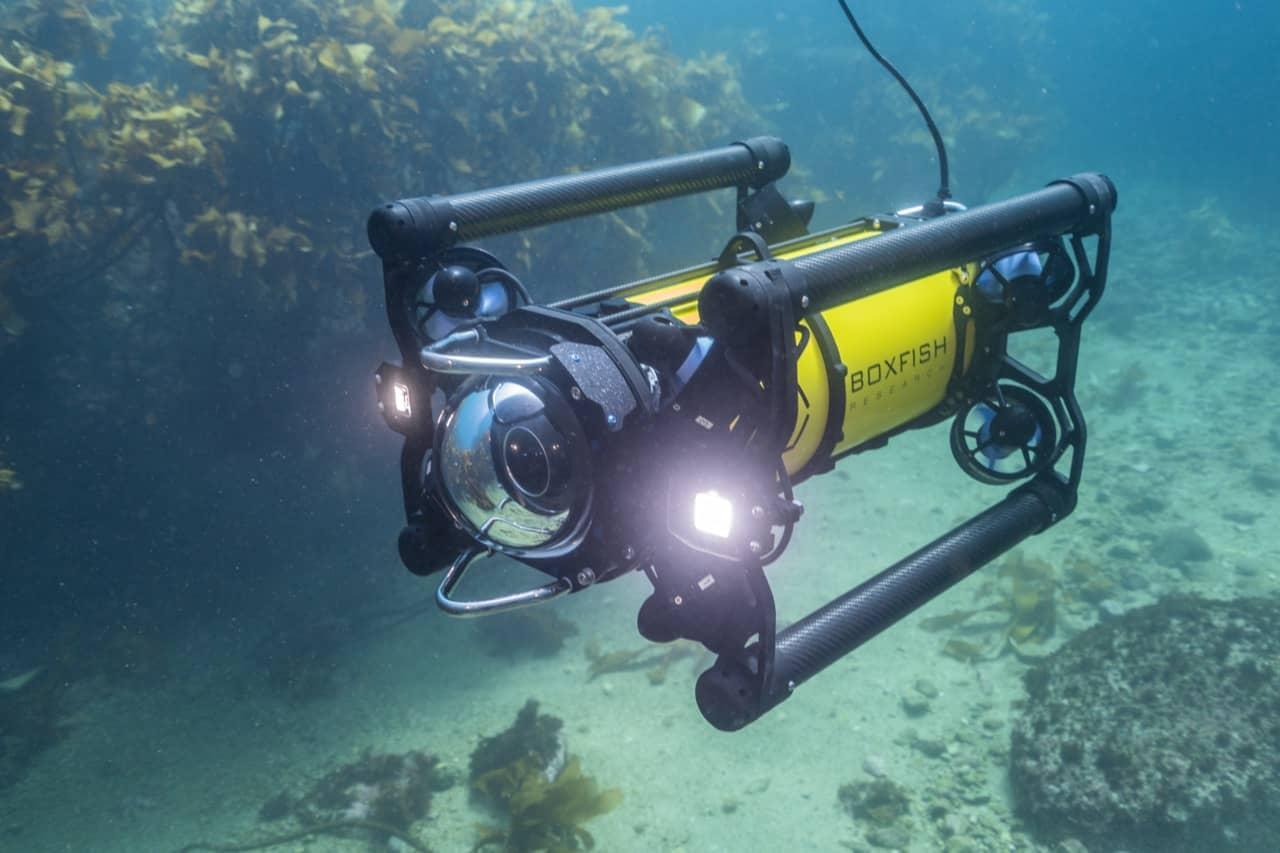
Custom Manufacturing Process for Subsea Viewports
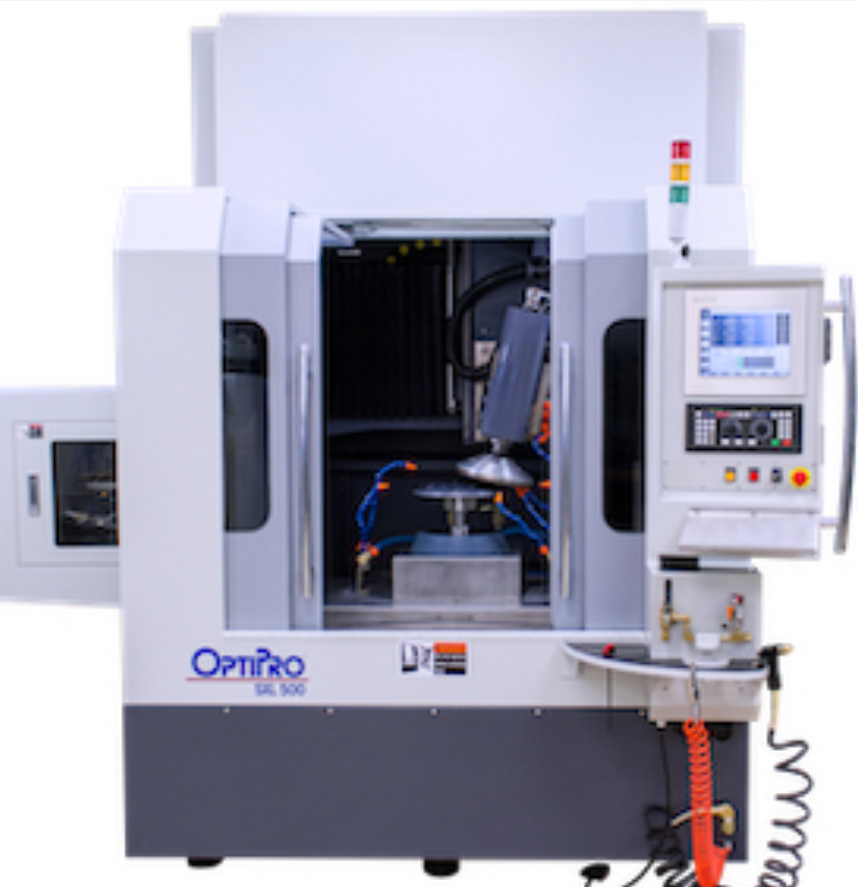
CNC Precision Contour Machining

Double-Sided Optical Polishing
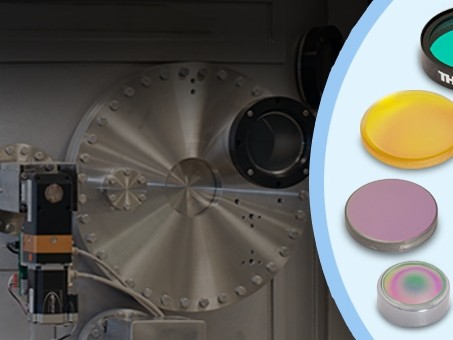
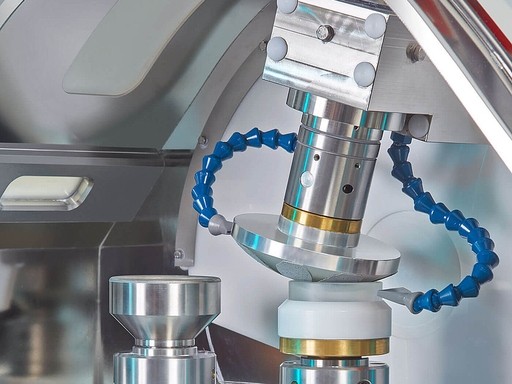
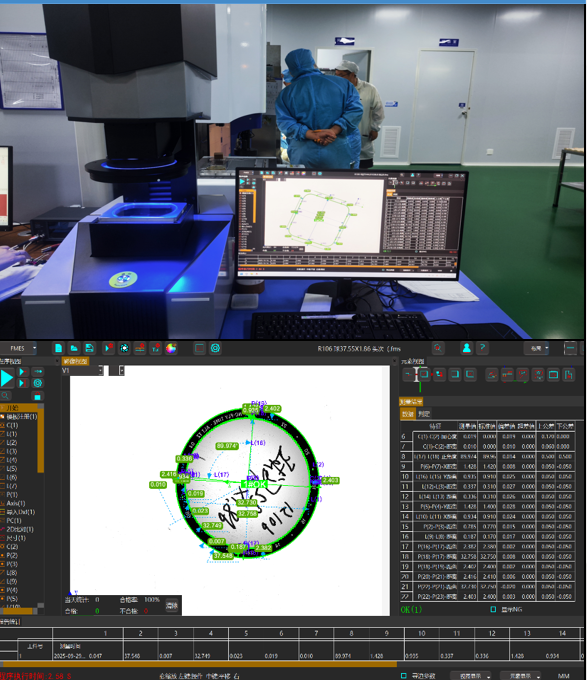
✓ Coating wavelength customized development
✓ Structural optimization design suggestion
✓ Working condition pressure & temperature simulation consultation
✓ Prototype verification & DFM manufacturability optimization
✓ After-sales technical support for system integration
Every optical component gets 100% optical inspection before delivery.Quality Assurance & Hydrostatic Testing
ISO 9001:2015
MIL-PRF-13830B
ASTM Hydrostatic
Engineering Support & Integration for US Marine Equipment Manufacturers
CAD-to-Part Engineering
Rapid Prototyping
Production Scaling
Compliance Documentation
Related Technical Resources
Frequently Asked Questions
Request Engineering Review & Quotation