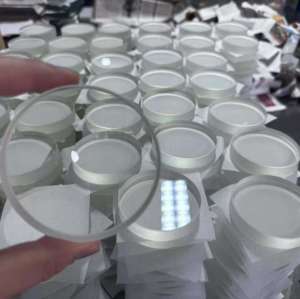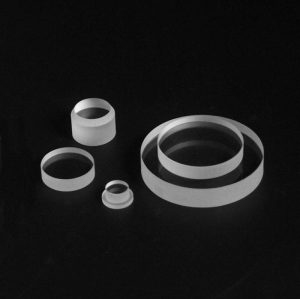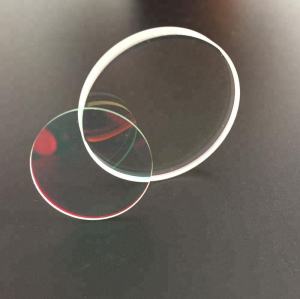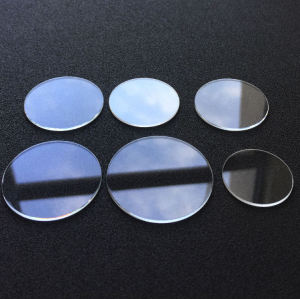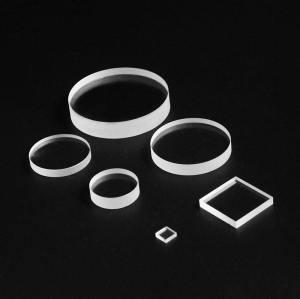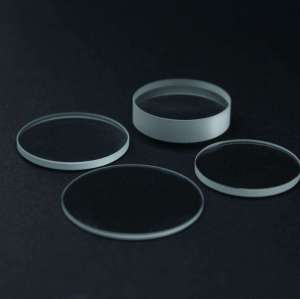
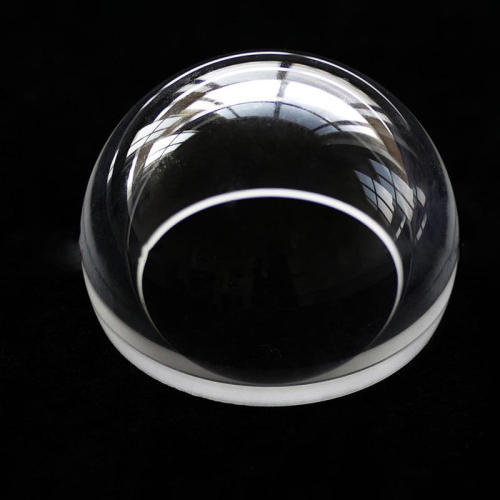
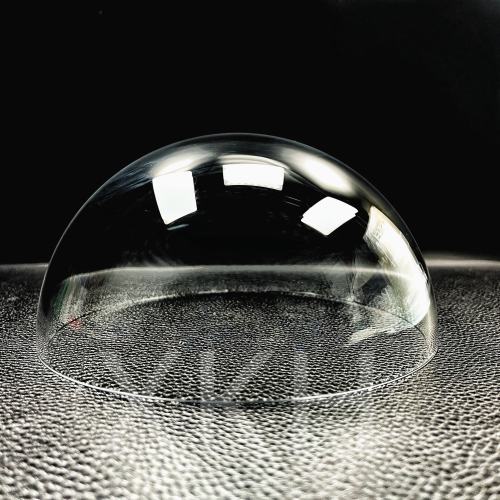
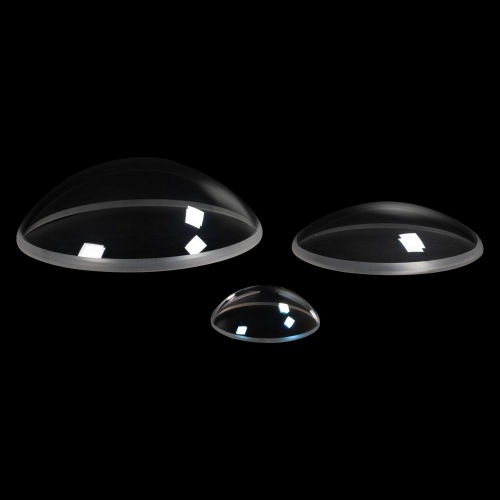
High Pressure Sapphire Viewport | Subsea Sapphire Optical Window For ROV AUV
- Model
- FG-SUB-SAP-VP-25
Item specifics
- Material
- Single Crystal Sapphire (Al₂O₃)
- Crystal Orientation
- C-plane (0001), A-plane, R-plane available
- Dimension
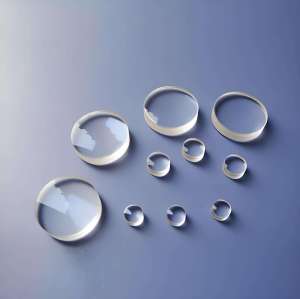
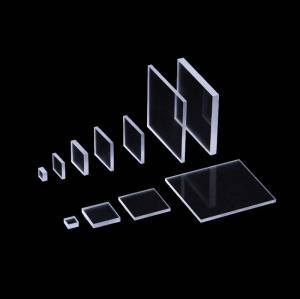
- Custom Ø 3mm–300mm; custom rectangular shapes
- Angle Tolerance
- ±5 arc seconds
- Surface Quality
- 20-10 Scratch-Dig (MIL-PRF-13830B)
- Surface Flatness
- λ/10 @ 632.8 nm
- Clear Aperture
- ≥ 90% of diameter
- Transmission
- ≥ 85% (UV to mid-IR, 250 nm–5 μm)
- Coating
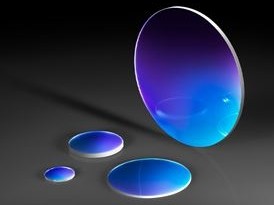
- AR, DLC, hydrophobic, custom biomedical coatings
- Sterilization Compatibility
- Autoclave 134°C, EtO, gamma radiation, plasma
- Operating Temperature
- -100°C to +500°C continuous
- Edge Processing
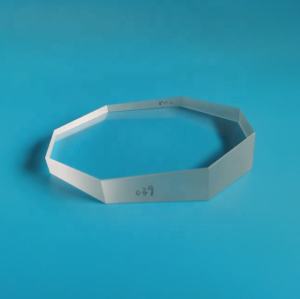
- Ground, polished, beveled, step-edge per drawing
- MOQ
- 1 pc (prototype); 100+ pcs (production)
- Lead Time
- 2–4 weeks (prototype); 6–10 weeks (production batch)
Review
Description
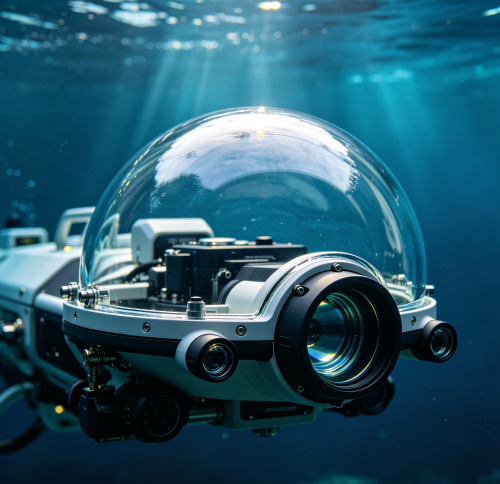
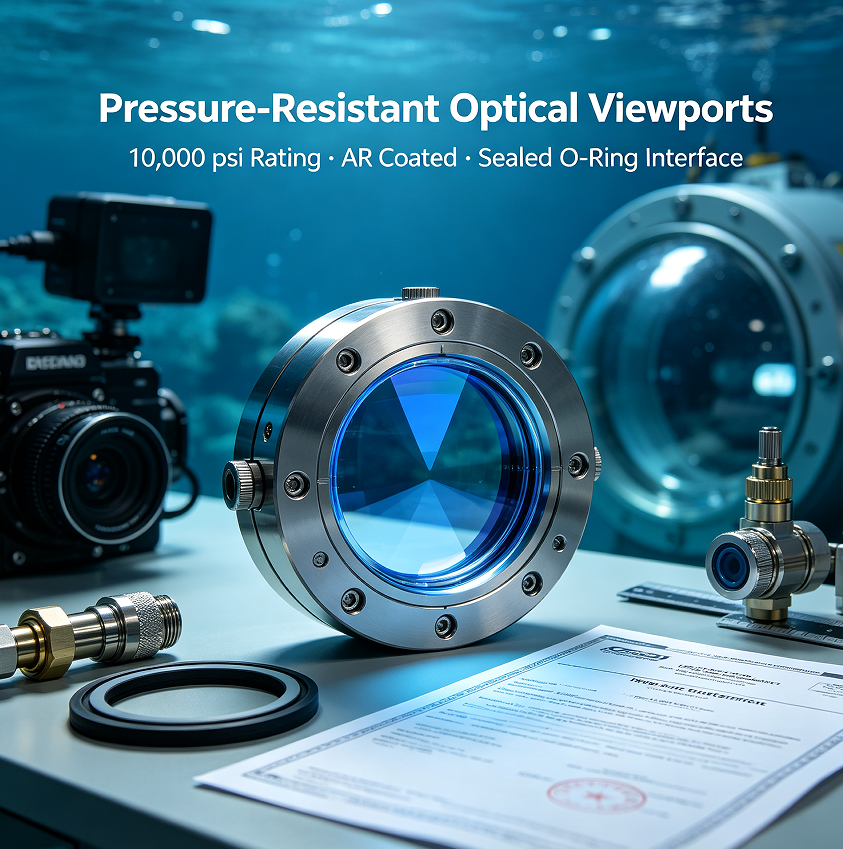
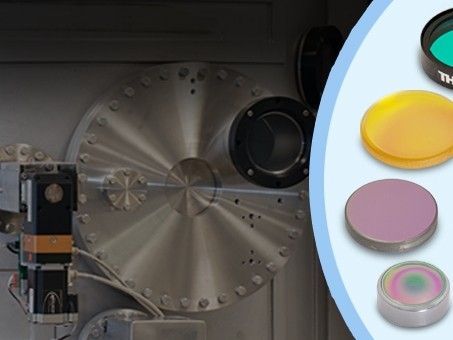
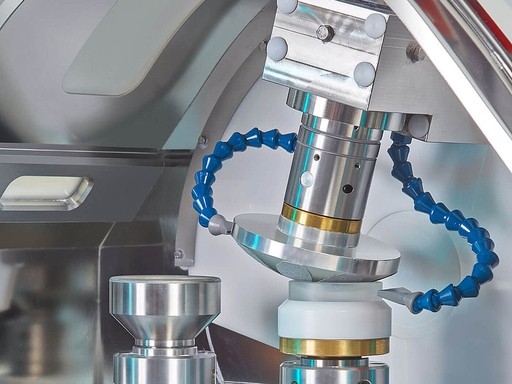
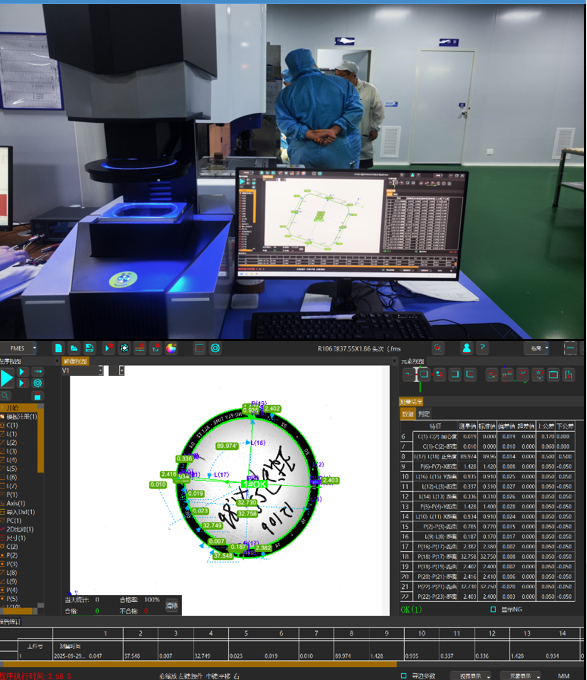
Felix Glass manufactures single crystal sapphire optical viewports engineered for deep sea remotely operated vehicles (ROV), autonomous underwater vehicles (AUV), and subsea inspection cameras operating at depth. Each viewport combines the extreme pressure tolerance, saltwater corrosion resistance, and broadband optical clarity that marine equipment manufacturers and subsea optical engineers require for reliable underwater detection and imaging in demanding ocean environments. Single crystal sapphire (Al₂O₃) offers a combination of mechanical strength and optical transmission that conventional glass cannot match at depth. With a Knoop hardness of 2,200 kg/mm² — second only to diamond — sapphire viewports maintain structural integrity and optical surface quality through repeated pressure cycles and prolonged saltwater immersion. This material choice directly addresses the most common failure modes in subsea optical windows: implosion at depth, saltwater etching, and biofouling degradation. Chemically inert sapphire does not react with seawater, chloride ions, or marine electrolytes. No pitting, etching, or ion leaching after 5,000+ hours of continuous saltwater immersion testing. Sapphire viewports withstand external pressure from full ocean depth to 11,000 meters when properly dimensioned. Mechanical integrity verified through FEA simulation and hydrostatic test certification. Mohs 9 hardness protects the optical surface from sand, sediment, and debris impact during ROV operation near the seafloor. Maintains optical clarity where glass windows scratch and haze. Transmits from 250 nm UV through 5 μm mid-IR with ≥ 85% efficiency. Supports multi-spectral underwater detection including visible cameras, UV fluorescence sensors, and IR thermal imaging. The maximum operating depth of a sapphire viewport depends on the diameter-to-thickness ratio, sealing geometry, and housing interface design. Felix Glass provides FEA-verified pressure ratings for each custom viewport configuration. For a typical 25 mm diameter viewport with a 6 mm thickness and properly designed conical seat, the calculated burst pressure exceeds 200 MPa (20,000-meter equivalent water depth) with a recommended working pressure safety factor of 4×. This means the same viewport is rated for continuous operation at approximately 50 MPa or 5,000 meters depth. Each viewport undergoes factory hydrostatic pressure testing to 1.5× the specified working pressure before shipment. Test certificates documenting actual pressure hold duration and optical inspection results are included in the delivery package. Multi-layer dielectric AR coating optimized for 400–700 nm visible spectrum. Surface reflectance reduced to ≤ 0.5% per surface. Ion-assisted deposition ensures coating adhesion under pressure cycling and thermal shock. Optimized for 250–400 nm UV detection applications including fluorescence-based hydrocarbon sensing and bioluminescence monitoring. Reflectance ≤ 1.0% across the UV band. Water contact angle ≥ 110° reduces biofouling adhesion and simplifies post-dive cleaning. Compatible with both broadband and narrowband AR underlayers. Diamond-like carbon hard coat for viewports exposed to abrasive sediment or ice. Increases surface hardness while maintaining ≥ 80% transmission in the visible band. Sapphire viewports for ROV-mounted high-definition cameras used in pipeline inspection, hull survey, and subsea structure monitoring. Maintains optical clarity without distortion under hydrostatic pressure. High-transmission sapphire windows for subsea LED and laser illumination modules. Withstands thermal cycling from high-power LED arrays without cracking or crazing. Precision-polished windows for underwater laser line scanners and structured light 3D imaging systems. λ/10 flatness preserves beam quality through the optical interface. UV-transmissive sapphire windows for in-situ fluorometers measuring chlorophyll-a, CDOM, and hydrocarbon fluorescence. Broad UV-to-visible transmission supports multi-wavelength excitation and emission detection. Scratch-resistant optical windows for nephelometric turbidity sensors deployed in sediment-rich coastal and deep sea environments. Hard sapphire surface resists particle abrasion. Broadband sapphire viewports for underwater light field measurement instruments. Stable transmission across UV-A through near-IR supports accurate irradiance and radiance profiling. Sapphire camera windows for ROV-deployed CP probe systems inspecting sacrificial anode condition on subsea pipelines and platform structures. High-resolution optical viewports for subsea weld inspection cameras. Scratch-dig 20-10 surface quality ensures defect detection at the required resolution. UV-grade sapphire windows for fluorescence-based hydrocarbon leak detection sensors. High UV transmission enables detection of trace hydrocarbon concentrations. Felix Glass completes the whole production flow inside Class 100 dust-free workshop: Sapphire boule slicing, double-sided ultra-precision polishing, CNC contour machining, broadband vacuum AR coating, precision cleaning and full optical parameter testing. All processes self-operated without outsourcing, guaranteeing stable optical consistency for long-duration marine optical projects. Our optical engineering team provides full technical support: Quality management system certified for precision optical component manufacturing. Full lot traceability from boule to finished viewport. Surface quality inspection per US military optical standard. 20-10 scratch-dig rating standard with tighter specifications available on request. Pressure testing conducted per ASTM standards with documented hold times, pressure profiles, and post-test optical inspection reports. Each shipment includes: material certificate, coating spectrum, surface quality report, dimensional inspection data, and hydrostatic pressure test certificate. Felix Glass provides comprehensive technical support to help marine equipment OEMs integrate sapphire viewports into ROV camera housings, AUV sensor payloads, and subsea instrument packages. Our engineering team works directly with your mechanical design group to optimize the viewport geometry, sealing interface, and optical coating specification for your specific depth rating and detection wavelength requirements. Submit your housing interface drawing or 3D model. Our team reviews the sapphire viewport design for manufacturability, stress distribution, and optical performance. DFM report delivered within 48 hours. Single-piece prototype viewports fabricated with complete metrology and hydrostatic test documentation. Validate your optical design and housing seal before committing to production quantities. From 50-piece pilot runs to multi-year supply agreements. Statistical process control across all production lots with consistent optical and mechanical properties verified batch to batch. Complete documentation packages for your quality system: material certifications, coating spectra, dimensional reports, hydrostatic test certificates, and certificates of conformance. Tell us about your subsea optical window requirements — depth rating, diameter, wavelength range, and housing interface geometry. Our engineering team responds with a technical proposal and quotation within 2 business days.High Pressure Sapphire Underwater Detection Viewport for ROV & AUV Systems
Why Single Crystal Sapphire for Deep Sea Optical Windows
Saltwater Inert
Depth Rated
Abrasion Resistant
Broadband Transmission
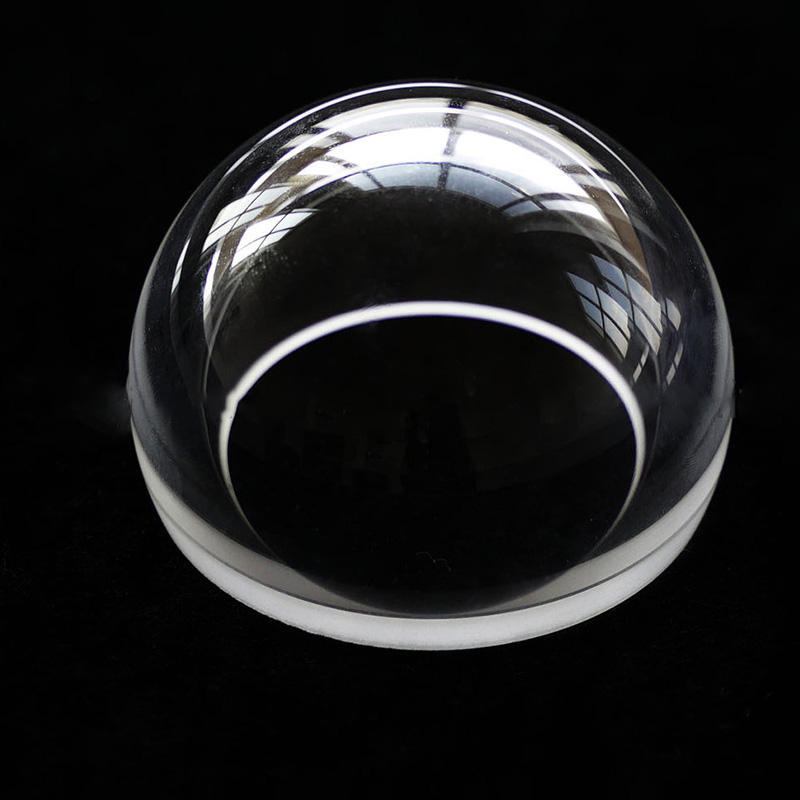
Optical & Physical Specifications
Parameter
Specification
Material
Single Crystal Sapphire (Al₂O₃), Verneuil or Kyropoulos grown
Crystal Orientation
C-plane (0001) standard; A-plane and R-plane available for specific optical axes
Diameter Range
3 mm to 300 mm round; custom rectangular profiles available
Thickness Range
1 mm to 50 mm, determined by depth rating requirements and FEA analysis
Surface Quality
20-10 Scratch-Dig per MIL-PRF-13830B
Surface Flatness
λ/10 at 632.8 nm across clear aperture
Surface Roughness
≤ 0.5 nm RMS (AFM measured)
Clear Aperture
≥ 90% of full diameter
Transmission
≥ 85% from 250 nm to 5 μm (uncoated)
Refractive Index
n₀ = 1.768 (ordinary), nₑ = 1.760 (extraordinary) at 589 nm
Knoop Hardness
2,200 kg/mm² (parallel to C-axis)
Density
3.98 g/cm³
Operating Temperature
−100°C to +500°C continuous
Thermal Conductivity
35 W/(m·K) at 300 K
Young's Modulus
345–400 GPa (orientation dependent)
Edge Processing
Ground, polished, beveled, or stepped per housing interface drawing
MOQ
1 pc (prototype); 50+ pcs (production)
Lead Time
2–4 weeks (prototype); 6–10 weeks (production batch)
Pressure Rating & Depth Performance
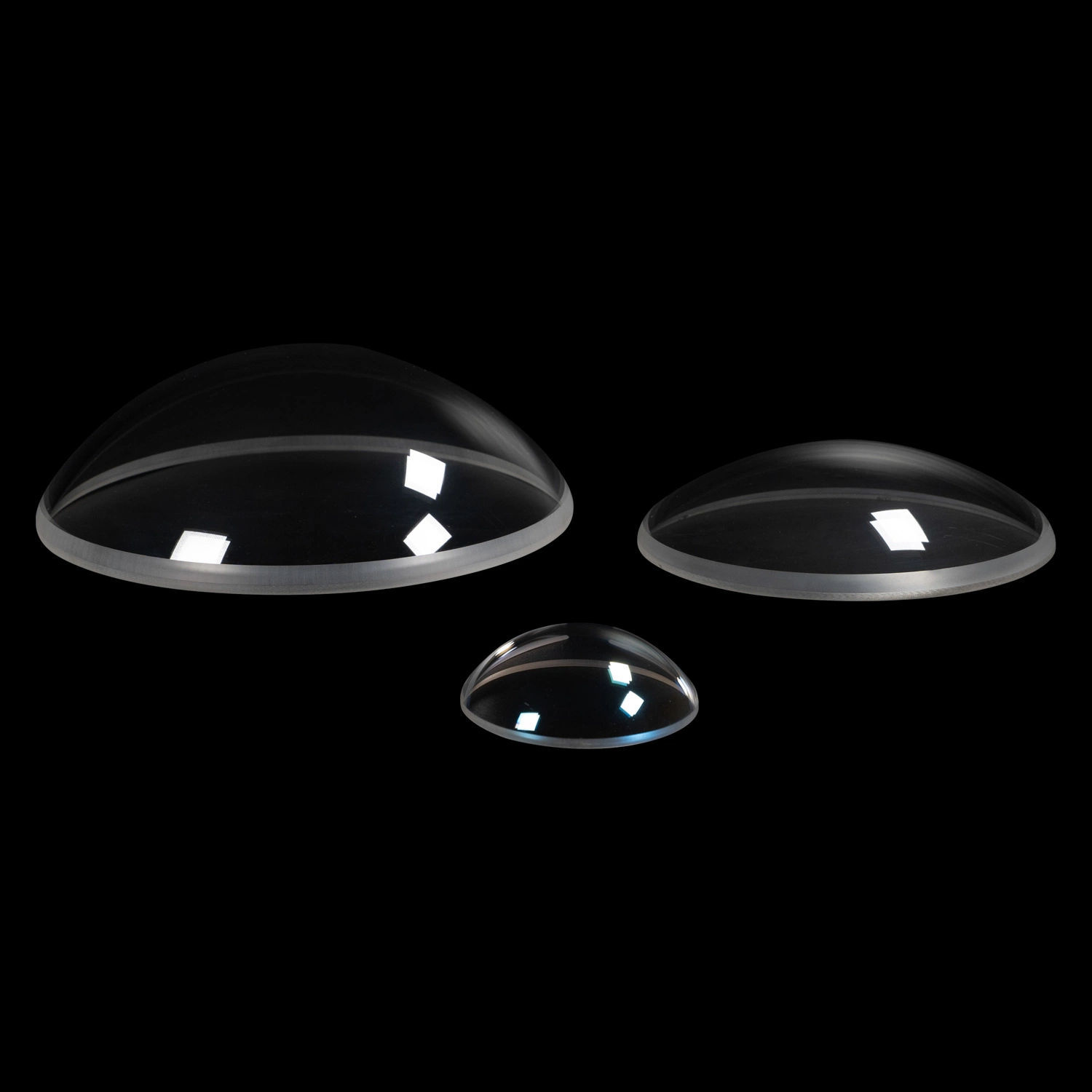
Anti-Reflective & Anti-Corrosion Coating Options
Broadband AR Coating
UV-Enhanced AR Coating
Hydrophobic Top Coat
DLC Protective Coating
Applications: ROV & AUV Subsea Camera Systems
HD/4K Inspection Cameras
LED Illumination Windows
Laser Scanning Viewports
Applications: Underwater Environmental Monitoring Sensors
Fluorescence Sensors
Turbidity & Particle Sensors
Multi-Spectral Radiometers
Applications: Offshore Oil & Gas Pipeline Inspection
Cathodic Protection Survey
Weld Seam Inspection
Leak Detection Systems
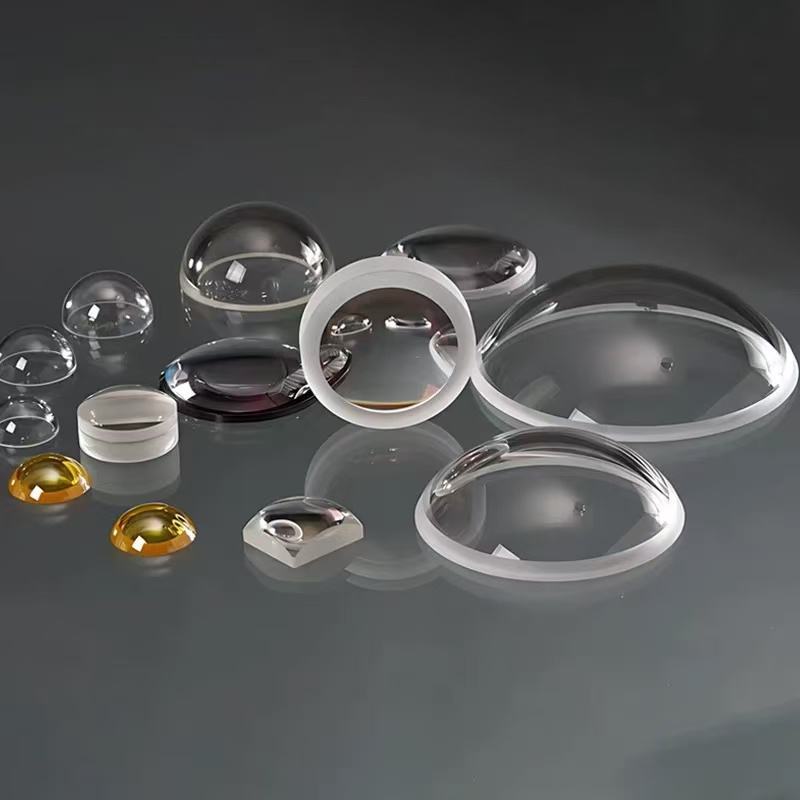
Custom Manufacturing Process for Subsea Viewports
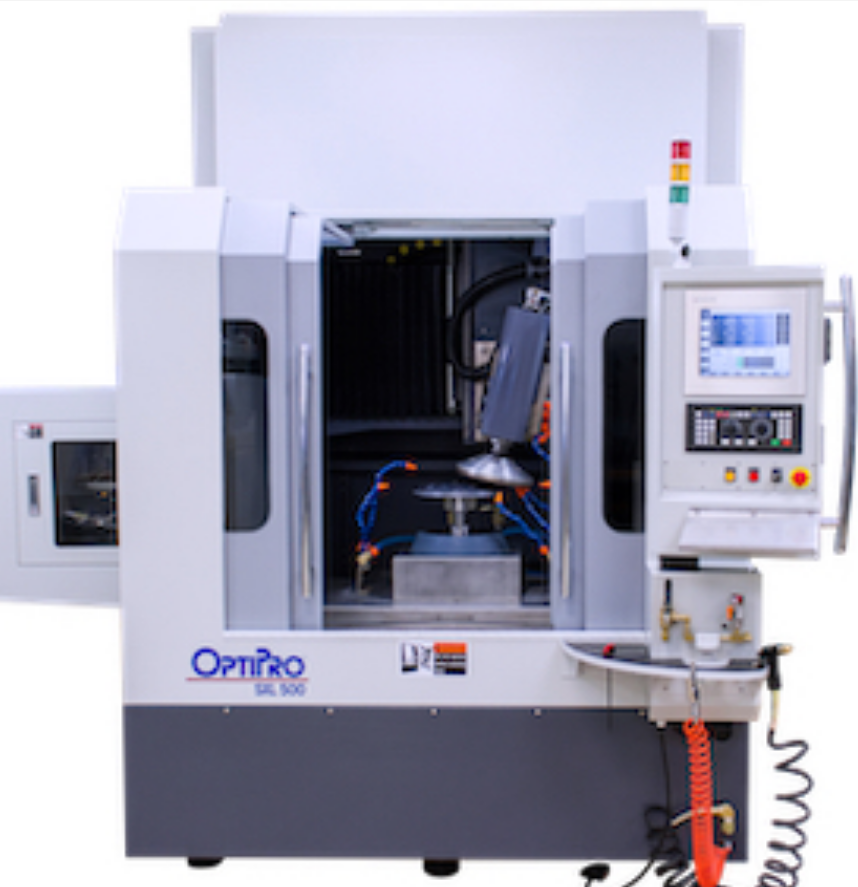
CNC Precision Contour Machining

Double-Sided Optical Polishing
✓ Coating wavelength customized development
✓ Structural optimization design suggestion
✓ Working condition pressure & temperature simulation consultation
✓ Prototype verification & DFM manufacturability optimization
✓ After-sales technical support for system integration
Every optical component gets 100% optical inspection before delivery.Quality Assurance & Hydrostatic Testing
ISO 9001:2015
MIL-PRF-13830B
ASTM Hydrostatic
Engineering Support & Integration for US Marine Equipment Manufacturers
CAD-to-Part Engineering
Rapid Prototyping
Production Scaling
Compliance Documentation
Related Technical Resources
Frequently Asked Questions
Request Engineering Review & Quotation