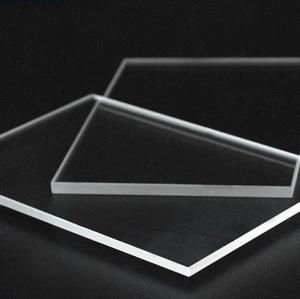
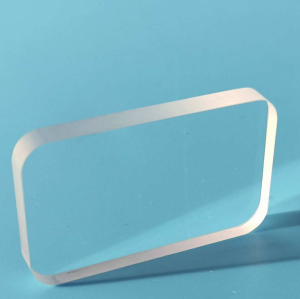
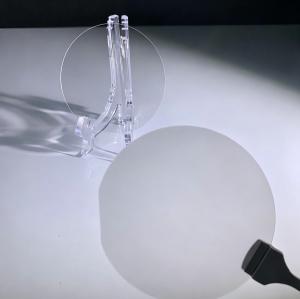
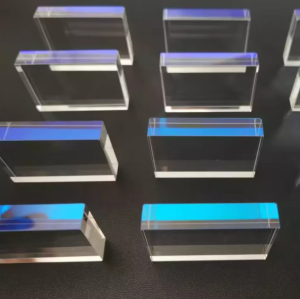
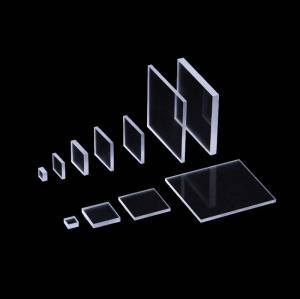
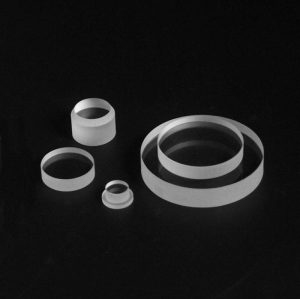
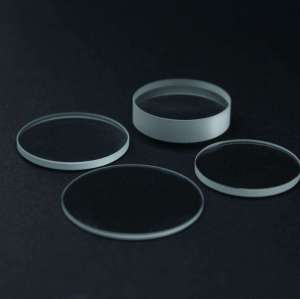
Custom Size
1PC Prototype
CNC Machining
Multi-Band AR Coating
Mohs 9 Hardness
OEM/ODM
Custom Sapphire EO/IR Protective Window Manufacturer
Multi-Band UV–LWIR Single Crystal Sapphire Optical Window
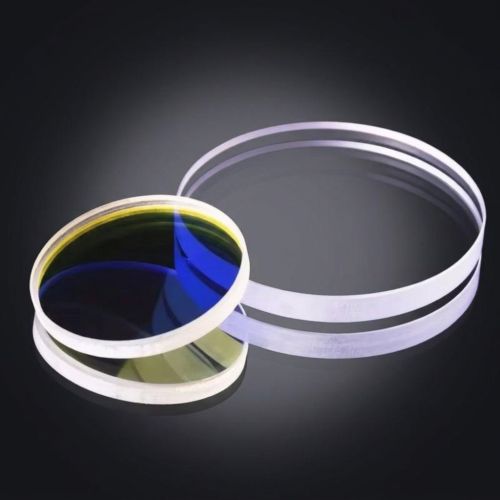
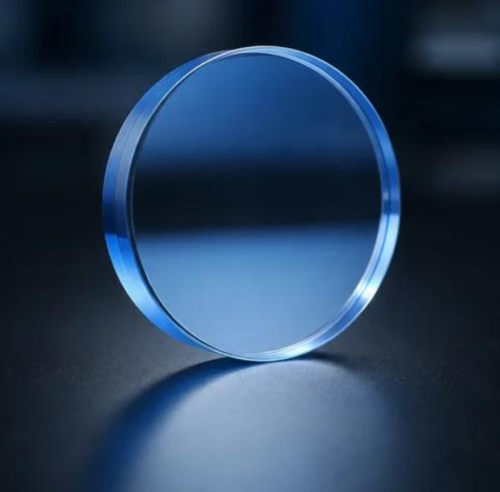
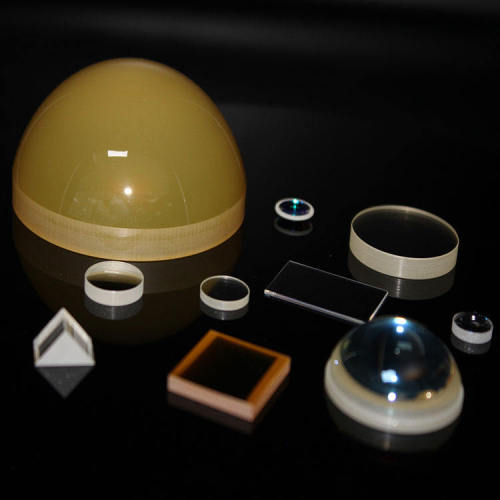
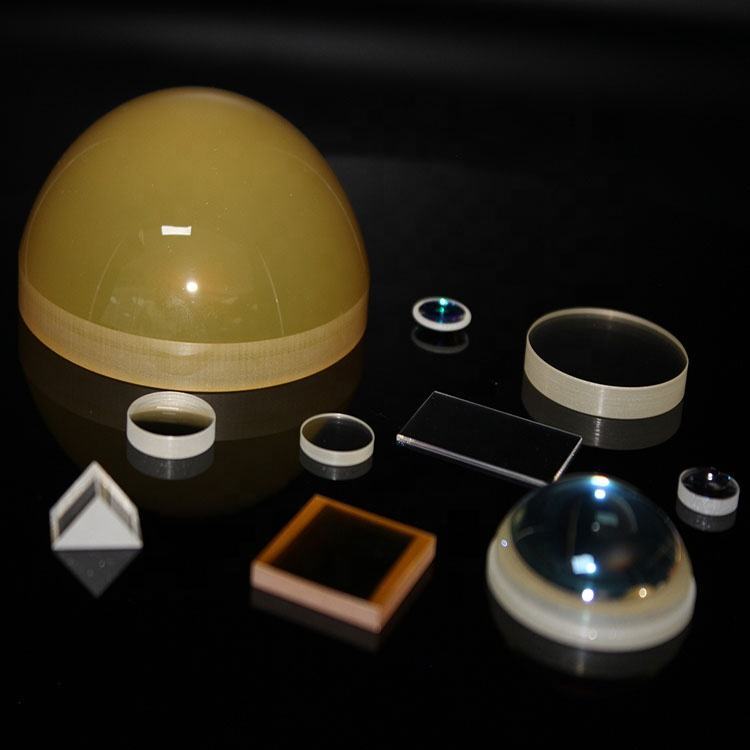
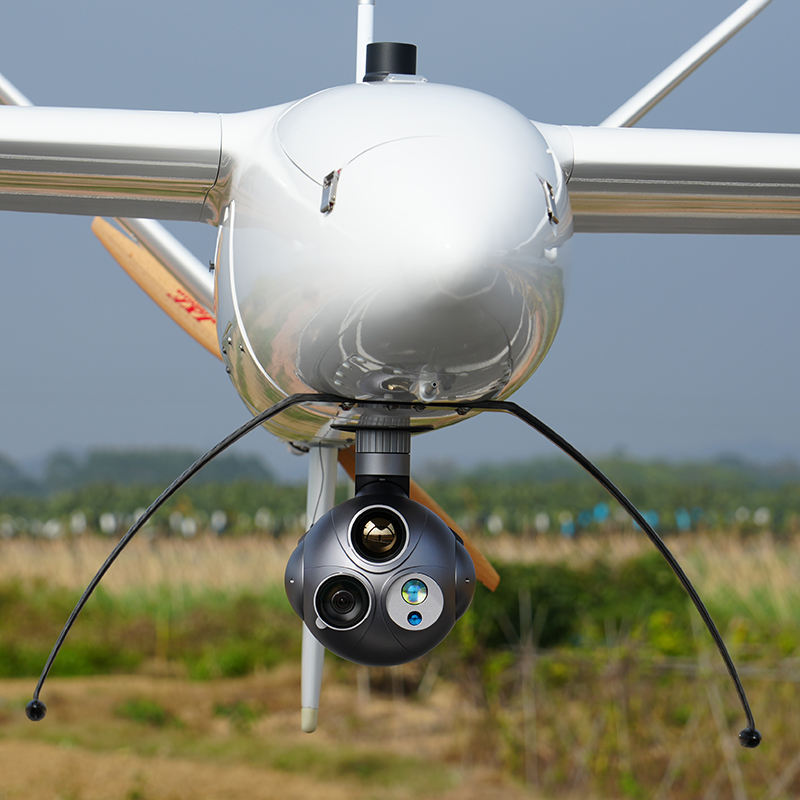
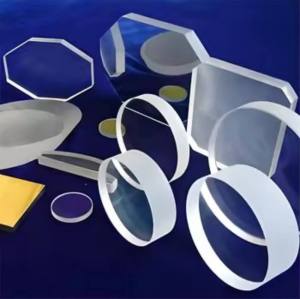
Custom single-crystal sapphire EO/IR protective windows engineered to your drawing, crystal orientation and spectral transmission requirements. Precision CNC machining, multi-layer AR coating and military-grade inspection for airborne sensor pods, UAV thermal payloads and ground surveillance systems.
- 1-Piece Low MOQ Prototype Support
- Free Engineering Review Before Production
- C-Plane / A-Plane / R-Plane Crystal Orientation
- Multi-Band Transmission: UV–Visible–MWIR–LWIR
- Mohs 9 Surface Hardness, Sand & Rain Erosion Resistant
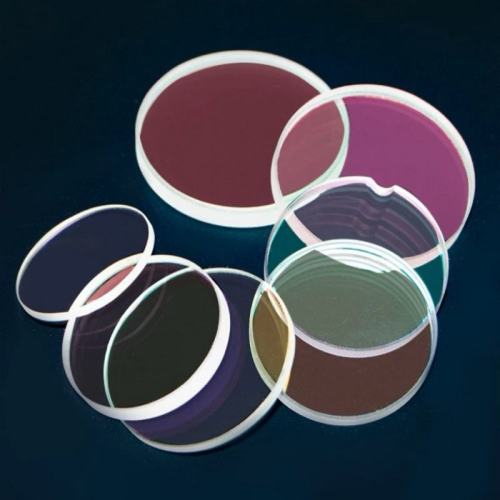
- Custom BBAR / Dual-Band / DLC Hard Carbon Coating
- Full-Scale OEM / ODM Mass Production
Engineering Commitment: Send your drawing, dimensions, crystal orientation or spectral band requirements. Our optical engineers will review your project and recommend a suitable sapphire substrate & coating configuration for free.
Is Your Current Optical Window Supplier Causing These Problems?
| Pain Points With Other Suppliers |
Felix Glass Solution |
| Conventional glass only transmits one spectral band, requiring multiple windows for multi-sensor suites |
Single-crystal sapphire delivers simultaneous transmission from UV through MWIR and into LWIR, allowing one protective window to serve visible, SWIR and thermal sensors behind a single aperture — reducing system complexity and parallax error. |
| Low-hardness glass scratches easily from sand, rain and particle impact at airspeed |
Sapphire delivers Mohs 9 surface hardness — second only to diamond among optical materials — providing inherent resistance to sand erosion, rain impact and particulate strike without the weight penalty of thicker glass. Optional DLC hard carbon overcoat available for extreme environments. |
| Optical glass fractures under rapid thermal cycling from high-altitude cold to low-altitude humidity |
Sapphire combines high thermal conductivity (~40 W/m·K) with moderate CTE to dissipate thermal gradients rapidly. Our windows survive -60°C to +200°C transitions within 30 seconds without surface degradation or coating delamination. |
| High reflection loss from uncoated sapphire (n ≈ 1.76, ~14% per surface) |
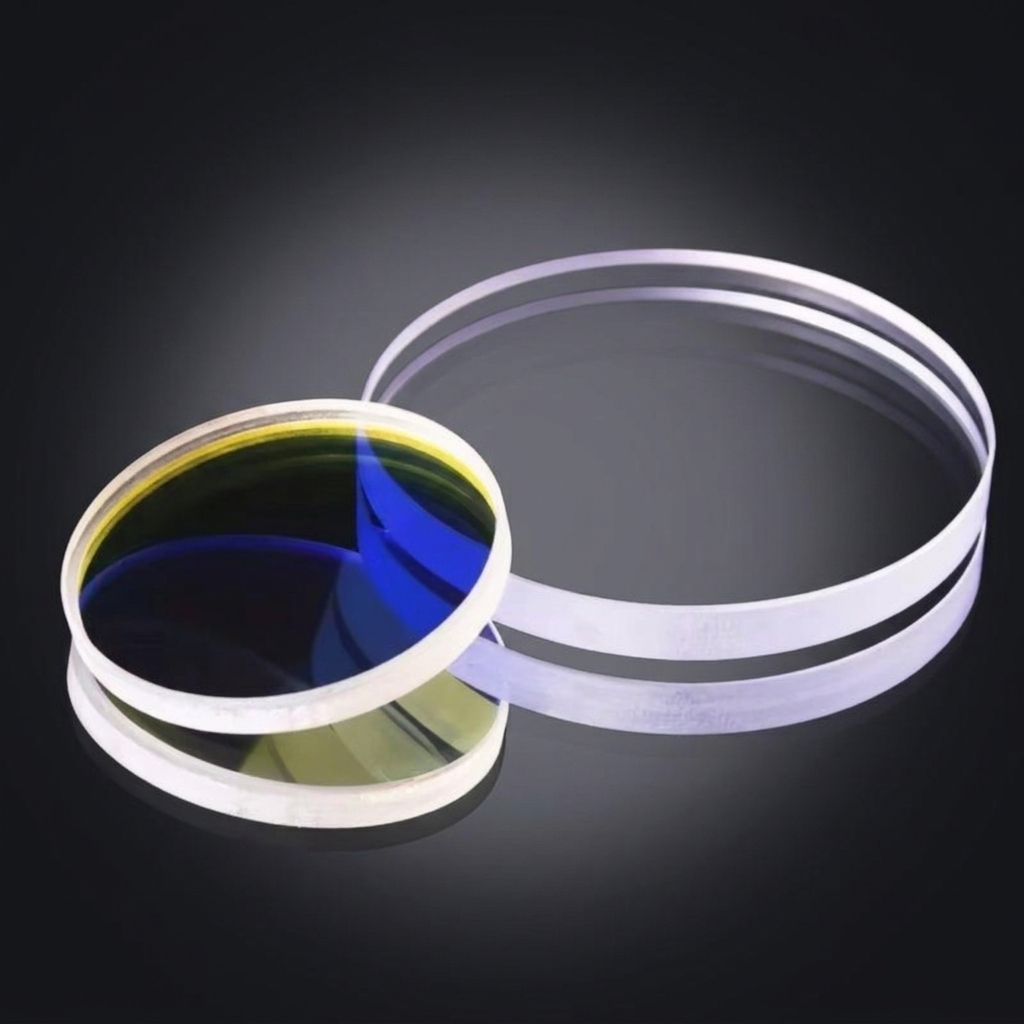
We apply custom-designed multi-layer dielectric AR coatings — BBAR, dual-band or multi-layer stacks — using electron-beam evaporation or ion-assisted deposition, reducing average reflectance below 1.5% per surface across the design band. |
| Wrong crystal orientation causes birefringence and polarization distortion in precision sensors |
Our engineers select C-plane (0001), A-plane (11-20) or R-plane (1-102) orientation based on your sensor's polarization state and thermal management architecture. C-plane minimizes in-plane birefringence for polarization-sensitive systems. |
| Supplier requires high MOQ, blocking aerospace prototype and qualification programs |
We support 1-piece prototype testing for sapphire EO/IR windows, allowing you to verify optical performance, coating durability and assembly fit before committing to qualification or production volumes. |
| Difficult to find one supplier for precision sapphire machining + multi-layer coating + military-standard inspection |
Dongguan Felix Glass Co., Ltd. provides integrated control across crystal orientation selection, CNC machining, precision polishing, multi-layer AR coating and full inspection per MIL-PRF-13830B and MIL-C-48497A standards. |
Why Global Aerospace & Defense Buyers Work With Felix Glass
19+ Years
Optical Glass Processing Experience
Mohs 9
Sapphire Surface Hardness
1 Piece
Prototype Support
2–3 Weeks*
Typical Prototype Lead Time
4–6 Weeks*
Typical Production Lead Time
75,000 m²*
Manufacturing Facility
*Actual lead time and production capability depend on crystal orientation, geometry, coating complexity, quantity and project requirements.
One Supplier From Prototype to Qualification to Mass Production. Avoid quality disputes and delivery delays caused by multi-supplier coordination between crystal growers, machining shops and coating houses. We provide integrated control across sapphire boule slicing, CNC machining, precision polishing, multi-layer AR coating and military-standard inspection for your EO/IR protective window projects.
Sapphire Window Engineered for Your EO/IR Application
Multi-Band Optical Transmission
Single-crystal sapphire offers usable transmission from ~0.15 μm (UV) through 5.5 μm (MWIR), with extended LWIR performance depending on thickness and coating.
- UV (0.25–0.38 μm): ≥80% uncoated
- Visible (0.38–0.78 μm): ≥86% uncoated
- SWIR (0.9–1.7 μm): ≥85% uncoated
- MWIR (3.0–5.0 μm): ≥82% with BBAR
- LWIR (8.0–12.0 μm): ≥70% thin substrate
Recommended Solution: C-Plane Sapphire + Custom Multi-Layer BBAR Coating + Precision Polishing
Discuss Your Spectral Requirement →
Material & Mechanical Performance
Sapphire (Al₂O₃) delivers four properties no other optical material combines simultaneously: extreme hardness, high thermal conductivity, high melting point and chemical inertness.
- Mohs 9 Hardness (Knoop 2,000 kg/mm²)
- Thermal Conductivity ~40 W/m·K @300K
- Melting Point 2,050°C
- Young's Modulus 435 GPa (C-plane)
- Density 3.98 g/cm³
- Thermal Shock ΔT ≥200°C survivable
Recommended Solution: A-Plane Sapphire for High Thermal Conductivity + DLC Hard Carbon Overcoat
Request Material Data Sheet →
Coating Technology & AR Design
Custom multi-layer dielectric coatings applied via electron-beam evaporation or ion-assisted deposition, optimized for your specific sensor wavelength bands.
- Broadband AR (BBAR): ≤1.5% reflectance/surface
- Dual-Band AR: Visible + MWIR peak optimization
- DLC Hard Carbon: Sand/rain erosion protection
- Hydrophobic Top Layer: ≥110° water contact angle
- Coating Durability per MIL-C-48497A
Recommended Solution: Sapphire + Dual-Band AR + DLC Overcoat for Externally Mounted Pods
Discuss Your Coating Requirement →
Core Technical Specifications
| Parameter |
Specification |
| Material |
Single Crystal Sapphire (Al₂O₃) |
| Crystal Orientation |
C-plane (0001) / A-plane (11-20) / R-plane (1-102) |
| Dimension Range |
Ø5 mm – Ø300 mm; custom rectangular & shaped profiles |
| Thickness Range |
0.5 mm – 10 mm, custom thickness available |
| Surface Quality |
60-40 to 20-10 per MIL-PRF-13830B |
| Surface Flatness |
λ/10 to λ/4 @ 633 nm |
| Clear Aperture |
≥ 90% of central diameter |
| Transmission |
≥85% avg. UV–MWIR; ≥82% LWIR (with AR coating) |
| Coating Option |
Custom BBAR, dual-band, multi-layer dielectric AR, DLC, hydrophobic |
| Operating Temperature |
-60°C to +500°C continuous |
| Edge Processing |
Fine ground, polished, beveled edge, or step-mount profile |
| Prototype MOQ |
1 piece |
| Prototype Lead-time |
2–3 weeks* |
| Mass Production Lead-time |
4–6 weeks* |
*Subject to crystal orientation, geometry, coating complexity and quantity.
Typical Sapphire EO/IR Window Applications
Airborne EO/IR Turrets & Sensor Pods
Application
Forward-looking and gimbal-mounted sensor packages on fixed-wing and rotary-wing platforms. Windows must survive combined thermal, pressure and aerodynamic loads while maintaining boresight stability.
Our Solution
C-plane sapphire with dual-band AR coating (visible + MWIR), precision polished to λ/4 flatness, edge-step mount profile for gimbal integration. DLC overcoat option for forward-facing positions.
Typical Outcome
Prototype windows passed environmental qualification, approved for follow-on production batch orders.
UAV & Drone Thermal Imaging Payloads
Application
Weight-optimized sapphire windows for small to medium unmanned aerial vehicles. Thin substrate designs (<3 mm) with edge-mount profiles that minimize mass while preserving optical flatness under vibration.
Our Solution
Thin-profile sapphire substrate with FEA-optimized thickness-to-diameter ratio, BBAR coating for MWIR thermal band, lightweight edge-ground profile for payload integration.
Typical Outcome
Custom samples delivered on schedule, validated under customer UAV vibration and thermal cycling conditions.
Ground-Based Surveillance & Target Acquisition
Application
Fixed and vehicle-mounted thermal imaging stations for perimeter surveillance, border monitoring and artillery forward observation. Windows sized for wide-field-of-view sensors and specified for continuous outdoor exposure.
Our Solution
Large-diameter sapphire window (up to Ø300 mm) with hydrophobic top layer for rain shedding, BBAR coating for multi-band visible+MWIR operation, fine-ground edge for flange mounting.
Typical Outcome
Production windows passed 500-hour salt spray and 10-day humidity testing, approved for continuous outdoor deployment.
Missile Seeker & Guidance Windows
Application
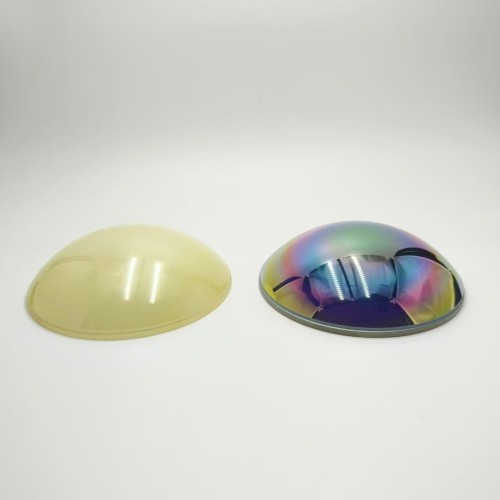
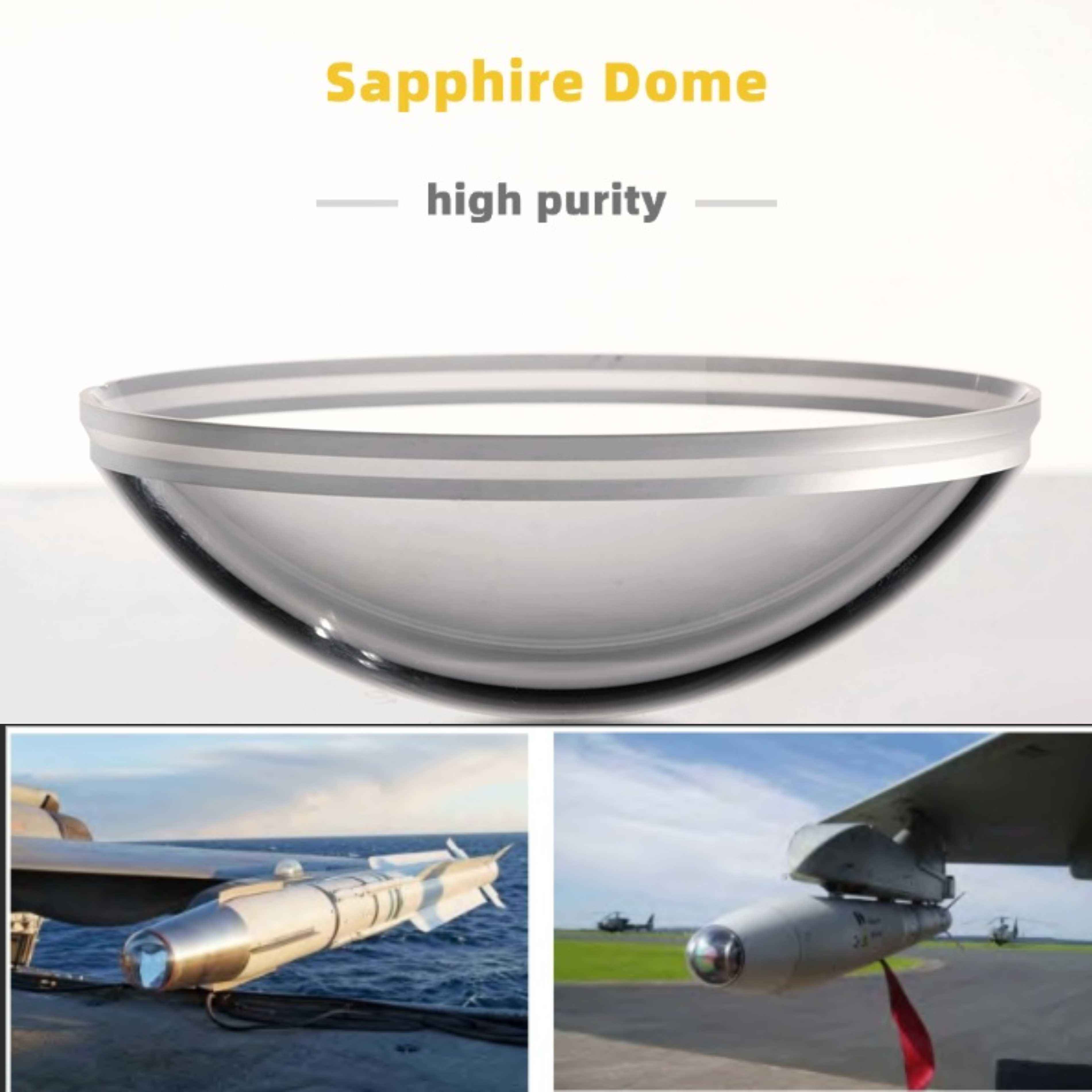
High-speed aerodynamic windows for infrared homing seekers. Hemispherical and ogive dome geometries manufactured from single-crystal sapphire boules with precision centering and wall thickness uniformity.
Our Solution
Sapphire dome precision ground and polished from oriented boule, multi-layer AR coating optimized for seeker MWIR/LWIR band, strict wall thickness uniformity and centering tolerance control.
Typical Outcome
Qualification domes passed thermal shock and aerodynamic heating simulation, approved for low-rate initial production.
From Sapphire Boule to Finished EO/IR Protective Window
01 Engineering Drawing Review
Professionally verify drawing dimensions, tolerance, crystal orientation, spectral band requirements and coating specifications to formulate customized production plans.
02 Crystal Orientation Selection
Select matched crystal orientation: C-plane (0001) for minimum birefringence, A-plane (11-20) for high thermal conductivity, R-plane (1-102) for specific polarization requirements.
03 Precision Slicing from Sapphire Boule
Oriented slicing from single-crystal sapphire boule according to customized thickness standards to ensure blank dimensional accuracy and crystal alignment.
04 Custom CNC Machining
Complete personalized processing: outer diameter shaping, edge steps, mounting flanges, alignment flats, D-shapes and irregular contour shaping for your housing assembly.
05 Grinding & Lapping
Precision control of thickness, flatness and wedge, eliminate subsurface damage from slicing, prepare surface for final polishing.
06 Precision Polishing
Achieve surface quality from 60-40 to 20-10 per MIL-PRF-13830B and surface flatness from λ/4 to λ/10 @ 633 nm, strict ultrasonic cleaning before coating.
07 Multi-Layer AR Coating
High-vacuum electron-beam evaporation or ion-assisted deposition to apply custom BBAR, dual-band or multi-layer dielectric AR coatings, plus optional DLC hard carbon and hydrophobic top layers.
08 Strict Multi-Dimensional Inspection
Interferometric surface measurement, spectrophotometric transmission scan (0.2–14 μm), surface defect inspection per MIL-PRF-13830B, dimensional verification via CMM or optical profilometer.
09 Export Standard Packaging & Shipment
Protective export-grade packaging with first-article inspection data package to reduce breakage risk during international transportation.
Why Start With a 1-Piece Sapphire Window Prototype?
01 Verify the Design
Confirm custom dimensions, mounting fit, edge profile and crystal orientation before qualification or production to avoid structural and optical errors.
02 Test Optical & Coating Performance
Evaluate multi-band transmission, surface flatness, coating adhesion and environmental durability under your actual sensor operating conditions.
03 Reduce Program Risk
Validate all technical indicators with low-cost prototype testing before committing to qualification lots or full-rate production sapphire window orders.
Not Sure Which Sapphire Configuration You Need?
| Your Requirement |
Recommended Sapphire Solution |
| General multi-band visible + MWIR EO/IR application |
C-Plane (0001) Sapphire + BBAR Coating |
| Polarization-sensitive sensor system |
C-Plane Sapphire for minimum in-plane birefringence |
| High thermal conductivity / cooled detector heat spreading |
A-Plane (11-20) Sapphire Substrate |
| Discrete visible + MWIR dual-channel sensor |
Sapphire + Dual-Band AR Coating |
| LWIR 8–12 μm thermal imaging |
Thin Sapphire Substrate + LWIR-optimized AR (or ZnSe/Ge alternative) |
| High sand/rain erosion environment (externally mounted pods) |
Sapphire + DLC Hard Carbon Overcoat |
| Outdoor rain shedding / hydrophobic requirement |
Sapphire + Hydrophobic Top Layer (≥110° contact angle) |
| High pressure differential / thick window requirement |
FEA-Optimized Thickness + Step-Mount Edge Profile |
| Custom holes, cutouts & special-shaped outline |
Precision CNC Machining before Polishing & Coating |
| Early-stage R&D / qualification program |
1-Piece Custom Sapphire Window Prototype |
Still confused about your project configuration? Ask Our Engineers for Free Guidance
Related Optical Products & Resources
Sapphire Optical Glass — Material Guide
EO/IR Protective Glass Solutions
Custom Infrared Optical Components
Frequently Asked Questions Before Ordering
Q: What is the difference between C-plane and A-plane sapphire for EO/IR windows?
A: C-plane (0001) sapphire is optically isotropic in the plane of the window, minimizing polarization-dependent transmission variation across the aperture — important for sensors that split or analyze polarization. A-plane (11-20) sapphire offers higher thermal conductivity in the through-thickness direction and may be preferred when the window also serves as a heat spreader for a cooled detector. The appropriate orientation is selected based on your sensor's optical prescription and thermal management architecture.
Q: Can sapphire windows withstand supersonic aerodynamic heating?
A: Yes. Sapphire's melting point of 2,050°C and thermal shock resistance allow it to survive the thermal loads associated with supersonic flight. The limiting factor in most installations is not the sapphire itself but the window mounting system and the sensor's internal thermal management. We can provide thermal FEA data for specific flight profiles to support airframe integration analysis.
Q: What is the minimum achievable thickness for a given diameter?
A: The minimum thickness-to-diameter ratio depends on the pressure differential, mounting configuration (clamped vs. bonded), and acceptable transmitted wavefront error under load. As a starting guideline, a 4:1 aspect ratio (diameter to thickness) is achievable for pressure-sealed flat windows under 1 atm differential with simply supported edges. We perform structural and optical analysis for each window specification to confirm the design meets all requirements.
Q: How do you control birefringence in sapphire windows?
A: Sapphire is a uniaxial birefringent crystal. For polarization-critical windows, C-plane orientation is selected because the extraordinary and ordinary axes are degenerate in this plane, minimizing in-plane birefringence. Residual stress birefringence from crystal growth and fabrication is measured and reported for each window. Typical stress birefringence is below 5 nm/cm for annealed substrates.
Q: What coating durability testing do you perform for aerospace qualification?
A: Coating qualification follows MIL-C-48497A protocols: adhesion (tape test per ASTM D3359), moderate abrasion (eraser rub test, 20 strokes minimum), and humidity (24-hour exposure at 49°C and 95–100% RH). Additional testing per customer specification may include salt fog (ASTM B117), temperature cycling (MIL-STD-810H), and rain erosion. Test reports are provided with qualification shipments.
Q: Can you manufacture rectangular, D-shaped or custom-contour sapphire windows?
A: Yes. CNC machining can realize rectangular, square, D-shaped, and custom contour sapphire windows. Edge step profiles, mounting flanges, and alignment flats can be incorporated into the blank generation process before polishing and coating.
Q: When should I choose sapphire vs. ZnSe or germanium for LWIR applications?
A: Sapphire is preferred when the window must also transmit visible/SWIR/MWIR bands, requires extreme hardness and environmental durability, or operates at high temperatures. ZnSe and germanium offer higher LWIR transmission but are softer, temperature-sensitive and do not transmit visible light. For pure LWIR passive detection, ZnSe or Ge may be more cost-effective; for multi-band or harsh-environment systems, sapphire is the standard choice.
Q: What is the difference between BBAR and dual-band AR coating?
A: BBAR (Broadband Anti-Reflection) is a single coating stack covering two or more continuous sensor bands (typically visible through MWIR) with average reflectance below 1.5% per surface. Dual-band AR is optimized for systems with discrete visible and MWIR channels, providing peak transmission at the specific detector quantum efficiency peaks of each channel. Our engineers recommend the appropriate stack based on your sensor's spectral response requirements.
Q: How long does a custom sapphire window prototype take?
A: Typical prototype lead time is 2–3 weeks after specifications are confirmed. Actual timing depends on crystal orientation, geometry complexity, coating type and inspection requirements. First-article inspection reports including all optical and dimensional data are standard for prototype orders.
Q: What information do you need for quotation?
A: Ideally, send your drawing (CAD/DXF/PDF), crystal orientation preference, dimensions and thickness, surface quality requirement, surface flatness tolerance, spectral bands of interest, coating type, mounting configuration, operating environment, quantity and delivery schedule. Incomplete specifications are acceptable for preliminary engineering evaluation.
Request a Custom Sapphire EO/IR Window Quote
Tell us what you need. Our optical engineers will review your requirements and provide a suitable manufacturing solution and quotation.
Have a Sapphire EO/IR Window Project? Let's Review It.
Send your drawing, sample photo, dimensions, crystal orientation or spectral band requirements. You don't need to finalize every specification. Our optical engineering team will provide professional customized manufacturing solutions for your aerospace and defense EO/IR project.
Free engineering review · 1-piece prototype support · OEM/ODM manufacturing