Inert Sapphire Substrate
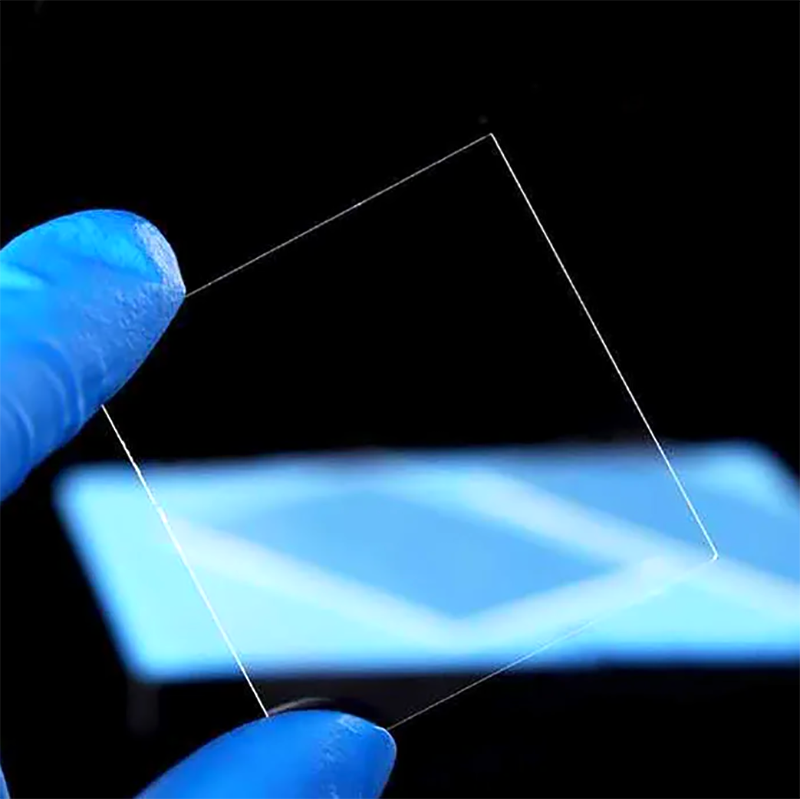
Single-crystal sapphire is selected for its chemical stability and nonporous surface. Final suitability for patient or operator contact must be evaluated within the finished device and intended use.
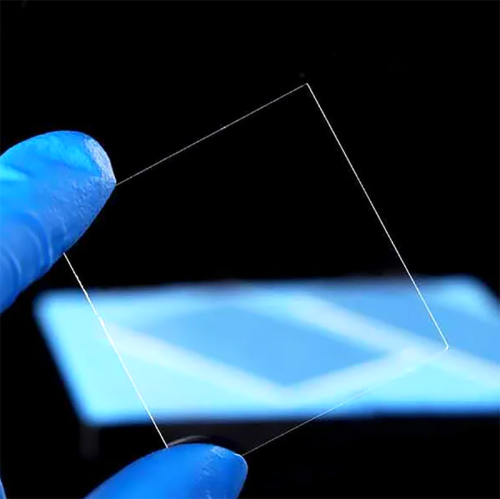
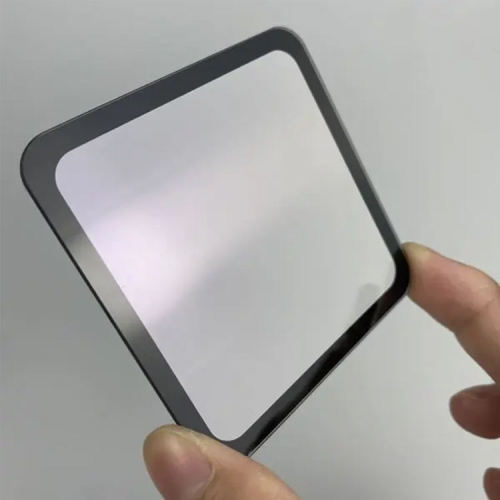
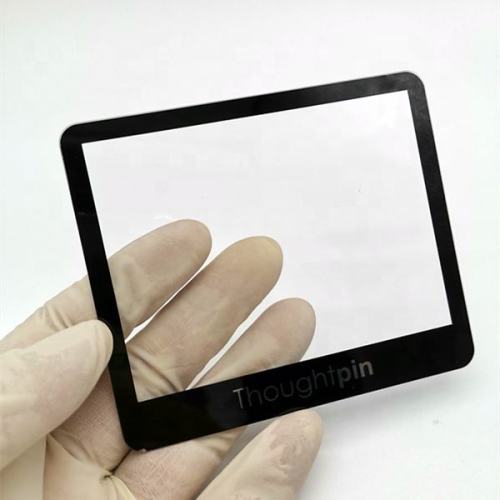
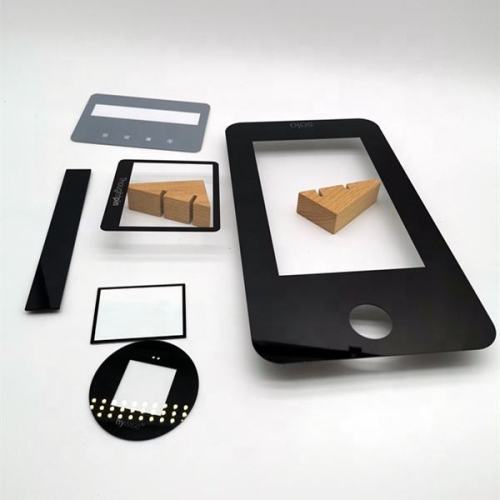
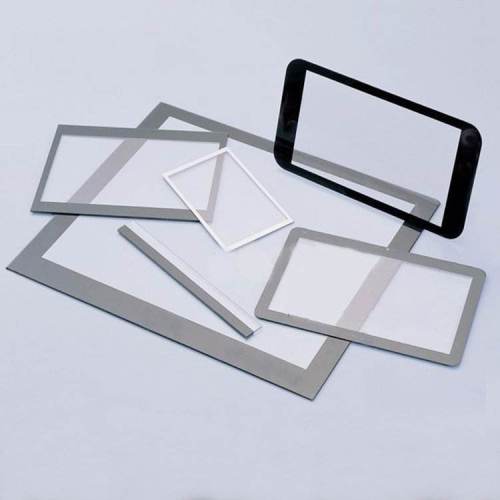
Medical optical sapphire for repeated-cleaning touch interfaces Felix Glass custom-manufactures single-crystal sapphire touch cover glass for diagnostic analyzers, patient-monitoring interfaces, laboratory instruments, and other medical equipment exposed to frequent cleaning. With Mohs 9 hardness, chemical stability, and optional AF or AR+AF coatings, the cover protects the display and touch stack while preserving optical clarity. Single-crystal sapphire is selected for its chemical stability and nonporous surface. Final suitability for patient or operator contact must be evaluated within the finished device and intended use. Substrate, ink, adhesive, and coating are reviewed as one stack against the disinfectants, concentration, dwell time, pressure, and wipe cycles stated in the customer protocol. Mohs 9 hardness helps resist scratching from routine handling and cleaning, supporting a stable viewing surface over extended equipment service. Qualification note: “5,000 alcohol wipes with no coating failure” is treated as a project acceptance target. Test liquid, wipe material, load, speed, and pass/fail criteria must be agreed before validation. A medical cover window should be qualified as part of the complete device—not by material name alone. Felix Glass can align incoming material records and inspection outputs with the OEM qualification plan. Where biological evaluation is required, the device manufacturer should establish the applicable ISO 10993 test plan with its qualified laboratory or regulatory specialist. Helps reduce fingerprint visibility and supports easier removal of routine surface residues. Contact angle, appearance, and abrasion criteria can be specified on the drawing. Combines reflection-control goals with a low-surface-energy top layer. Spectral range, reflectance target, color neutrality, and cleaning durability should be confirmed for the actual display stack. Confirm datum scheme, thickness, openings, edge safety, ink, optical zones, and cosmetic criteria. Cut and machine the sapphire blank to the approved geometry and edge profile. Polish functional surfaces and inspect flatness, thickness, and surface quality to the agreed specification. Apply the specified AF or AR+AF stack, then verify cosmetic and functional acceptance criteria. Clean and pack parts using the handling and packaging method approved for shipment; sterile packaging is not implied unless separately specified and validated. Durability data is meaningful only when the protocol matches the medical OEM’s actual cleaning process. A controlled validation plan should record the following variables and compare the part before, during, and after cycling. Request the test method and available project records when comparing suppliers; cycle count alone does not define equivalent performance. Rectangular or contoured outlines, radiused corners, slots, holes, notches, camera windows, and sensor apertures. Chamfered or rounded edges, full optical polishing, controlled cosmetic zones, and application-specific surface quality. AF or AR+AF coating, masked coating zones, decorative printing, optical bonding compatibility review, and protective film. Operator touch interfaces exposed to repeated cleaning in laboratory and point-of-care environments. High-use display covers where scratch resistance and readable status information are important. Touch panels and control HMIs requiring a durable optical surface and application-matched reflection control. Equipment interfaces requiring cleanability, controlled cosmetic quality, and repeatable custom geometry. Felix Glass can organize a project documentation package around the approved drawing and purchase specification. Available records depend on material source, coating design, test scope, and order requirements. Material identification and supplier documentation available for the selected sapphire grade. Dimensional, cosmetic, optical, and coating inspection items aligned with the agreed control plan. Drawing revision, approved sample, critical-to-quality features, packaging definition, and lot traceability requirements. Sapphire material is not “FDA approved” by itself. The US medical-device manufacturer remains responsible for device classification, design controls, biological evaluation, verification, validation, and regulatory submission. Ask for the current material-property sheet and identify the spectral, mechanical, chemical, and compliance data required by your engineering review. No. Material properties can support a biological safety assessment, but suitability depends on the finished device, contact type, duration, processing residues, coatings, adhesives, and applicable evaluation plan. That can be established as a project target. The result must be tied to a defined alcohol concentration, wipe media, load, stroke, dwell time, and coating acceptance criteria. Often yes, but the complete stack must be validated. Thickness, dielectric behavior, adhesive, sensor pattern, controller tuning, glove mode, and display geometry can affect performance. AF prioritizes easier cleaning and reduced fingerprints. AR+AF also addresses reflection, but needs spectral, color, durability, and process evaluation against the actual display assembly. Provide dimensions, tolerances, datum scheme, edge profile, openings, printing, clear aperture, coating zones, cosmetic criteria, inspection standard, annual demand, and the required sample quantity. Send the 2D/3D drawing, intended equipment, display and touch-stack details, cleaning protocol, required certifications or reports, prototype quantity, and annual volume. The engineering review will identify manufacturability risks and the evidence needed for sample approval. Project contact: james@felixglass.com
Medical Grade Biocompatible Sapphire Touch Cover Introduction
Submit Medical Equipment Drawing
Medical Biocompatibility & Disinfection Resistance Advantage
Inert Sapphire Substrate
Repeated Cleaning Strategy
Hard-Wearing Touch Surface
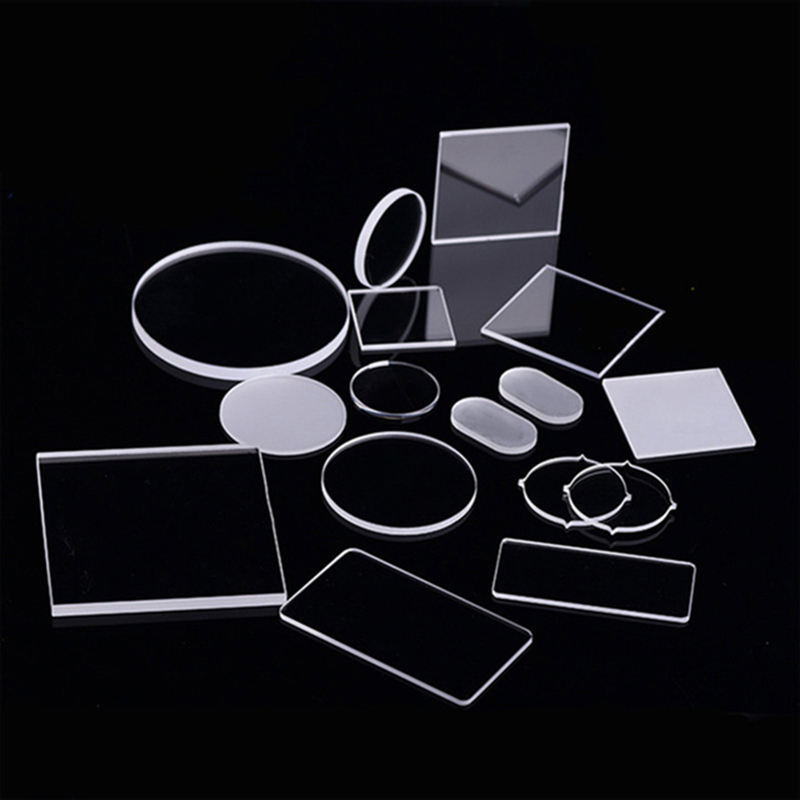
Sapphire Material Safety Test For Medical Equipment
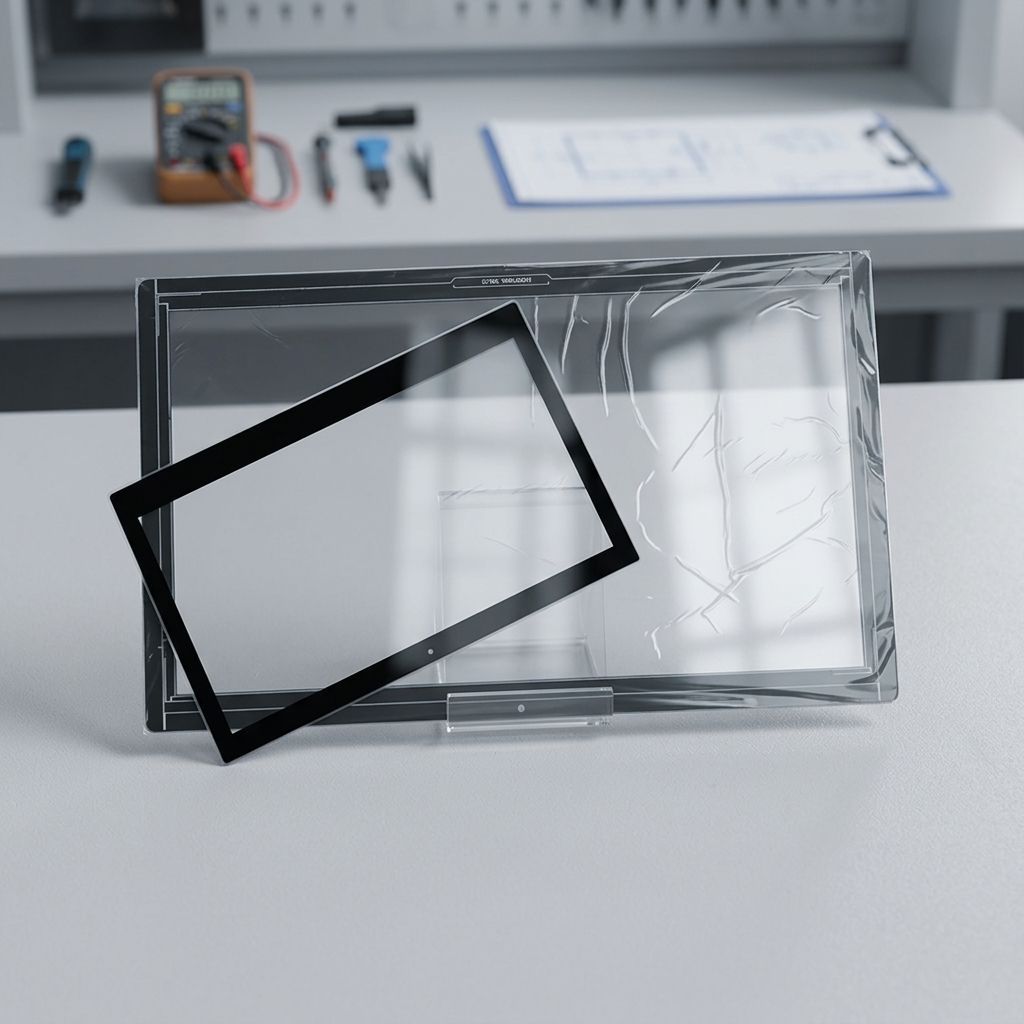
AF Anti-Fingerprint Coating For Medical Touch Panels
AF Single-Layer Option
AR+AF Composite Option
Cleanroom Medical-Grade Production Workflow
Drawing Review
Precision Shaping
Optical Polishing
Coating & Inspection
Clean Packing
Long-Term Disinfection Durability Test Data
Cleaning agent Alcohol or named medical disinfectant, concentration, and supplier Cycle definition Stroke length, wipe material, applied load, speed, dwell time, and drying interval Reference target Up to 5,000 cycles, subject to an agreed project protocol Evaluation Visual change, coating adhesion, contact angle, reflectance, haze, and touch response as applicable 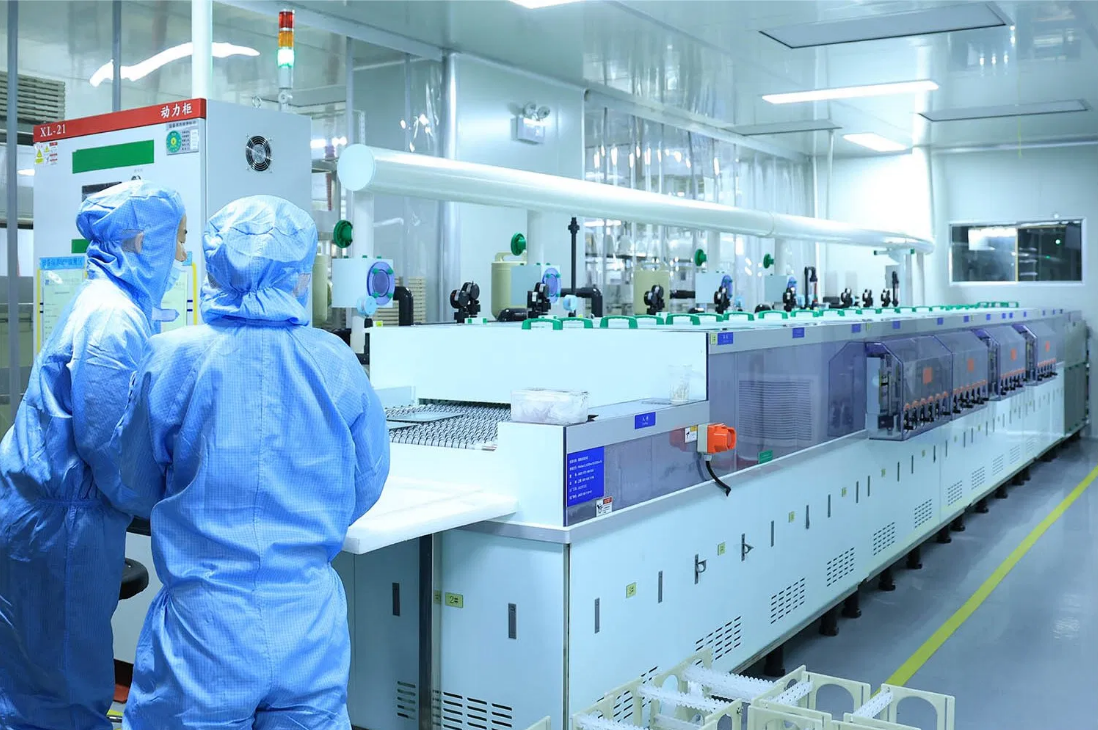
Custom Size & Edge Polishing Options
Geometry
Edge & Surface
Functional Layers
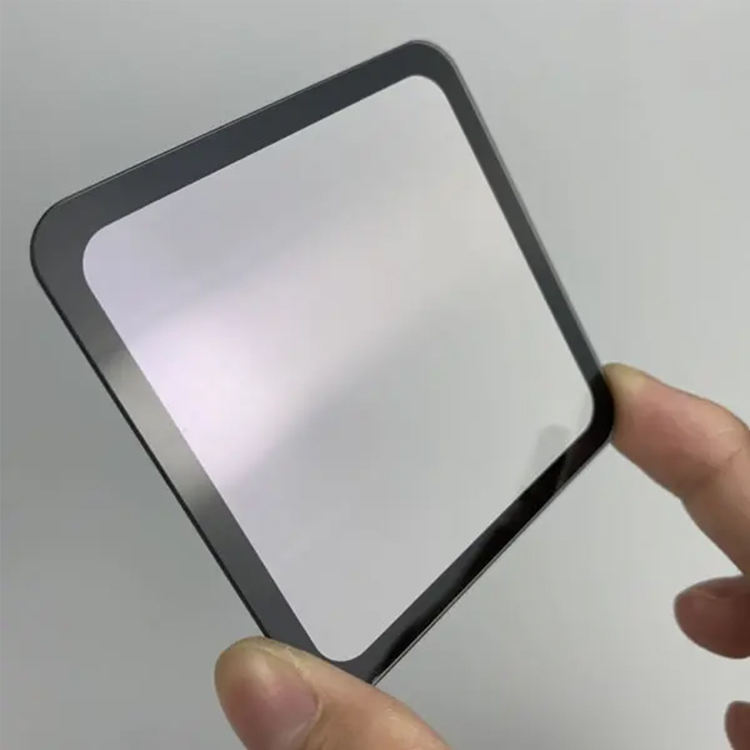
Medical Equipment Matching Application Scenarios
Diagnostic Analyzers
Patient Monitoring
Imaging Controls
Clinical Laboratory Systems
Material Certification Support For US Medical Manufacturers
Material Records
Inspection Records
Change Control Inputs
Sample & Mass Production Lead Time
Medical Sapphire Material Datasheet
Medical Optical Sapphire Technical FAQ
Is sapphire automatically biocompatible for every medical device?
Can the cover survive 5,000 alcohol wipes?
Will sapphire work with a capacitive touch sensor?
Should we select AF or AR+AF?
What should a quotation drawing include?
Send Medical Equipment Drawing For Custom Quotation