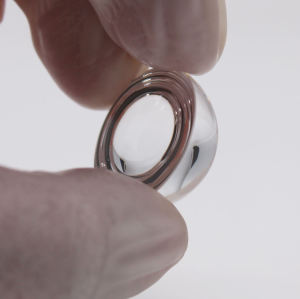
Hard Viewing Surface
Mohs 9 hardness helps resist scratching from routine handling and airborne particles, subject to cleaning method and edge protection.
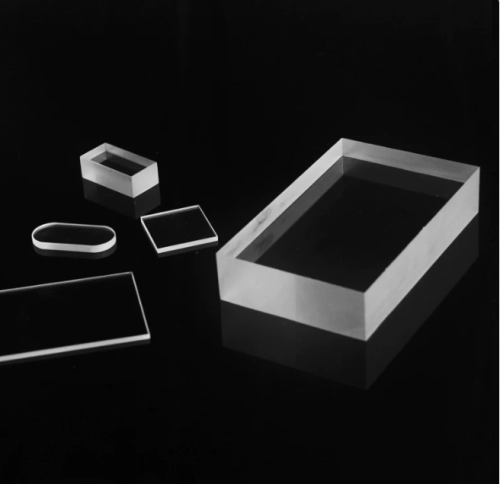
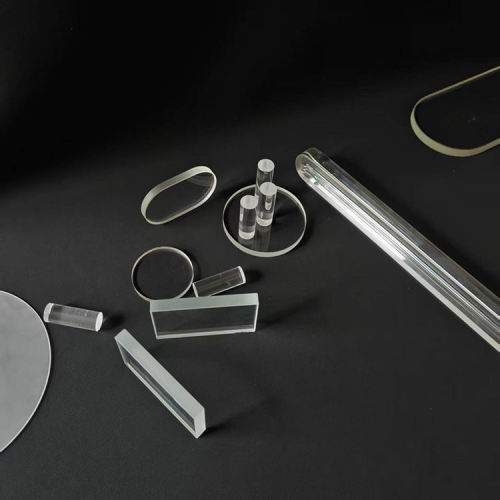
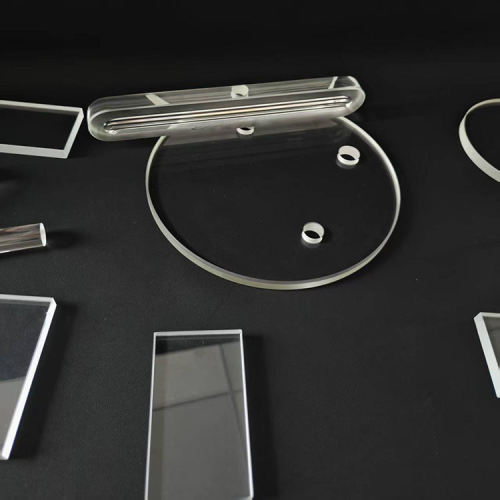
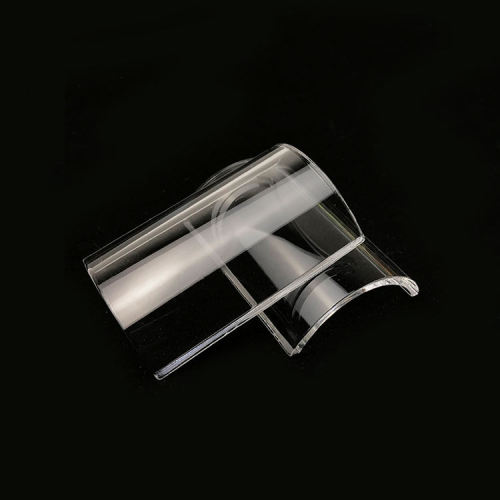
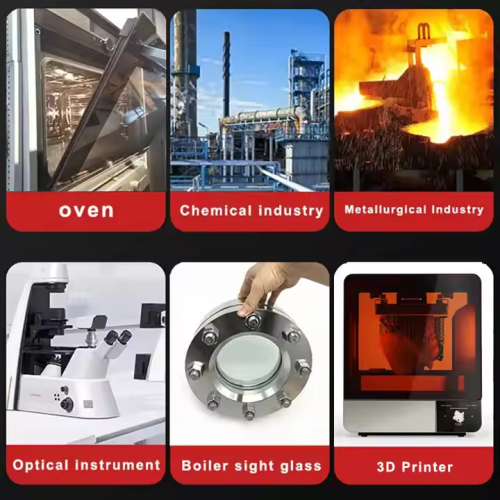
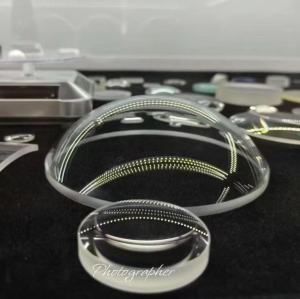
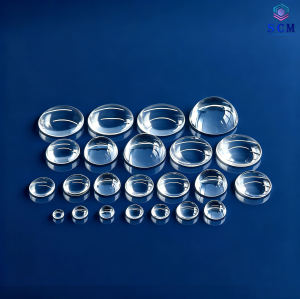
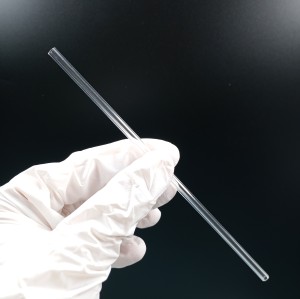
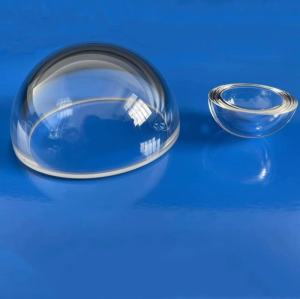
High Hardness Sapphire Observation Window for Furnace Chamber Felix Glass Co., Limited supplies single-crystal sapphire observation windows for furnace cameras, optical inspection systems and process-viewing assemblies. Single crystal sapphire delivers high-hardness polished surface with excellent transmittance across UV, visible and near-infrared spectrum. For furnace-camera and process-viewing systems, sapphire offers Mohs 9 surface hardness and stable optical access under sustained high heat. The allowable operating temperature of the finished viewport still depends on window dimensions, mounting stress, pressure differential, thermal gradients, seals, coatings and the complete chamber design, so every project requires engineering review. Mohs 9 hardness helps resist scratching from routine handling and airborne particles, subject to cleaning method and edge protection. Sapphire may suit elevated-temperature viewing when the complete window, coating, seal and mount are designed for the operating cycle. Material thickness and optional coating are selected around the camera, detector or inspection wavelength rather than a universal transmission claim. Curved configurations and all dimensional ranges require feasibility confirmation. Explore related custom optical components for additional geometry references. Viewing ports for ovens, vacuum sintering furnaces and annealing equipment. Observation positions in reactors where the window material is compatible with the stated chemicals and temperature. Monitoring of smelting and molten-metal processes through a protected optical path. High-temperature microscopes, cameras and optical detection equipment. Flange sight-glass and pressure-vessel viewing assemblies designed around the required pressure rating. Observation of high-temperature metal forming chambers and related process equipment. Browse the sapphire optical window solutions to compare other optical materials and component formats. Document temperature cycle, atmosphere, pressure, deposits and cleaning exposure. Match sapphire thickness and coating to the source, detector and incidence angle. Allow for thermal expansion, edge loading, seal compression and replacement access. Agree on dimensions, surface condition, optical tests and documentation before production. Lead time is confirmed after material, geometry, coating, quantity and inspection requirements are reviewed. Learn more about Felix Glass Co., Limited. Send the drawing, dimensions, working and peak temperatures, wavelength, chamber atmosphere, pressure, mounting method, coating target, inspection needs and quantity. The engineering team will review feasibility and identify any missing information before quotation. The original listing states a long-term target of 1800°C, but this is not a universal assembly rating. Size, thermal gradients, pressure, mount, seal and coating must be evaluated for the actual furnace. Drilling, counterbore-style recesses, chamfers and custom edges can be reviewed from a dimensioned drawing. Feasibility depends on feature size, location, thickness and edge distance. No. The decision depends on wavelength, angle of incidence, temperature, atmosphere, cleaning method and allowable reflection. Provide the pressure differential, temperature cycle, clear aperture, unsupported span, mounting and seal design. The complete assembly rating is not determined by the sapphire plate alone.
Attention · Furnace viewing conditions
Product Introduction
Single-crystal Al₂O₃ Observation and sensing Drawing-based supply
Explore Sapphire Optical Glass
 Attention · Direct answer
Why Use Sapphire for a Furnace Observation Window?
Hard Viewing Surface
Thermal Application Fit
Defined Optical Band
 Interest · Original specification topic retained
Customizable Specifications
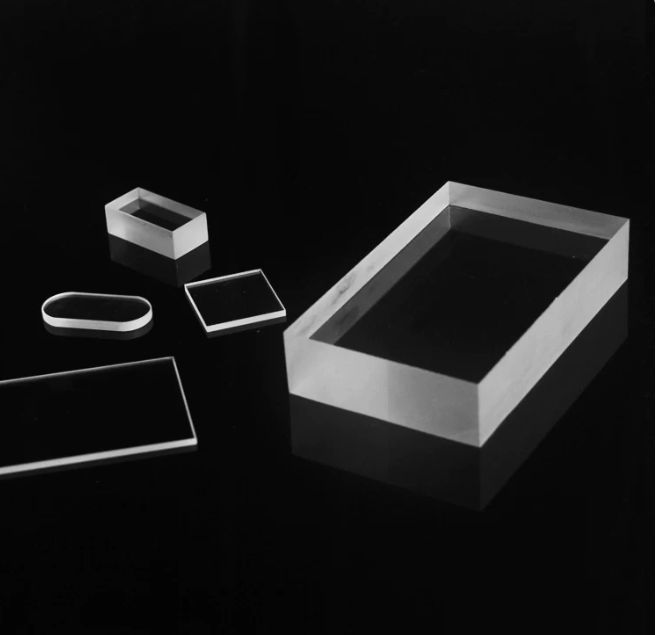
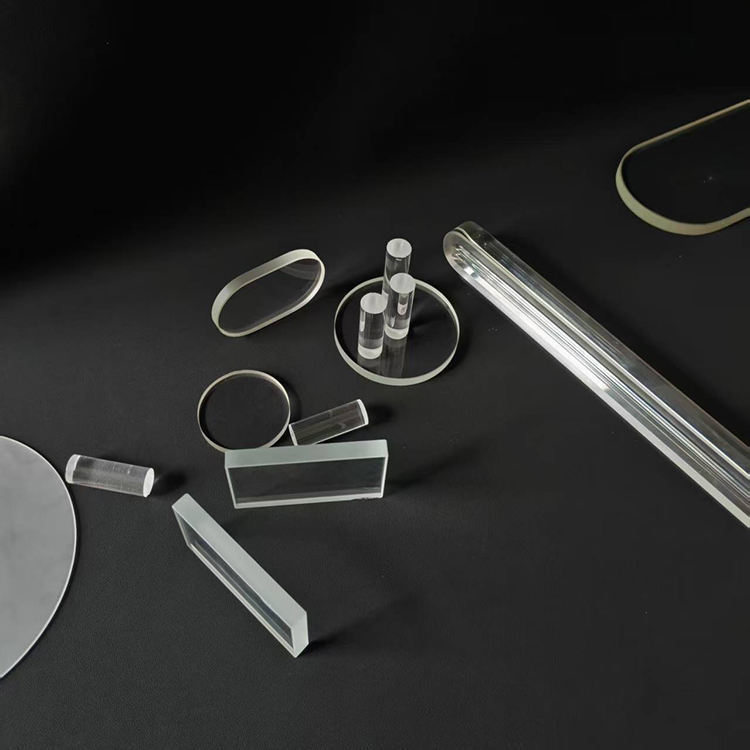
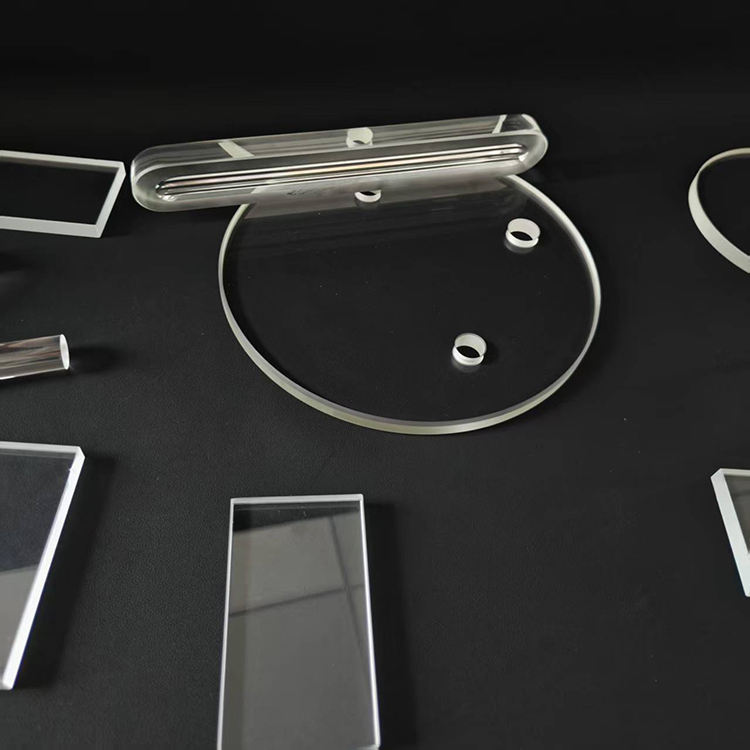
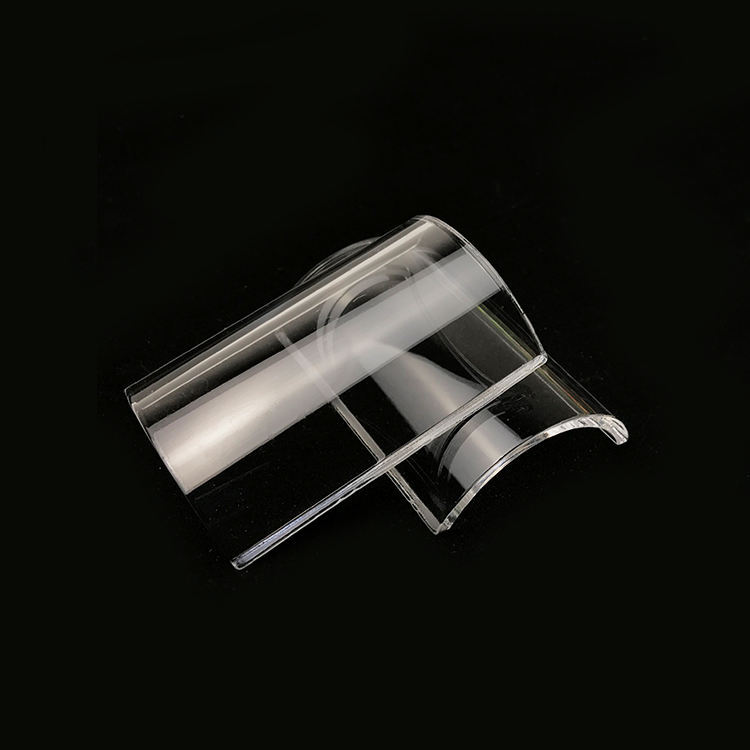
Material Single-crystal sapphire (Al₂O₃) Shapes Rectangular, round, oval, curved, drilled, long-strip and other drawing-defined forms Original size range 5–500 mm with 0.5–50 mm thickness, subject to geometry and process review Machining options Drilling, counterbore or recessed-hole features, chamfering and custom edge machining Surface treatment Double-side optical polishing with project-defined flatness, parallelism and surface quality Optional coating Anti-reflection coating evaluated for wavelength, angle, temperature and cleaning conditions
Interest · RFQ definition
Optical and Mechanical Inputs to Confirm
Clear aperture and outside dimensionsWindow thickness and edge profile
Working wavelength and detector typeAngle of incidence and coating target
Operating and peak temperaturesHeating and cooling ramp rate
Pressure differential and chamber atmosphereMounting, seal and cleaning method
Surface quality and flatness criteriaQuantity and inspection documentation
Desire · Original application order retained
Wide Application Fields
Industrial Furnaces
Chemical Processing
Metallurgy
Optical Inspection
Boilers and Vessels
Additive Manufacturing
 Desire · Integration planning
Furnace Integration and Risk Review
Define the Environment
Check the Optical Path
Review the Mount
Set Acceptance Criteria
 Desire · Original supplier topic retained
Our Advantages
Action · Original inquiry topic retained
Send Your Drawing
Inquiry Guide
Action · Buyer questions
Sapphire Furnace Window FAQ
Can the window operate continuously at 1800°C?
Can drilled or recessed features be machined?
Is anti-reflection coating always recommended?
What should be specified for a pressure vessel?