Optical Transmission
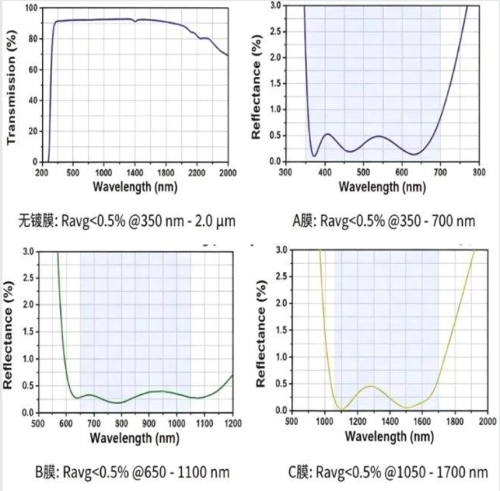
Useful transmission from ultraviolet through infrared wavelengths supports a range of sensing and fiber-optic applications.
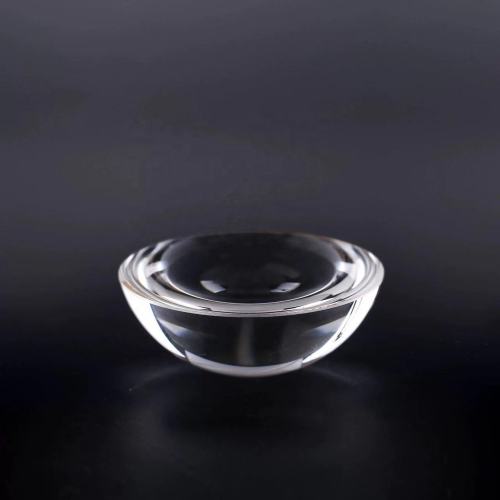
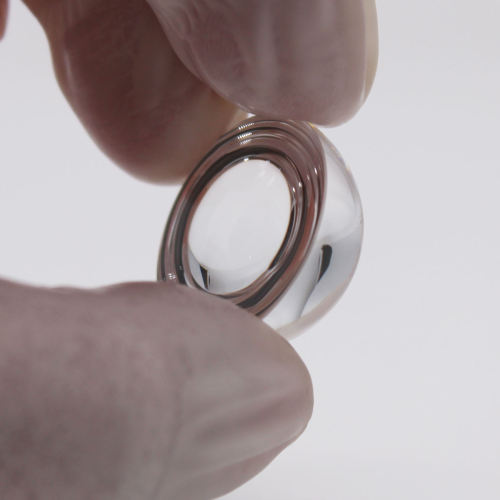
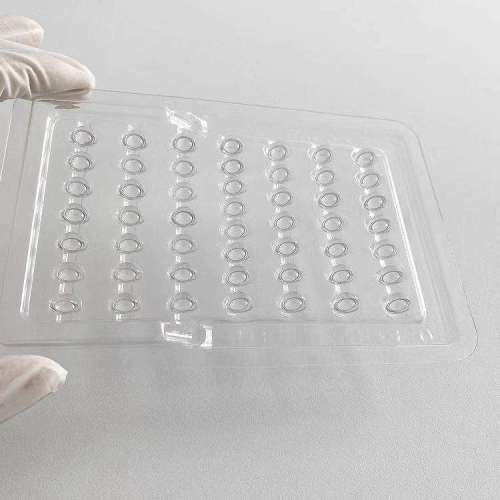
Sapphire optical component for fiber coupling
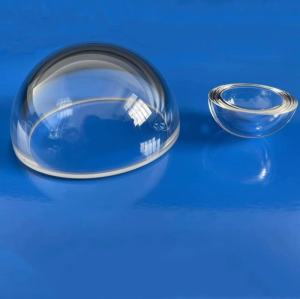
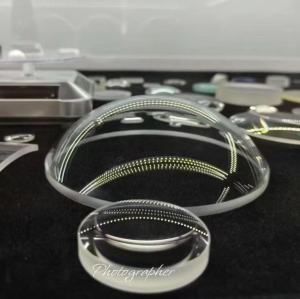
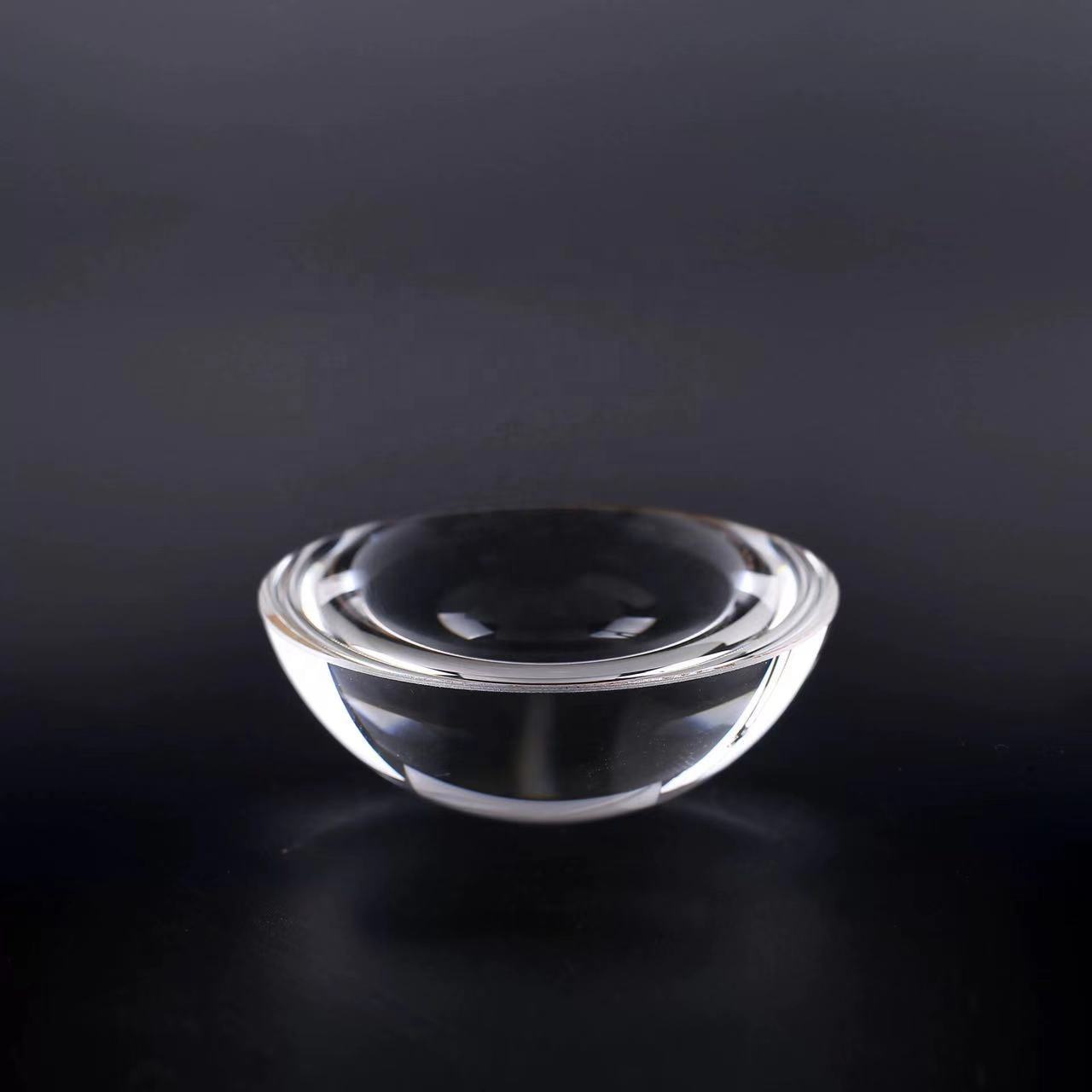
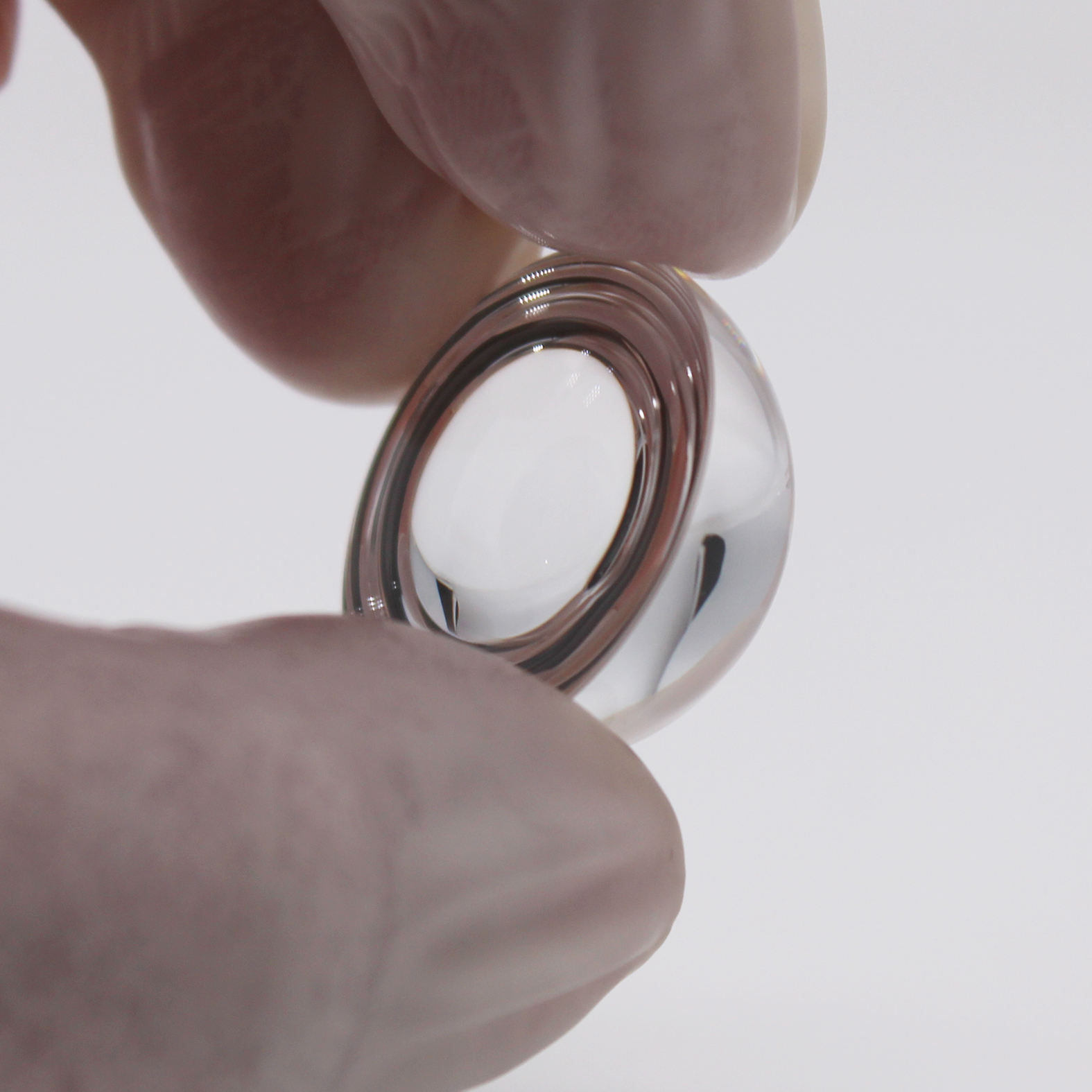
A sapphire half ball lens focuses or collimates light between an optical fiber and a detector, emitter, or other optical element. Its hemispherical geometry supports compact coupling assemblies, while sapphire combines broad optical transmission with low thermal expansion and high surface hardness.
Interest
Material selection affects alignment stability, service life, and optical performance. Sapphire is used where conventional optical glass may face abrasion, temperature change, or repeated handling.
Useful transmission from ultraviolet through infrared wavelengths supports a range of sensing and fiber-optic applications.
A hard optical surface helps resist scratching during assembly, cleaning, and operation.
Low thermal expansion helps reduce dimensional drift when operating temperatures change.
The curved surface refracts incoming or outgoing light so it can be focused or collimated over a short optical path. In a fiber coupling device, the lens can help match the fiber output to a photoelectric sensor or another optical component.
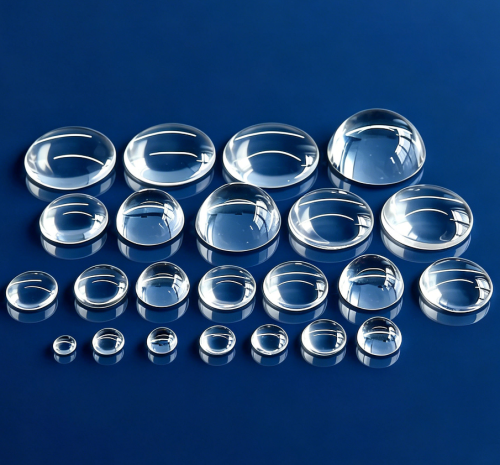
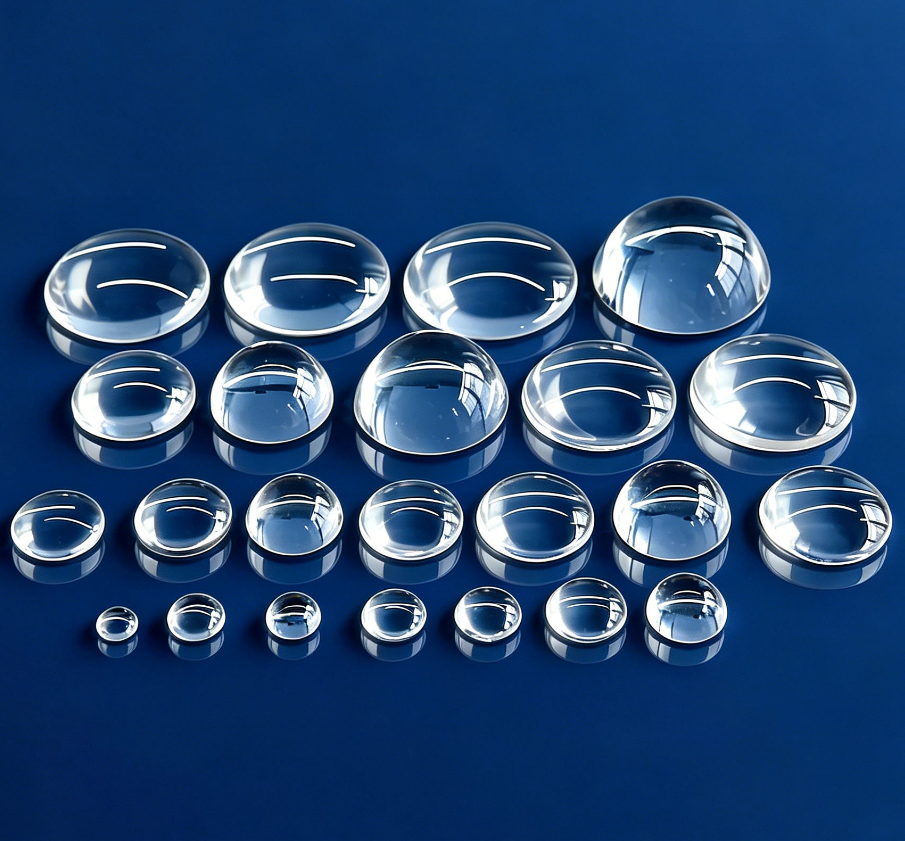
The existing product range supports diameters from 2 mm to 50 mm. Final geometry, tolerances, surface quality, and coating should be defined against the optical design rather than selected from a generic tolerance set.
| Material | Optical-grade sapphire |
|---|---|
| Geometry | Half ball / hemispherical lens |
| Diameter range | 2 mm–50 mm custom available |
| Surface | Optical polishing; requirements confirmed per drawing |
| Coating | Optional single- or double-side AR coating |
| Documentation | Dimensional and spectral inspection reports available |
Desire
The lens can be integrated into fiber coupling modules, optical communication equipment, precision detection instruments, and compact optoelectronic sensing devices.
Focus or collimate light between the fiber end and the next optical element.
Support compact transmitter, receiver, and signal-routing assemblies.
Use stable geometry in instruments exposed to temperature change or repeated operation.
Fit small sensing packages where durability and optical access are both required.
Confirm diameter, height, curvature, clear aperture, wavelength, and assembly conditions.
CNC spherical machining and optical polishing establish the required geometry and surface.
Apply the specified AR coating for the operating wavelength and surface selection.
Check dimensions and optical requirements before shipment.
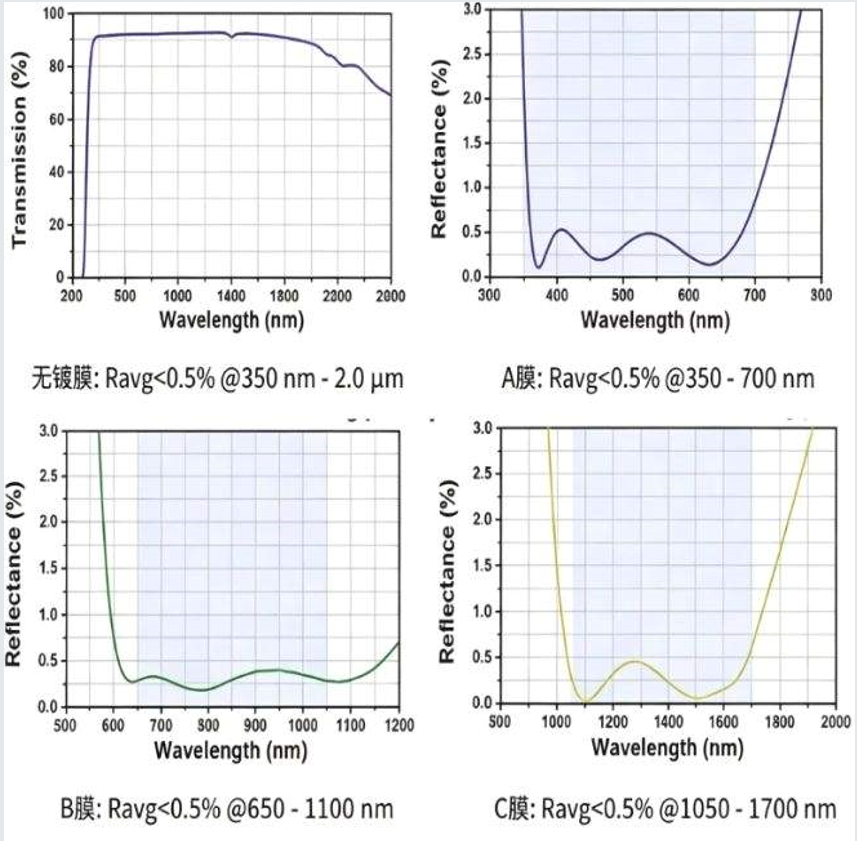
Felix Glass Co., Limited can support dimensional and spectral inspection documentation for custom projects. Sharing the application environment early helps align the inspection plan with the conditions that matter to the assembly.
In-house CNC spherical machining and optical polishing support geometry control.
Dimensional and spectral reports can be discussed for the order.
Review requirements with the team before production planning begins.
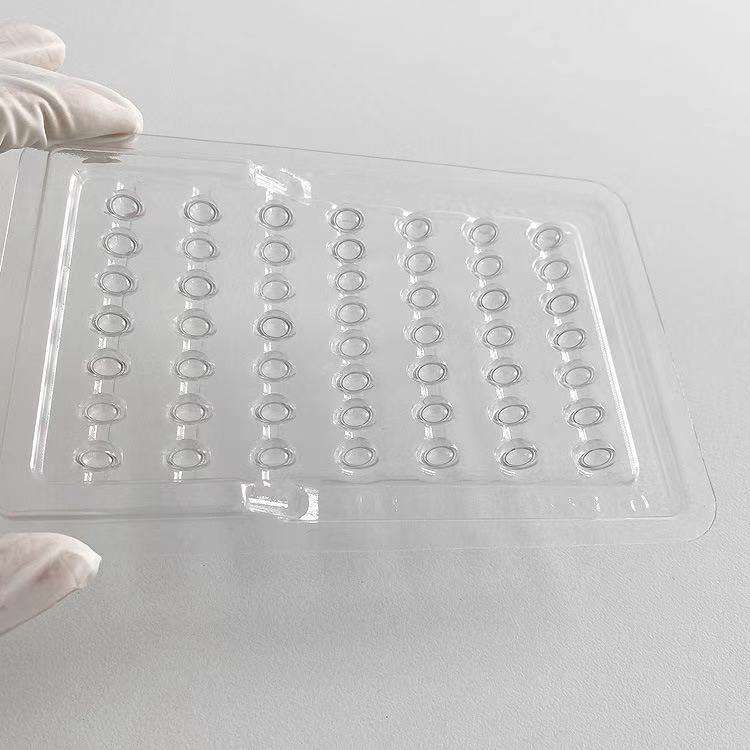
For a useful manufacturability review, provide the lens drawing and the operating requirements that influence optical and mechanical performance.
The existing product information states that custom diameters from 2 mm to 50 mm are available. Feasibility depends on the complete geometry and tolerances.
Yes. Single- or double-side AR coating can be discussed for the specified fiber-optic wavelength band.
Sapphire offers high surface hardness and low thermal expansion, which can help in assemblies exposed to abrasion or temperature change.
Provide a drawing, material and coating requirements, operating wavelength, quantity, and any inspection or documentation needs.
Use these verified site resources to compare options, understand the supplier, and prepare the next engineering discussion.
Action
Send the drawing, wavelength, coating requirement, quantity, and operating conditions. Felix Glass Co., Limited will review the request against its sapphire machining and optical polishing capabilities.