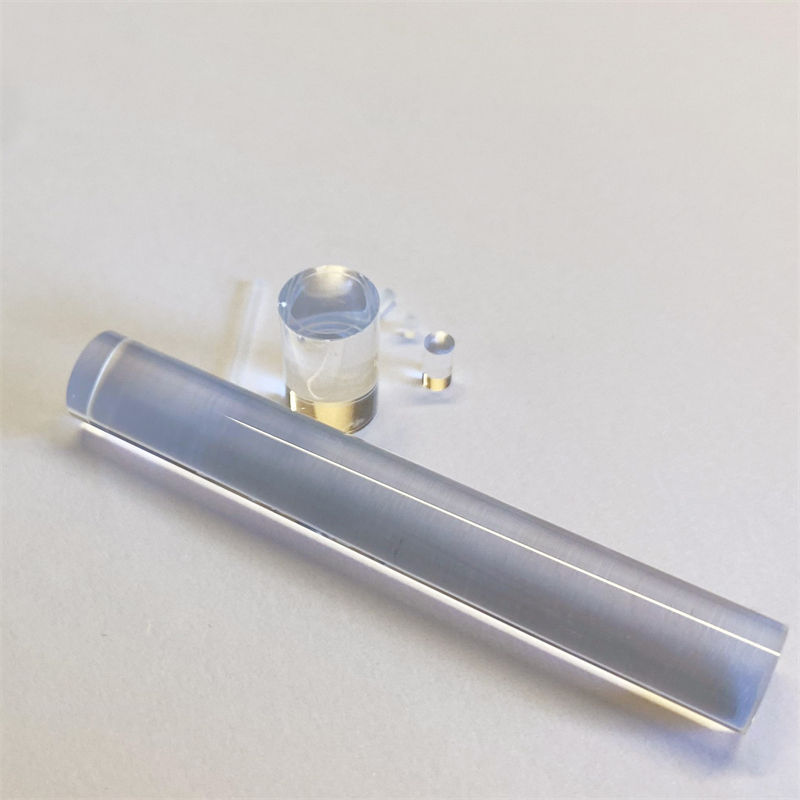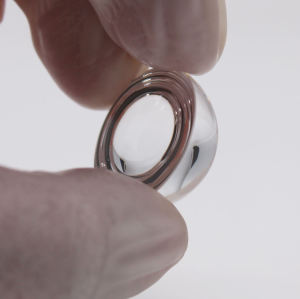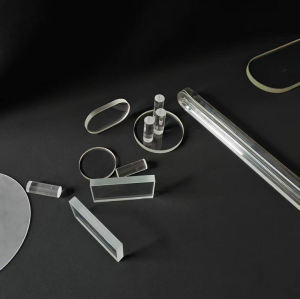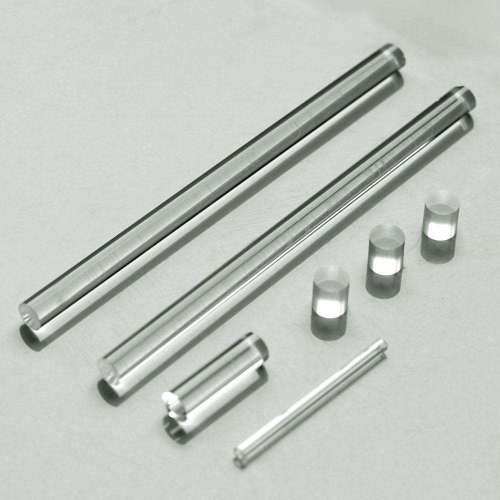
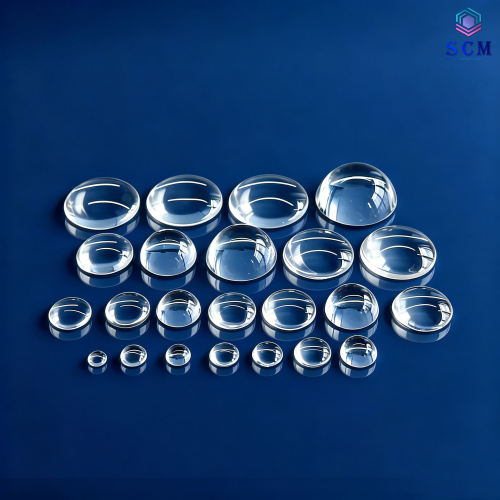
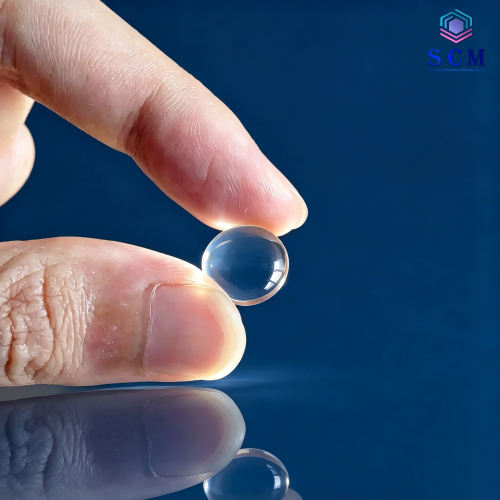
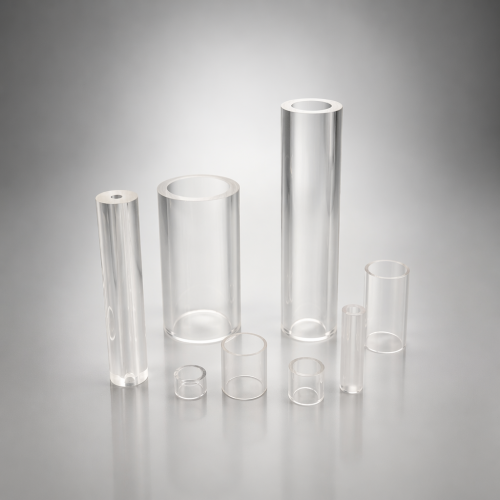
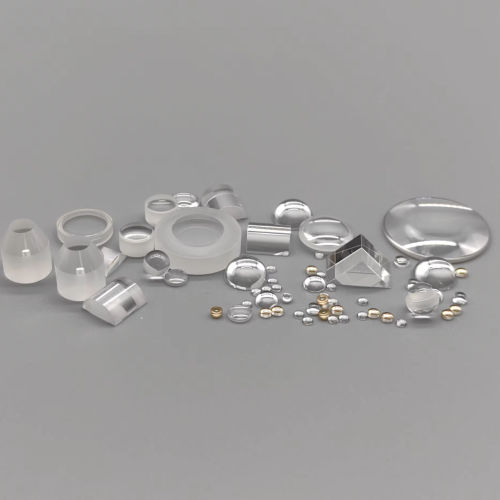
Biocompatible Custom Sapphire Optical Parts for Medical Sensor Equipment
- Model
- FG-MED-SAP-OPT-001
Item specifics
- Material
- Single Crystal Sapphire
- Processing Standard
- Class 100 Cleanroom CNC Machining
- Surface Coating
- Custom Medical AR Coating
- Sterilization Compatibility
- Autoclave, ETO Sterilizable
Review
Description
Biocompatible Sapphire Optical Components for Diagnostic Sensor Equipment
Felix Glass supplies fully customized single crystal sapphire optical windows, substrates, and precision components engineered for non-invasive medical diagnostic sensors, wearable health monitors, and clinical imaging systems. Every component is machined and polished inside Class 100 cleanroom environments, validated for repeated sterilization cycles without optical performance degradation.
Biocompatibility & Regulatory-Ready Material Foundation
Single crystal sapphire (Al2O3) is classified as a bioinert ceramic material under ISO 10993-1 biological evaluation framework. Its chemical stability eliminates the risk of ionic leaching or toxic precipitation during prolonged tissue contact or implant-adjacent sensor operation, making it the preferred optical substrate for FDA Class II and Class III medical devices requiring direct or indirect patient interfacing.
Chemical Inertness
Zero detectable leachable substances in simulated body fluid immersion testing per USP Class VI, maintaining optical clarity across the device service life without surface degradation.
USP Class VI Certification
Raw sapphire material meets USP Class VI biological reactivity standards for plastics and polymers used in medical device construction with patient contact.
Device Master File Support
Full material traceability documentation, certificate of conformance, and biocompatibility statements available to support your 510(k) or CE marking submission package.
Why Medical Device Engineers Select Single Crystal Sapphire Over Conventional Optical Glass
Medical sensor optical windows face unique challenges: repeated sterilization, chemical disinfectant exposure, mechanical wiping, and the need for consistent optical transmission over years of clinical use. Single crystal sapphire addresses all of these simultaneously.
Mohs 9 Hardness — Permanent Scratch Resistance
Sapphire is second only to diamond in hardness among transparent materials. Medical wiping, cleaning abrasives, and particulate contact produce no visible surface scratching, preserving optical clarity through thousands of cleaning cycles.
Broad-Spectrum Optical Transmission
Stable transmittance from UV (200 nm) through visible to mid-wave IR (5,000 nm), supporting multispectral diagnostic sensors, fluorescence detection, and combined visible-NIR optical systems in a single window material.
High-Temperature Sterilization Tolerance
Maintains full optical performance after 1,000+ autoclave cycles at 134°C, far exceeding the degradation thresholds of polymer optics and chemically strengthened glass alternatives.
Disinfectant & Chemical Resistance
Impervious to hydrogen peroxide plasma, glutaraldehyde, peracetic acid, and quaternary ammonium disinfectants commonly used in clinical environments. No coating delamination or substrate etching after prolonged chemical exposure.
Ultra-Tight Dimensional Control
CNC polishing inside Class 100 cleanrooms achieves surface flatness down to λ/10, surface roughness Ra ≤ 0.5 nm, and dimensional tolerance ±0.01 mm for mission-critical sensor alignment requirements.
Zero Optical Performance Decay
Unlike polymer optics that yellow or craze under repeated sterilization, sapphire maintains identical transmission spectra after 5-year accelerated aging tests, matching long-life medical equipment service expectations.
Core Sapphire Optical Product Range for Medical Sensor Integration
Every component is manufactured to customer-provided engineering drawings with no minimum order quantity during the prototyping phase. Production quantities scale from pilot batches to full-volume OEM supply.
Thin Sapphire Optical Windows
For wearable medical sensors and non-invasive diagnostic probes. Thickness from 0.1 mm with optical-grade surface finish on both faces.
Flat Sapphire Substrates
For biosensor chip packaging, microfluidic optical interfaces, and lab-on-chip devices. Custom dimensional tolerance down to ±0.01 mm.
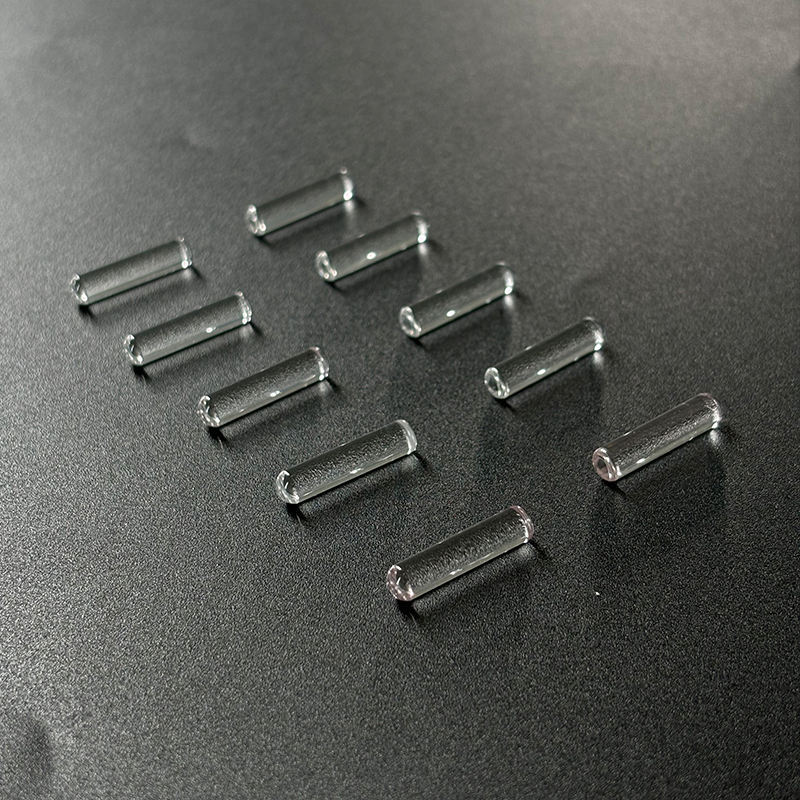
Precision Optical Viewports
Small-diameter circular windows for endoscopic inspection cameras, minimally invasive surgical instruments, and dental imaging handpieces.
Custom Optical Blanks
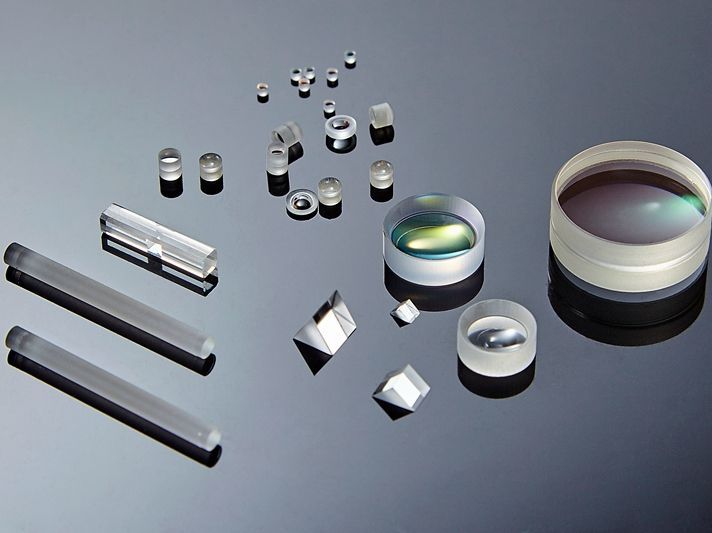
Round, rectangular, or complex-contour blanks for medical optical assemblies requiring secondary processing or bespoke geometric configurations.
Precision Optical Specification Parameters
The specification table below represents our standard manufacturing capability envelope. Custom requirements outside these ranges are evaluated by our engineering team on a case-by-case basis.
| Parameter | Standard Capability | Notes |
|---|---|---|
| Material | Single Crystal Sapphire (Al2O3) | Kyropoulos or Czochralski growth method |
| Crystal Orientation | C-plane (0001), A-plane (1120), R-plane (1102) | Specify orientation in PO; random orientation available |
| Dimension | Up to 150 mm × 150 mm | Larger sizes evaluated per drawing |
| Angle Tolerance | ±30 arc seconds typical; ±10 arc seconds available | Per autocollimator measurement |
| Surface Quality | 40-20 scratch-dig (MIL-PRF-13830B) | 20-10 available for laser-grade applications |
| Surface Flatness | λ/4 @ 632.8 nm standard; λ/10 available | Measured by interferometer, 3-inch clear aperture |
| Clear Aperture | ≥ 90% of mechanical diameter | Edge exclusion zone per customer drawing |
| Transmission | ≥ 85% uncoated (VIS-NIR); ≥ 98% with AR coating | Per spectrophotometer 200-2,500 nm scan |
| Coating | Single-layer MgF2, broadband BBAR, V-coat, dual-band | Custom wavelength ranges per application |
| Sterilization Compatibility | Autoclave 134°C, ETO, H2O2 plasma, gamma irradiation | 1,000+ cycle validation available |
| Operating Temperature | −70°C to +500°C continuous | Thermal shock tested per MIL-STD-810 |
| Edge Processing | Ground, polished, chamfered, stepped, or profiled | Per customer edge detail drawing |
| MOQ | 1 piece (prototype); production MOQ negotiated | No minimum for engineering evaluation samples |
| Lead Time | 2–4 weeks prototype; 6–8 weeks production | Expedited service available for urgent projects |
Custom Form Factor Capabilities — Dimensional Range & Geometry Options
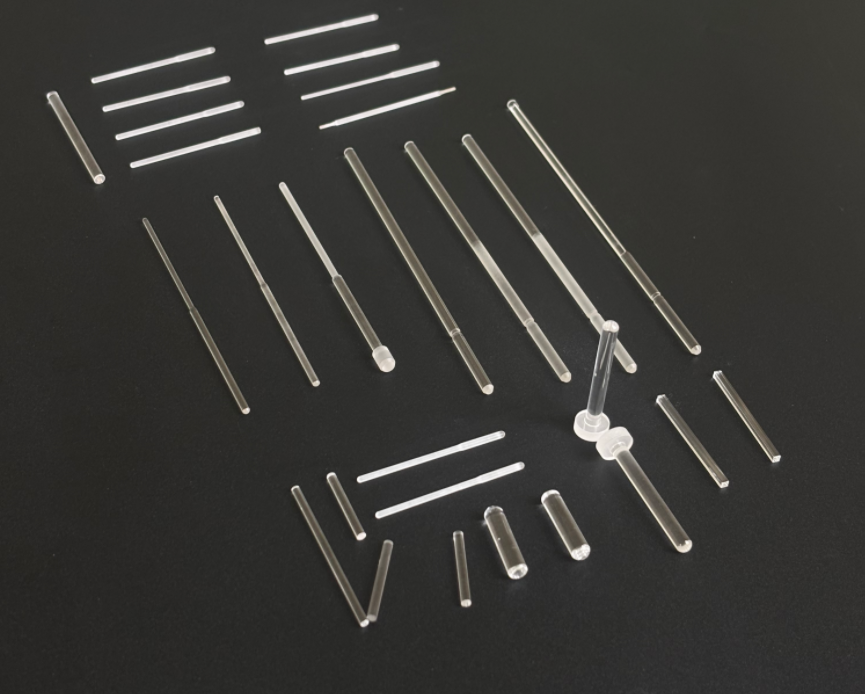
All sapphire optical components are manufactured from customer-provided engineering drawings with support for a wide range of geometric configurations. Our CNC machining centers accommodate non-standard shapes beyond simple round or rectangular windows.
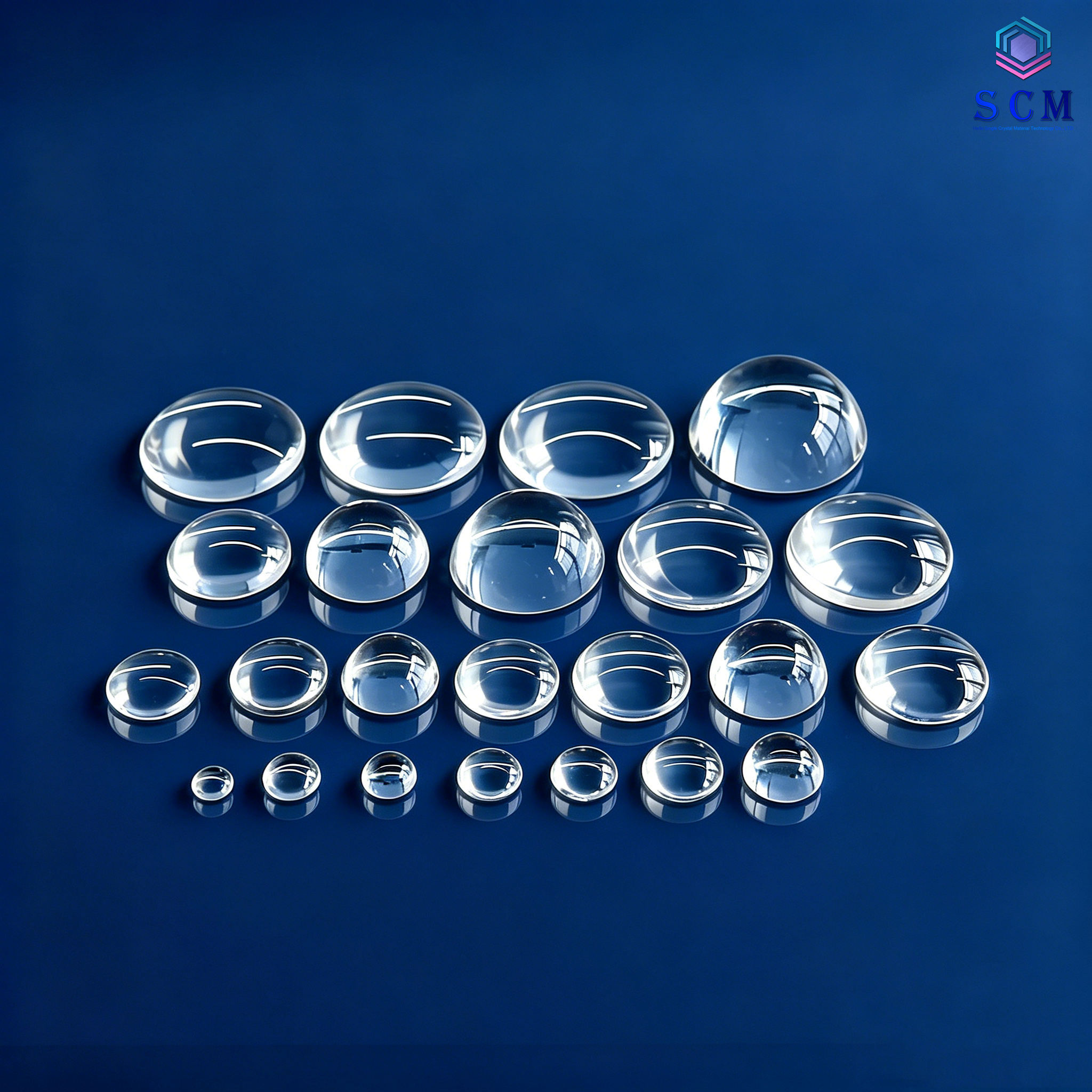
∅0.5 mm to ∅150 mm
Up to 150 mm × 150 mm
Per customer drawing
Medical-Grade Anti-Reflection Coating Solutions
Uncoated sapphire exhibits approximately 14% reflection loss (7% per surface) in the visible spectrum. Felix Glass applies precision thin-film AR coatings to reduce reflection to below 0.5% per surface, significantly improving sensor signal-to-noise ratio and detection sensitivity. All coating materials are selected for medical biocompatibility and sterilization durability.
Broadband BBAR Coating
Ravg ≤ 0.5% across 400–700 nm visible spectrum. Ideal for multispectral medical cameras, endoscope imaging systems, and color-critical diagnostic sensors requiring uniform transmission across the full visible band.
Single-Wavelength V-Coat
R ≤ 0.25% at a specific laser wavelength (e.g., 532 nm, 633 nm, 808 nm, 1064 nm). For laser-based diagnostic instruments, flow cytometry optics, and confocal microscopy sensor windows where maximum throughput at one wavelength is critical.
Dual-Band Coating
High transmission at two discrete wavelength bands simultaneously, for example VIS (400–700 nm) + NIR (800–1,100 nm). Supports combined visible imaging and near-infrared diagnostic sensing through a single optical window.
IR-Enhanced Coating
Optimized for mid-wave IR transmission at 3–5 μm for thermal diagnostic sensors, non-contact temperature measurement, and IR spectroscopic medical detection equipment. Durable under elevated-temperature sterilization protocols.
Class 100 Cleanroom Manufacturing — Process Control & Contamination Prevention
All medical sapphire optical components are produced within ISO Class 5 (Class 100) cleanroom environments to eliminate particulate contamination on optical surfaces. This is critical for medical sensor applications where sub-micron particles on the optical window can create false readings, light scatter artifacts, or sensor calibration drift.
Raw Material Qualification
Single crystal sapphire boule inspection, orientation verification via X-ray diffraction, and bulk transmission testing before release to production.
Precision CNC Cutting
Diamond-tool cutting to rough blank dimensions with excess stock allowance for subsequent grinding and polishing stages. Coolant management prevents subsurface damage.
Multi-Stage Fine Grinding
Progressive grit reduction from coarse shaping through fine lapping, achieving surface form accuracy within 1–2 μm before optical polishing begins.
Optical-Grade Polishing
CNC-controlled pitch polishing and CMP (chemical-mechanical planarization) achieving surface roughness Ra ≤ 0.5 nm and flatness to λ/10.
Medical AR Coating Deposition
Ion-assisted electron-beam evaporation or ion-beam sputtering inside vacuum chambers with real-time optical monitoring and environmental particle control.
Dust-Free Sealed Packaging
100% visual inspection under controlled lighting, laser-marked traceability, and vacuum-sealed cleanroom packaging ready for medical device assembly integration.
Validated Sterilization Compatibility & Repeated-Cycle Optical Performance
Medical sensor optical windows must survive repeated sterilization without coating delamination, substrate fogging, or transmission loss. Felix Glass sapphire optics are validated for sustained performance across the sterilization methods most commonly specified for medical diagnostic equipment.
Autoclave Steam Sterilization
1,000+ cycles at 134°C, 2.1 bar. No change in transmission spectra, surface roughness, or coating adhesion per ISO 12865 post-cycle inspection.
Ethylene Oxide (ETO)
Full ETO cycle compatibility with aeration phase. No chemical interaction between sapphire substrate and ETO sterilant gas. Coating integrity maintained.
Hydrogen Peroxide Plasma
STERRAD and V-PRO low-temperature plasma sterilization compatible. Zero coating erosion after 500+ cycles per ISO 14937 evaluation protocol.
Gamma Irradiation
25–40 kGy gamma sterilization dose range. No color center formation or transmission degradation in sapphire, unlike BK7 and fused silica alternatives that develop radiation-induced absorption.
Medical Sensor Application Architecture — System-Level Integration Scenarios
Felix Glass sapphire optical components integrate into diverse medical device architectures. Below are the primary application categories where our custom sapphire optics deliver measurable clinical performance improvements.
Wearable Vital Sign Monitors
Thin sapphire optical windows (≤ 0.3 mm) for wrist-worn PPG heart rate sensors, pulse oximeters, and continuous glucose monitors requiring skin-contact biocompatibility and scratch-proof durability.
In-Vitro Diagnostic Analyzers
Flat sapphire substrates and cuvette windows for clinical chemistry analyzers, immunoassay readers, and hematology instruments where chemical resistance and broad-spectrum transmission are essential.
Endoscopic Inspection Cameras
Small-diameter (∅2–8 mm) sapphire viewports for rigid and flexible medical endoscopes, dental intraoral cameras, and minimally invasive surgical visualization systems.
Biosensor Chip Packaging
Precision sapphire substrates for SPR biosensor chips, waveguide-based diagnostic sensors, and photonic biosensor packaging requiring optical-grade surface flatness and dimensional accuracy.
Non-Contact Thermal Screening
IR-transmissive sapphire windows for clinical thermography cameras, fever screening stations, and medical thermal imaging equipment requiring durable optical front elements.
Microfluidic Optical Interfaces
Custom sapphire coverslip alternatives for microfluidic lab-on-chip devices, cell sorting optics, and fluorescence microscopy chambers where chemical inertness and optical clarity are critical.
Optical Metrology & Quality Assurance Protocol
Every sapphire optical component shipped to medical device manufacturers undergoes documented inspection against the customer-specified acceptance criteria. Our quality management system aligns with ISO 13485 requirements for medical device component suppliers.
Surface Quality Inspection
MIL-PRF-13830B scratch-dig visual inspection under controlled illumination, documented with inspection reports shipped with each production batch.
Interferometric Flatness Verification
Full-aperture Zygo interferometer measurement at 632.8 nm. 3D surface map and PV/RMS flatness data included in the certificate of conformance.
Spectrophotometric Transmission Scan
PerkinElmer Lambda series spectrophotometer scan from 200–2,500 nm. Coated optics include absolute transmission and reflection spectra plotted against customer specification.
Dimensional Conformance Report
CMM or vision measurement system verification of all critical dimensions, edge detail, chamfer angle, and parallelism per the customer-approved engineering drawing.
Coating Durability Testing
Tape adhesion per MIL-C-48497, abrasion resistance per MIL-C-675, and humidity exposure per MIL-STD-810 Method 507. Available as additional qualification testing.
Sterilization Cycle Validation
Pre- and post-sterilization optical performance comparison reports for autoclave, ETO, and H2O2 plasma methods. Available for customer qualification submissions.
Custom Project Workflow — From Drawing to Delivery
Our engineering team works directly with your optical design group, mechanical engineering team, or procurement department. The typical project workflow follows a structured but flexible process designed to move from initial inquiry to validated production efficiently.
Drawing & Specification Review
Submit your engineering drawing, 3D model (STEP/IGES), or specification sheet. Our optical engineers evaluate manufacturability and provide a feasibility assessment within 24 hours.
Prototype Quotation & Lead Time
Receive a detailed quotation covering material, processing, coating, inspection, and documentation. Typical prototype lead time is 2–4 weeks including coating.
Prototype Manufacturing & Inspection
Prototype parts are manufactured, inspected against your acceptance criteria, and shipped with full dimensional and optical conformance documentation.
Customer Validation & Design Lock
You validate the prototype in your device assembly. Engineering revisions are incorporated before production drawing lock and process qualification.
Production Ramp & Ongoing Supply
Production process validated, first article inspection completed, and volume manufacturing begins with ongoing SPC monitoring and lot traceability.
Technical Resources & Case Studies
Access detailed technical documentation and application case studies to support your material selection and design process.
Sapphire Optical Glass Technical Guide
Comprehensive material properties, transmission curves, and selection criteria for optical-grade sapphire.
Medical Sensor Optical Window Solutions
Application-specific design considerations for sensor optical windows in diagnostic equipment.
Felix Glass Technical Blog
Articles on optical material selection, coating technology, and medical device optical design best practices.
About Felix Glass Manufacturing
Cleanroom facility overview, quality certifications, and engineering team capabilities.
Medical Sapphire Optics Engineering FAQ
What ISO biocompatibility documentation do you provide for sapphire material?
We provide a material certificate of conformance stating single crystal sapphire (Al2O3) classification as a bioinert ceramic, along with USP Class VI test reports from our raw material supplier. For customers requiring ISO 10993 biological evaluation within their own device submission, we supply material composition statements, processing chemical declarations, and sterilization residuals data to support your biocompatibility assessment. We do not perform end-device ISO 10993 testing; that responsibility resides with the medical device manufacturer per FDA and EU MDR guidance.
Can you hold dimensional tolerance tighter than ±0.01 mm on small sapphire windows?
Yes. For small components (∅ ≤ 25 mm), we can achieve dimensional tolerance down to ±0.005 mm on critical features through multi-stage CNC grinding with in-process metrology feedback. Tighter tolerances require engineering review of the specific geometry, aspect ratio, and tolerance stack-up. We recommend specifying the minimum acceptable tolerance on each feature rather than defaulting to the tightest possible value, as this optimizes both manufacturability and cost.
What is the difference between C-plane, A-plane, and R-plane sapphire orientation for medical optics?
C-plane (0001) is the most commonly specified orientation for medical optical windows due to its isotropic optical properties and availability in large-diameter wafers. A-plane (1120) offers slightly higher mechanical strength in certain directions and is sometimes preferred for thin windows under pressure differential. R-plane (1102) is used when specific polarization or birefringence characteristics are required. For most medical sensor window applications, C-plane provides the best combination of optical quality, cost, and lead time. Our engineering team can recommend the optimal orientation based on your specific mechanical and optical requirements.
How do you ensure coating adhesion survives repeated autoclave sterilization?
Coating durability under autoclave conditions depends on three factors: substrate surface preparation, coating deposition parameters, and coating material selection. We use ion-assisted deposition (IAD) to increase coating density and adhesion energy. Pre-coating substrate cleaning includes ultrasonic degreasing and plasma surface activation. Post-coating, we perform tape adhesion testing per MIL-C-48497 on witness samples from every coating run. For applications requiring documented sterilization durability, we offer a supplemental qualification service: coated witness samples undergo 100 autoclave cycles with pre- and post-cycle spectrophotometric comparison included in the qualification report.
What is your typical MOQ and pricing structure for medical sapphire optical components?
We have no minimum order quantity for prototype and engineering evaluation quantities — you can order a single piece for initial testing. Production MOQ varies by component complexity, size, and coating requirements, typically in the range of 25–100 pieces per production batch. Pricing is quotation-based and depends on material blank cost, dimensional tolerance requirements, surface quality specification, coating complexity, inspection documentation level, and annual volume commitment. We provide firm quotations within 24–48 hours after receiving your engineering drawing or specification sheet. For ongoing production, we offer annual pricing agreements with quarterly delivery schedules to support your production planning.
Start Your Medical Sapphire Optics Project
Submit your engineering drawing, specification requirements, and target volume. Our optical engineering team provides a detailed feasibility assessment and quotation within 24 hours.