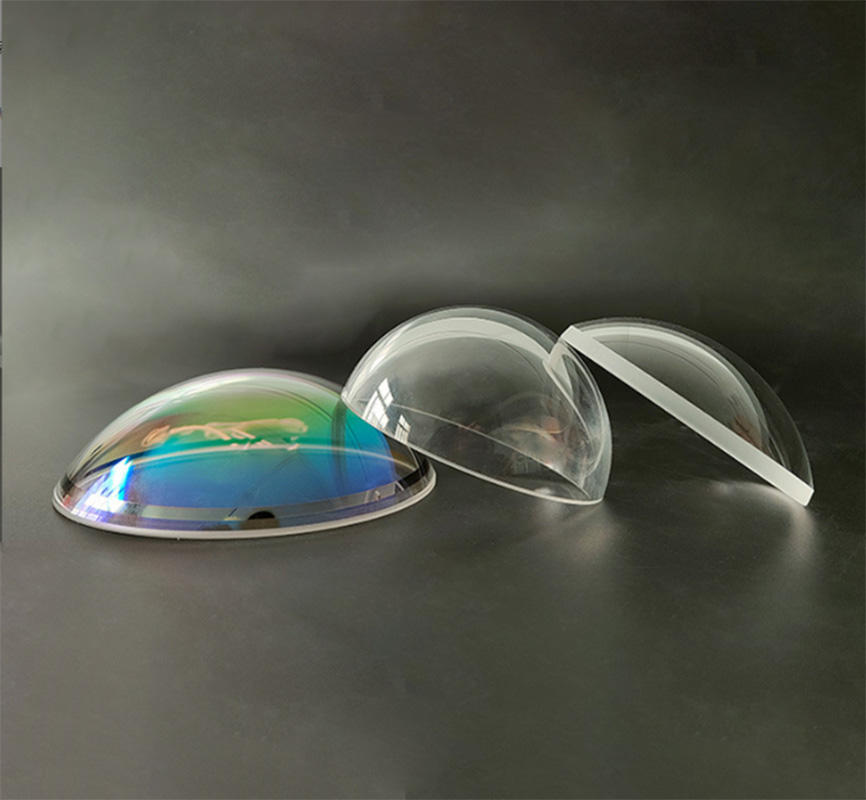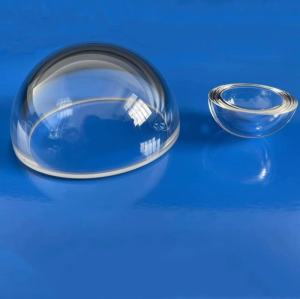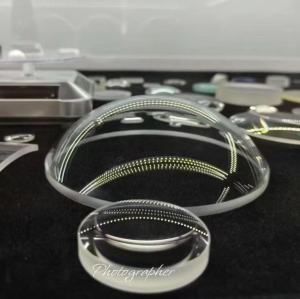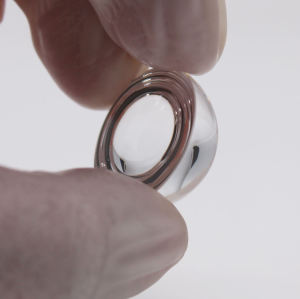
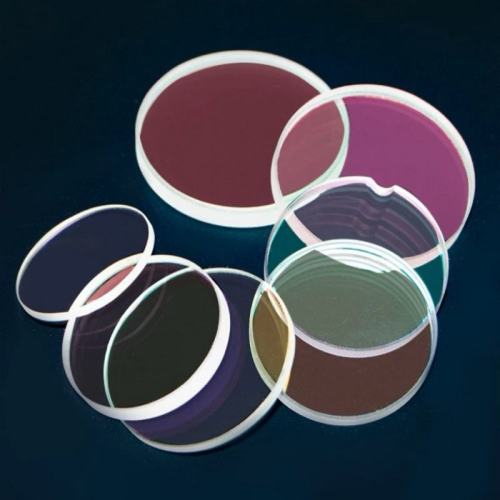
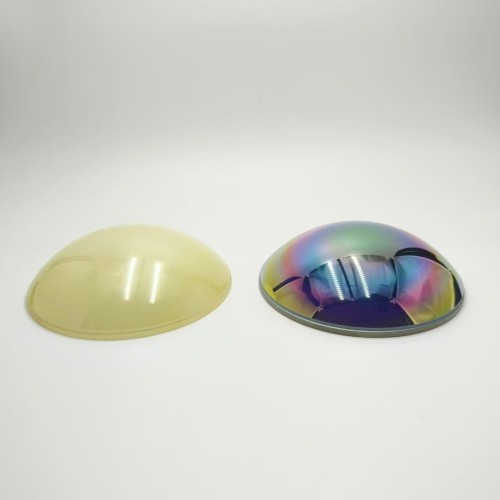
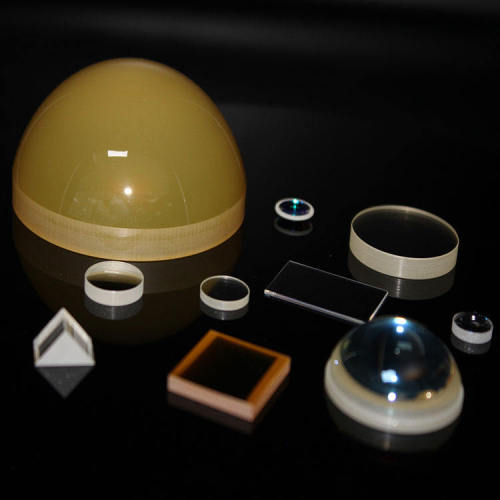
Multi-Band Sapphire EO/IR Protective Window for Thermal Surveillance
- Model
- FG-EOIR-SAP-WIN-001
Item specifics
- Material
- Single Crystal Sapphire (Al₂O₃)
- Spectrum Transmission
- UV to IR Multi-Band
- Hardness
- Mohs 9
- Thermal Property
- Thermal Property | Excellent Thermal Shock Resistance
- Surface Grade
- Grade 00 Optical Polish
- Coating
- Custom Multi-Band AR Coating
- Machining
- CNC Shaping, Edge Chamfering, Sealing Profiles
- Application
- Aerospace EO/IR, Thermal Imaging & Night Vision System
- Operating Temp
- -60℃ ~ +150℃
- Supply Mode
- Prototype Sampling & Mass OEM Production
Review
Description
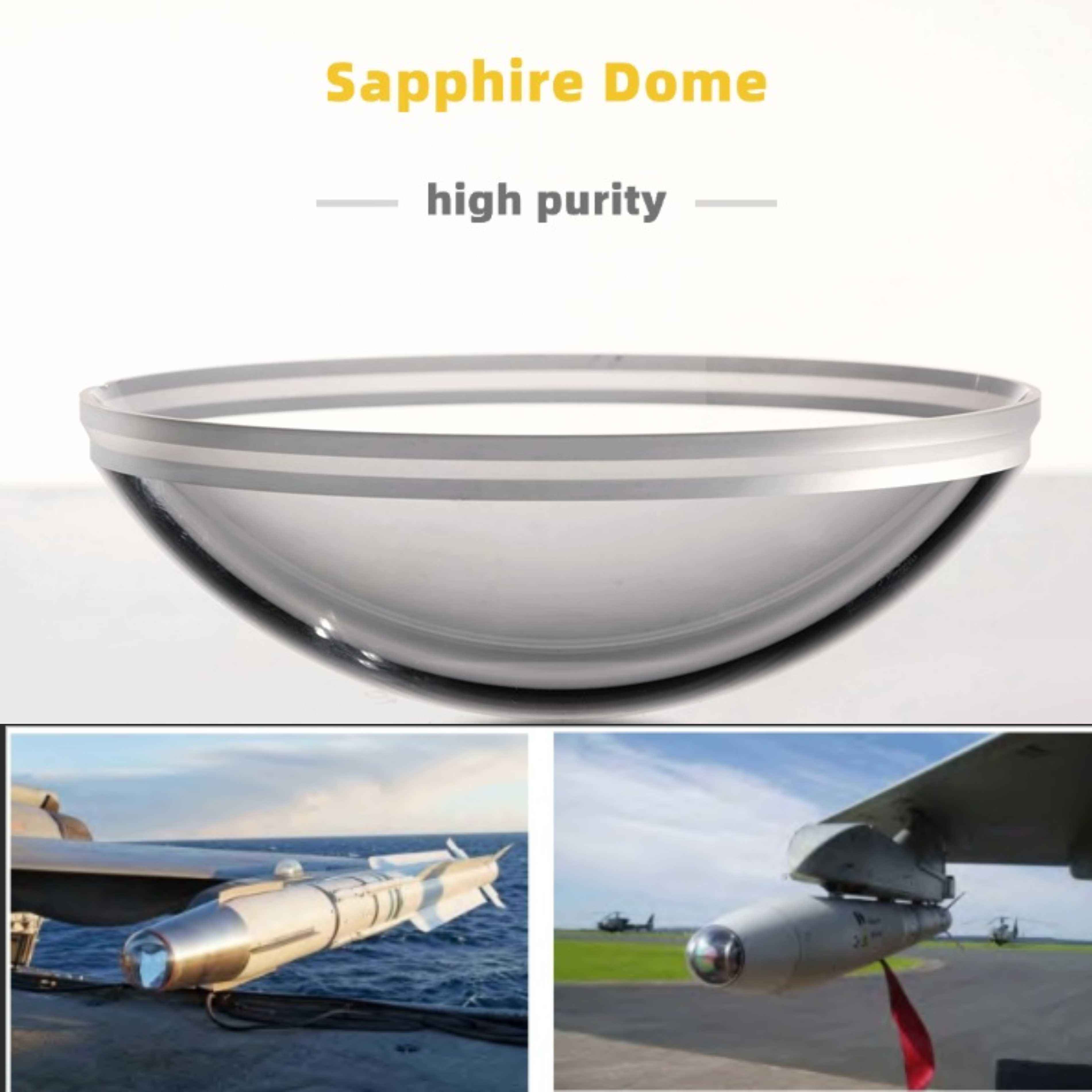
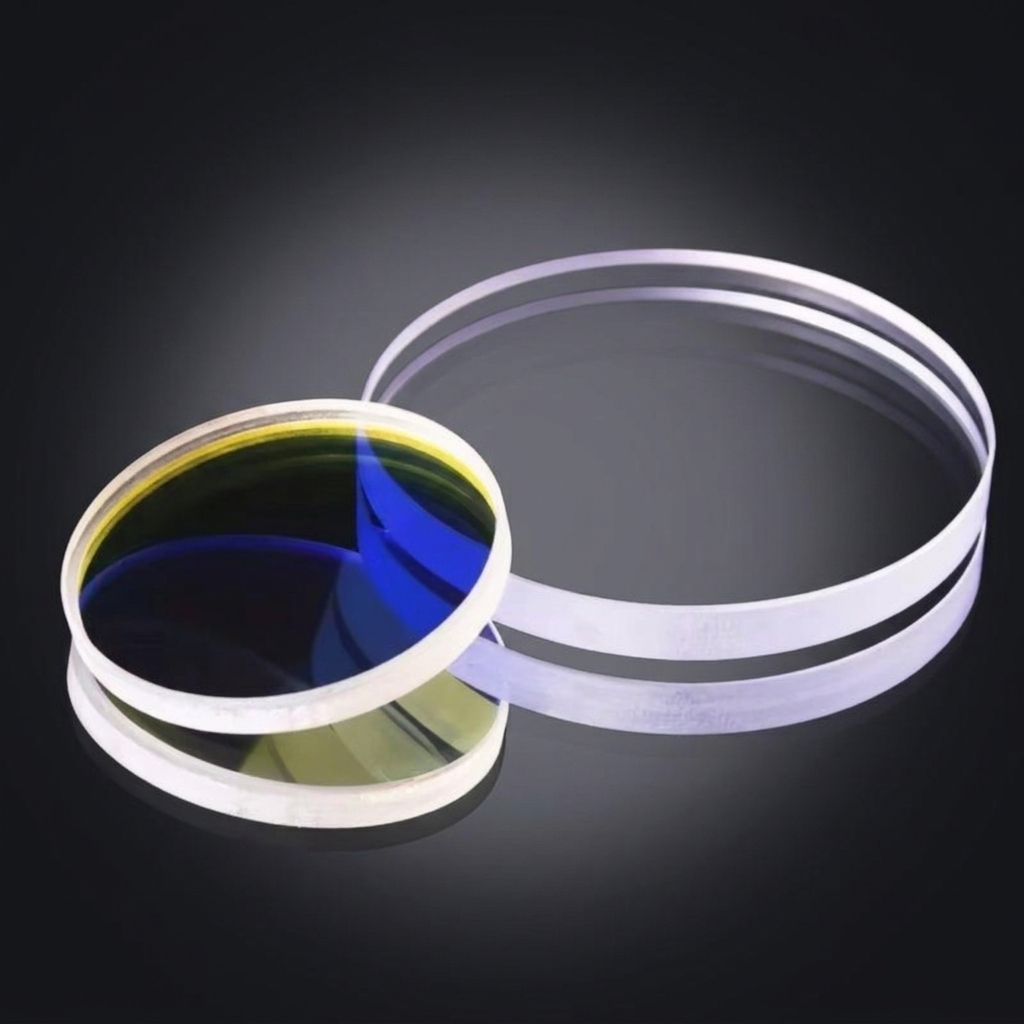
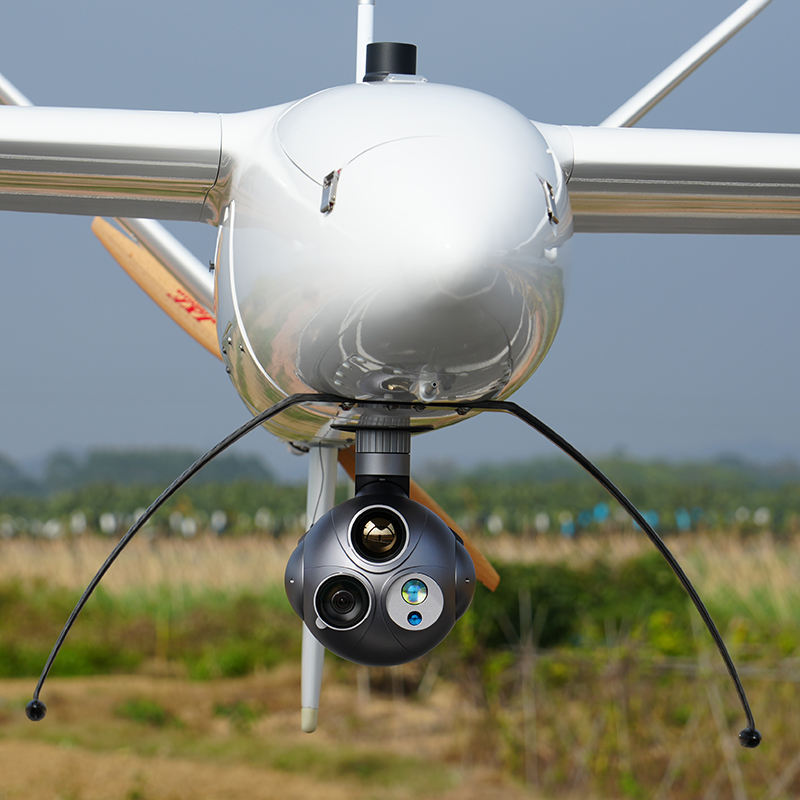
The Hong Kong Felix Optical Glass Co., Limited multi‑band sapphire EO/IR protective window is a single‑crystal sapphire optical component engineered for aerospace electro‑optical and infrared surveillance systems. It provides simultaneous transmission across ultraviolet, visible, mid‑wave infrared, and long‑wave infrared spectra, serving as the front protective optical window for airborne sensor pods, ground‑based thermal imaging stations, and unmanned aerial vehicle payloads. Sapphire's combination of high optical transmission, Mohs 9 surface hardness, and thermal shock resistance makes it the standard protective window material for mission‑critical EO/IR systems where optical clarity and structural integrity must be maintained under rapid temperature cycling and high‑altitude environmental exposure. All values below represent typical achievable ranges. Final specifications are confirmed through engineering review against application requirements and tolerance stack analysis. Specification values shown reflect typical production capability. Final parameters are confirmed through engineering drawing review. Unlike conventional optical glasses that transmit effectively in only one spectral band, single‑crystal sapphire offers usable transmission from approximately 0.15 μm (ultraviolet) through 5.5 μm (mid‑wave infrared), with extended performance into the long‑wave infrared region depending on thickness and coating configuration. This multi‑band characteristic allows a single protective window to serve sensor suites that combine visible‑spectrum cameras, short‑wave infrared detectors, and mid‑wave thermal imagers behind one aperture — reducing system complexity and eliminating parallax error between co‑located sensors. Transmission efficiency is further optimized through custom anti‑reflection coatings designed for the specific wavelength bands of the end‑use sensor package. Hong Kong Felix Optical Glass Co., Limited engineers work from the system's spectral response requirements to specify coating layer stacks that maximize throughput at the wavelengths that matter for the mission profile. Single‑crystal sapphire (Al₂O₃) is selected for EO/IR protective windows because of four material properties that other optical materials do not deliver simultaneously: Crystal orientation is selected based on the dominant polarization state and mechanical load path of the specific window design. C‑plane (0001) orientation is commonly specified for axisymmetric windows where birefringence must be minimized across the full aperture. The following data reflects measurements from production‑representative samples and is intended to support preliminary system design. For formal qualification data under specific environmental conditions, contact Hong Kong Felix Optical Glass Co., Limited engineering with your sensor specifications. Anti‑reflection coatings are essential for sapphire windows because the material's relatively high refractive index (n ≈ 1.76 in the visible) produces approximately 14% reflection loss per uncoated surface. Hong Kong Felix Optical Glass Co., Limited applies custom‑designed multi‑layer dielectric coatings using electron‑beam evaporation or ion‑assisted deposition, depending on the spectral bandwidth and environmental durability required. Coating types available for sapphire EO/IR windows include: Coating durability is verified per MIL‑C‑48497A adhesion, abrasion, and humidity test protocols. Environmental qualification data for specific coating stacks is available upon request. Sapphire protective windows are integrated into the following aerospace and defense optical system categories. In each case, the window serves as both an environmental barrier and the first optical surface in the sensor's transmission path. Forward‑looking and gimbal‑mounted sensor packages on fixed‑wing and rotary‑wing platforms. Windows must survive combined thermal, pressure, and aerodynamic loads while maintaining boresight stability across the full sensor field of regard. Weight‑optimized sapphire windows for small to medium unmanned aerial vehicles. Thin substrate designs (< 3 mm) with edge‑mount profiles that minimize mass while preserving optical flatness under vibration. Fixed and vehicle‑mounted thermal imaging stations for perimeter surveillance, border monitoring, and artillery forward observation. Windows are sized for wide‑field‑of‑view sensors and specified for continuous outdoor exposure. High‑speed aerodynamic windows for infrared homing seekers. Hemispherical and ogive dome geometries manufactured from single‑crystal sapphire boules with precision centering and wall thickness uniformity. Aerospace EO/IR windows are subjected to thermal gradients that would fracture conventional optical glass. A sensor pod descending from high‑altitude cold soak at ‑50°C into low‑altitude humid air at +35°C can produce surface temperature differentials exceeding 80°C within seconds. Sapphire's combination of high thermal conductivity and moderate thermal expansion coefficient allows it to dissipate thermal gradients rapidly without accumulating the internal stress that drives fracture in other optical ceramics. In qualification testing, Hong Kong Felix Optical Glass Co., Limited sapphire windows have survived temperature transitions from ‑60°C to +200°C within 30 seconds without surface degradation or coating delamination. Additional environmental resistance characteristics relevant to deployed operations: Each sapphire protective window undergoes the following inspection sequence before release: Transmitted wavefront error and surface figure measured via Fizeau or Twyman‑Green interferometer at 633 nm. Data reported as PV and RMS wavefront error over the clear aperture. Results archived per serial number. Full‑spectrum transmission measured from 0.2 μm to 14 μm using FTIR and UV‑Vis‑NIR spectrophotometers. Coated windows are measured at multiple incidence angles (0°, 15°, 30°) to verify off‑axis performance. Visual inspection under controlled illumination per MIL‑PRF‑13830B. Scratch‑dig designation confirmed against reference standards. Bright‑field and dark‑field microscopy for sub‑surface damage evaluation. Diameter, thickness, wedge, and edge profile measured via coordinate measuring machine or non‑contact optical profilometer. Data compared against drawing tolerances with measurement uncertainty documented. Full inspection data packages are provided with each production shipment. First‑article inspection reports including all optical and dimensional data are standard for prototype and qualification orders. Hong Kong Felix Optical Glass Co., Limited provides application engineering support from initial concept through production qualification. The engineering team reviews system‑level requirements to propose window geometries, mounting configurations, and coating designs that are manufacturable and cost‑effective at the required volume. C‑plane (0001) sapphire is optically isotropic in the plane of the window, minimizing polarization‑dependent transmission variation across the aperture — important for sensors that split or analyze polarization. A‑plane (112̄0) sapphire offers higher thermal conductivity in the through‑thickness direction and may be preferred when the window also serves as a heat spreader for a cooled detector cold shield. The appropriate orientation is selected based on the sensor's optical prescription and thermal management architecture. Yes. Sapphire's melting point of 2,050°C and thermal shock resistance allow it to survive the thermal loads associated with supersonic flight. The limiting factor in most installations is not the sapphire itself but the window mounting system and the sensor's internal thermal management. Hong Kong Felix Optical Glass Co., Limited can provide thermal FEA data for specific flight profiles to support airframe integration analysis. The minimum thickness‑to‑diameter ratio depends on the pressure differential the window must survive, the mounting configuration (clamped vs. bonded), and the acceptable transmitted wavefront error under load. As a starting guideline, a 4:1 aspect ratio (diameter to thickness) is achievable for pressure‑sealed flat windows under 1 atm differential with simply supported edges. Hong Kong Felix Optical Glass Co., Limited performs structural and optical analysis for each window specification to confirm the design meets all requirements. Sapphire is a uniaxial birefringent crystal. For windows where polarization purity is critical, C‑plane orientation is selected because the extraordinary and ordinary axes are degenerate in this plane, minimizing in‑plane birefringence. Residual stress birefringence from the crystal growth and fabrication process is measured and reported for each window. Typical stress birefringence is below 5 nm/cm for annealed substrates. Additional birefringence introduced by mounting stress can be analyzed using the housing clamp force and sapphire's photoelastic constants. Coating qualification follows MIL‑C‑48497A protocols: adhesion (tape test per ASTM D3359), moderate abrasion (eraser rub test, 20 strokes minimum), and humidity (24‑hour exposure at 49°C and 95–100% RH). Additional testing per customer specification may include salt fog (ASTM B117), temperature cycling (MIL‑STD‑810H), and rain erosion (whirling arm or single‑impact water jet). Test reports are provided with qualification shipments. To receive a specification‑based quotation with lead time and pricing, please provide the following information. Hong Kong Felix Optical Glass Co., Limited engineering reviews each RFQ and responds within 1–2 business days. The information below helps us confirm manufacturability before quoting. For programs requiring formal quotation under a specific solicitation or contract number, include the reference in your inquiry. Non‑disclosure agreements are available for proprietary sensor specifications. Explore additional Hong Kong Felix Optical Glass Co., Limited optical components and technical resources relevant to EO/IR system integration: Hong Kong Felix Optical Glass Co., Limited manufactures sapphire EO/IR protective windows under ISO 9001 quality management. Contact engineering to discuss your sensor window requirements.Multi-Band Sapphire EO/IR Protective Window — Overview

Technical Specifications at a Glance
Multi‑Band Optical Transmission: UV Through Long‑Wave IR
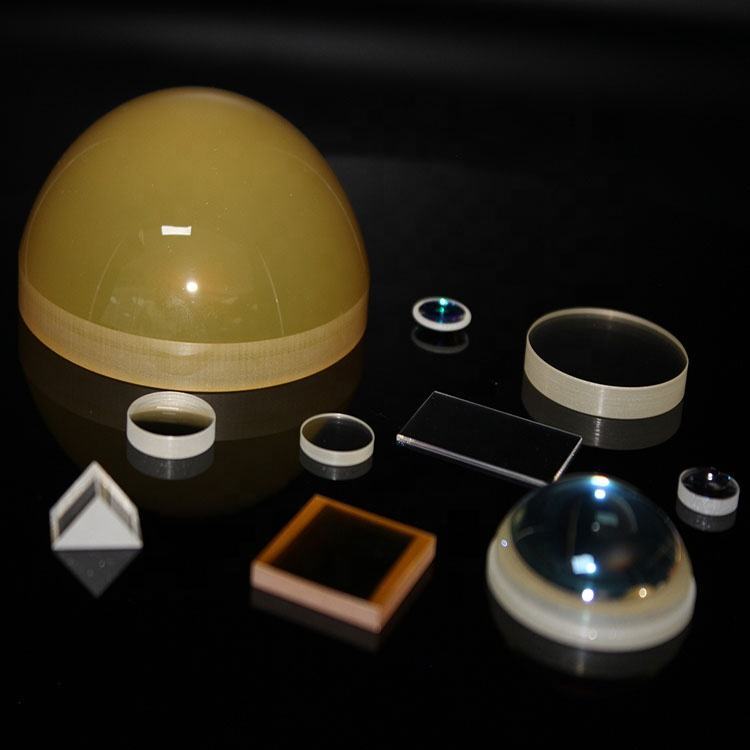
Single Crystal Sapphire Material Properties
Core Optical & Physical Performance Data
Transmission Performance
Mechanical Properties
Thermal Properties
Coating Technology & Multi‑Layer AR Design
Aerospace EO/IR System Applications
Airborne EO/IR Turrets & Sensor Pods
UAV & Drone Thermal Imaging Payloads
Ground‑Based Surveillance & Target Acquisition
Missile Seeker & Guidance Windows
Thermal Shock Resistance & Environmental Durability
Quality Assurance & Inspection Protocols
1. Interferometric Surface Measurement
2. Spectrophotometric Transmission Scan
3. Surface Defect Inspection
4. Dimensional Verification
Custom Engineering Support & Design Flexibility
Frequently Asked Questions
What is the difference between C‑plane and A‑plane sapphire for EO/IR windows?
Can sapphire windows withstand supersonic aerodynamic heating?
What is the minimum achievable thickness for a given diameter?
How do you control birefringence in sapphire windows?
What coating durability testing do you perform for aerospace qualification?
Request for Quotation — Sapphire EO/IR Protective Window
Required Information
What You Receive
Submit RFQ with Drawing or Specification
Related Resources & Complementary Products