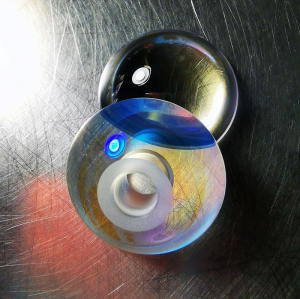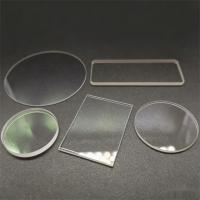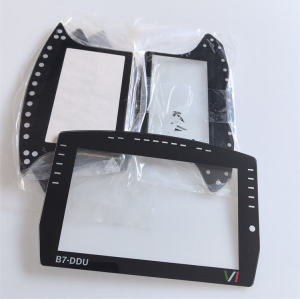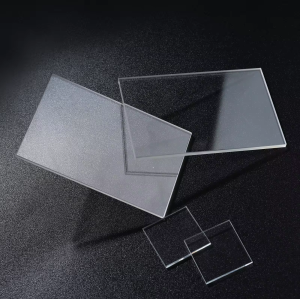
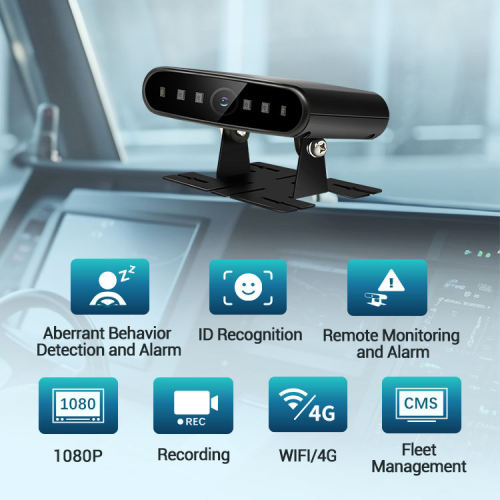

DMS Driver Monitoring Face Recognition Cover Glass For ADAS Vehicle Cabin Monitoring System
- Model
- FG-OPT-DMS01
Item specifics
- Material
- Chemically strengthened aluminosilicate tempered glass
- Mohs Hardness
- Grade 7 scratch resistance
- Custom Coating
- High IR transmittance AR anti-reflection + AF anti-fingerprint coating
- Operating Temperature
- -40℃ ~ 85℃ automotive wide temperature range
- Thickness Options
- 1.0mm / 1.5mm / 1.8mm
- Dimensional Tolerance
- ±0.01mm
- Custom Processing
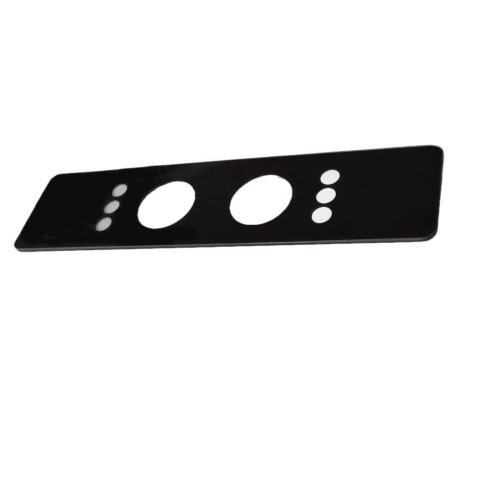
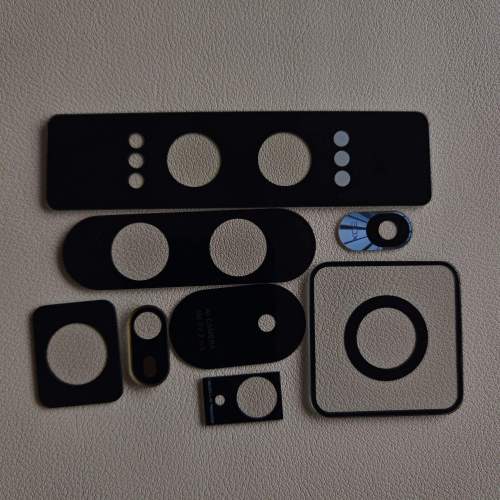
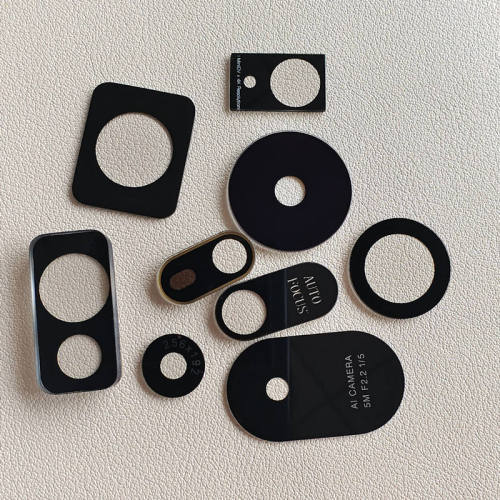
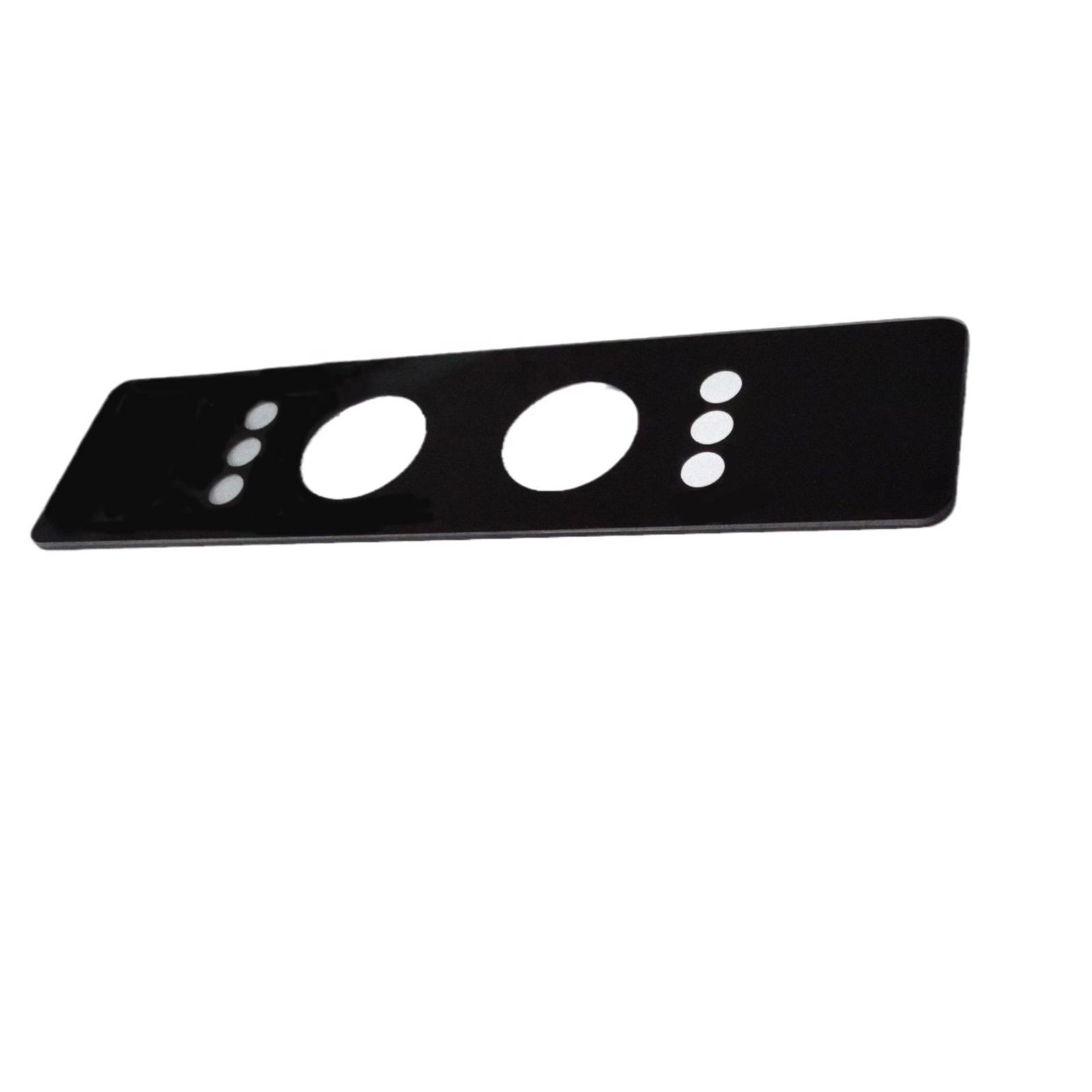
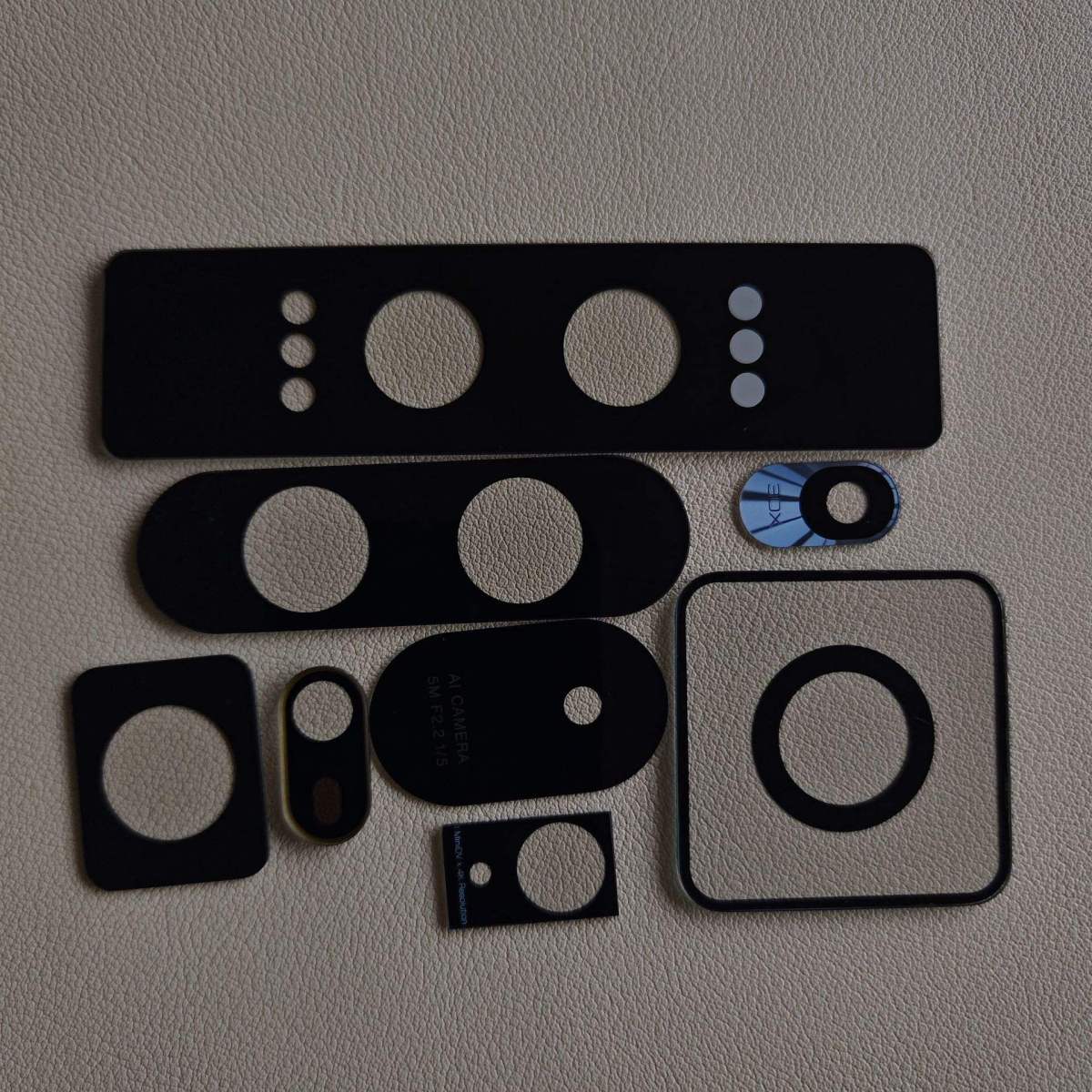
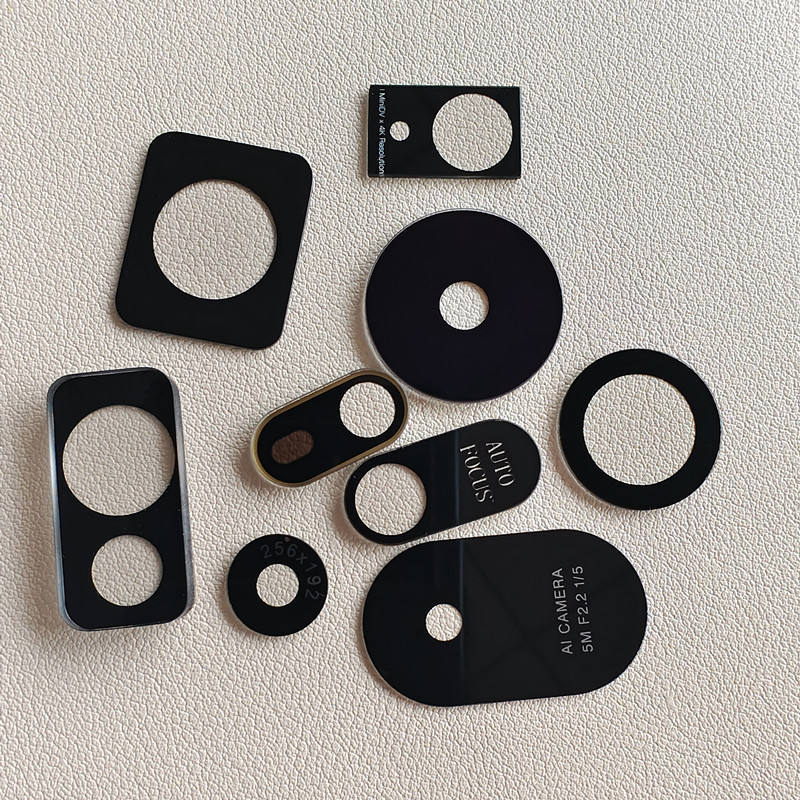
- Irregular CNC cutting, camera positioning holes, black shading silk screen, edge chamfer
- Application Scenarios
- Driver fatigue monitoring camera, cabin occupant recognition system,ADAS in-car monitoring modules
- Compliance Standard
- EU & US vehicle DMS mandatory safety regulation
Review
Description
Felix Glass Co., Limited · Model FG-OPT-DMS01
DMS Driver-Monitoring Cover Glass for In-Cabin Camera Modules
Designed as an optical interface for driver-monitoring and occupant-monitoring camera modules, this custom cover glass supports face-imaging applications used for fatigue, distraction, and cabin-status detection. It is a component for integration into a DMS or ADAS assembly—not a complete monitoring system—and final recognition performance depends on the camera, illumination, algorithms, installation geometry, and vehicle environment.
Vehicle Program and Regulatory Context
Program Use
The source product content positions this glass for new-energy and fuel-vehicle cabin monitoring programs serving automotive Tier 1 suppliers, module developers, and vehicle manufacturers.
Compliance Responsibility
DMS requirements vary by vehicle class, market, model year, and homologation pathway. Buyers should confirm the applicable EU, U.S., or other regional requirements and validate the complete installed system. A cover-glass specification alone does not establish regulatory compliance.
Chemically Strengthened Glass for Cabin Contact Conditions
The listed substrate is chemically strengthened aluminosilicate tempered glass with Grade 7 Mohs scratch-resistance information. It is intended to help manage contact from fingers, jewelry, and nearby interior parts. Scratch behavior should be confirmed using an agreed test method, load, contact material, sample condition, and acceptance criteria.
AR and AF Coatings for Infrared Camera Imaging
The source specification lists a combined AR anti-reflection and AF anti-fingerprint coating intended to support infrared transmission and reduce surface reflection or residue. Coating design should be matched to the camera wavelength band, angle of incidence, substrate, and target transmission. The finished module must be tested to determine its effect on image quality and monitoring performance.
- Specify the operating wavelength or spectral band.
- Define transmission and reflectance targets with test geometry.
- Set AF contact-angle, abrasion, and cleaning-chemical criteria when required.
- Confirm black-print overlap and the active optical aperture.
Temperature Range and Thermal-Cycle Evaluation
The listed operating range is −40°C to 85°C. The original content also references repeated temperature cycling and coating retention. These are project-specific validation claims: cycle count, dwell time, ramp rate, humidity exposure, sample construction, optical measurements, and pass/fail limits should be documented before qualification.
Custom CNC Geometry and Black Shading Print
Available processing in the source listing includes irregular CNC cutting, camera positioning holes, edge chamfering, and black light-shielding silk-screen printing. These options allow the glass outline, mounting references, and optical aperture to follow the DMS camera-module layout.
Cleanroom Handling and Optical Inspection
The source content states that DMS optical glass is produced in a Class 100 dust-free workshop and inspected with CCD appearance and light-transmission equipment. For sourcing decisions, request the cleanroom classification basis, inspection sampling plan, calibrated equipment scope, defect map, cosmetic zone definitions, and measurement records relevant to the optical aperture.
Learn about Felix Glass Co., Limited
Prototype Sampling and OEM Production Support
Felix Glass Co., Limited supports prototype sampling and larger OEM production for cabin-monitoring solution providers. A controlled transition from prototype to production should define revision status, approved samples, critical-to-quality characteristics, packaging, traceability, inspection frequency, and change-control expectations.
Application Fit for Driver and Occupant Monitoring
Potential applications include driver-fatigue monitoring cameras, distraction-monitoring modules, occupant-recognition systems, and other ADAS in-cabin optical assemblies. Program demand and repeat-order volume depend on platform adoption, qualification status, regional rules, and vehicle production schedules; no order volume or purchasing intent is implied by this component description.
For related company and product information, visit the Felix Glass homepage.

Information Needed for a DMS Cover-Glass Review
- 2D drawing and 3D module data
- Glass thickness and edge requirements
- Camera wavelength, field of view, and aperture
- AR, AF, transmission, and reflection targets
- Black-print color, opacity, and alignment
- Environmental and durability test plan
- Cosmetic zones and defect acceptance limits
- Prototype quantity and production forecast range