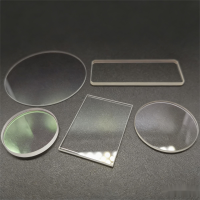
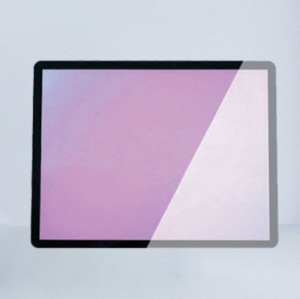
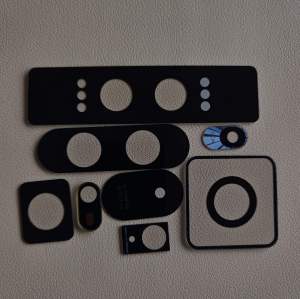
Alkali-aluminosilicate substrate
Chemically strengthened glass with a deeper compressive layer than soda-lime, so the panel holds up to handling, vibration and daily touch without chipping at the edge.
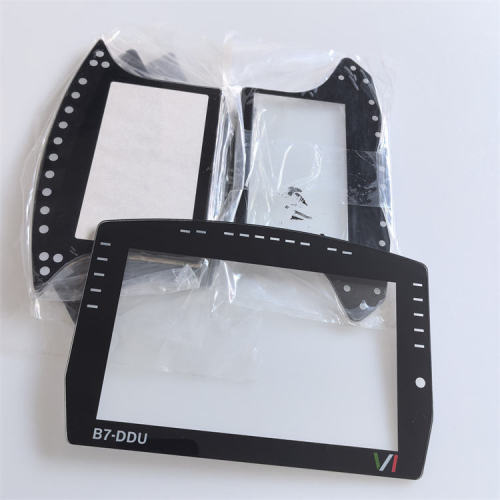
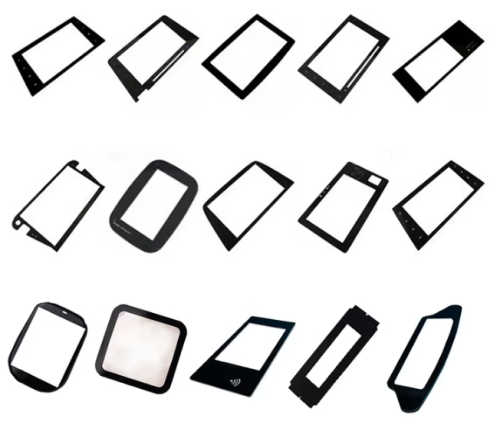
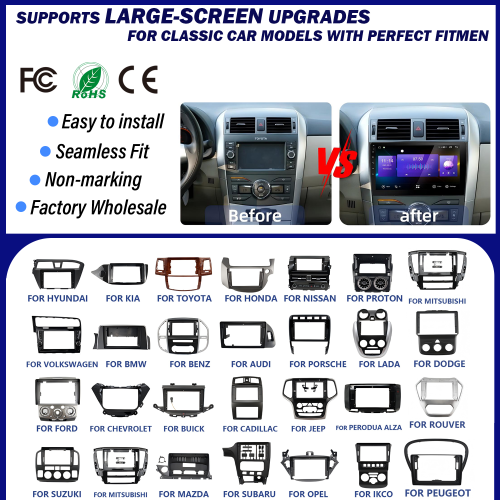
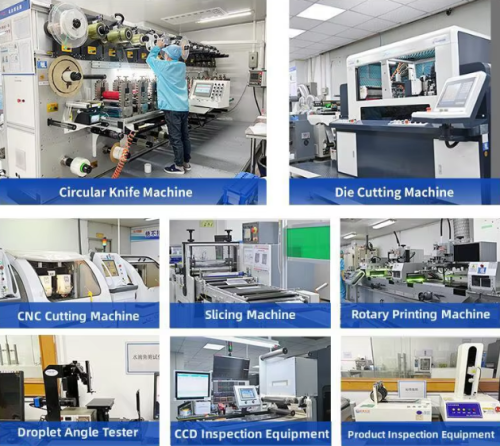
Send your drawing or sample requirement for a fast quotation. MOQ, lead time and coating options are confirmed within one business day.
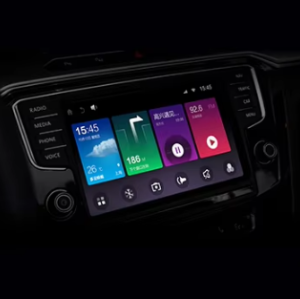
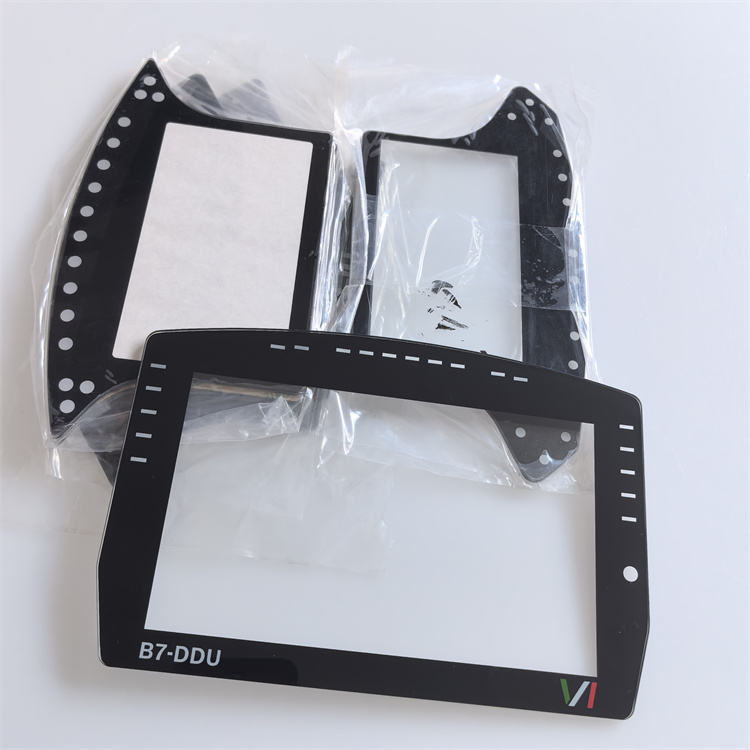
Chemically strengthened alkali-aluminosilicate cover glass for dashboards, centre consoles, navigation screens, instrument clusters and infotainment touch panels. Produced to your drawing in 1.1, 1.5 and 2.0 mm, with black silk-screen borders, CNC openings, 2.5D edges and AR + AF surface treatment.
Supplied by Dongguan Felix Glass Co., Ltd., 19+ years in optical and display glass manufacturing, ISO 9001 quality system, with a Class 100 clean workshop and CCD visual inspection on every production lot.
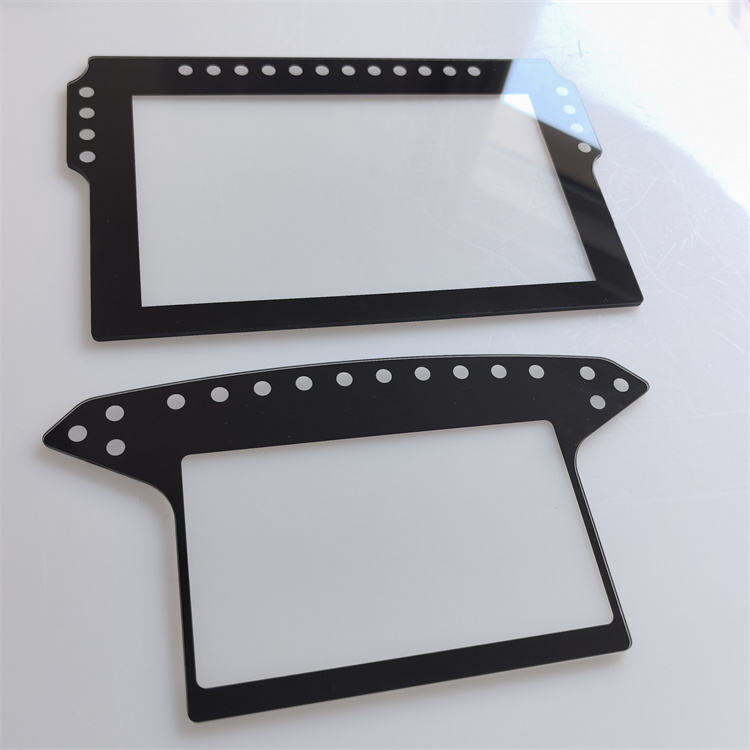
Three things decide whether a cover glass works in a vehicle: the substrate, the printed and machined geometry, and the surface treatment. All three are produced in-house, so the glass stack is validated as one part rather than assembled from three suppliers.
Chemically strengthened glass with a deeper compressive layer than soda-lime, so the panel holds up to handling, vibration and daily touch without chipping at the edge.
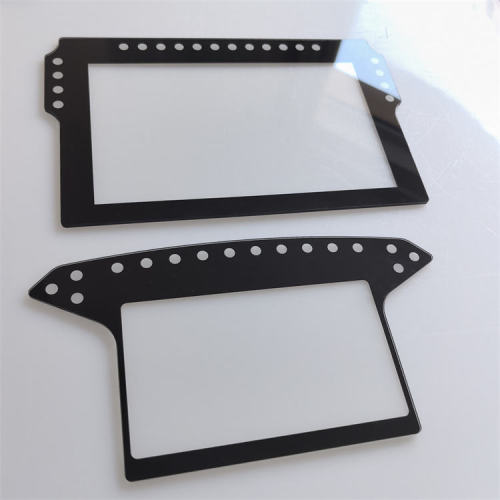
Panel outline, positioning holes, sensor windows, button cut-outs and edge profile are machined from PDF, DWG, DXF or STEP data, not from a stock size list.
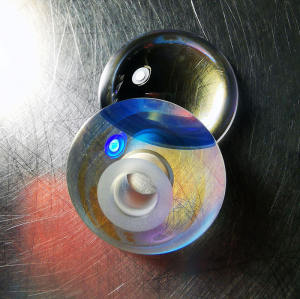
Anti-reflection cuts cabin-light washout, anti-fingerprint keeps the surface wipeable. Both are measured per lot, not asserted on the datasheet alone.
This product sits in the Display Cover Glass category. Background on coating selection and substrate behaviour is collected in the Felix Glass technical knowledge base.
A dashboard display fails in two ways: the panel mirrors the cabin instead of showing the interface, and the surface collects fingerprints until the screen looks dirty. AR and AF address those two failures separately and are specified with numbers, not adjectives.
Double-side AR brings transmittance up to about 97% and surface reflectance down to ≤0.5% at the design wavelength, so more of the display luminance reaches the driver under sun load.
A hydrophobic layer with contact angle ≥110° reduces adhesion of skin oil and residue, so the panel wipes clean instead of smearing. Durability is checked by friction cycles, not by touch alone.
Chemical ion exchange raises surface compression, giving the panel edge strength for bonding, clip assembly and vibration. 9H pencil hardness applies to the coating surface, not to the glass body.
Read the comparison of the two treatments in AG vs AF coating for display glass, the wider coating overview in selecting AR, HR and anti-glare surface treatments, and an AF durability case in AF coated glass for portable touch devices.
A parked vehicle reaches temperatures that a phone never sees. The cover glass, the printed ink and the coating all have to survive the same cycle, and the cycle has to be written down before the first lot is built.
-30 °C to 85 °C is the design target for this product. The test profile and pass criteria are fixed against your project standard before production.
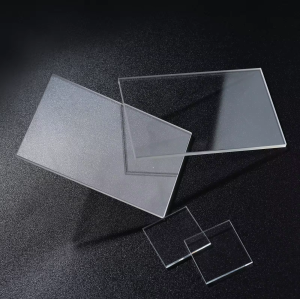
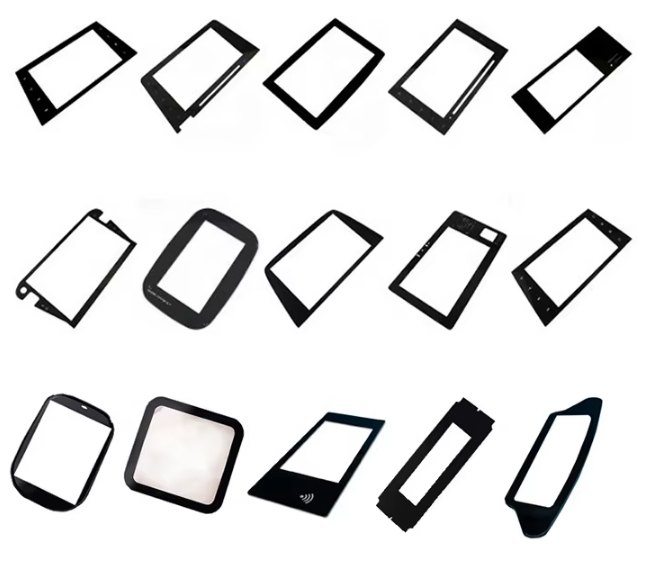
Multi-size means the panel is produced to the module outline you specify, including the features that let it drop into the housing without a rework step.
Length, width, thickness and aspect ratio reviewed against material and process limits before the drawing is released.
Positioning holes, button areas, sensor windows and slots machined from CAD data, with hole position held to ±0.05 mm typical.
2.5D, chamfer or polished flat edge selected for handling, bonding, assembly clearance and stress control.
Black borders, reserved display windows, icons, model markings and customer logos printed to approved artwork at ±0.03 mm position.
Outline tolerance is ±0.05 mm typical, with tighter calls reviewed against feature geometry and the agreed measurement method. See custom glass screen printing and edge processing for tempered display glass.
Automotive covers are rarely rectangles. A console panel may carry an asymmetric outline, a stepped edge, two sensor windows and a printed button row — all of which have to land inside the housing on the first build.
Generic fit claims do not help you. What helps is a drawing review that returns the open questions before quotation: datum definition, feature clearances, print registration reference, and whether the flatness call is achievable at the thickness you chose.
Process and design notes are in custom glass processing for automotive displays.
Four checks decide acceptance on this product, and each one needs a method attached or the number means nothing.
Hardness measurement is explained in why 9H hardness matters for touch cover glass. A comparable build is documented in the AR AF coated cover glass HMI case.
Values below are the normal production window. Final substrate, dimensions, tolerance, coating targets and acceptance criteria are confirmed against your approved drawing and project standard.
| Base material | Chemically strengthened alkali-aluminosilicate glass |
|---|---|
| Thickness | 1.1 mm, 1.5 mm, 2.0 mm standard; other thicknesses on review |
| Max panel size | Up to 1200 × 800 mm, subject to thickness and flatness requirement |
| Outline and hole tolerance | ±0.05 mm typical; tighter calls reviewed per drawing |
| Edge profile | 2.5D, chamfer, or polished flat edge |
| Printing | Black silk-screen border, icons and logos; print position ±0.03 mm |
| Coating | AR single or double side + AF; AG available on request |
| Transmittance | ≥92% uncoated; up to 97% with double-side AR |
| Reflectance | ≤0.5% at design wavelength, double-side AR |
| AF contact angle | ≥110° |
| Surface hardness | 9H pencil at the coating surface; glass body Mohs 6–6.5 |
| Flatness | ≤0.1 mm over 100 mm, per drawing |
| Working temperature | -30 °C to 85 °C design target |
| Prototype | 1 pc available before production |
| Production MOQ | 100–1000 pcs depending on size, printing and coating |
| Lead time | Samples 7–12 working days; production 15–25 working days |
| Drawing formats | PDF, DWG, DXF, STEP |
| Packaging | Individual dust-proof bag, foam separator, export carton |
Commercial-vehicle equipment suppliers, interior display programmes, aftermarket upgrade projects and prototype builds all buy the same product, with different drawings.
Cover glass for digital instrument panels, navigation interfaces and driver-information modules, where reflection control matters most.
Multi-size touch glass with printed borders, positioning features and AR / AF surface options for infotainment and climate panels.
Display protection for fleet, truck, bus and specialised vehicle-control interfaces, including low-volume and irregular builds.
The working route is set by substrate, dimensions, openings, printing layers and coating sequence — it is not a fixed line every panel runs down.
Glass processing is the core business, not a sideline to a trading operation. Dongguan production base with in-house cutting, printing, strengthening and coating.
±0.05 mm outline and ±0.03 mm print position are quoted because they are measurable on the line, not because they look good on a spec sheet.
No handoff between a printer and a coater, so registration, adhesion and cleaning sequence stay under one process owner.
One piece first, then the same route at production quantity, so what you approve in the sample is what arrives in the lot.
Factory capability and equipment are listed on the Dongguan optical glass factory capability page, and company background is on About Felix Glass.
Yes. One piece or a small trial batch, with no minimum at the prototype stage. Prototype lead time is 7–12 working days after drawing approval; production runs are typically 15–25 working days depending on printing and coating steps.
±0.05 mm on the outline and ±0.05 mm on hole position are normal production values on automotive display cover glass, with ±0.03 mm on printed feature position. Tighter calls are reviewed against feature geometry and the measurement method written into the drawing. We do not quote ±0.01 mm as a blanket figure, because it cannot be verified on a production line and becomes a claim at incoming inspection.
1.1 mm, 1.5 mm and 2.0 mm cover most dashboard, console and navigation modules. Thinner or thicker substrates are reviewed against flatness, strengthening depth and bonding requirements.
No. 9H is a pencil hardness value measured on the coating surface with graded leads. Mohs is a mineral scale used for the glass body, where ordinary aluminosilicate glass sits around 6–6.5 and sapphire is 9. A page that mixes the two is telling you the two numbers were never measured on the same sample.
The coating is specified for the -30 °C to 85 °C range. What decides the result is how the cycle is written: ramp rate, dwell time, cycle count and acceptance criteria. Those are agreed with you before the first lot, and adhesion, reflectance shift and appearance are inspected after cycling.
Yes. Outline, positioning holes, sensor windows, button areas, edge profile and printed artwork all come from your CAD and artwork files. For an irregular build, send the drawing with the datum and the housing reference so the fit is checked before quotation.
No. We supply the cover glass — substrate, strengthening, machining, printing, coating and inspection. Optical bonding, the display module and the housing belong to your stack integrator, and we match the flatness and coating specification they need.
A CAD drawing, thickness, coating targets, printing artwork, hole and edge requirements, annual quantity and the inspection standard you will apply at incoming. The custom optics RFQ checklist lists every field, and coating selection guidance is in choosing AG, AR or AF coated glass for a display project.
Attach the CAD file and the coating and printing specification. An engineer reviews the drawing and replies with feasibility, tolerance confirmation and price — not a form letter.
james@felixglass.com · +86 185 6503 2888