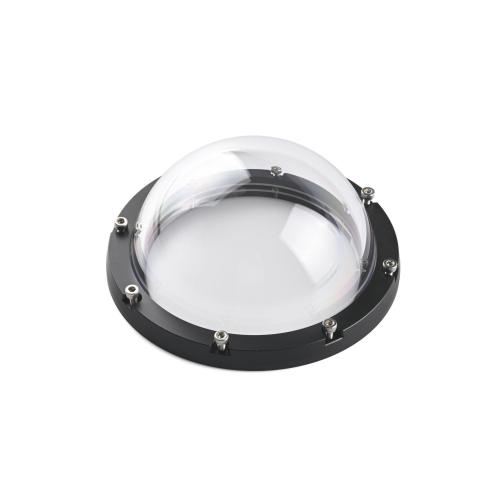
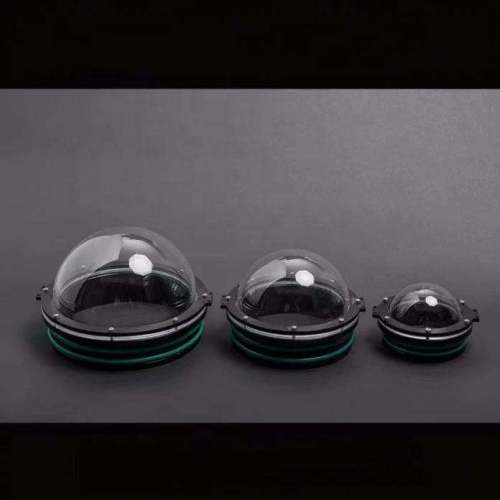
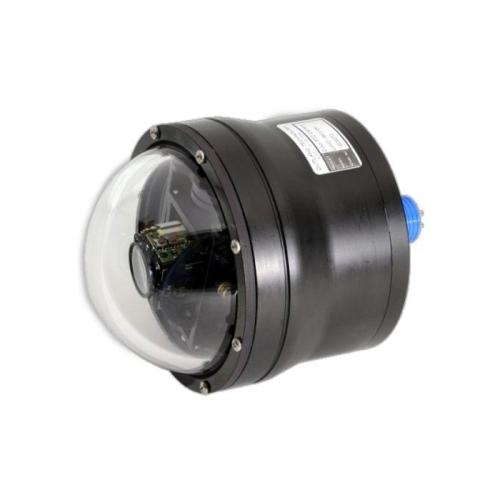
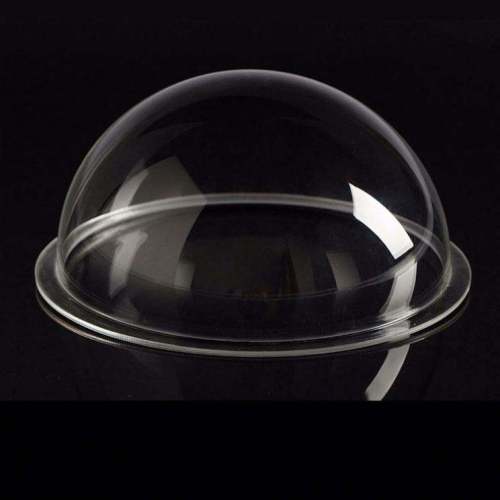
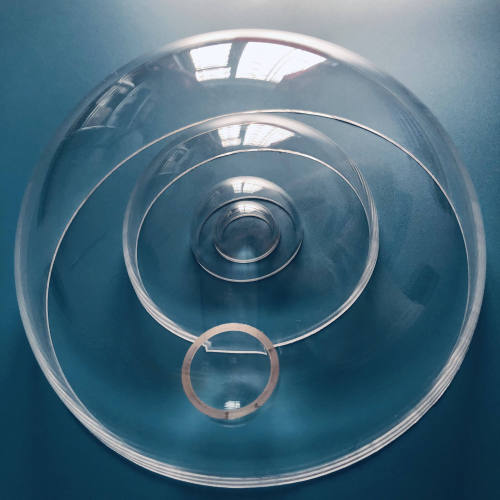
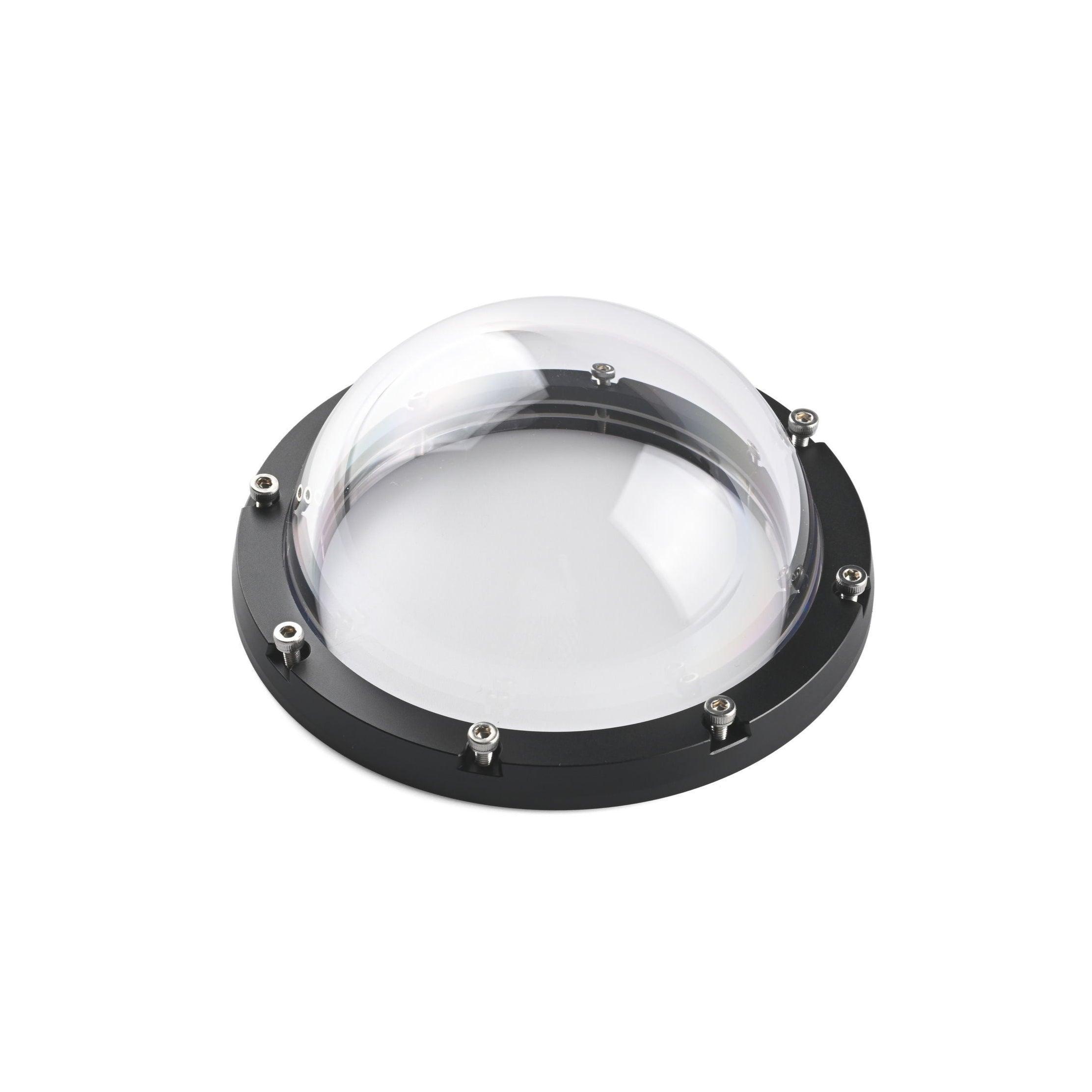
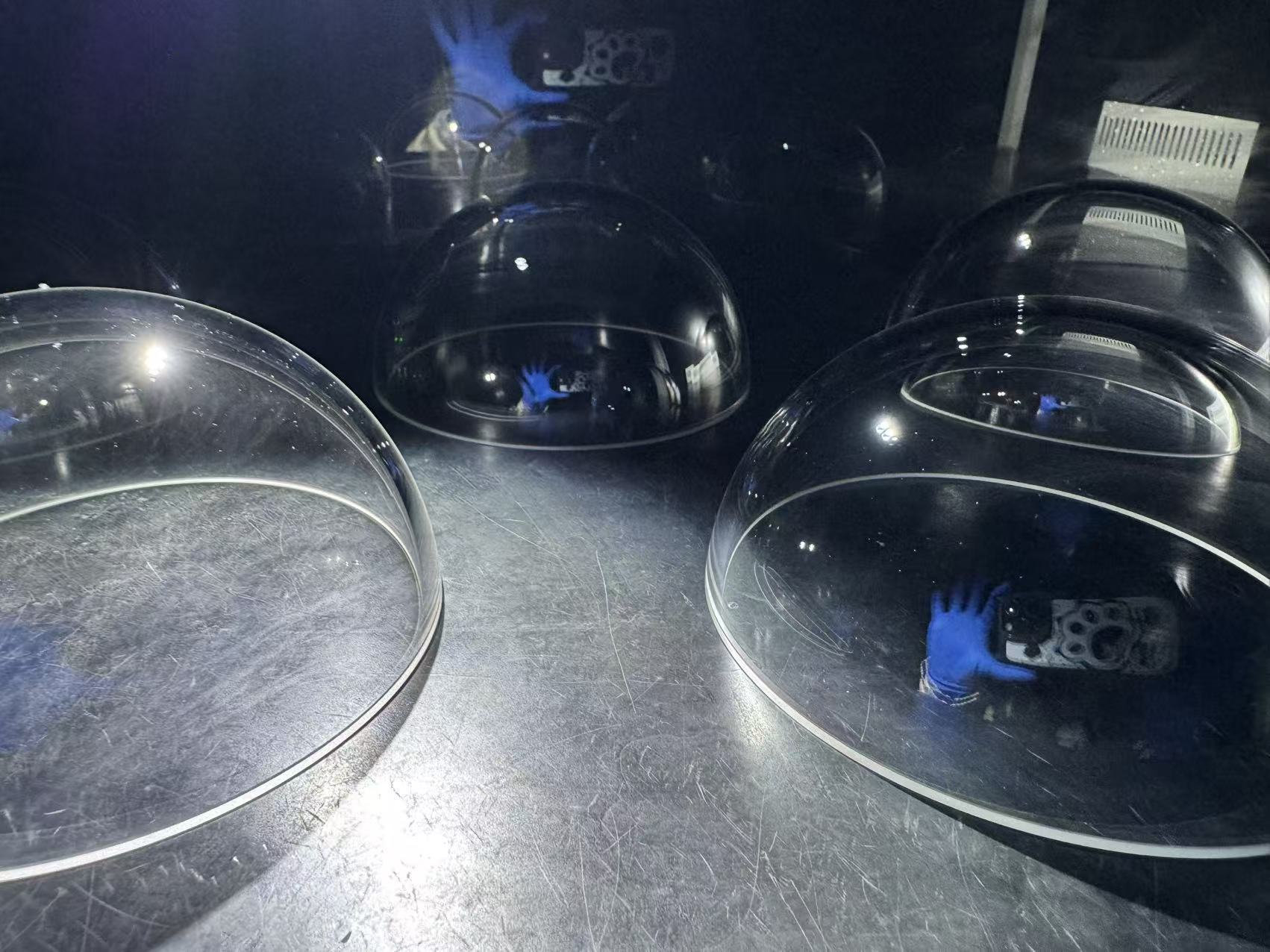
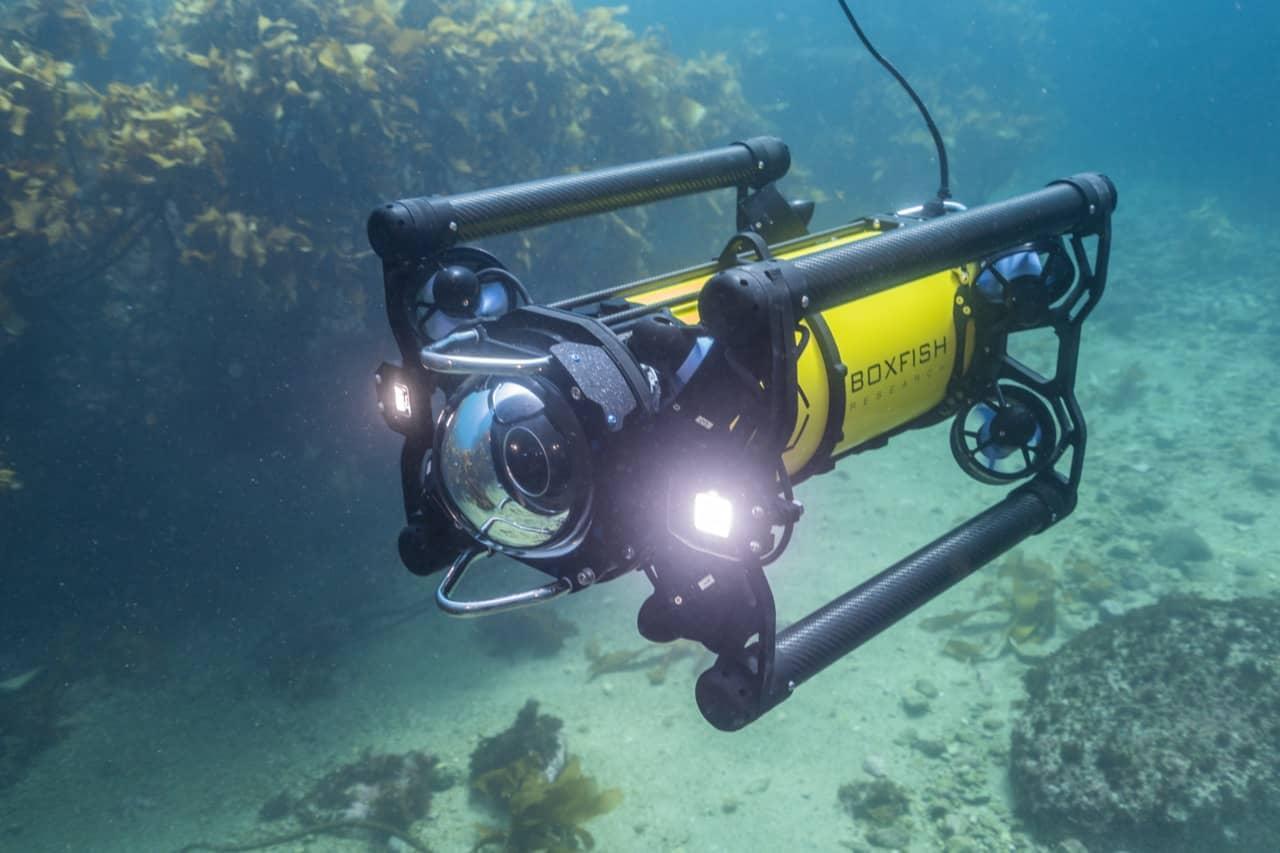
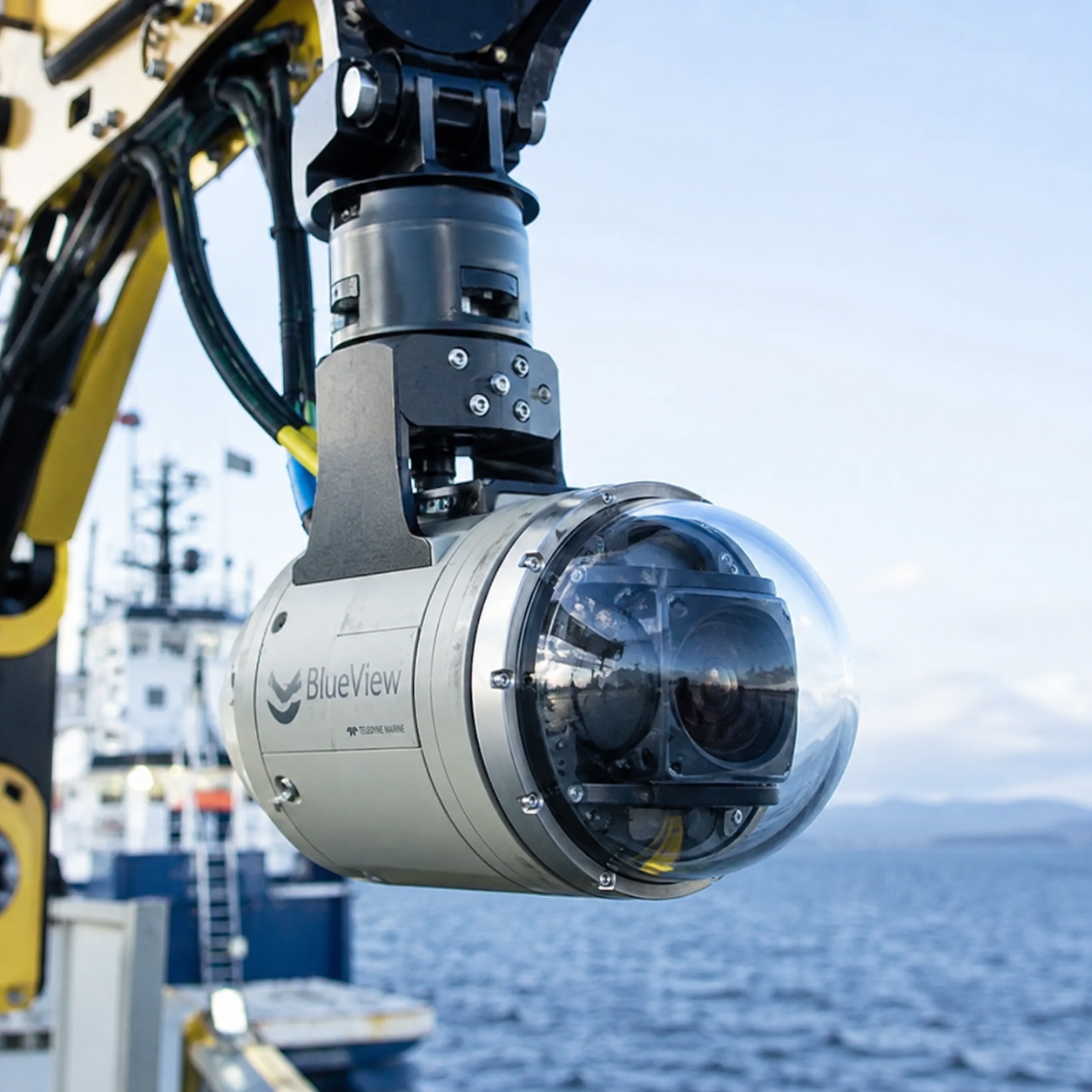
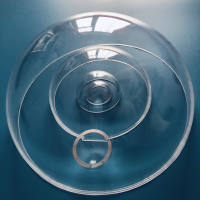
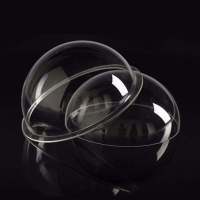
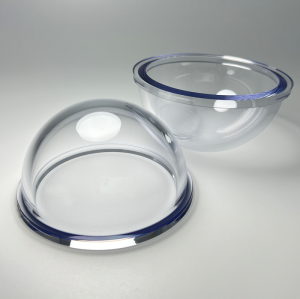
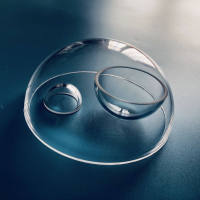
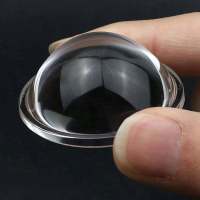
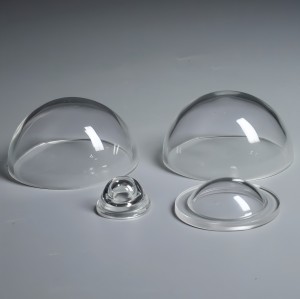
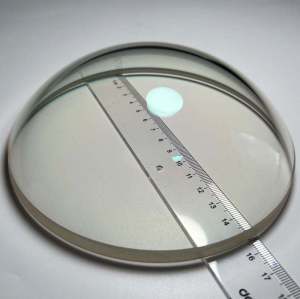
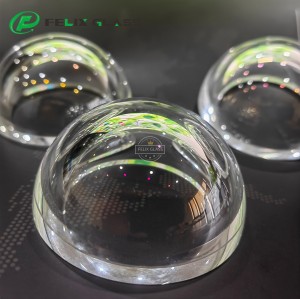
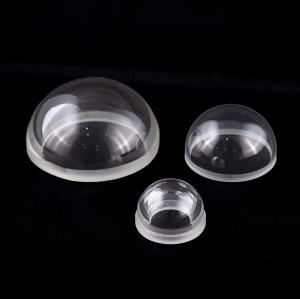
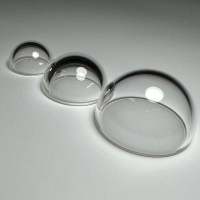
Custom Underwater Optical Dome for ROV, AUV & Subsea Imaging
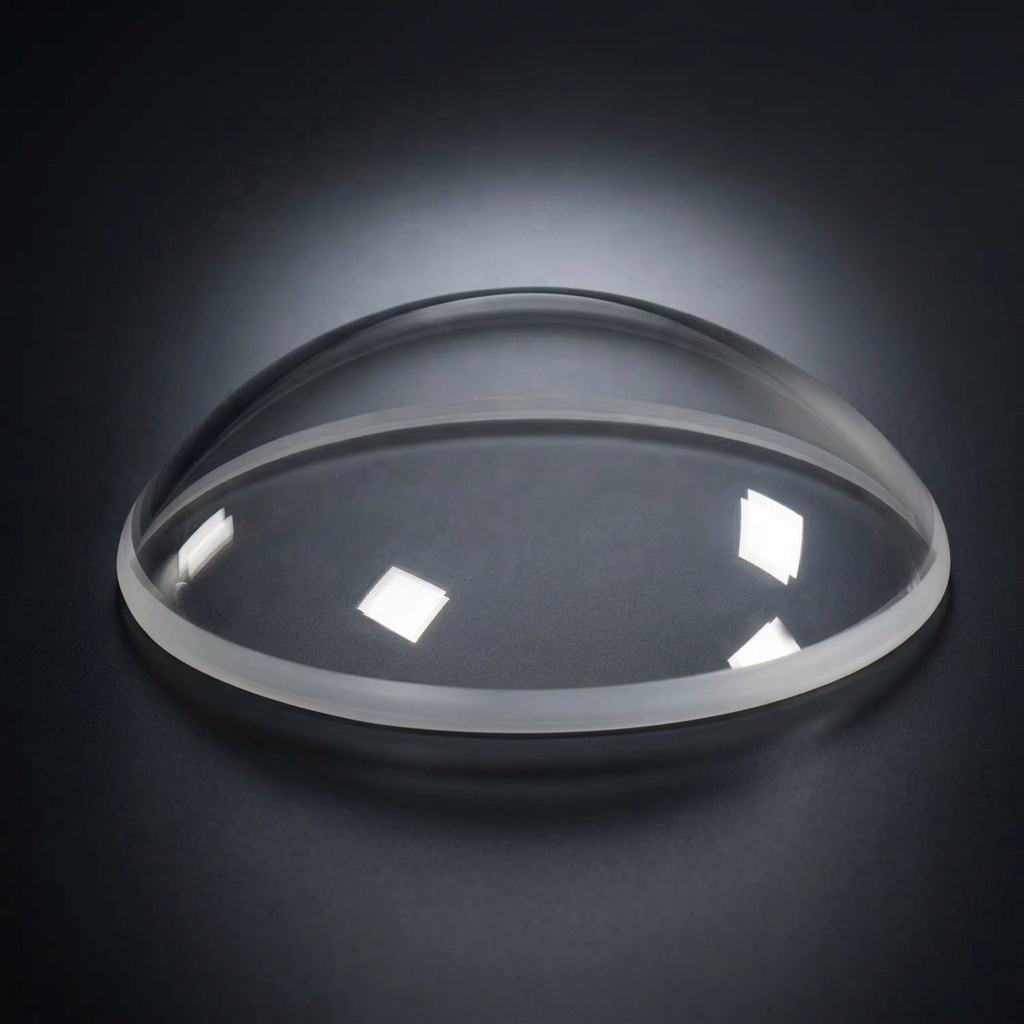
Precision optical domes engineered for underwater cameras, ROVs, AUVs, subsea inspection, marine monitoring and underwater imaging systems. Custom materials, dome geometry, optical polishing and AR / BBAR coatings according to your optical and mechanical requirements.
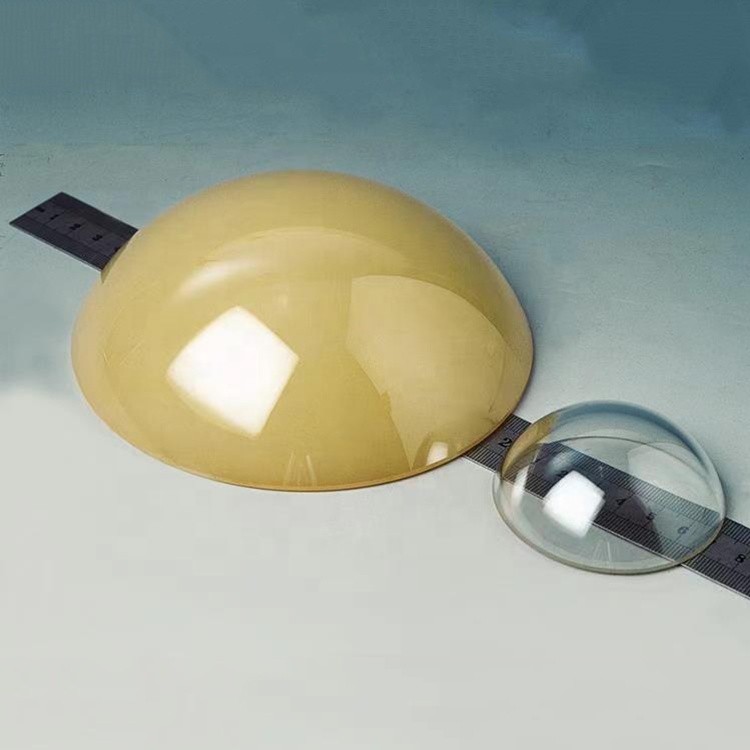
Custom Optical DomeDiameter: 5–300 mm typical Thickness: Custom Tolerance: Up to ±0.01–0.05 mm* Coating: AR / BBAR / IR AR / Custom Prototype: 1 piece available*
*Subject to material, size, geometry and drawing.
Engineering Challenges
Why Underwater Optical Domes Require More Than Standard Glass
An underwater optical dome must work as both an optical interface and a protective component. Material selection, dome geometry, surface quality, optical distortion, reflection loss and hydrostatic loading all affect system performance.
01
Material Selection
The substrate must match wavelength, transmission, mechanical strength, environment and cost. Common choices include sapphire, fused silica, quartz, BK7, H‑K9L and borosilicate; specialized IR materials serve specific infrared systems.
02
Dome Geometry
Dome radius, diameter, wall thickness, edge geometry and mounting interface directly affect optical performance and mechanical integration.
03
Optical Distortion
An improperly designed or manufactured dome can reduce image quality, particularly for wide‑angle underwater cameras.
04
Hydrostatic Pressure
External pressure increases with depth. Geometry, wall thickness, material and housing structure should be evaluated for the operating environment.
05
Reflection Loss
Water, coating and substrate interfaces introduce reflection losses. Suitable AR or BBAR coatings can improve transmission in specified bands.
06
Surface Quality
Scratches, pits, waviness and polishing defects may reduce contrast, cause scattering and affect imaging performance.
07
Seawater Environment
Salt deposits, corrosion environments and repeated cleaning require material, coating and sealing design to be considered together.
08
Prototype Consistency
Custom low‑volume prototypes require dimensional repeatability for accurate housing integration and subsequent production.
Engineering Value
Engineering a Better Underwater Optical Interface
Felix Glass combines optical material processing, precision machining, optical polishing and coating to manufacture custom underwater optical domes according to customer drawings and application requirements.
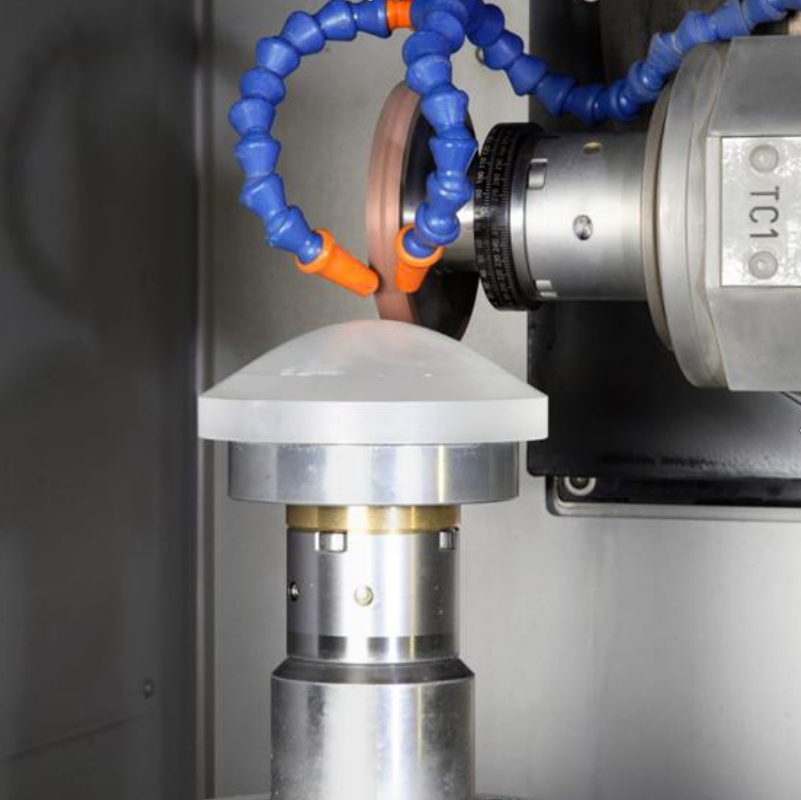
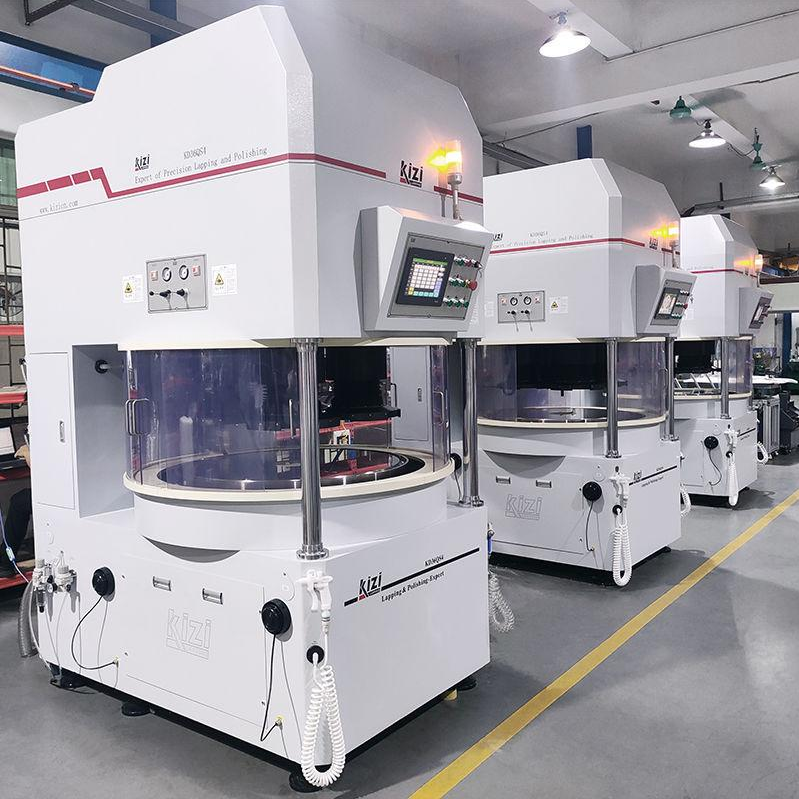
Precision grinding, fine grinding, optical polishing, edge processing, CNC machining, dimensional inspection and optical surface inspection.
AR / BBAR Optical Coatings
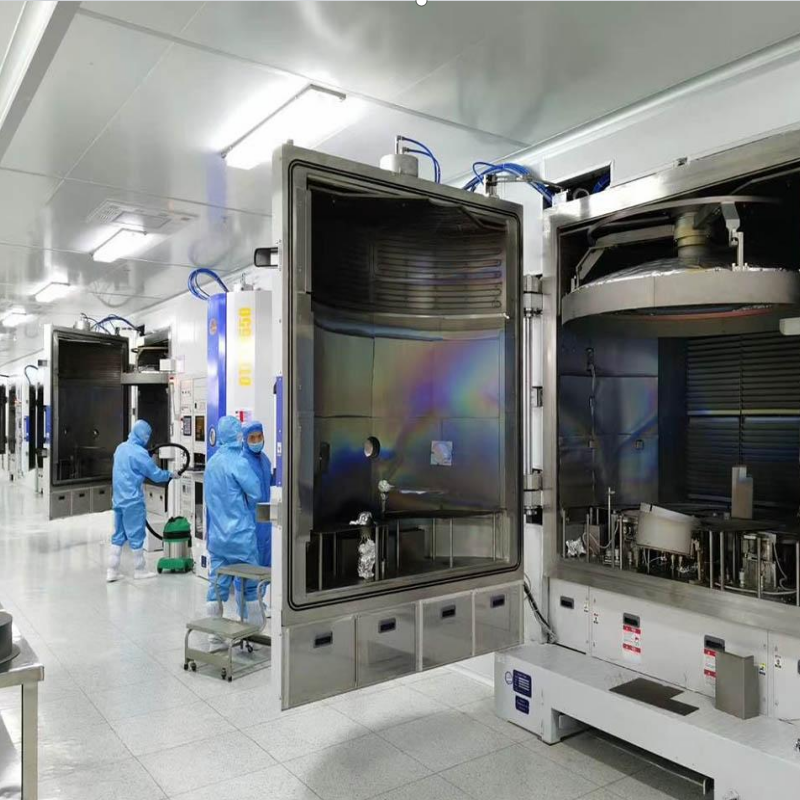
Visible AR, broadband Broad‑band AR, BBAR, NIR AR, IR AR, multiband and custom wavelength coating options.
Engineering Review
Before production, supplied drawings or specifications can be reviewed for material, dimensions, geometry, optical requirements and manufacturing feasibility.
Five‑Part Configuration
Build the Dome Around Your Optical System
Every quotation is reviewed according to the application rather than treated as a generic glass hemisphere.
01 MATERIAL
Optical Substrate
BK7 / H‑K9L, fused silica, sapphire, ZnS and other application‑appropriate optical materials.
Surface quality, transmitted wavefront, surface figure and clear aperture by requirement.
04 COATING
Spectral Control
Single‑ or double‑side AR coating developed for the specified wavelength and angle range.
05 VALIDATION
Inspection Plan
Dimensional, cosmetic, spectral and optical inspection based on agreed specifications.
Typical Underwater Dome Configurations
Reference configurations for RFQ preparation. Final specifications are confirmed from drawings and system requirements.
Visible Camera Dome
Optical glass dome for underwater video, observation and inspection cameras.
Wide‑Angle Dome Port
Geometry reviewed with the camera lens position and required field of view.
Fused Silica Dome
For UV, visible, selected NIR and thermally demanding optical systems.
Sapphire Dome
For applications prioritizing hardness, abrasion resistance and mechanical durability.
IR Optical Dome
Material and coating selected for the required infrared spectral band.
Material Options
Optical Materials for Underwater Imaging Systems
Material selection depends on wavelength, optical transmission, mechanical requirements, operating environment, dome geometry and system design.
Visible / General Underwater Imaging
Sapphire (Al₂O₃)
High hardness and excellent scratch resistance for demanding underwater camera, ROV and marine optical applications.
Very high hardness
Excellent scratch resistance
High mechanical durability
Suitable for harsh environments
Custom dome geometry
Fused Silica / Quartz
Excellent optical performance, low thermal expansion and high transmission for precision optical applications.
High optical & thermal stability
Low thermal expansion
Precision optical systems
BK7 / H‑K9L Optical Glass
A cost‑effective optical glass option with good visible transmission and optical homogeneity for general underwater imaging.
Borosilicate Glass
Good thermal and chemical stability for industrial and marine optical applications.
Spinel (MgAl₂O₄)
Combines optical transmission with high hardness and mechanical durability for advanced protective optics.
Sapphire Ceramic / Transparent Ceramic
Can be considered where high hardness and mechanical durability are important design requirements.
Specialized IR / Multispectral Materials
ZnSe — Zinc Selenide
A specialized infrared optical material for systems requiring transmission in relevant IR wavelength ranges.
ZnS — Zinc Sulfide
High‑performance infrared transmission for demanding IR optical and protective applications.
Germanium — Ge
A high‑refractive‑index infrared material commonly used in thermal imaging and infrared optical systems.
Silicon — Si
Suitable for selected NIR, SWIR and infrared applications where its spectral characteristics match the system.
Calcium Fluoride — CaF₂
Broad spectral transmission for specialized UV, visible and infrared optical systems.
Magnesium Fluoride — MgF₂
Used for specialized applications requiring UV transmission and selected infrared performance.
Zirconium Fluoride — ZrF₄
A fluoride optical material for specialized mid‑ and long‑wave infrared applications.
Chalcogenide Glass
Infrared‑transmitting glass for compact multispectral and thermal imaging systems.
Aluminum Oxynitride — ALON
A transparent ceramic combining high hardness and mechanical durability for advanced protective optics.
Need help selecting the right material? Tell us your wavelength range, operating depth, optical aperture, required transmission, dome diameter and housing design. Felix Glass can recommend a suitable optical material and manufacturing approach.
Custom Underwater Optical Dome Specifications
Project specifications are confirmed from the material, geometry, coating, application and drawing requirements.
Parameter
Custom Capability
Product Type
Underwater Optical Dome
Application
ROV / AUV / Subsea Camera / Marine Imaging
Material
Sapphire / Fused Silica / Quartz / BK7 / H‑K9L / Borosilicate / Spinel / ZnSe / ZnS / Ge / Si / Other
Geometry
Hemispherical / Near‑Hemispherical / Custom
Diameter
5–300 mm typical capability
Inner Diameter
Custom
Outer Diameter
Custom
Wall Thickness
Custom
Dome Height
Custom
Diameter Tolerance
Up to ±0.01–0.05 mm*
Surface Finish
Optical Polished
Surface Quality
Custom according to project requirement
Optical Flatness
Custom
Wavelength
UV / Visible / NIR / SWIR / MWIR / LWIR depending on material
Transmission
Custom target
Coating
AR / BBAR / IR AR / Custom
Mounting
Custom
Edge Profile
Custom
Inspection
Dimensional + Optical Inspection
Prototype MOQ
1 Piece
Sample Lead Time
3–5 Days Typical*
Bulk Lead Time
10–15 Days Typical*
*Specification note: Actual tolerance, lead time and achievable specifications depend on material, diameter, thickness, geometry, coating and drawing requirements. Pressure and depth capability must be validated at complete assembly level.
System Integration
Underwater Optical Dome Applications
✓
ROV & AUV Cameras
Imaging ports for inspection, navigation and autonomous subsea platforms.
✓
Subsea Monitoring
Protective optical interfaces for marine infrastructure and environmental observation.
✓
Aquaculture Systems
Underwater camera domes for fish‑farm monitoring and equipment inspection.
✓
Marine Research
Optical housings for scientific cameras, sensors and oceanographic instruments.
✓
Underwater Photography
Dome ports for wide‑angle, panoramic and professional imaging assemblies.
✓
Underwater Robotics Custom domes designed around robotic camera housings, sensors and optical modules.
✓
Underwater Surveillance Protective optical interfaces for subsea monitoring and underwater security camera systems.
✓
Deep‑Sea Imaging Custom optical dome solutions for systems operating at specified depths and environmental conditions.
Engineering Performance
Designed Around Your Underwater Imaging Requirements
Optical Performance
Precision dome geometry and optical polishing help maintain image quality through the underwater optical interface.
Low Optical Distortion
Dome curvature and optical geometry can be customized for the camera's field of view and optical design requirements.
High Transmission
Material and coating selection can be matched to the required wavelength and transmission target.
Mechanical Integration
Custom OD, ID, wall thickness, edge geometry and mounting areas allow integration with existing underwater housings.
Environmental Requirements
Material and surface options can be evaluated for freshwater, seawater and specified marine environments.
Hydrostatic Pressure Requirements
Geometry and thickness can be engineered for specified operating depth and pressure, subject to design verification and testing.
Customization
Fully Customizable to Your Underwater Camera Housing
Geometry
Hemispherical
Near‑hemispherical
Custom curvature & radius
Custom dome height
Custom edge geometry
Dimensions
Outer & inner diameter
Wall & edge thickness
Mounting diameter
Overall height
Optical Requirements
Wavelength & transmission
Surface quality & flatness
Optical distortion
AR / BBAR coating
Mechanical Requirements
Housing interface
Sealing area
Mounting structure
Operating depth & pressure
Weight limitations
Factory & Capabilities
From Optical Material to Finished Dome
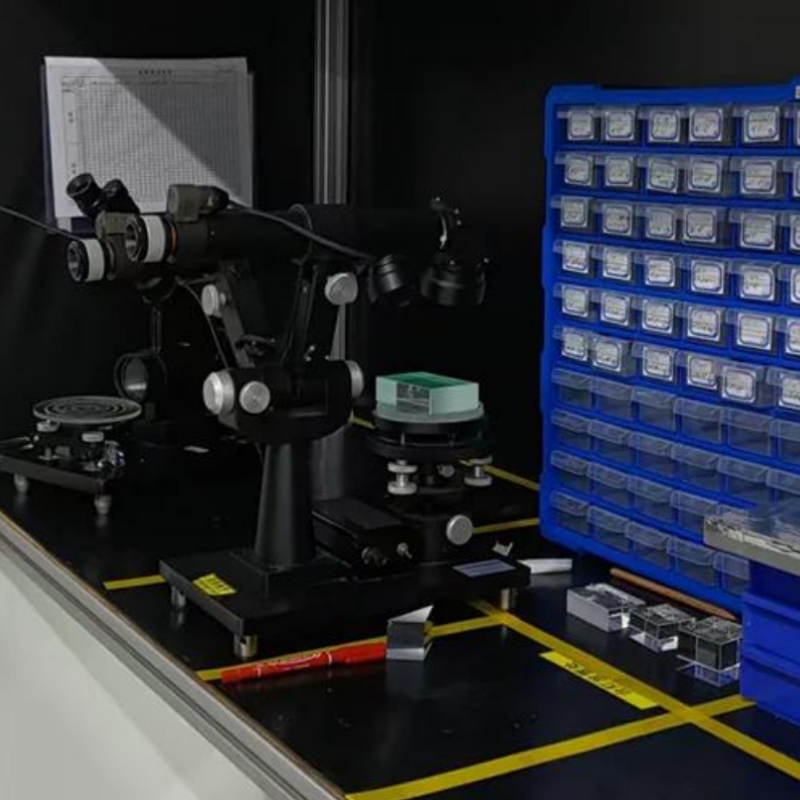
Manufacturing route is established according to geometry, substrate, coating and inspection requirements.
Dimensional and optical inspection before shipment
From One Prototype to Production
A defined approval path supports housing integration, optical verification and repeat production.
01
Submit Your Drawing
Send a 2D drawing, 3D model, sample or basic specifications.
02
Engineering Review
Review material, geometry, dimensions, optical requirements and feasibility.
03
Prototype
Prototype orders can start from 1 piece for engineering evaluation.
04
Testing & Verification
Verify housing fit, optical performance, sealing interface and application requirements.
05
Production
Move from approved prototype to production quantities.
06
Repeat Orders
Maintain agreed specifications and inspection requirements for subsequent production.
Typical reference: prototype MOQ 1 piece; sample lead time 3–5 days; bulk lead time 10–15 days. Actual timing depends on material, diameter, thickness, geometry, coating and drawing requirements.
Manufacturing Process
From Optical Material to Finished Underwater Dome
Material Selection → CNC / Precision Machining → Grinding → Optical Polishing → Cleaning → AR / BBAR Coating → Dimensional Inspection → Optical Inspection → Final Packaging
01 Material Selection
Select the substrate according to wavelength, optical performance, mechanical requirements and environment.
02 CNC / Precision Machining
Machine the dome geometry, dimensions and mounting interface according to drawing requirements.
03 Grinding
Establish the required geometry and prepare optical surfaces for precision polishing.
04 Optical Polishing
Polish the optical surfaces to achieve the specified surface finish and optical performance.
05 Cleaning
Clean the optical component before inspection and coating.
06 AR / BBAR Coating
Apply wavelength‑specific anti‑reflection coating when required.
07 Dimensional Inspection
Inspect critical dimensions, thickness, diameter and mounting features.
08 Optical Inspection
Inspect optical surfaces and coating appearance according to project requirements.
09 Final Packaging
Protect finished optical surfaces during transportation.
Dimensional Inspection OD, ID, thickness, dome height, edge geometry and mounting dimensions.
Coating Inspection Appearance and performance for the specified wavelength and coating.
Manufacturing Consistency Documented production and inspection requirements for repeat orders.
Why Felix Glass
Why Choose Felix Glass for Custom Underwater Optical Domes?
19+ Years Optical Glass Experience
More than 19 years of experience in optical glass processing and custom optical components.
Integrated Manufacturing
CNC machining, precision processing, optical polishing, coating and inspection within an integrated workflow.
Wide Material Selection
Sapphire, fused silica, quartz, BK7 / H‑K9L, borosilicate, spinel and specialized IR materials.
Custom Engineering
Custom dimensions, geometry, optical specifications, coatings and mounting interfaces.
Low MOQ
Prototype production starting from 1 piece for engineering validation.
Precision Processing
Dimensional tolerances down to approximately ±0.01 mm for suitable designs and processes.
Engineering Support
Drawing and specification review before production to identify manufacturing issues.
Global B2B Supply
Custom optical components supplied for marine, robotics, imaging, industrial and technical applications.
Related Optical Components
Complementary components for underwater imaging and sensing assemblies.
Underwater Optical Windows
Flat protective windows for camera, illumination and sensor pressure housings.
Sapphire Optical Domes
Hard, abrasion‑resistant dome solutions for demanding operating environments.
Infrared Optical Domes
Custom material and coating configurations for specified IR imaging bands.
Frequently Asked Questions
Felix Glass can process sapphire, fused silica, quartz, BK7 / H‑K9L, borosilicate, spinel and selected infrared optical materials including ZnSe, ZnS, germanium, silicon and other specialized substrates.
Yes. Dome diameter, thickness, radius, height, edge geometry and mounting interface can be manufactured according to customer drawings or specifications.
Yes. Sapphire is available where high hardness and mechanical durability are required.
Yes. Visible AR, broadband AR, BBAR and IR AR coatings can be specified according to the required wavelength range.
Yes. Custom optical domes can be manufactured for ROV cameras, subsea imaging systems and underwater inspection equipment.
Custom geometry and thickness can be designed for specified operating depth and hydrostatic pressure requirements. Final pressure performance should be verified using the complete dome and housing design.
Yes. Send your 2D/3D drawing, material, optical requirements, target depth or pressure, housing interface and quantity for engineering review.
Start Your Project
Get Your Custom Underwater Optical Dome Quote
No finalized specification is required to begin. Send the information currently available and our engineering team can review the dome geometry, optical requirements and manufacturing route.
Engineering review of drawings or reference samples
Material, geometry and optical specification review