
Services · Anti-Fingerprint Coatings
AF Coating (Anti-Fingerprint)
Repellency, cleanability and surface durability for custom glass
Custom anti-fingerprint requirements reviewed around the substrate, exposed coating stack, touch conditions and cleaning environment.
Review AF Specifications1. Custom Anti-Fingerprint Surface Treatment
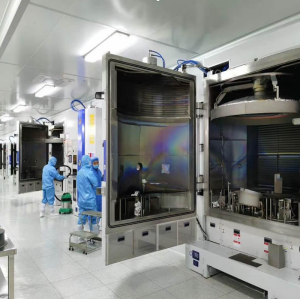
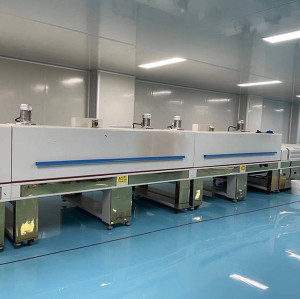
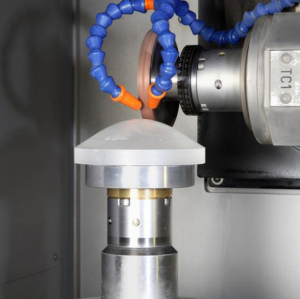
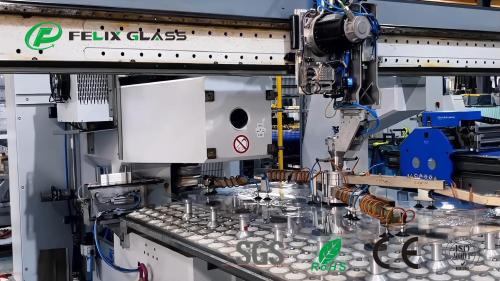
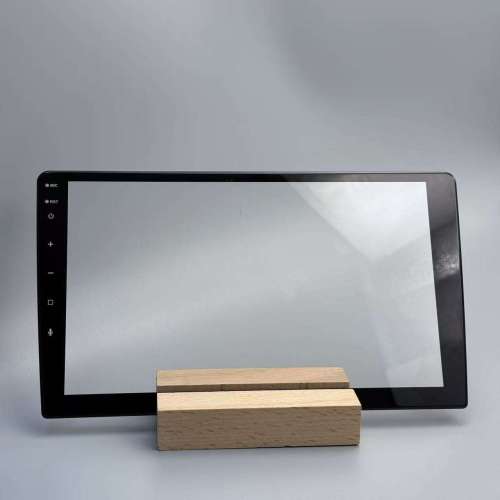
Felix Glass supports AF surface-treatment projects for display covers, touch interfaces and suitable optical windows. The treatment is reviewed against the substrate, underlying layers, handling conditions and cleaning requirements.
AF aims to reduce the adhesion of fingerprint residues and improve cleanability. It does not make glass permanently fingerprint-free. Define the expected cleaning and wear performance rather than relying on the coating name alone.
2. AF Coating Specification Checklist
| Requirement | Information to provide |
|---|---|
| Substrate and stack | Glass grade, existing AG/AR layers and exposed surface |
| Treatment area | Coated face, clear aperture, masking and exclusions |
| Water repellency | Contact-angle target, method and measurement conditions |
| Oil repellency | Test liquid, contact-angle or functional criterion |
| Cleanability | Defined contamination, wiping procedure and acceptance |
| Wear resistance | Abrasive, load, stroke, cycles and retained performance |
| Optical properties | Transmission, haze, gloss or reflected appearance limits |
| Environment | Cleaners, humidity, UV and temperature exposure |
| Integration | Printing, bonding, contacts and assembly sequence |
Initial and retained performance targets are agreed for the complete surface system. No universal contact-angle or lifetime claim applies to every construction.
3. What AF Coating Does
An AF treatment modifies surface behavior to make some contaminants less strongly attached and easier to remove. Depending on the chemistry and construction, it may also influence water repellency, oil repellency and sliding feel.
Fingerprint visibility still depends on skin oils, lighting, background and surface texture. A useful evaluation considers both how contamination appears and how readily it is removed. An apparently clean sample under one light source may look different on a dark display.
4. Hydrophobic and Oleophobic Are Different Properties
Hydrophobic behavior concerns water; oleophobic behavior concerns oils. A high water contact angle does not automatically demonstrate that fingerprints or oily residues will be easy to clean.
Specify the relevant liquids and functional objective. If water shedding matters, dynamic behavior such as droplet movement may also be relevant. If fingerprint removal is the goal, include a repeatable contamination-and-cleaning assessment rather than accepting water contact angle alone.
5. Contact-Angle Requirements
Define the test liquid, droplet volume, measurement timing, surface conditioning and sampling locations. State whether the reported angle is static, advancing, receding or another agreed measurement.
Texture and contamination can affect measured results. Compare samples under the same method and condition, particularly when evaluating smooth glass against AG glass. Include a post-wear or post-cleaning requirement when retained performance matters to the product.
6. Measure Fingerprint Removal and Cleanability
Use an agreed contamination procedure and wiping method. Define the cloth or swab, load, passes, cleaning agent if used and visual or instrumental acceptance. Natural fingerprints can support practical evaluation but vary from person to person.
Compare initial cleanability with performance after relevant wear or exposure. A treatment that looks good when new may not meet the required service condition. Keep appearance assessment tied to representative lighting, viewing distance and display backgrounds.
7. Abrasion and Wipe-Cycle Durability
A cycle count is incomplete without the abrasive material, contact area, load, stroke, speed and definition of a cycle. Define the endpoint, such as retained contact angle, cleanability or acceptable optical change.
Steel wool, cloth wiping and other wear tests are not interchangeable. Specify the actual method required by the project and the criteria after testing. Laboratory cycle counts should not be converted into an unsupported number of years in service.
8. AF on Smooth and Anti-Glare Glass
An AF layer can be reviewed for a compatible smooth or textured surface. The underlying AG texture remains important to gloss, haze, sparkle and tactile feel. AF does not replace the AG function or automatically make every textured surface equally easy to clean.
Evaluate the complete AG-plus-AF configuration on the intended display. Define texture and surface-treatment requirements separately, then agree on final appearance and durability. Contact-angle measurements on textured surfaces require a consistent test basis.
9. AF with Anti-Reflective and Other Functional Layers
AF may be considered above a compatible AR stack to support cleaning while retaining the intended optical performance. The exposed layer and processing conditions determine compatibility.
Specify transmission, reflection, haze and appearance for the finished component. If ITO or other electrical features are present, identify pads and areas that must remain accessible. Do not assume an added surface treatment is acceptable over bonding lands or electrical contacts.
10. Touch Feel and Interface Performance
A surface treatment can change friction and perceived finger glide. If tactile behavior matters, define the relevant evaluation conditions, including dry or humid contact and any glove use. Subjective approval samples can complement measurable criteria.
Touch sensing must be verified with the intended glass thickness, sensor, controller and adhesive stack. AF performance alone does not establish touch sensitivity. Review stylus use, repeated rubbing and high-contact regions when they affect the product.
11. Substrate Preparation, Masking and Assembly
Provide the glass grade, treated face and full manufacturing sequence. Surface cleanliness and compatibility with existing coatings are important to treatment consistency. The process route should be reviewed before finalizing printing or bonding details.
Mark adhesive lands, printed regions, contact pads and any untreated apertures. A low-adhesion surface useful for cleaning may be unsuitable for a bond or print interface without an appropriate process. Agree on masking boundaries and registration tolerances.
12. Cleaning and Environmental Exposure
List expected cleaning agents, concentrations, temperatures and exposure durations. Include humidity, UV exposure or temperature cycling where relevant to the installed product. Define acceptable changes after these conditions.
Provide cleaning instructions suited to the delivered stack. Avoid unqualified abrasives or chemicals that can damage the treatment or underlying layers. Residue should be distinguished from permanent performance loss during inspection.
Outdoor durability and resistance to a specific cleaner need their own evidence; neither follows automatically from an initial repellency result.
13. Inspection, Qualification and RFQ Inputs
Inspection can include visual coverage, contact-angle sampling, optical measurements and agreed cleanability tests. Qualification may add abrasion and environmental exposure with before-and-after results. Define which tests apply to production samples and which are qualification only.
Send the drawing, substrate and layer stack, treated areas, initial and retained performance targets, test procedures and quantities. If material declarations or a specified coating chemistry are required, identify them so the documentation and supply scope can be confirmed.
Paid samples, tooling, minimum order, processing lead time and report scope are confirmed after review. Packaging should protect treated surfaces, avoid unapproved direct-contact materials and prevent movement during shipment.
14. Frequently Asked Questions
Does AF coating prevent all fingerprints?
No. It can improve repellency and cleanability, but fingerprints may still appear depending on contamination and viewing conditions.
Does a high water contact angle prove oil repellency?
No. Water and oil behavior require suitable separate tests, and practical cleanability should be assessed when relevant.
How many wiping cycles will AF glass survive?
That depends on the complete stack and test conditions. Define the abrasive, load, motion and retained-performance requirement before comparing cycle counts.
Can AF be applied to etched AG glass?
A compatible combination can be reviewed and qualified for appearance, contact-angle interpretation, cleanability and wear.
Can AF be combined with AR?
Yes, subject to compatibility review and final optical and durability verification for the proposed stack.
Is AF a scratch-proof coating?
No. Anti-fingerprint performance is different from scratch resistance or substrate strengthening.
Can I bond or print onto an AF-treated region?
Do not assume compatibility. Identify those areas so treatment sequence, masking and adhesion can be reviewed.
What information is needed for an AF quotation?
Provide the drawing, substrate and coatings, treated face, repellency and cleanability targets, durability tests, environment and quantities.
15. Request an Anti-Fingerprint Coating Review
Send Felix Glass your cover-glass drawing and the intended touch, cleaning and exposure conditions. A complete surface specification helps define the treatment, prototype evaluation and production acceptance for your application.
Dongguan Felix Glass Co., Ltd.
Email: james@felixglass.com
Phone: +86-18565032888