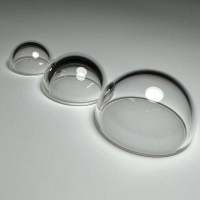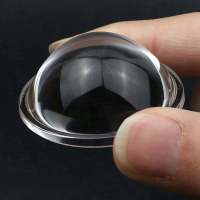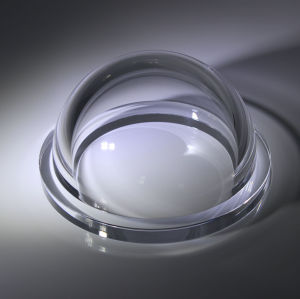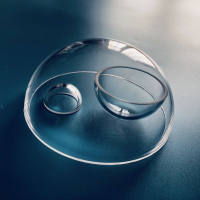
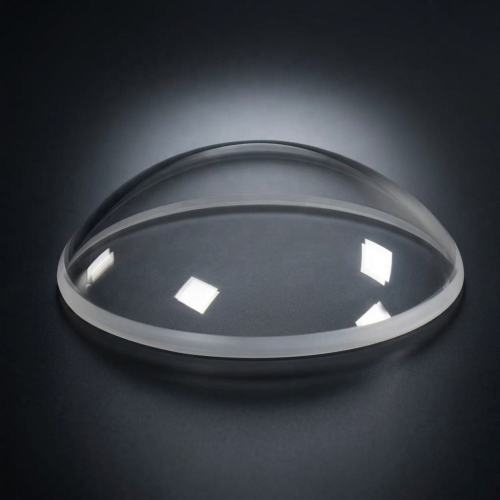
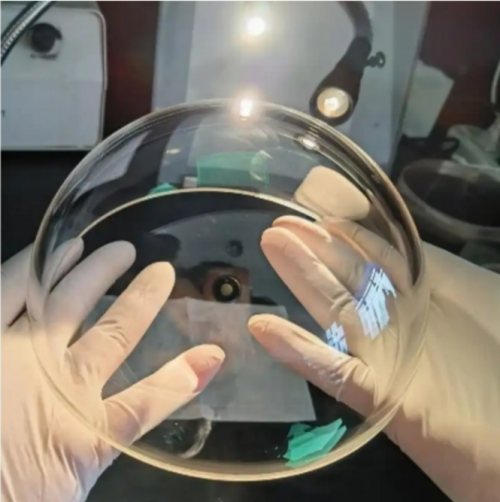
Hydrodynamic Fairing | Streamlined Underwater Optical Dome
- Model
- FG-Underwater Optical Dome
Item specifics
- Product Name
- Hydrodynamic Fairing / Streamlined Underwater Optical Dome
- Brand
- Felix Glass
- Material Options
- Sapphire, Fused Silica (JGS1), BK7 / K9 Optical Glass
- Available Shape
- Streamlined ogival, hyper-hemispherical, modified spherical cap, low-drag contour
- Working Wavelength
- Visible, UV, compatible with underwater visible imaging
- Coating Options
- AR Anti-Reflection coating, anti-fouling optional coating
- Surface Quality
- Custom per drawing (60-40 / 40-20 / 20-10)
- Wall Thickness
- Customized, pressure-rated design
- Outer Diameter
- Custom large & small diameter
- Feature
- Streamlined hydrodynamic profile, reduce drag & turbulence; high hydrostatic pressure resistance, se
- Application
- ROV, AUV, underwater photogrammetry, subsea inspection, marine scientific observation, underwater op
- Design Note
- Must co-design optics + flow simulation; refraction correction for water-air interface; pressure val
- Inquiry Info Required
- Max working depth, flow velocity, wavelength, drawing, optical specs, anti-fouling requirement, pres
Review
Description
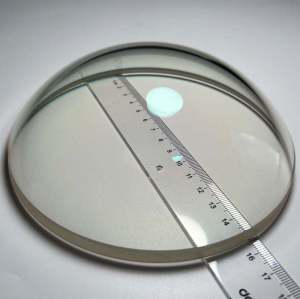
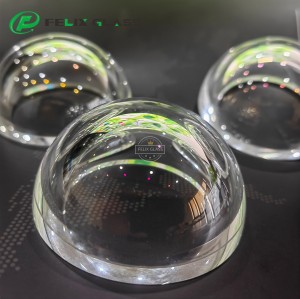
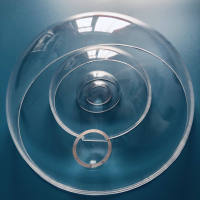
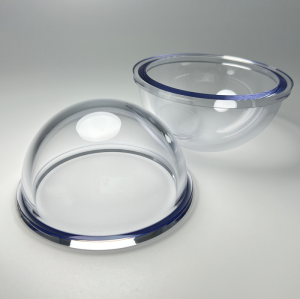
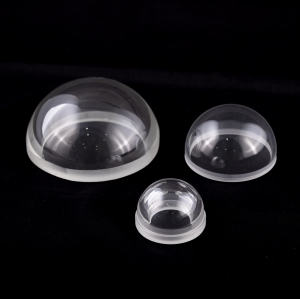
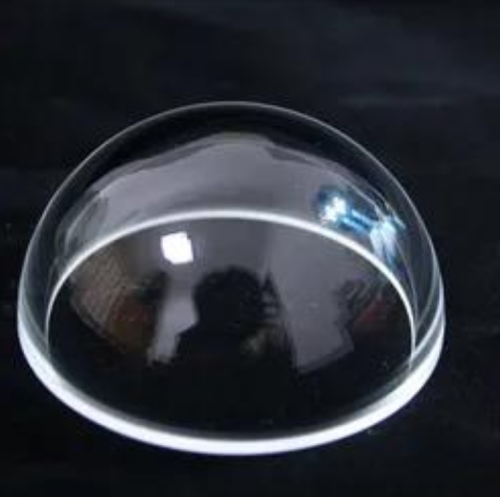
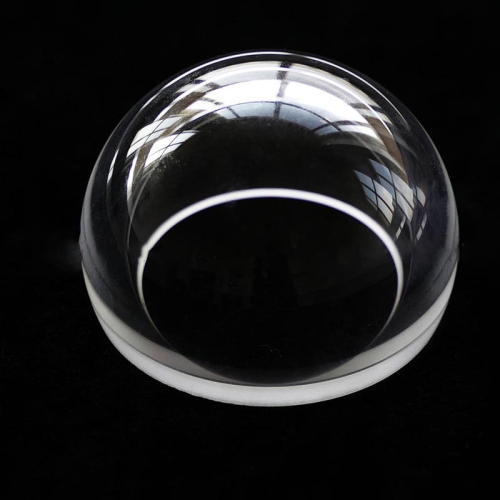
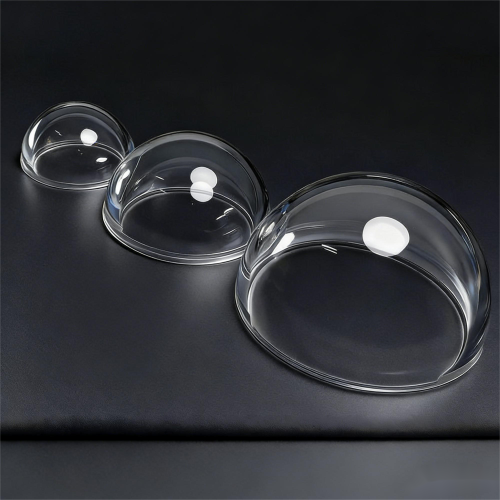
Custom sapphire, fused silica and optical glass domes for subsea cameras and optical sensors from Felix Glass. Illustrative product images. Final material grade, contour, wall thickness and coating are defined by the approved drawing. A product image does not establish a depth rating. An underwater optical dome is a hollow curved window positioned in front of a camera or optical sensor. It transmits the required light while forming part of the housing's environmental boundary. Deep-sea imaging is an application of optical domes; suitability depends on the complete optical and pressure-housing design. A hydrodynamic fairing is a broader term for an external shell shaped to manage water flow. It need not be transparent or pressure-bearing. An optical dome can form part of a fairing, but a curved optical surface alone does not guarantee reduced drag or cavitation suppression. Felix Glass focuses on the optical dome component. Housing design, seals, structural qualification and any hydrodynamic analysis must be assigned and agreed as part of the project scope. Match spectral transmission, clear aperture and surface quality to the camera. Review refraction, focus, field of view and calibration in the assembled system. Evaluate differential pressure together with dome geometry, material condition, edge support and seals. Working-depth claims require assembly-specific validation. Coordinate the external contour and mounting interface with the ROV, AUV or sensor housing. Assess flow loads and drag where relevant to operating speed. Select the material using the required spectrum, geometry, mechanical loads, exposure conditions and budget. Material name alone does not determine the permitted operating depth. Hemispherical, spherical-cap and extended-hemisphere profiles can be considered according to the drawing. Other contours require separate optical and manufacturing review. Streamlining, wide field of view and pressure resistance are design objectives, not automatic properties of a particular shape. Light crosses water–glass and glass–air interfaces in an air-filled camera housing. For a concentric spherical dome, positioning the lens entrance pupil near the common center of curvature can reduce chief-ray refraction and help preserve field of view. This does not eliminate all aberrations, focus effects or calibration requirements. Review the lens, dome and housing together. Underwater ray tracing and calibration may be needed for imaging accuracy; structural analysis and pressure testing address load capacity. CFD is appropriate where flow performance is a project requirement. Analysis and test responsibilities should be agreed before manufacture. Send your drawing and application requirements for component feasibility and quotation. Include the following information where available: Dongguan Felix Glass Co., Ltd.Underwater Optical Domes | Dome Ports for ROV & AUV Imaging
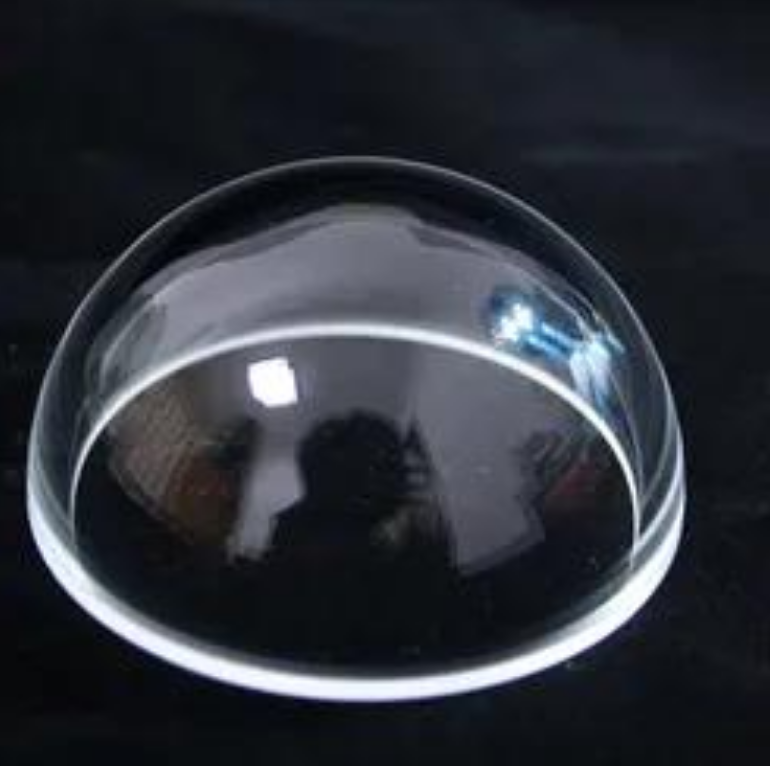
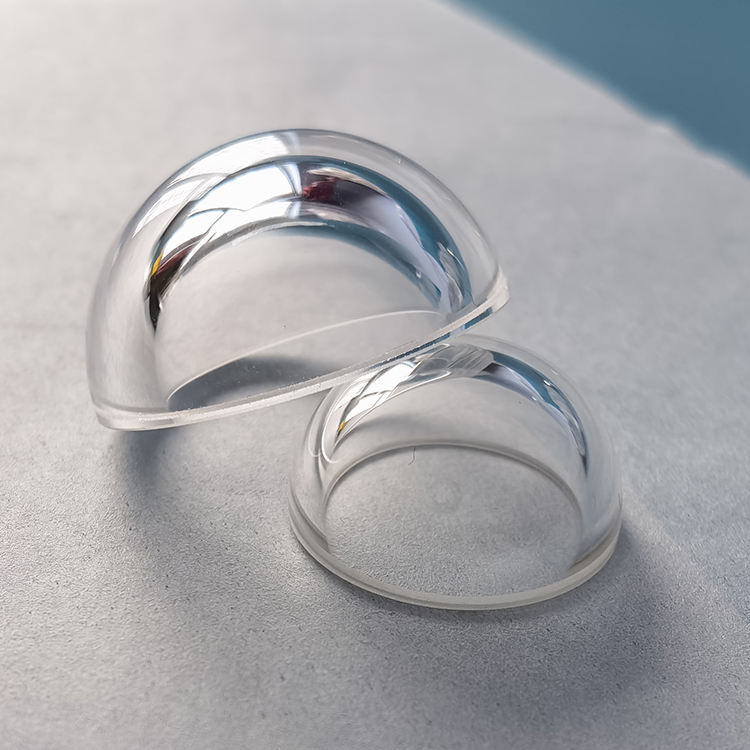
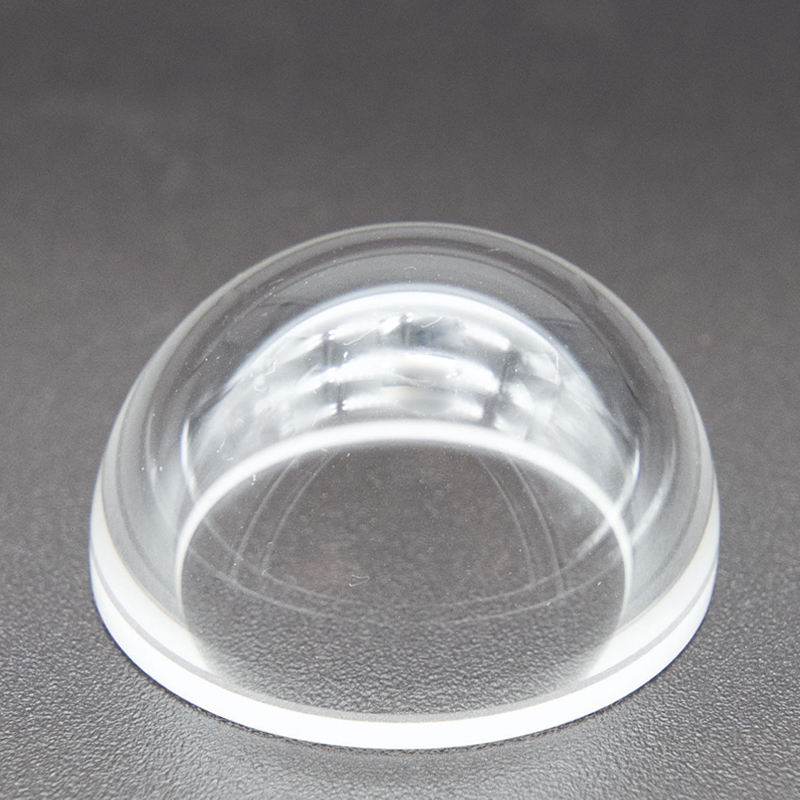

Optical Domes for Underwater Imaging
Three Design Priorities
Optical Performance
Pressure and Sealing
Vehicle Integration
Material and Surface Options
Substrates for Evaluation
Coatings and Maintenance
Geometry, Alignment and Image Quality
Request a Custom Underwater Optical Dome
Email: james@felixglass.com · Phone: +86-18565032888