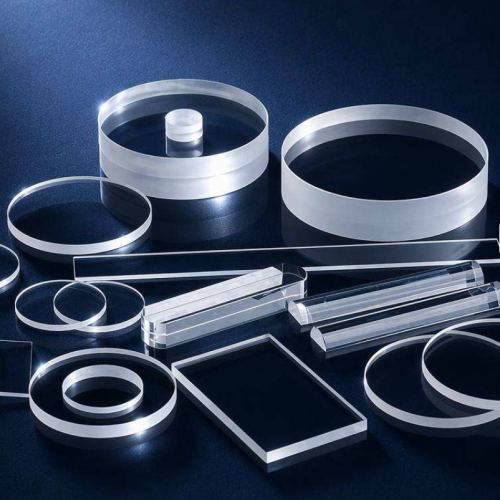
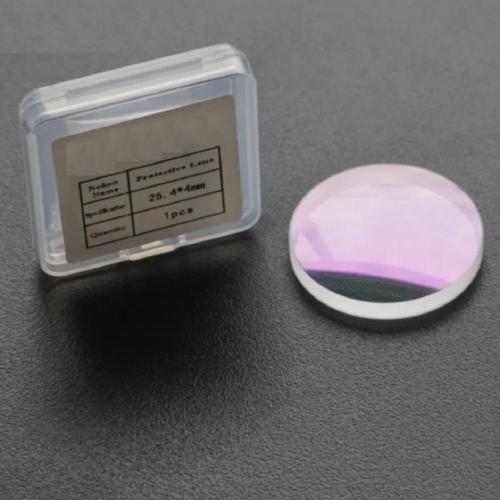
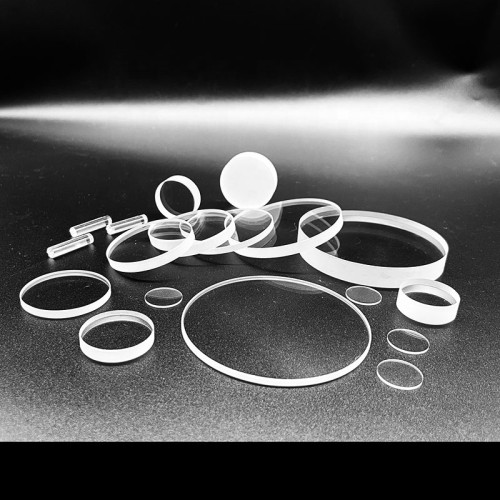
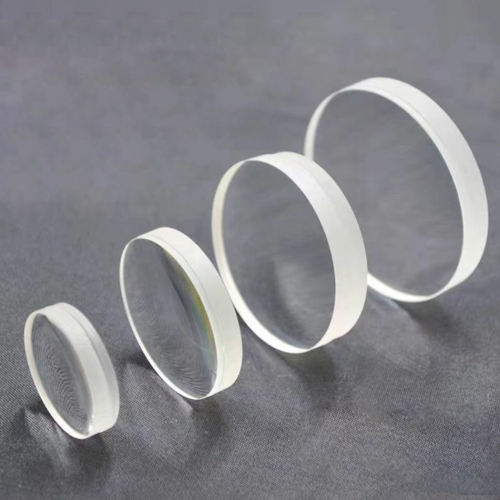
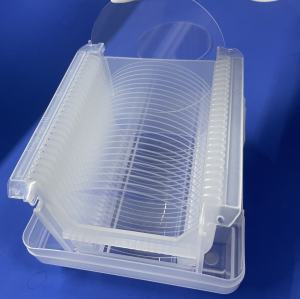
Custom fused silica optical components
Fused Silica Optical Parts for Laser and UV Equipment
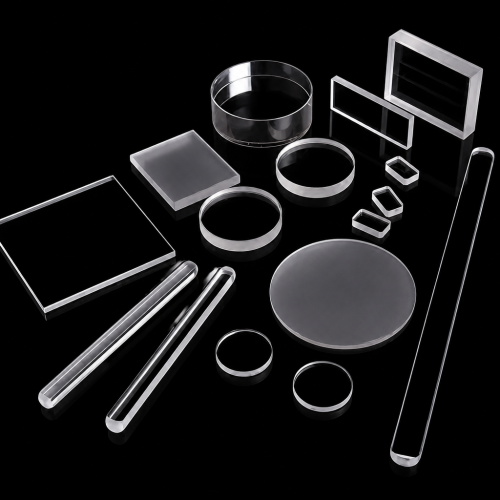
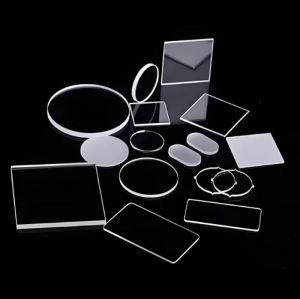
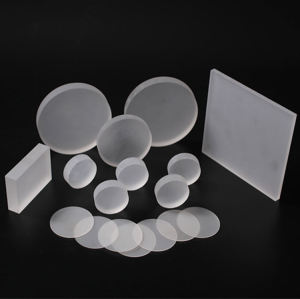
Felix Glass Co., Limited supplies drawing-based fused silica windows, plates, discs, rings, tubes and special-shaped optical parts for UV sources, laser beam delivery, analytical instruments and high-temperature equipment. Material grade, wavelength, angle of incidence, clear aperture, surface quality and inspection method are reviewed before quotation.

Engineering fitWhat Buyers Can Specify
The values below are planning ranges rather than automatic acceptance limits. Final capability depends on geometry, aperture, edge condition, coating and inspection requirements.
Drawing-Based Geometry
Round, square, rectangular, ring, tube and non-standard profiles can be reviewed from 2D drawings or 3D files.
Optical Surface Control
Surface quality, flatness, parallelism, wedge, clear aperture and edge treatment can be defined by application.
UV and Laser Review
Specify wavelength, source type, fluence or power density, pulse conditions, angle of incidence and transmission target.
Inspection Documentation
Dimensional, visual, flatness and coating inspection records can be included when stated in the purchase specification.
Material properties
Why Fused Silica Is Selected for UV and Thermal Systems
| Property | Typical Engineering Reference | Selection Relevance |
|---|
| Composition | High-purity silicon dioxide; grade dependent | Supports optical and thermal stability requirements. |
| Thermal expansion | Low compared with common optical glasses | Reduces dimensional change during thermal cycling. |
| UV transmission | Depends on synthetic or natural grade, thickness and surface condition | Material certificates and transmission data should match the working band. |
| Thermal shock behavior | Suitable for many rapid-temperature-change systems when correctly designed | Part geometry, mounting stress and edge finish remain important. |
| Chemical behavior | Stable against many chemicals; application compatibility must be checked | Cleaning chemistry and service environment should be supplied for review. |
Technical dataCustom Fused Silica Specification Planning
Use the table as an RFQ checklist. Tighter requirements may affect yield, inspection time, lead time and unit cost.
| Field | Typical Options | Information Needed for Quote |
|---|
| Material | UV-grade synthetic fused silica; fused quartz grades by request | Grade, certificate requirement and working wavelength |
| Dimension | Custom diameter, length, width, thickness and profile | Drawing with datums, clear aperture and edge definition |
| Tolerance | Typical dimensional tolerance around +/-0.01 mm; tighter values by review | Critical and non-critical dimensions identified separately |
| Surface Quality | Common project ranges from 60-40 to 10-5 scratch-dig | Inspection standard and cosmetic zone |
| Surface Flatness | Lambda/4 typical; Lambda/10 may be reviewed for suitable aperture and geometry | Reference wavelength, aperture and test setup |
| UV Laser Transmission | Grade, thickness, polish and coating dependent | Wavelength band, AOI, polarization and transmission target |
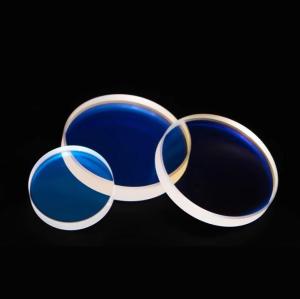
| Coating | Uncoated, UV AR, narrowband AR or BBAR subject to design review | Band, AOI, polarization, environment and durability test |
| MOQ | Prototype and production quantities supported subject to process route | Prototype quantity, annual demand and delivery schedule |
| Lead Time | Confirmed after material, machining, coating and inspection review | Required delivery date and approval sequence |
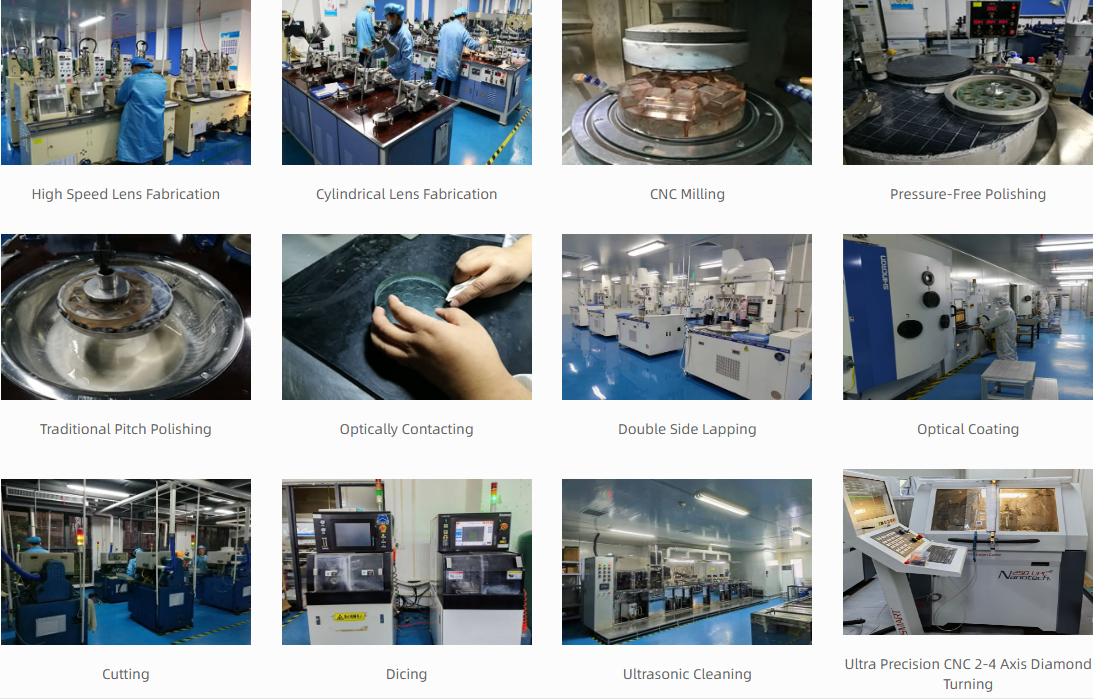
Manufacturing process
From Drawing Review to Protected Packing
01Specification Review
Confirm material, drawing revision, wavelength, environment, quantity and critical characteristics.
02Blank Preparation
Select stock and machining allowance based on finished geometry and process risk.
03CNC Shaping
Cut, grind, drill and profile the component using a route suited to fused silica.
04Optical Polishing
Develop specified surfaces while controlling edge condition, wedge and clear aperture.
05Coating and Inspection
Apply approved coating when required and inspect agreed dimensional and optical characteristics.
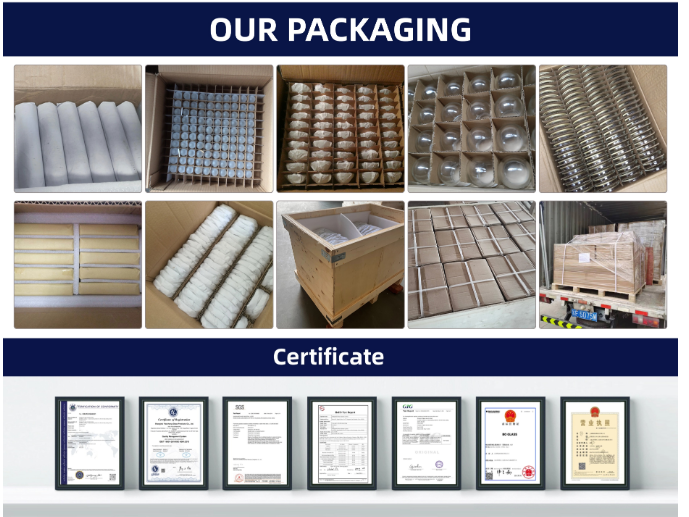
06Clean Packing
Separate polished parts and package them according to handling and cleanliness needs.
Application table
Fused Silica Parts by Equipment Requirement
| Application | Common Part Types | Buyer Inputs | Engineering Focus |
|---|
| UV curing and exposure | Windows, plates, covers | UV band, irradiance, heat load, cleaning method | Transmission, solarization behavior, thermal mounting |
| Laser beam delivery | Windows, discs, protective plates | Wavelength, CW or pulsed source, beam diameter, fluence | Material grade, surface quality, coating and damage-risk review |
| Analytical instruments | Cells, windows, plates, spacers | Optical path, chemistry, detector range, sealing design | Path consistency, cleanliness and chemical compatibility |
| High-temperature furnace systems | Observation windows, tubes, shields | Temperature profile, pressure, atmosphere, mounting method | Thermal stress, edge finish and fixture clearance |
| Semiconductor and research equipment | Rings, carriers, plates, special parts | Cleanliness, geometry, process chemistry, inspection plan | Contamination control, repeatability and documentation |
Quality inspection
Inspection Scope Aligned to the Drawing
- Material identity and certificate review when specified
- Dimensional inspection against controlled drawing revision
- Surface quality and edge-condition inspection
- Flatness, parallelism or wedge measurement when required
- Coating visual and spectral documentation according to the order
- Part identification, cleanliness and protected packaging checks
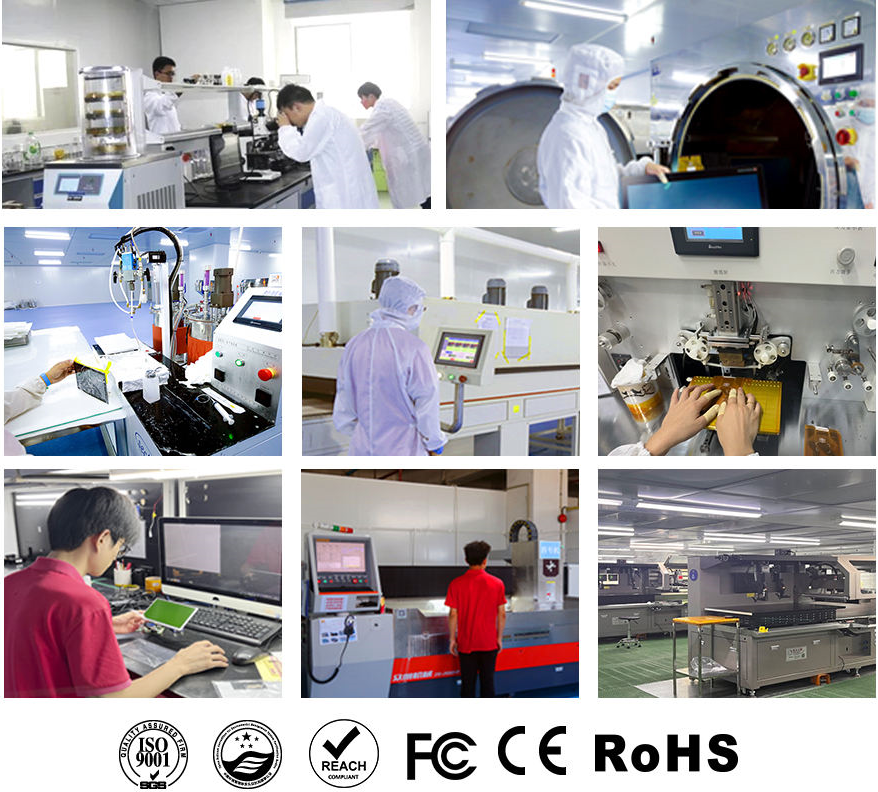
ISO 9001 quality-system documentation and RoHS or other compliance support may be supplied when applicable to the selected material and process. Certification scope and report format must be confirmed during quotation.
Factory capabilitySupport for Optical Engineers and Procurement Teams
Felix Glass Co., Limited supports prototype evaluation and repeat production through drawing review, machining, polishing, optional coating and inspection coordination. Procurement teams should request the exact facility, process and certification evidence needed for supplier qualification.
Engineering Review
Feasibility feedback can identify missing tolerances, coating inputs and inspection definitions before order placement.
Process Coordination
Blank preparation, CNC shaping, grinding, polishing, coating and final inspection are planned around the approved specification.
Prototype to Repeat Order
Inspection criteria and approved drawing revisions can be carried into repeat production planning.
Laser and UV sourcing
Information That Improves RFQ Accuracy
For an engineering quotation, send the drawing, material grade, wavelength band, source type, optical aperture, tolerance priorities, surface quality, flatness, coating target, inspection standard, quantity and delivery schedule. For laser service, include available beam and pulse information so the component and coating can be reviewed for the intended conditions.
Upload Specifications for Review
Related products
Compare Adjacent Optical Component Options
Engineering FAQ
Fused Silica Optical Parts FAQ
What information is needed to quote a fused silica optical part?
Provide a controlled drawing, material grade, dimensions, tolerances, surface quality, flatness, coating, wavelength, quantity, inspection needs and requested delivery date.
What is the difference between fused silica and fused quartz?
The terms are sometimes used broadly, but synthetic fused silica and naturally sourced fused quartz can differ in purity and spectral behavior. State the required grade or optical band so material can be selected correctly.
Can fused silica windows be used for UV lasers?
Suitable grades are commonly evaluated for UV systems, but the decision depends on wavelength, thickness, defects, polish, coating, power or fluence, pulse conditions and service environment.
Can you supply laser-grade surface quality?
Surface-quality requirements such as 20-10 or 10-5 scratch-dig can be reviewed. The applicable inspection standard, clear aperture and performance requirement should be stated on the drawing.
What flatness can be specified?
Lambda/4 is a common project target and Lambda/10 may be reviewed for suitable sizes and geometries. Always define the reference wavelength, clear aperture and measurement condition.
Are UV AR and broadband coatings available?
UV AR, narrowband AR and broadband designs can be evaluated. Provide wavelength range, angle of incidence, polarization, environment and durability requirements.
What shapes can be manufactured?
Windows, plates, discs, rings, tubes and drawing-based profiles can be reviewed, including holes, slots, bevels and defined edge conditions.
What is the MOQ for custom fused silica parts?
Prototype and batch quantities can be discussed. MOQ depends on material, geometry, tooling, coating and inspection scope and is confirmed with the quotation.
How long is production lead time?
Lead time is quoted after material availability, machining complexity, coating schedule, inspection plan and quantity are reviewed.
What quality and certification documents can be supplied?
Available documentation may include dimensional and visual inspection records, material certificates, coating data and applicable compliance support. Specify required document names and acceptance criteria before order placement.
Start with the drawingRequest a Fused Silica Manufacturability Review
Share the working wavelength, optical and mechanical drawing, quantity and inspection requirements. The engineering team will identify the inputs needed for a formal quotation.
Request a Technical Quote