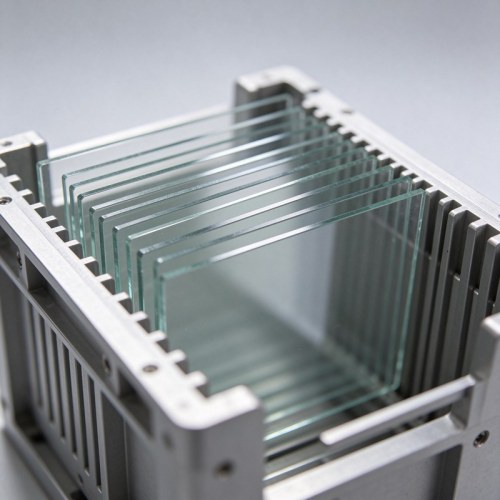
Laser Debond Glass Carrier for FOWLP & FOPLP
- Model
- FG-glass carrier
Item specifics
- Glass Material
- Alkali-Free Aluminosilicate Glass / Borosilicate Glass
- Substrate Format
- 100 mm, 200 mm, or 300 mm Round Wafers / Custom Panels
- Nominal Thickness
- 300–1,000 µm, depending on glass grade and format
- Release Layer
- Sacrificial Coating for Laser Debonding
- Surface Finish
- Double-Side Optical Polish, Ra ≤0.5 nm
- Application
- Temporary Support Carrier for FOWLP / FOPLP Fan-Out Packaging
Review
Description
Temporary Release Glass Carrier for FOWLP and FOPLP
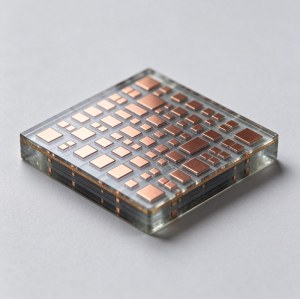
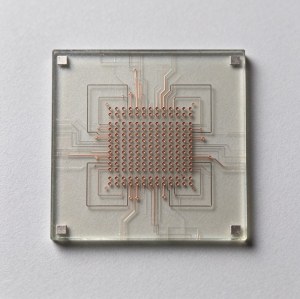
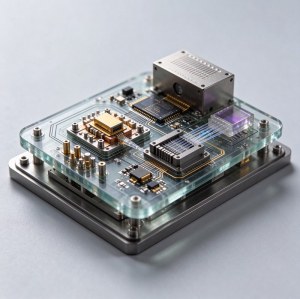
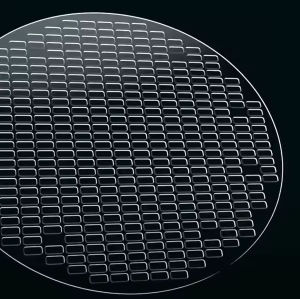
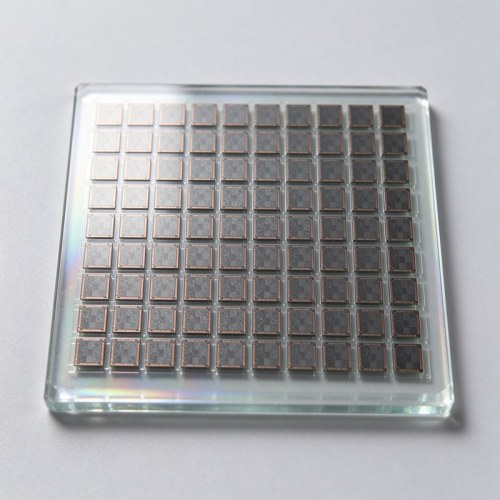
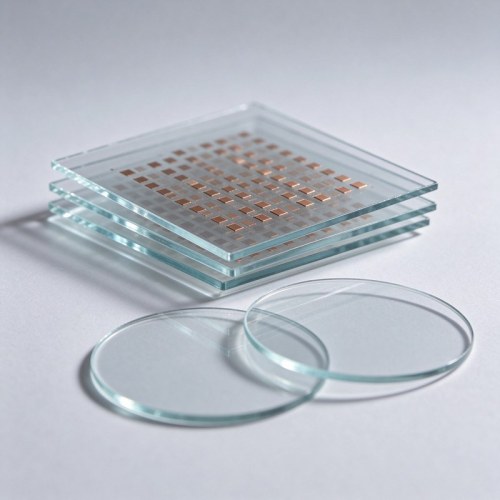
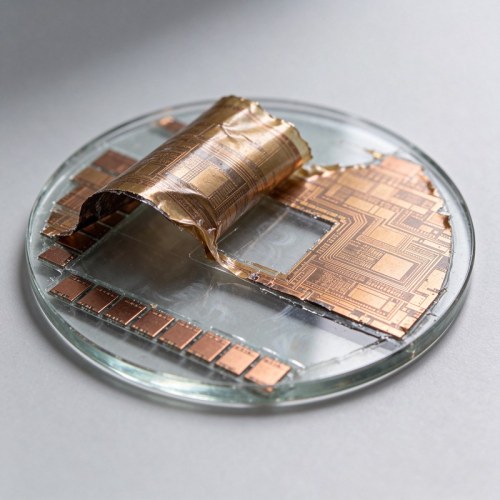
Felix Glass supplies polished glass carriers with a laser-release coating for fan-out wafer-level packaging (FOWLP) and fan-out panel-level packaging (FOPLP). The carrier provides rigid temporary support for thin dies and package structures during redistribution layer (RDL) fabrication, dielectric processing, and molding. After the supported process steps are complete, the carrier is removed by laser debonding under conditions qualified for the package stack.
Round wafers and custom panels can be reviewed against your equipment dimensions, bonding stack, process temperatures, and laser debond system.
Glass Carrier Specifications
| Parameter | Specification or Design Input |
|---|---|
| Base Glass Material | Alkali-free aluminosilicate glass or borosilicate glass. Specify the required grade or coefficient of thermal expansion (CTE) range if defined by your process. |
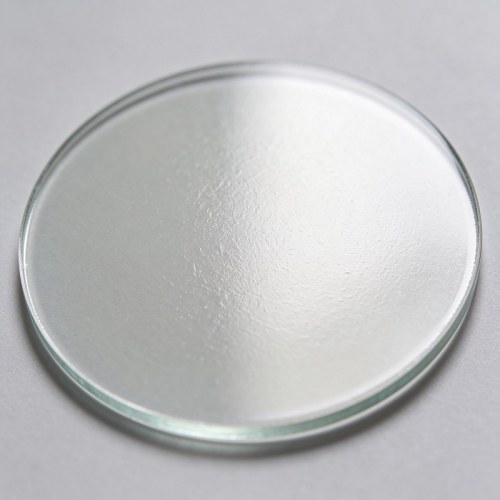
| Carrier Format | 100 mm, 200 mm, or 300 mm round wafers. Custom square or rectangular panels are available for review. |
| Nominal Base Glass Thickness | 300–1,000 µm (0.30–1.00 mm), subject to glass grade and carrier format. Specify the nominal thickness and allowable thickness tolerance. |
| Base Glass Surface Finish | Double-side optical polish before coating. A target of Ra ≤ 0.5 nm can be reviewed with the requested measurement method and scan area. |
| Release Layer | Sacrificial coating for laser debonding. Specify the coated side, usable coated area, edge exclusion, and any coating uniformity requirements. |
| Flatness, TTV, and Warp | State any flatness, total thickness variation (TTV), and warp limits separately. Identify whether each limit applies to the base glass or the coated carrier. |
| Laser Debond Requirements | Provide the laser wavelength, equipment model, and available energy density range for review with the bonding materials and process conditions. |
Carrier size, thickness, glass grade, and release coating are reviewed together for the intended process.
Bonding and Laser Debond Qualification
Share the layer sequence from the glass carrier to the package, including the temporary bonding adhesive if used, along with the peak process temperature and time at temperature. Include the molding, curing, and dielectric processing steps that the carrier will support. These inputs establish the conditions the coated carrier must meet before release.
For debond qualification, provide the target laser wavelength and any equipment limits. Define what counts as an acceptable release, including complete separation, allowable residue, and any restrictions on post-debond cleaning. Confirm the release conditions on a representative bonded sample before extending them to a production wafer or panel.
Typical Applications
- Wafer-format temporary support for fan-out RDL, dielectric, and molding process development.
- Panel-format temporary support for multi-die FOPLP layouts and handling trials.
- Qualification of temporary bonding, laser debonding, and post-debond cleaning.
- Thin-die handling trials for chiplet, RF module, sensor, and photonic packaging projects.
Inspection and Packaging
Pre-shipment inspection can cover carrier dimensions, flatness or warp, coating coverage and uniformity, scratches, digs, and visible particles. If your incoming inspection uses a particle count limit or a specific measurement method, include it in the RFQ. Inspection reports, qualification samples, and packaging for the coated face can be confirmed during quotation.
Related Glass Substrates and Design Guides
- Bare polished glass wafer for teams applying their own coating or processing blank glass in-house.
- Laser-drilled TGV glass wafer for teams metallizing open through-glass vias in-house.
- Copper-filled TGV glass interposer for package designs that require conductive through-glass vias.
- Glass-core substrate for FC-BGA packaging.
- TGV glass substrate for co-packaged optics.
- TGV wafer and interposer engineering design specifications.
- TGV glass interposer selection guide.
Frequently Asked Questions
- Can you supply custom rectangular carriers for FOPLP?
- Yes. Send the panel length, width, thickness, corner and edge requirements, and usable coated area. We will review the format against your handling and processing equipment.
- Can the glass carrier be reused after laser debonding?
- Reuse depends on whether the recovered glass meets the agreed surface and dimensional limits after stripping and cleaning. Include any recoating and reuse requirements in your qualification plan.
- How do I specify a post-debond residue limit?
- Identify the surface to inspect, the inspection method, and the acceptance limit before and after any permitted cleaning step. Evaluate the result on a representative package stack.
- Can you review a thermal-release process?
- This carrier configuration uses a laser-release coating. For a thermal-release project, share the tape or adhesive specification and the bonding and release temperatures for a separate compatibility review.
Request a Glass Carrier Quote or Samples
Send your carrier drawing, glass grade, thickness, coated area, bonding stack, peak process temperature, laser wavelength, and required quantity. Include any critical inspection or post-debond residue limits so we can review sample feasibility, pricing, and lead time.
Request a Quote